

If you notice your shower silicone turning black, curling at the edges, or allowing water to seep through the joints, you may be wondering what every Sydney homeowner eventually asks: how long should this last, and is it typical for it to fail so soon?
There isn’t a straightforward answer, as a shower seal is not a one-time job. It requires ongoing maintenance, and its lifespan varies significantly based on usage patterns and the quality of the last reseal.
– A silicone shower seal that is correctly installed can typically last between 5 to 10 years before needing replacement.
– Factors such as ventilation, cleaning habits, and the quality of water can either shorten or extend that lifespan.
– Signs like black or curling silicone indicate maintenance is needed, rather than confirming a structural leak.
– Resealing is a surface-level task and does not necessitate tile removal.
What Is the Expected Lifespan of a Shower Reseal?
High-quality bathroom silicone generally lasts between 5 to 10 years before requiring replacement (Roseal, retrieved 2026-09-02). This broad range is influenced by factors such as airflow, cleaning routines, and the preparation quality of the initial installation.
Bathrooms equipped with functional exhaust fans, tiles wiped down after each use, and silicone that was properly prepared (with old sealant thoroughly removed, surfaces degreased, and no shortcuts taken) are more likely to last closer to 10 years. Conversely, a humid, poorly ventilated ensuite with infrequent cleaning may see the seal begin to fail within five years.
This topic is also explored from a different perspective in How Long Does Shower Regrouting Actually Last?, since regrouting and resealing serve distinct purposes in shower maintenance.
What Factors Accelerate the Wear of a Shower Seal?
Silicone doesn’t fail according to a predetermined schedule. Instead, it deteriorates due to specific, recurring conditions, and most Sydney bathrooms face at least one of these challenges daily.
- Poor ventilation. Steam that lingers on the silicone and surrounding grout promotes mould growth and gradually weakens the bond over time.
- Abrasive or harsh cleaning products. Cleaners with high bleach content and scrubbing pads can erode the silicone's surface faster than a gentle pH-neutral cleaner.
- Substrate movement. Older homes experience settling, which can create stress on the seal at joints and corners.
- Hasty installation. If silicone is applied over old sealant, dust, or soap residues, it won’t bond effectively, leading to premature failure, sometimes within just a year or two.
For further reading, check out: Signs Your Shower Is Leaking (And What To Do Next Before It Gets Worse).
Is Black or Curling Silicone a Cause for Concern?
Discolouration or curling of the silicone indicates that the seal has reached the end of its effective life, but it does not necessarily point to a structural leak. It suggests the barrier is compromised, allowing water to infiltrate behind tiles, which should be addressed promptly to prevent further damage.
Black silicone often indicates mould embedded within the surface. Once mould establishes itself, it tends to return despite vigorous cleaning efforts. Curling or lifting silicone indicates a break in the bond, creating a gap even if water is not yet visible. Both signs serve as practical reminders to schedule a reseal rather than waiting for a noticeable leak.
We have examined this issue from a different angle in Is A Leaking Shower Really A Big Deal?.
Does Resealing Require Tile Removal?
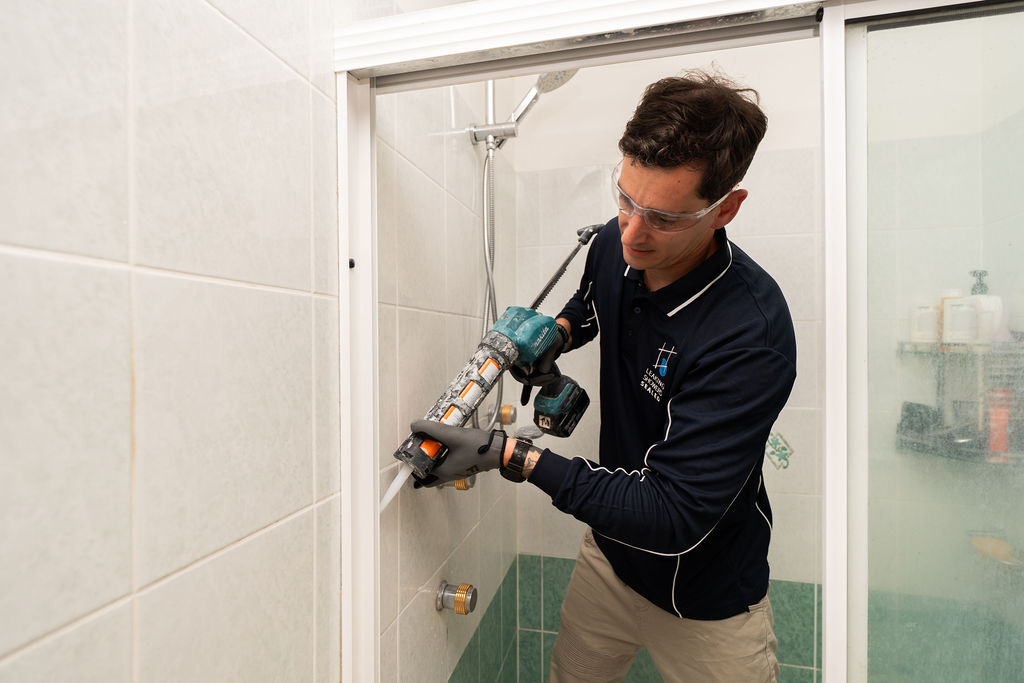
No, resealing is a surface-level task. It involves removing the old silicone, cleaning and preparing the joint, and applying new silicone while leaving the tiles undisturbed.
Understanding this distinction is crucial before assuming a failing seal necessitates a complete bathroom renovation. Resealing focuses solely on the seal itself, differing significantly from regrouting, which pertains to the grout lines between tiles, and waterproofing membrane work, which lies behind the tiles and isn’t handled by every tradesperson in this field.
For more insights, read Epoxy Grout vs Cement Grout: An Honest Comparison from a Sydney Regrouter.
Do Balcony and Wet Area Seals Deteriorate More Quickly?
Yes, generally speaking. Balconies and other outdoor wet areas are exposed to UV rays, temperature fluctuations, and weather conditions that indoor showers do not experience, which reduces the effective lifespan of the same silicone product.
An indoor shower seal enjoys protection from sun and rain, whereas a balcony seal faces both, along with expansion and contraction due to temperature variations throughout a Sydney day. This is why we consider balcony resealing as a separate focus rather than assuming it behaves similarly to an indoor shower. For more information, read Why Balcony Resealing Is A Great Idea.
When Is the Right Time to Schedule a Reseal?
It’s time to book a reseal when you observe discolouration that resists cleaning, silicone that is curling or detaching from the tile or base, or any indication of water pooling where it shouldn’t be following a shower. Delaying beyond this point increases the risk of water penetrating deeper into the substrate.
Scheduling a reseal early is a straightforward, same-day task. If left too long, the shower may require more extensive work, including grout repair or, in more serious cases, an examination of what is occurring behind the tiles. If your shower is approaching that 5 to 10-year mark and beginning to show these signs, it’s essential to get it evaluated sooner rather than later.
Leaking Showers Sealed holds NSW Fair Trading Contractor Licence 89111C and is an Ardex Academy accredited applicator, serving the regions of North Richmond, the Hills District, North Shore, and Mosman. If your shower seal is due for attention, contact us for an inspection, and we will provide an honest assessment on whether it requires resealing, regrouting, or something else entirely.
Common Inquiries About Shower Resealing
How frequently should shower silicone be replaced?
Most bathrooms in Sydney require resealing every 5 to 10 years, although inadequate ventilation or the use of aggressive cleaning products can shorten that timeframe. The most reliable method for evaluation is to inspect the silicone itself rather than adhering to a strict number of years.
Can I reseal a shower on my own?
While a confident DIY enthusiast may attempt it, the complete removal of old silicone and proper surface preparation are crucial for ensuring the longevity of the new seal. A hastily executed DIY reseal often fails within a year due to inadequate removal of the old sealant.
Is black silicone a health risk?
Black silicone isn't an immediate health hazard, but it indicates that mould has established itself within the seal and that the barrier is likely compromised. This serves as a warning to schedule a reseal rather than allowing it to be ignored indefinitely.
Does resealing resolve a leaking shower?
Resealing addresses leaks caused by a compromised silicone joint, which is often the most frequent cause of a “leaking” shower. If the leak originates from behind the tiles or from plumbing issues, that constitutes a different problem and falls outside the scope of what resealing can fix; we will provide an honest assessment if such issues are found.
What is the typical cost of shower resealing in Sydney?
Costs vary based on the size of the shower and the extent of the existing silicone that needs to be removed and replaced. It’s best to obtain a precise quote tailored to your specific bathroom rather than rely on a generic figure.
Sources: keyword demand data (Google Search Console, live property data retrieved 2026-08-24, 28-day window to 2026-08-21, queries “shower resealing” and “shower sealing”). Silicone sealant lifespan figure: Roseal, “How Long Does Silicone Sealant Last in a Bathroom?”, retrieved 2026-09-02, https://www.roseal.co.uk/how-long-does-silicone-sealant-last-in-a-bathroom/. Licence and accreditation details according to Leaking Showers Sealed’s published credentials (NSW Fair Trading Contractor Licence 89111C, verifiable at onegov.nsw.gov.au/publicregister; Ardex Academy Accreditation).
Original Article First Published At: How Long Does Shower Sealing (Resealing) Actually Last?



I found your insights on silicone shower seals really resonant, especially the point about the importance of maintenance over time. It’s so easy to forget about the small things in our homes until they become a larger issue. I can relate to that sudden panic when I noticed the silicone in my own shower turning black—it’s almost like it sneaks up on you!