

Coordinating a hoarding cleanout involves more than simply hiring a truck. Most individuals who contact us have contemplated this decision for an extended period. Their initial inquiries often revolve around privacy, the emotional atmosphere of the day, and the respectful treatment of the homeowner.
This article provides a comprehensive overview of how a hoarding cleanout operates, our commitment to discretion, and what you can expect on the day itself. If you are arranging a cleanout for a family member, a friend, a tenant, or a client, this guide aims to address your primary concerns.
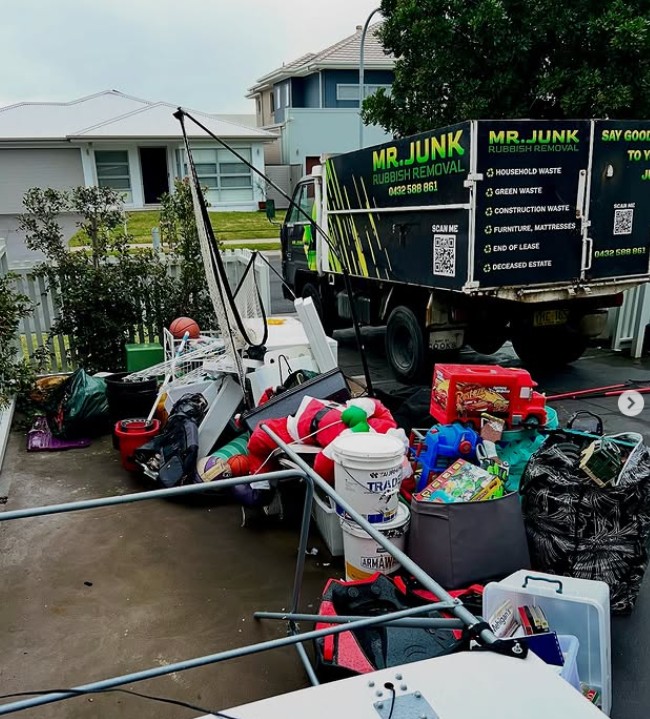
Who Typically Initiates a Hoarding Cleanout?
Most calls regarding hoarding cleanouts come from individuals outside the household. Very few originate from the person residing in the cluttered environment.
- Adult children: Often reach out following a health scare, a fall, or a hospital stay that highlights the unmanageable state of the home.
- Siblings and extended family: Frequently acting after years of concern and a pivotal conversation.
- Property managers and landlords: Contact us when a tenancy ends or when an inspection reveals urgent issues that need addressing.
- Support workers and case managers: Collaborating with individuals as part of a broader care strategy, where the cleanout is a crucial step.
- Executors and solicitors: Engaged to clear a home where the contents have become unmanageable.
Each of these situations presents unique challenges, yet the practical process on the day remains largely consistent.
How Do We Ensure Privacy During a Hoarding Cleanout?
This question is often the first and most pressing inquiry we receive.
Hoarding is a deeply personal issue, and many individuals feel a sense of shame, including the families involved. Concerns about neighbours and anyone who might recognise the address are valid.
To maintain discretion, we implement several practical measures. Our trucks do not display signage that reveals the nature of the work being done inside. We can stage the loading process to prevent clutter from being visible on the front lawn for extended periods. we can time our arrival for quieter periods in the neighbourhood if that is a concern for you. Importantly, we do not discuss the specifics of the job with anyone other than the person who made the booking.
If privacy is the reason you've hesitated to reach out, please mention it at the outset. We can incorporate your needs into our planning from the beginning rather than addressing them on the day itself.
What Preparations Are Necessary Before the Day of the Cleanout?
Most hoarding cleanouts begin with a conversation instead of a standard quote request. Accurately describing the condition of a home over the phone can be challenging, and individuals often downplay the situation due to embarrassment.
A rough estimate of the scale of the cleanout is invaluable. Consider how many rooms are affected, if there is a clear path through the home, whether the kitchen and bathroom are usable, and if there are items in the yard or garage. If you feel comfortable, sharing photos can significantly aid our understanding. We view the cleanout as a project to be organised rather than a crisis to be rushed.
Another critical aspect to clarify beforehand is what items are to be retained. This decision significantly influences how the day unfolds.
How Do We Decide What Items to Keep?
This aspect distinguishes hoarding cleanouts from other types of clearing jobs, and rushing through it can lead to mistakes.
Within the clutter, there are often items of great personal significance, such as documents, photographs, jewellery, letters, and other possessions that may not seem valuable to others. Disposing of everything without discernment is quick but can result in irreversible damage.
It is essential to establish who has the authority to make decisions about what to keep or discard on the day of the cleanout. Be realistic about whether that person will be present. If the resident is there, the process will naturally be slower and more deliberative, which is entirely normal. If they are absent, the person on-site will need clear guidance from them.
If feasible, designating a specific room, table, or boxes as a ‘keep zone' prior to starting can facilitate decision-making by providing a physical space for it to occur.
What is the Workflow on the Day of the Cleanout?
Once the cleanout commences, it primarily involves methodically working through the accumulated items.
The typical approach is to establish a clear pathway through the house first, as this enhances both speed and safety. The cleanout usually proceeds room by room rather than by category, as this method provides a tangible sense of progress and allows for a clean stopping point at the end of each room if the day extends longer than expected.
Items are loaded onto the truck in manageable batches. Anything designated to be kept remains in place. If we encounter an item that clearly holds value or personal significance, it is sensible to pause and consult rather than make assumptions, and any competent crew will adhere to this practice.
For larger cleanouts, the process may extend over more than one day. There is no issue with pausing and returning at a later date; sometimes, this approach is more beneficial for everyone involved than attempting to complete the job in one go.
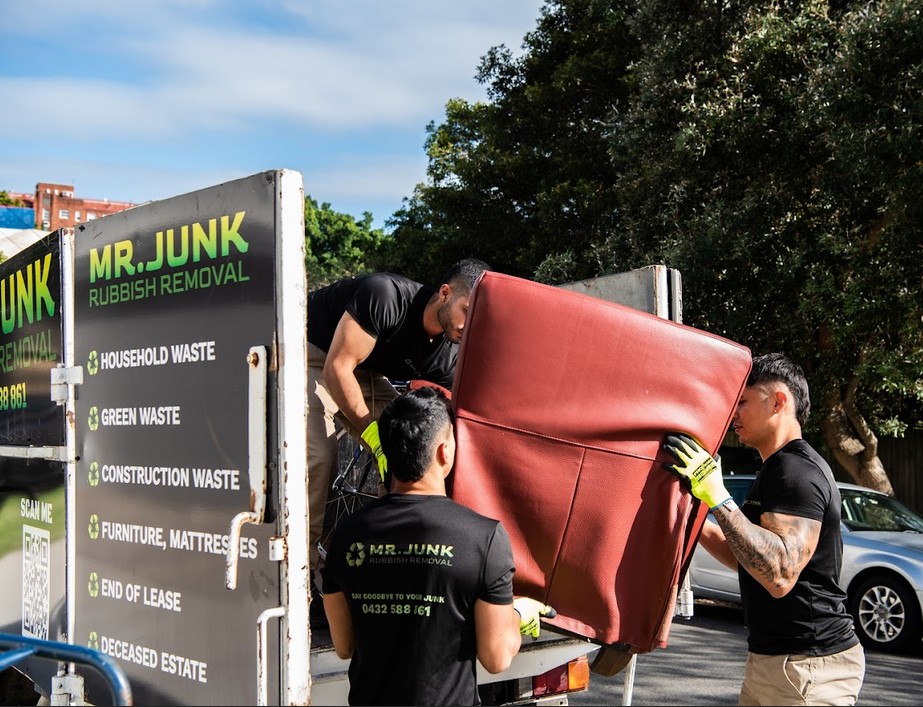
What Items Do We Remove, and Where Do We Draw the Line?
A hoarding cleanout is fundamentally about bulk removal, which is precisely what our team is equipped to handle. We clear out furniture, appliances, boxes, bags, clothing, papers, kitchen items, garage and shed contents, and anything that has accumulated in the yard.
It is essential to clarify where our responsibility ends, as this helps prevent disappointment. We focus on removing the clutter and leaving the rooms empty. Tasks such as deep cleaning, carpet replacement, pest control, or repairs fall outside our scope and are handled by specialised trades after we complete our work. In some instances, a property may require all these services, with the cleanout being the initial step that paves the way for subsequent actions.
If a home has been in disarray for an extended period, it is wise to coordinate with the cleaning professionals before we finish, as an empty house is much easier for them to work in.
What Should You Expect After the Cleanout?
One aspect that often catches people off guard is the emotional impact felt afterward, affecting both families and residents alike.
Practically speaking, it is beneficial to have arrangements in place for where to store the items being retained, a clear plan for post-cleaning, and, if the resident plans to stay in the home, some foresight regarding their next steps. A cleared house signifies a new beginning rather than an end. Families that navigate this transition successfully often view the cleanout as a step in a more extensive process.
How to Arrange a Hoarding Cleanout in Sydney
If you are contemplating how to manage a hoarding cleanout, our services extend throughout Sydney. The same teams that handle hoarding cleanouts also manage household rubbish removal for the larger property clearouts that frequently follow.
If the hoarding situation is part of settling an estate, our deceased estate removal services encompass that aspect, often coordinating with solicitors and agents alongside family members.
Feel free to call us and share the details of your situation to the extent you are comfortable. There is little we haven’t encountered before, and we ensure complete confidentiality regarding each job.
Original Article First Published At: Hoarding Cleanouts: Privacy, Process, and What to Expect