
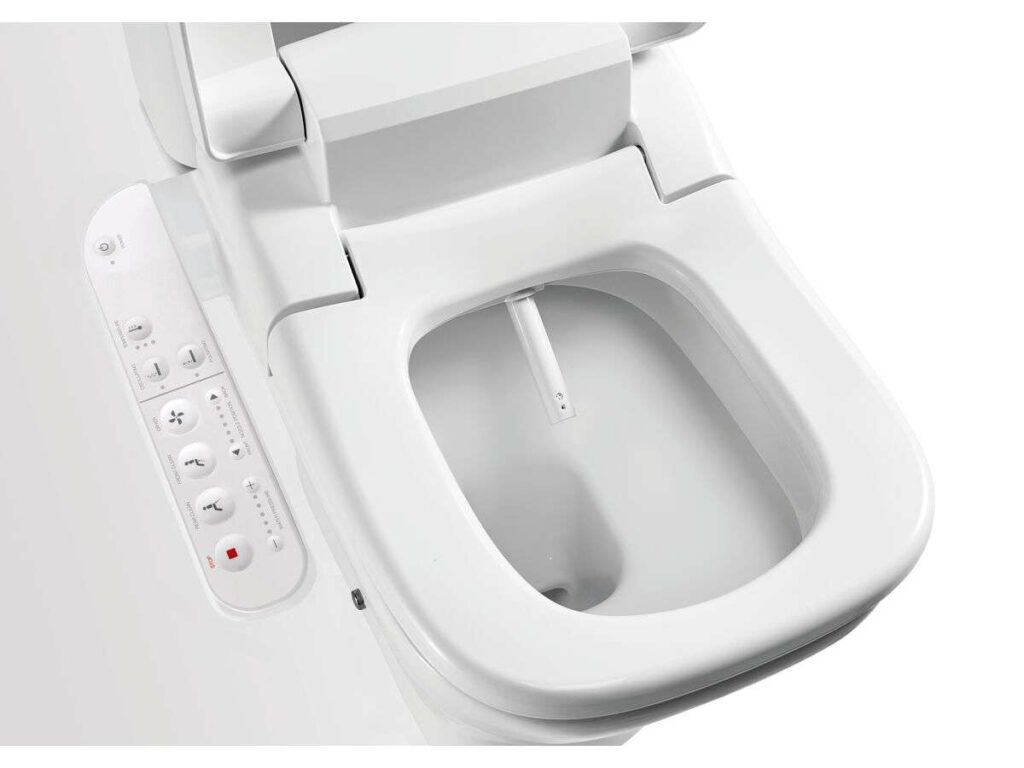
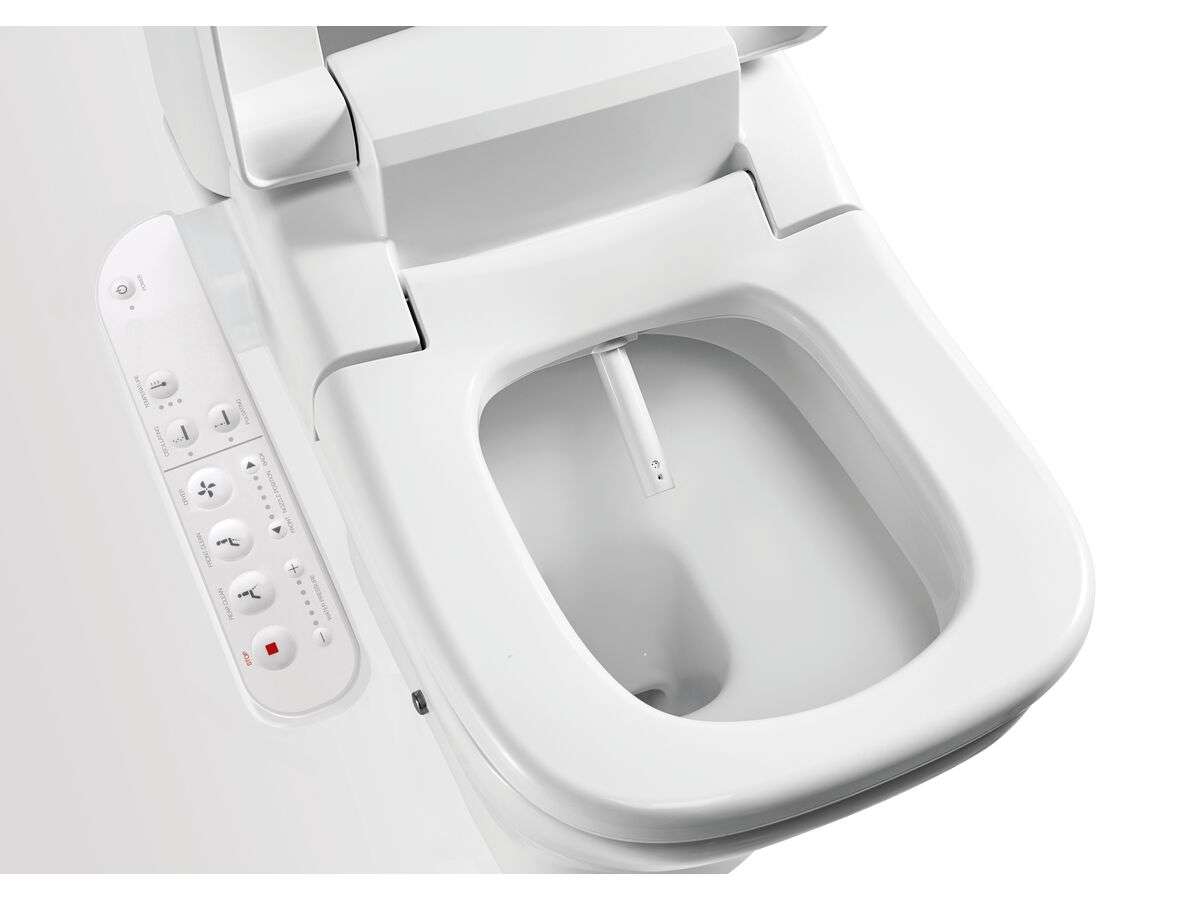
Bidets are increasingly sought after in bathroom renovations across the Hills District. Whether it’s a retrofit bidet seat in Castle Hill or a sophisticated smart toilet in a new ensuite in Bella Vista, many homeowners are embracing this trend. it is crucial to understand that a bidet connects to the drinking water supply of the toilet, which introduces specific plumbing regulations due to backflow concerns.
This comprehensive guide outlines the circumstances under which a bidet in New South Wales requires a backflow prevention device like an RPZ valve. It also explains how to determine if your preferred bidet already includes built-in protection and discusses what a compliant installation involves before making a purchase.
Is Backflow Prevention Required for Bidets in New South Wales?
In most situations, yes, backflow prevention is necessary. According to Building Commission NSW advisory note 21/2021 regarding cross-connection and backflow control, any bidet douche seat whose outlet is not positioned at least 25 mm above the toilet pan's overflow level necessitates individual high hazard protection. the note specifies that a bidet seat must only draw water from a drinking water supply.
Some bidet seats incorporate high hazard protection within the seat itself. If this built-in protection is absent, a separate high hazard device, such as a reduced pressure zone device (RPZ valve), must be installed for that toilet. The advisory note mandates that every handheld bidet hose and trigger spray requires its own dedicated high hazard device.
Understanding Why Bidets Are Classified as High Hazard for Backflow
Backflow occurs when water reverses direction in a pipe, potentially contaminating the clean water supply with used water. This can happen due to a sudden drop in mains pressure, which triggers back siphonage, or from increased pressure on the property side that causes back pressure.
The bidet nozzle is situated either inside or just above the toilet pan. Should backflow occur through that nozzle, it could transport contaminated water from the toilet bowl into the plumbing that supplies your kitchen tap and shower. The Plumbing Code of Australia categorises any bidet seat whose outlet is not 25 mm above the overflow level, along with every handheld bidet spray, as high hazard. these fixtures must be protected by a high hazard device.
Requirements for Bidet Seats, Smart Toilets, and Bidet Sprays
The type of bidet you select influences the complexity of the plumbing installation required. Here’s a breakdown of the regulations that apply to different bidet setups.
- Handheld bidet spray or toilet hose: always requires a separate high hazard device, such as an RPZ valve, to be installed for that spray.
- Retrofit bidet seat: needs a separate high hazard device unless its WaterMark listing indicates integrated high hazard protection.
- Smart toilet with an integrated bidet: follows the same regulation as a bidet seat, so the WaterMark listing determines whether a separate device is necessary.
- Bidette with a mixer tap above the bowl: according to the South Australian Office of the Technical Regulator, if the outlet is at least 25 mm above the overflow level, a testable backflow device is not required.
A bidette is a distinct fixture equipped with its own tap, making it an ideal choice for those who want to avoid installing a testable backflow device.
Verifying Built-In Backflow Protection for Bidet Seats
To ascertain whether a bidet seat includes built-in backflow protection, consult the product's WaterMark listing rather than relying on the packaging. The Building Commission NSW stipulates that integral high hazard protection, typically an air gap or an atmospheric vacuum breaker, must be explicitly mentioned in the WaterMark product description found in the WaterMark product database. If the description lacks reference to integral high hazard protection, an external high hazard device like an RPZ valve must be installed.
To verify a product independently, request the retailer's WaterMark certificate number and search for it on the WaterMark product database. Look for specific language regarding an integral air gap or backflow protection in the description. A product that is merely described as “WaterMark certified” or “WaterMark listed” may meet product standards but does not necessarily indicate high hazard protection.
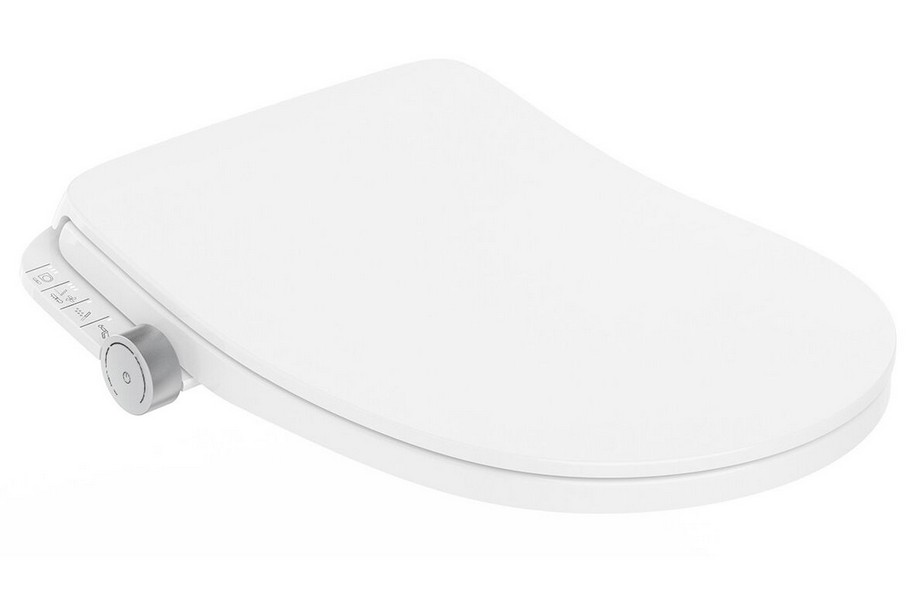
Customers often inquire about integrated units like the Roca In-Wash range. A model like this may eliminate the need for a separate RPZ valve, provided that the WaterMark description for that specific model confirms the presence of integral protection. South Australia has even stricter regulations; as per the South Australian regulator’s advisory note updated in December 2025, only one integral method is accepted without requiring an additional device in that state: an integral air gap compliant with AS 2845.2. Before making a purchase, verify the listing for the model you are considering and share it with us if you have any doubts.
Understanding the Role of an RPZ Valve in Your Bidet Installation
An RPZ valve serves as a testable backflow prevention device. It is installed on the water supply line to the bidet, prior to the connection, and safeguards against bidet water flowing back into the household water supply. Building Commission NSW mandates that this device must be installed separately at each toilet douche seat and for every handheld spray. a home with two bathrooms containing bidets will require two RPZ valves.
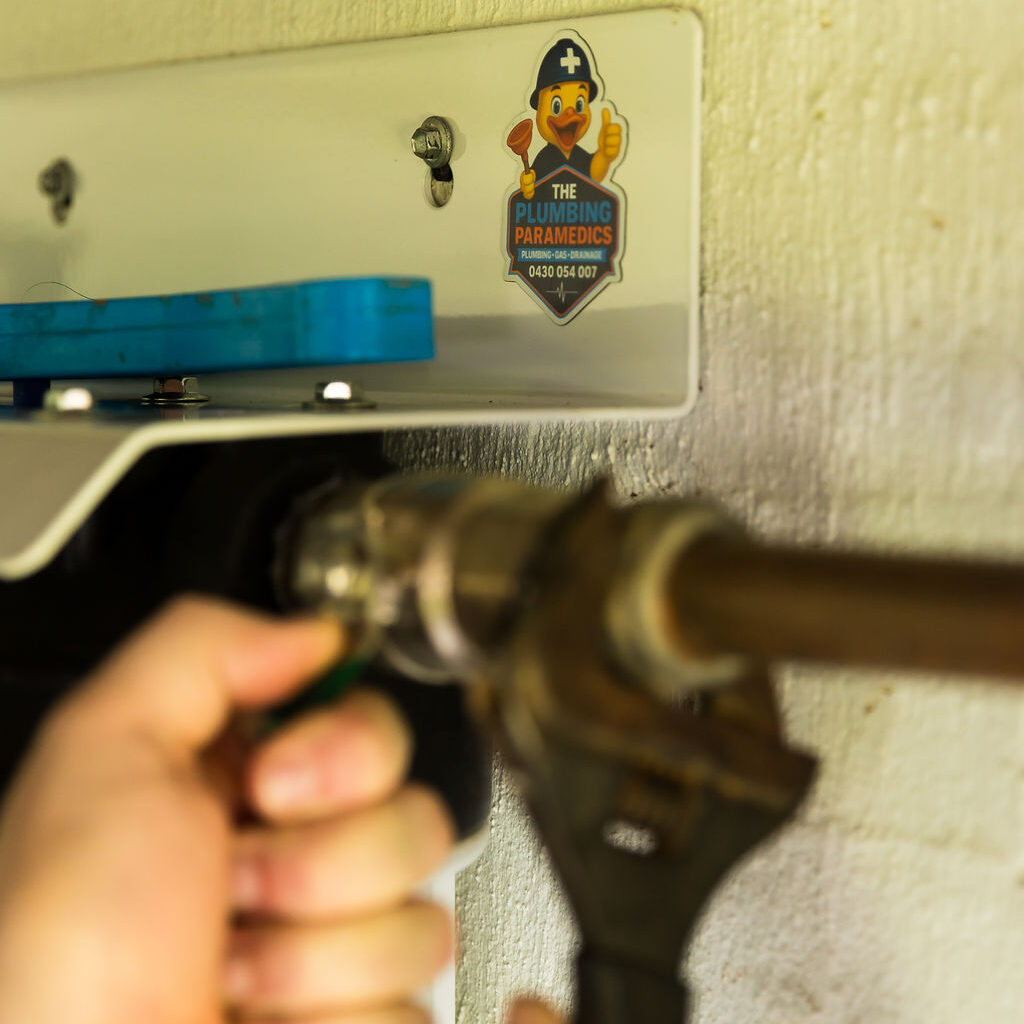
Since an RPZ valve is testable, it incurs an annual maintenance obligation. Sydney Water advises that customers are responsible for the installation of backflow prevention devices, which must be tested annually. When installing an RPZ valve, consider the following:
- Ensure there is adequate space for the valve where a plumber can easily access it for testing.
- A licensed plumber must be engaged to install the valve and connect the bidet to the drinking water supply.
- Arrange for the valve to be tested upon installation and annually thereafter.
The Plumbing Paramedics offer backflow prevention testing and certification services in Sydney, which includes the annual testing and related paperwork, ensuring that the device on your bidet is maintained by the same team who installed it.
Factors Influencing the Cost of Compliant Bidet Installations
The overall expense of a compliant bidet installation varies based on the specific type of bidet and the installation location. A bidet seat with WaterMark-listed integral protection typically requires only a licensed water connection. In contrast, a bidet seat or spray lacking this feature necessitates an RPZ valve installation, along with associated fitting costs and annual testing fees. Additional considerations include the accessibility of the water supply behind the toilet and the number of bathrooms receiving a bidet installation. We will assess your chosen product and the bathroom setup, providing a detailed quote before any work commences.
Essential Bidet Backflow Checklist Before Purchasing
- The product has an identifiable WaterMark certificate number you can verify.
- The WaterMark description specifies integral high hazard protection features, such as an air gap.
- You have determined whether the configuration is a seat, smart toilet, handheld spray, or bidette.
- There is adequate space near the toilet for an RPZ valve and accessibility for testing, if required.
- A licensed plumber is scheduled for the connection.
- You have accounted for the annual testing costs if a testable device is installed.
Schedule Your Bidet Installation with The Plumbing Paramedics
The Plumbing Paramedics, located at Unit 15/593 Withers Rd, Rouse Hill, specialise in the installation of bidet seats, smart toilets, and the necessary backflow protection across the Hills District. Provide us with the make and model you are considering, and we will verify its WaterMark listing, clarify whether your bathroom requires an RPZ valve, and guide you through the installation process. Unsure which bidet best fits your bathroom? Contact Daniel or our team for assistance in making the right choice.
Sources: Building Commission NSW, advisory note 21/2021, “Cross connection and backflow control“. Office of the Technical Regulator SA, “Backflow requirements for bidet toilet seats and flexible hoses“, revised December 2025. Sydney Water, “Backflow prevention: information for plumbers“.
Common Questions Regarding Bidets and Backflow Prevention
Are bidets prohibited in Australia?
No, bidets are legal in Australia as long as the product is WaterMark certified and is installed with the required backflow protection according to the Plumbing Code of Australia. A bidet connected without proper protection does not comply with the code, regardless of the product's certification status.
Must every bidet have an RPZ valve?
Not necessarily. A bidet seat or smart toilet that includes integral high hazard protection as listed in its WaterMark description does not require a separate device under the NSW advisory note. Conversely, a seat lacking this feature needs a high hazard device like an RPZ valve, and handheld bidet sprays always require one.
Can one backflow prevention device suffice for two bidets?
According to Building Commission NSW advisory note 21/2021, a high hazard device must be installed separately for each toilet douche seat and handheld spray. a home with a bidet in the main bathroom and another in the ensuite should plan for individual devices at each location.
How frequently must a bidet backflow prevention device undergo testing?
A testable device, such as an RPZ valve, is tested upon installation and subsequently every year. Sydney Water mandates that customers must have their testable backflow devices evaluated annually. A bidette or a seat with WaterMark-listed integral protection does not introduce a testable device to your home.
Which Suburbs Are Served for Bidet Installations?
The Plumbing Paramedics provide bidet installation services throughout The Hills and select areas of Blacktown, including Baulkham Hills, Glenhaven, Kings Langley, and the surrounding suburbs.
Original Article First Published At: Backflow Prevention for Bidets in the Hills District: When You Need an RPZ Valve and How to Check Your Bidet | The Plumbing Paramedics