

You travel to Japan for the snow, the exquisite cuisine, the ancient temples, and the breathtaking cherry blossoms, yet you return home raving about the toilets.
People often feel a bit embarrassed to admit this, as nobody plans a holiday centred around plumbing. after experiencing a heated washing seat in hotels, shopping malls, and restaurants, your initial scepticism fades… and you find yourself genuinely enjoying them.
Upon landing back in Sydney, you come to a realisation: you’ve become a toilet snob. You adored the heated seat, the warm water cleansing your bits, the warm air drying you off, and the absence of unpleasant odours thanks to the built-in deodoriser.
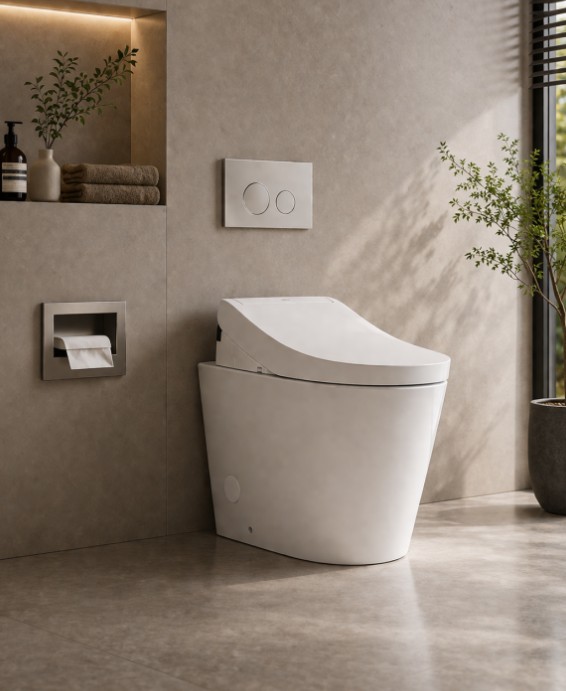
How Does a Japanese Toilet Enhance Your Experience?
For those unfamiliar with them, the term bidet hardly does justice to a modern smart toilet. They differ significantly from the peculiar porcelain bowls found in Italian homes during the eighties.
A contemporary Japanese toilet seat is a remarkable innovation, designed to replace your existing seat while connecting to the water supply behind the pan.
- Warm water wash: A slim nozzle extends from beneath the seat, providing a warm water cleanse before retracting discreetly.
- Customisable settings: You control the water pressure, temperature, and nozzle position, as everyone develops preferences once they’ve experienced it.
- Heated seat: This is typically the feature people rave about first, especially those who have sat down in the early hours of a chilly winter morning.
- Self-cleaning nozzle: The nozzle sanitises itself before and after each use, an inquiry many want to make but hesitate to voice.
- Warm air dryer: Enjoy a gentle warm air dry afterwards, which prompts a reconsideration of how much toilet paper you actually need.
- Deodoriser: A filter discreetly neutralises odours while you sit, outclassing any air freshener you might have on your shelf.
What Sets Japanese Smart Toilets Apart from Traditional Bidets?
Explore the full Japanese smart toilet, where the pan and seat form an integrated unit rather than simply retrofitting a seat to your existing toilet. Here, the toilet truly showcases its capabilities. The lid opens automatically as you approach, it flushes independently after use, and some models even illuminate the bowl softly at night, eliminating the need to fumble for a switch.
Your first encounter with an auto-opening lid will amuse you, and soon enough, you’ll find yourself silently comparing them and evaluating which features you prefer most.
Toto: The Iconic Washlet and the Japanese Toilet Everyone Remembers
Most visitors return home from Japan uncertain of the specific toilet brand, but it’s almost always Toto, and the product they recall is the Washlet.
Toto deserves credit for its dedication. They consistently produced the same high-quality product for decades until it transitioned from a quirky gadget to the standard toilet seat found in most homes and public venues.
Discover more about our Toto toilet installations.
When someone seeks a Japanese-style toilet, Toto is the brand that most wish to install in their bathrooms.
Why Did Australia Hesitate to Embrace Bidet Seats?
This aspect often gets misunderstood; compliance with the older style bidets and separate bidet sprays was stringent.
They required a backflow prevention device, installed by a plumber, before the bidet could be connected, along with yearly compliance testing to ensure the bidet remained safe for use.
The toilet paper shortage during COVID-19 triggered a surge in bidet inquiries, as people panicked about their reliance on toilet paper being readily available.
Once travel resumed, Australians flocked to Japan, and the concept of modern bidets became less fanciful, as the newer models were simpler to install with just seat attachments compatible with most toilets.

What Improvements Have Been Made to Japanese Toilet Seats in Australia?
The currently approved bidet seats available in Australia come with built-in backflow prevention, eliminating the need for a separate device and the associated hardware or annual compliance testing.
This modification is why these seats have become a practical and affordable upgrade for bathrooms. They are accessible through plumbing suppliers and larger appliance retailers. (You will still require a plumber to connect them and obtain a compliance certificate.)
Installing a Japanese Toilet in Your Bathroom: What You Need to Know
Certain requirements must be met.
If you desire a heated seat, heated water, and warm air drying, you will need a power point located near the toilet. You should arrange for an electrician for this, and we can assist you with this aspect, as we collaborate with trusted local electricians who ensure the job is done correctly.
If a renovation is on your agenda, now is the ideal time to install a power socket in the right location while the wall is open. A bathroom renovation in Sydney can create a space designed around a Japanese-style toilet!
How Pan Shape and Water Pressure Impact the Fit and Feel of a Japanese Toilet Seat
Two site conditions largely determine the outcome.
- Pan shape: Seats are compatible with most standard Australian toilets, and the included fixing kit handles the installation. round and elongated pans differ in fit, so the seat must match yours to avoid overhang or gaps. This is a quick two-minute check to complete before placing an order.
- Water pressure: A non-electric seat relies entirely on your mains pressure. If your water pressure is low, the wash will feel gentler than what you experienced on holiday. We can assist in boosting low water pressure if necessary.
Understanding the Water Connection for Licensed Bidet Installation
The seat itself clips onto the pan easily using the kit included in the box. The water connection, however, is classified as licensed plumbing work, requiring a Plumbing Certificate of Compliance. This certificate is necessary if you plan to market your home.
Blue Rhino Plumbing holds NSW Fair Trading contractor licences 289152C and 356773C.
All plumbing work is conducted properly and certified. Learn more about our bidet installations.
Electric vs Non-Electric Japanese Toilet Seats: The Straightforward Comparison
Heated or unheated, here's how they differ:
- Non-electric bidet seats: These operate solely on mains water pressure, requiring no power and featuring mechanical controls that are easy to use. The water remains unheated, as there is no heating element.
- Electric bidet seats: These provide heated water and seat, adjustable temperature and pressure, a warm air dryer, and a deodoriser. Higher-end models even offer sensor-activated lids. They require a power outlet near the toilet to operate all features.
The water temperature is the critical factor in this decision. Of all the seats we have installed, every one has been heated.
The cold water option might be more appealing for Darwin or Cairns!
Is Japanese Toilet Envy Worth Addressing?
For most people who ask me, the answer is yes. It's one of the few home upgrades that you notice every single day. Those who were most sceptical initially often become the most enthusiastic advocates just a fortnight later. Modern homes deserve modern bathrooms, and integrating a smart toilet is a sensible choice.

Contact Blue Rhino Plumbing for Your Japanese Toilet Seat Installation in Sydney
If your trip to Japan has left you with a mild case of toilet envy, we can advise you on the best options for your bathroom and what’s required.
Blue Rhino Plumbing operates as a service area business, meaning we come to you rather than requiring you to visit a showroom. We cover North Ryde, Ryde, West Ryde, Macquarie Park, Marsfield, Eastwood, Denistone, Gladesville, Meadowbank, and Putney, with someone available 24/7 for those inconvenient emergencies, which inevitably occur at the worst possible times.
Call 0468 014 771, email plumbing@thebluerhino.com, or explore our bidet and smart toilet installation options first if you prefer to gather more information before reaching out.
Original Article First Published At: Japanese Toilet Envy: Why Australians Come Home From Japan Wanting a Bidet


