
Shower grout turns black primarily due to mould thriving in grout that retains moisture. Over time, grout can crack and disintegrate because of water exposure, physical movement, and the use of inappropriate cleaning products. When grout lines become cracked or absent, moisture can infiltrate the joints and seep behind the tiles.
This comprehensive guide details the various causes of grout damage, identifies cleaning habits that exacerbate the issue, and outlines how to determine whether your shower requires a deep clean, regrouting, resealing, or the expertise of a different tradesperson. If the grout has already cracked or dislodged, our dedicated shower regrouting page explains how Leaking Showers Sealed can perform regrouting without the need to remove tiles.
Essential Insights on Stained and Damaged Shower Grout
- Black grout typically indicates mould residing within damp, porous cement grout; surface sprays only clean the outer layer.
- According to Ardex, cement grout deteriorates upon contact with acids, so it is crucial to use a neutral or alkaline cleaner.
- Cracked, crumbling, or missing grout allows water to penetrate the joints, making regrouting and resealing essential to restore integrity.
- A leaking pipe necessitates a plumber’s attention, while a compromised membrane requires a waterproofer and tiler's expertise to lift the tiles.
What Causes Shower Grout to Turn Black?
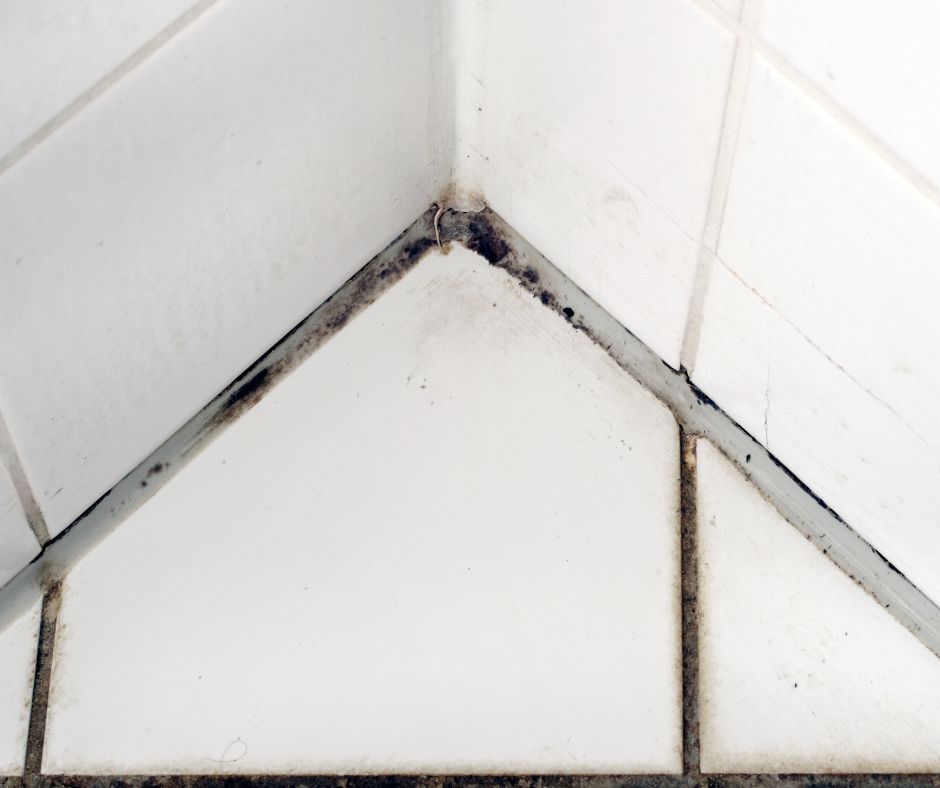
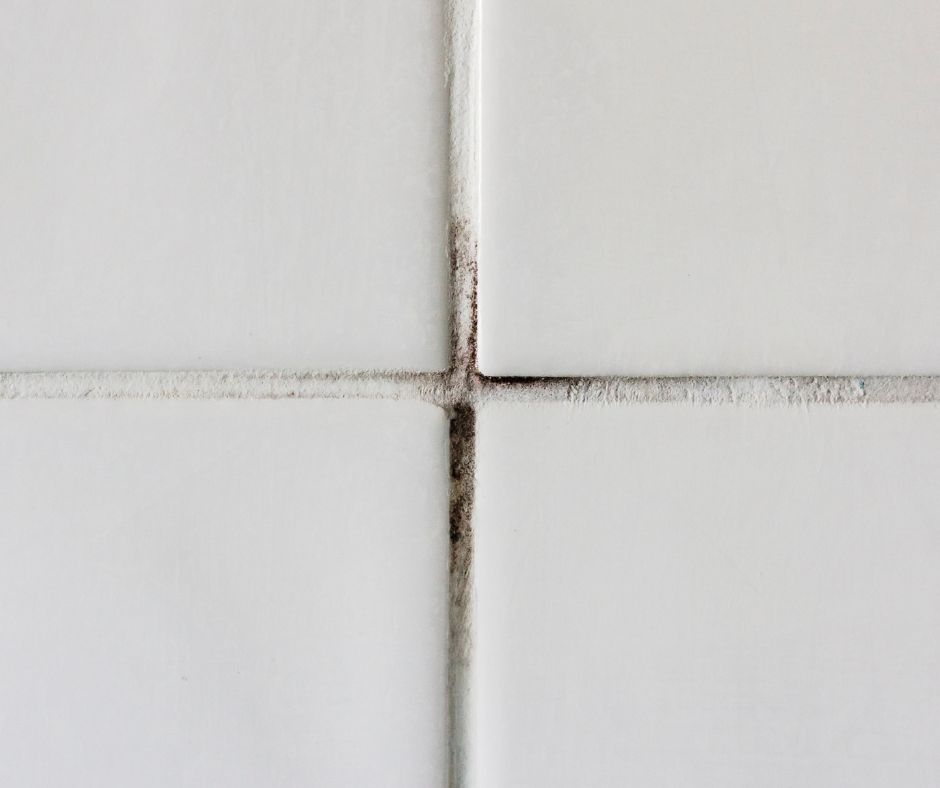
Shower grout turns black primarily due to mould growth. Many older showers feature cement grout, which is porous and absorbs water whenever the shower is used, often remaining damp long after the water is turned off. Soap residue also settles into these joints, leading to discolouration.
In our experience, bleach and mould sprays may temporarily clean the grout's surface, but the black stains tend to reappear. These sprays only address the surface, while the mould thrives deeper in the grout where moisture lingers. When persistent black stains appear on wall grout, we typically remove the old grout and replace it with fresh, bright white grout.
Bathrooms lacking an exhaust fan or a window that opens tend to retain moisture longer after showers, making them more susceptible to mould recurrence. Keeping the door open or running the fan after a shower can significantly aid in drying out the grout between uses.
What Leads to Cracked and Missing Shower Grout?
Cracked and missing grout occurs when the joints experience years of wetting, drying, and cleaning, which gradually erodes the cement. A crack may begin as a fine line in a corner and eventually widen, causing chunks of grout to fall out.
Moisture Penetrating Porous Cement Grout
Cement grout absorbs water each time the shower is in use. Ardex’s grout bulletin indicates that contaminants can infiltrate through any gouges or damage left unrepaired, undermining the grout's integrity. A minor crack that remains damp can continue to expand.
Building Movement Around Shower Corners and Floors
All buildings experience slight movement over time, and Ardex identifies normal building movement as a root cause of grout damage. Rigid grout in internal corners or at floor-to-wall junctions can crack due to this movement. To counteract this issue, we recommend sealing these joints with flexible silicone instead of traditional grout.
Cleaning Products That Deteriorate Cement Grout
The type of cleaner used can adversely affect grout. Ardex Australia’s technical bulletin on cleaning their grouts (TB186, April 2020) specifies that cement grout should only be cleaned with neutral or alkaline agents, as acidic substances can corrode the grout. Strong bleach can also alter the oxides in the grout, so any bleach used needs to be significantly diluted. Vinegar and acidic tile cleaners can degrade cement grout rather than effectively cleaning it.
How Can You Maintain Shower Grout Cleanliness Without Damage?
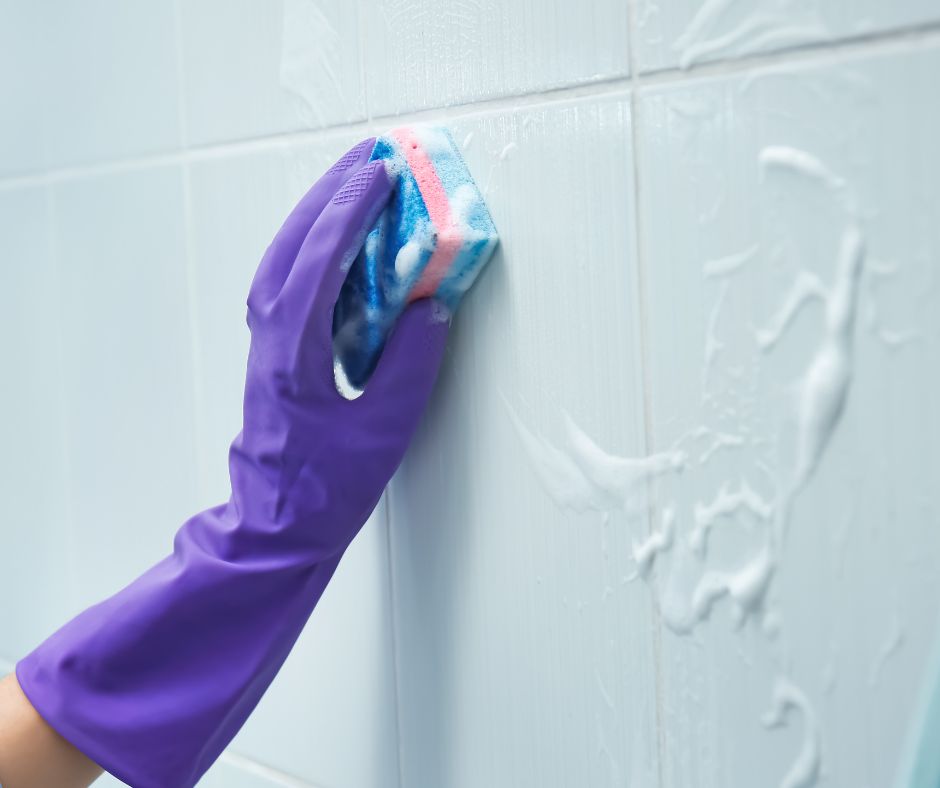
To keep shower grout clean, utilise a neutral cleaner, rinse thoroughly, and allow the shower to dry. Here are some effective practices:
- Use a pH-neutral tile and grout cleaner with a soft brush to wipe down the walls and floor.
- Rinse the cleaner with clean water to prevent any residue from remaining in the joints.
- Steer clear of acid-based cleaners and vinegar when cleaning cement grout.
- If using bleach, ensure it is well diluted and test it in a concealed area first.
- After each shower, operate the exhaust fan or open a window to facilitate drying.
Ardex advises conducting an annual inspection of grout to promptly address damage stemming from wear and typical building movement. If the grout is structurally sound but stained, a professional deep clean followed by sealing the tiles and grout can restore the shower without the need for regrouting.
When Is Regrouting Necessary for Damaged Shower Grout?
Regrouting is essential when cleaning efforts are no longer effective and the grout joints have failed. Here are the indicators we assess:
- Grout that appears cracked, crumbling, or is missing from the joints.
- Recurring black mould that returns within weeks of cleaning.
- Peeling, split, or mouldy silicone in the corners.
- Water pooling on the bathroom floor outside the shower after use.
- A persistent damp smell or signs of paint bubbling on the opposite side of the wall.
Simply filling cracks with new grout over old grout is ineffective, as the new grout fails to bond properly and the water pathway remains. A proper regrout involves completely removing the old grout first. Our article on the longevity of shower regrouting explains the factors affecting a regrout over time.
What is the Process for Regrouting and Resealing a Shower with Leaking Showers Sealed?
Leaking Showers Sealed regrouts a shower by removing old grout and silicone, cleaning the empty joints, and refilling them with Ardex EG15 epoxy grout. The tiles remain intact throughout the process.
Epoxy grout is non-porous, preventing water absorption like cement grout, which significantly reduces the potential for mould growth. Our comparison of epoxy grout versus cement grout provides further insights. We then reseal the internal corners, the floor-to-wall junction, and the tap flanges with Ardex neutral cure silicone, restoring the shower’s waterproof integrity.
Sealing the shower base typically requires around 3 to 4 hours on-site, while a comprehensive seal for the walls and floor takes approximately 4 to 5 hours. Our regrout and reseal service includes a 10-year warranty on Ardex products and a 7-year workmanship warranty from Leaking Showers Sealed, contingent on a site assessment.
Regrouting and resealing can also extend the life of your bathroom before a full renovation is necessary. Real estate agents often recommend this service to enhance a bathroom's appeal before listing a property, while landlords can schedule it between tenants as a budget-friendly bathroom refresh that includes regrouting, resealing, and deep cleaning.
Is Damaged Grout Always Responsible for a Leaking Shower?
While damaged grout is a frequent culprit behind a leaking shower, it is not the sole cause. Understanding the specific issue is crucial before engaging a tradesperson.
Identifying When Failed Grout or Silicone Is the Source of the Leak
If the grout is cracked or missing, or if the silicone has deteriorated, and the leak occurs only after the shower is used, it is likely that water is escaping through the joints. A regrout and reseal from Leaking Showers Sealed can effectively resolve this.
Recognising When a Leaking Pipe, Shower Drain, or Tap Is the Cause
If a damp patch continues to expand without anyone having used the shower for several days, the leak is likely from a pipe within the wall, the shower drain, or a tap. A plumber can address these issues, and our article on leaking showers behind the wall provides guidance on how to identify these problems.
Determining When the Waterproofing Membrane Under the Tiles Is Compromised
The waterproofing membrane is located beneath the tiles. The Australian Standard AS 3740-2021, regarding the Waterproofing of domestic wet areas, establishes the minimum requirements for the materials, design, and installation of this membrane, in accordance with the building classes outlined in the National Construction Code (NCC). Replacing a failed membrane necessitates lifting the tiles, requiring the skills of a licensed waterproofer and tiler. Andreas Jagle, owner of Leaking Showers Sealed, possesses NSW licence 89111C, which encompasses waterproofing expertise. He understands how to identify signs of a failed membrane, and ensuring the grout and silicone remain in good condition is essential for protecting the membrane from damage during regrouting and resealing.
Schedule a Shower Regrouting with Leaking Showers Sealed
If your shower grout has turned black, cracked, or begun to fall out, Leaking Showers Sealed can regrout and reseal your shower without removing the tiles. Contact us by sending photos of the grout and corners to 1300 815 512 or through our contact page, and we will provide tailored recommendations for your shower and the reasons behind them.
Original Article First Published At: Why Shower Grout Goes Black, Cracks and Falls Out: Causes, Cleaning Mistakes and When to Regrout with Leaking Showers Sealed