

How Frequently Should You Conduct Roof Inspections? A Comprehensive Guide for the Central Coast
Your roof endures the harsh effects of the Central Coast climate, including salt-laden air, intense summer storms, and relentless rain. Regular roof inspections represent essential maintenance rather than an optional extra. These inspections help identify minor issues before they escalate into significant, costly repairs. A well-maintained metal roof can provide reliable protection for your home for many years.
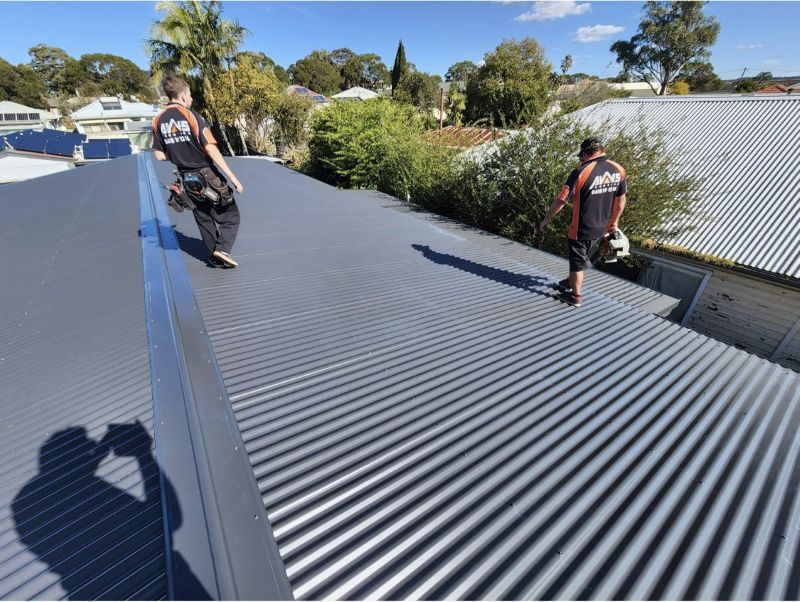
How Frequently Should Roofs Be Inspected?
Many homeowners neglect roof inspections until an issue arises. The frequency of inspections largely depends on your roof type, its age, and your property's exposure to the elements. Properties situated closer to the coast, such as those in Terrigal or Wamberal, experience more salt air and wind, necessitating more regular inspections than those further inland.
What Should You Look for During a Roof Inspection?
If you have never had a roof inspection before, understanding what a professional is assessing can be beneficial. A thorough inspection uncovers problems that may not be visible from the ground.
You can also perform a basic evaluation yourself. This does not require specialised tools or extensive training—just a careful approach. Here are the key areas to examine:
1. Inspect for Cracked or Damaged Roofing Materials
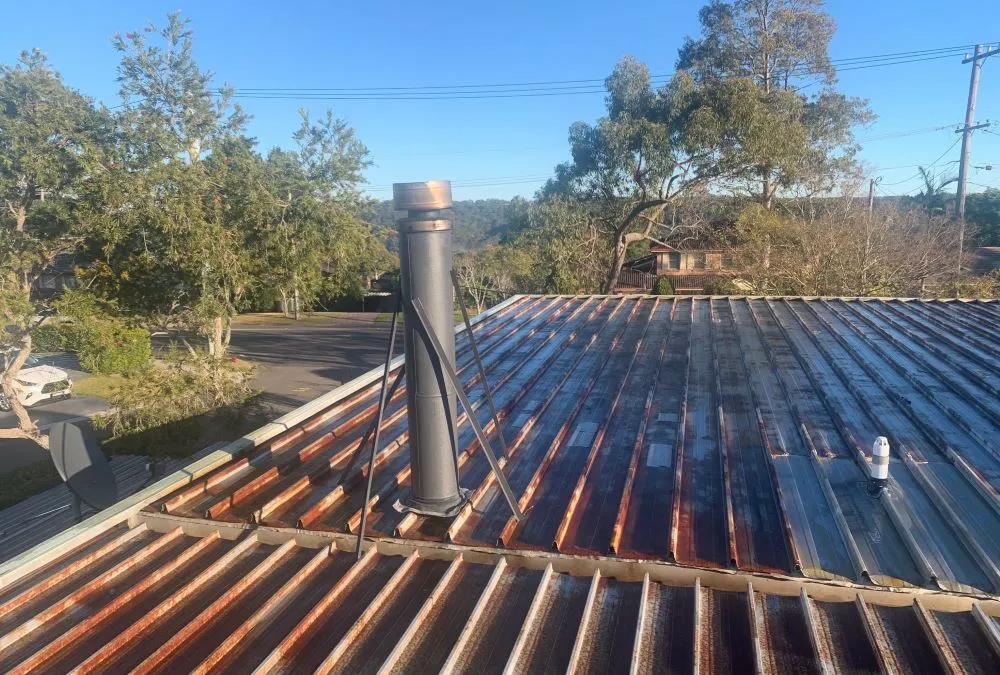
Start by checking for cracks or chips in roof tiles. For metal roofs, look for missing screws, loose sheets, or early signs of corrosion. On a clear day, enter the roof cavity and look upwards. If you see daylight filtering through, that indicates a gap or hole that requires attention.
Hairline cracks in tiles can be difficult to detect from the ground, but larger fractures are easily noticeable upon close inspection. For metal roofs, missing screws are a frequent issue, creating small openings that allow water to infiltrate during rainy weather.
Cleaning your gutters annually provides an excellent opportunity to inspect for damage not only on the roof but also on your fascias and gutters.
2. Look for Signs of Moisture or Water Damage
Next, check for mould, dirt, or algae growth. Water damage typically manifests as discolouration on your ceiling, often appearing as those familiar water stains that many homeowners have encountered. Occasionally, this might result from a one-off incident where rain entered at an unusual angle or from blocked gutters that caused overflow into the roof cavity. This highlights the importance of regular gutter cleaning.
If you discover any of these issues during your inspection, it is advisable to contact a roofing professional to evaluate the severity and determine necessary repairs. This is crucial for your home insurance; maintaining your roof can help prevent claims that could otherwise be avoided.
A qualified roofer possesses the expertise, safety equipment, and experience to conduct a comprehensive and safe inspection. If you have concerns about the company inspecting your roof, do not hesitate to ask about their procedures and documentation practices.
Why Regular Roof Inspections Are Essential
Some inspections are proactive, conducted as part of your routine maintenance, while others are reactive, prompted by specific events.
After any significant storm, carry out a self-inspection. High winds can displace roofing materials and gutters, or even break branches, and the damage may not always be visible from the ground. If homes in Terrigal, Wyong, or Gosford experience strong winds, it is wise to check your roof before the next rainfall.
If you have had contractors working on your tile roof, such as for solar panel installation or cleaning, it is also worth conducting an inspection. Tiles are prone to cracking underfoot.
If you notice a leak in your ceiling, contact a roof plumber or roofer immediately. Most roofing professionals offer leak detection as part of their inspection services, tracing the source and either repairing it on the spot or implementing a temporary solution until permanent repairs can be arranged.
These reactive inspections complement your regular inspection schedule; they are not substitutes for it.
Schedule Your Roof Inspection Today
Regular inspections help identify minor issues while they are still manageable. A cracked tile may seem insignificant, but if left unattended, it can fall, damage adjacent tiles, or pose a safety hazard to anyone underneath. This doesn't even take into account the potentially higher repair costs down the line.
Are you purchasing a new property? Including a roof inspection as part of your building inspection can reveal the true condition of the roof and whether repairs or replacements are necessary. For older properties, it can also provide leverage during negotiations if roof work is required.
If you have questions about your roof, feel free to reach out. Contact AWS Roofing for a complimentary, no-obligation quote, or visit our Charmhaven showroom to explore Colorbond colours and roofing samples in person.
Original Article First Published At: When Should You Get Your Roof Inspected?