
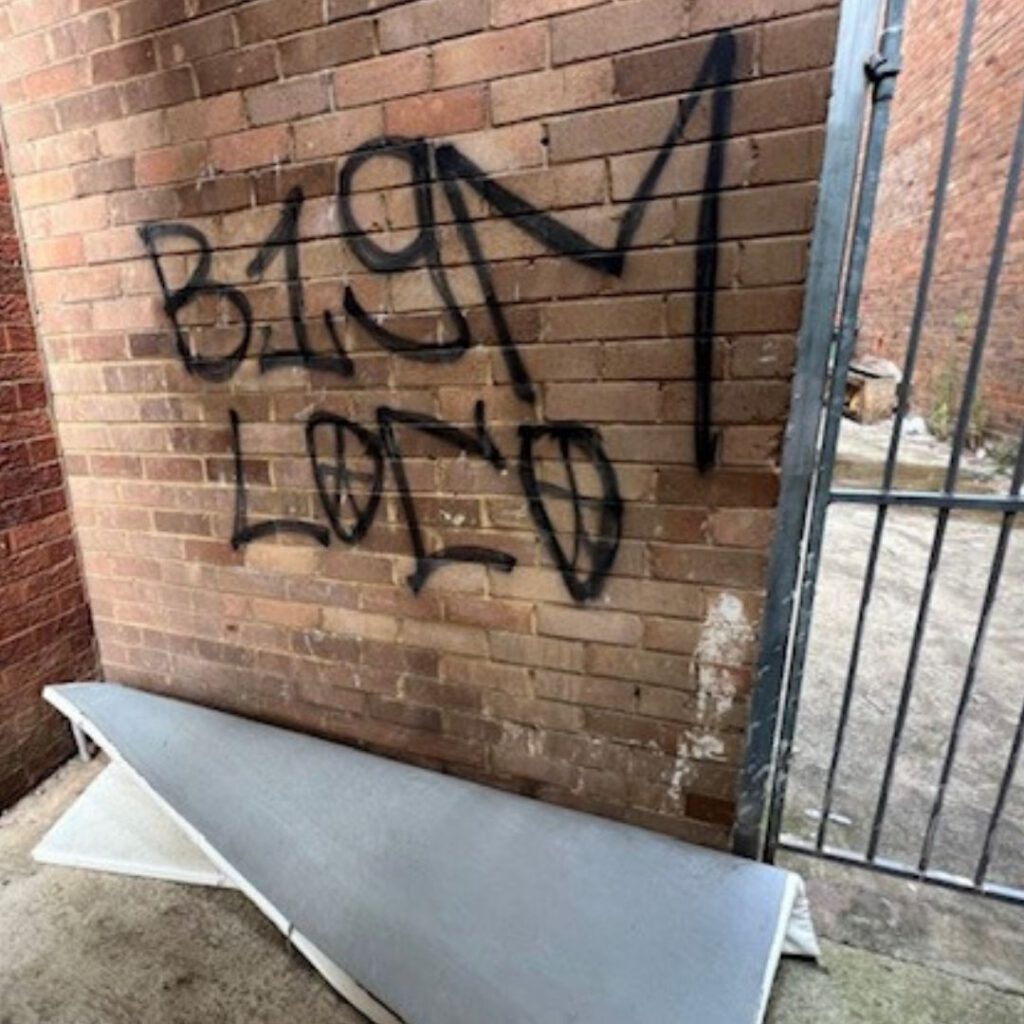
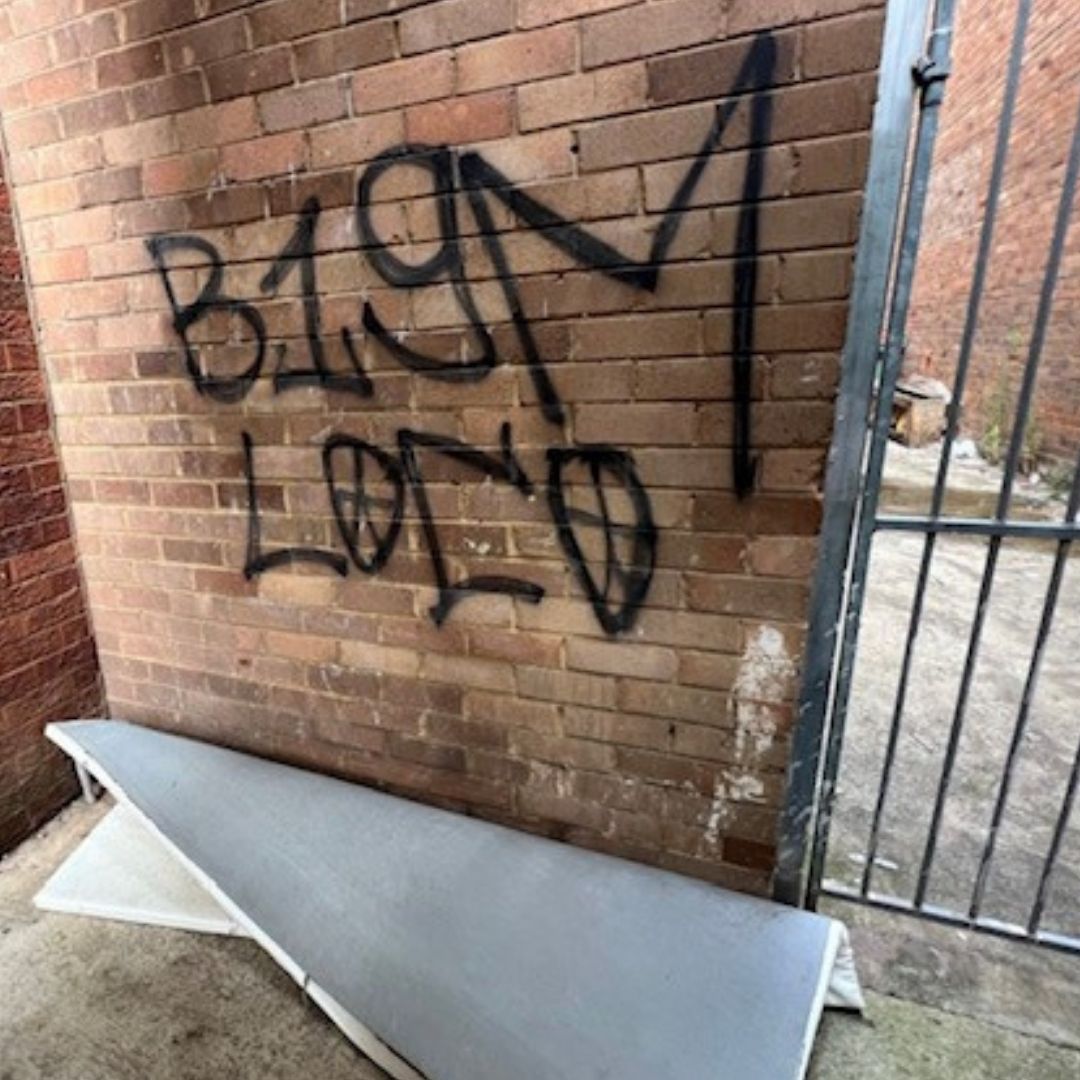
When a tag appears overnight on your fence, shopfront, or boundary wall, the immediate urge is to remove it quickly before it attracts unwanted attention from customers or neighbours. In Sydney, this typically leads to a hurried trip to the hardware store for a pressure washer or a can of thinners. these tools are not designed for the delicate surfaces beneath the paint, which is where most DIY graffiti removal efforts falter.
Short answer: The initial tools many people choose, such as pressure washers, thinners, and wire brushes, are intended for stripping material rather than selectively lifting paint. When used on surfaces like brick, render, stone, or painted finishes, these methods often damage the underlying material instead of providing a solution.
This article explains why DIY removal can often exacerbate the situation, leaving a more significant blemish than the original graffiti, and highlights effective methods for proper removal.
Why Does DIY Graffiti Removal Frequently Fail?
The Dangers of Pressure Washing
Using a pressure washer set at high levels to remove spray paint can lead to significant damage. The force is strong enough to dislodge mortar from brick joints, drive water into rendered surfaces, and etch soft stone. While pressure washers can be effective on non-porous materials like glass or powder-coated metal, they often push paint pigments deeper into porous surfaces such as brick, render, and concrete, which are prevalent in Sydney.
The Risks of Thinners and Solvents
Products like mineral turps, acetone, and low-quality thinners may lift paint but can also strip away underlying coatings. Render, exterior paint, and certain stone sealants are particularly vulnerable, as they may discolour, soften, or completely wash away. This results in a permanent patch that stands out against the rest of the wall.
The Ineffectiveness of Scrubbing and Wire Brushes
Using aggressive scrubbing techniques or wire brushes can etch concrete and soft stone surfaces and burnish brick. Even after the paint is removed, these methods can leave a distinct shadow effect. Tradespeople refer to this as shadowing, which is difficult to clean and often only camouflaged, rather than fully restored.
Why Painting Over Graffiti is a Temporary Fix
Covering graffiti with paint that is a close colour match may hide the tag for a short period. as UV light impacts the different materials at varying rates, the area where the graffiti was will eventually become visible again. This can lead to a much larger project that requires a complete repaint rather than simple removal.
Effective Methods for Safe Graffiti Removal
Short answer: Tailor the removal method to the specific surface, conduct a test on a hidden area first, and avoid using full pressure on porous materials.
At Wundaguard, we thoroughly assess the surface before initiating any removal process. For non-porous surfaces like glass and powder-coated metal, stronger solvents combined with a squeegee finish are typically effective. Conversely, porous surfaces such as brick, render, and stone require a carefully controlled low-pressure method. This approach utilises a solvent that complements the paint type, applied gently to lift the paint rather than scrubbing it in. Signage and painted finishes demand the most delicate handling, as these coatings are often only a few microns thick.
When Should You Consult a Professional for Graffiti Removal?
If the graffiti is on a painted, rendered, or stone surface, or if it has been present for more than a day or two, the risk of making the mark permanent through DIY removal is significant. Many times, we are called to rectify a failed DIY attempt instead of addressing the original graffiti, and the second removal is typically more costly than the initial service would have been. Professional graffiti removal services from Wundaguard start at $150 and include a comprehensive assessment of the surface prior to any treatment.
Partnering with Councils and Businesses for Graffiti Solutions
Wundaguard has dedicated 40 years to graffiti removal and surface protection throughout Sydney. A significant portion of our work involves collaborating with local councils, government agencies, and commercial property managers who frequently deal with recurring graffiti on public and commercial properties. Areas that are often targeted, such as fences, underpasses, and shopfronts, benefit from protective treatments. While these measures do not prevent graffiti, they facilitate quicker and gentler future removals.
Common Questions About Graffiti Removal
Is DIY Graffiti Removal Feasible?
You can attempt to remove graffiti yourself, but tools like pressure washers, thinners, and wire brushes often damage the surface beneath. This is especially true for porous materials like brick, render, and stone, which risk etching or stripping their finishes, leaving a permanent mark. For anything beyond glass or smooth non-porous surfaces, it’s advisable to consult a professional beforehand.
What Are the Costs Associated with Graffiti Removal in Sydney?
The starting price for professional graffiti removal from Wundaguard is $150. Factors influencing the cost include the surface type, size of the tag, and how long the paint has been allowed to cure. Porous surfaces like brick and render generally require more time and care to treat compared to glass or metal surfaces. Contact us for a precise quote tailored to your specific situation.
What is the Ideal Timeframe for Graffiti Removal?
It is crucial to remove graffiti as soon as possible. Fresh paint is significantly easier to lift than paint that has had days or weeks to cure into porous materials such as brick, render, or stone. Delays can also increase the likelihood of repeat tagging, as visible graffiti often invites further vandalism.
Can Pressure Washing Damage Brick or Render Surfaces?
Yes, pressure washing can cause damage. If the pressure is high enough to remove spray paint, it is often sufficient to dislodge mortar from bricks or force water into rendered surfaces. Porous materials require a lower-pressure, solvent-assisted approach tailored to the type of paint, rather than relying solely on water pressure. Non-porous surfaces like glass and powder-coated metal can withstand pressure washing more effectively.
Does Wundaguard Provide Services for Councils and Businesses?
Absolutely. Wundaguard collaborates with local councils, government agencies, and commercial property managers throughout Sydney, offering both one-off and regular graffiti removal services, in addition to residential projects. We also apply protective treatments to frequently tagged surfaces to ensure that future removals are more efficient and less damaging to the materials.
What Types of Surfaces Can Graffiti Be Removed From?
We specialise in removing graffiti from a variety of surfaces, including brick, concrete, glass, stone, signage, and painted finishes. We customise our removal methods based on the specific surface type, employing gentler techniques for porous materials compared to non-porous ones like glass or metal. If you are uncertain about the best approach for your surface, reach out to us for guidance before attempting any removal yourself.
Final Thoughts on Graffiti Removal
Address graffiti quickly by matching the removal method to the surface, ensuring a clean outcome. Choosing the wrong method can result in a longer-lasting mark than the original tag. Before resorting to a pressure washer, contact us at 1300 360 824.
Original Article First Published At: Graffiti on Your Property? Why DIY Removal Often Makes It Worse