

For many years, roof dusting was a common practice in general pest control for homes across Sydney. It was widely viewed as the most effective method for eliminating cockroaches, spiders, and various other insects that often hide above ceilings. However, as time has progressed, both pest control specialists and safety regulators have come to understand that this method can lead to unnecessary risks, particularly in contemporary homes that are well-sealed and insulated.
At So Pest Off, we have adopted a more intelligent, secure, and effective strategy for pest control. This article explains why roof dusting is no longer a standard component of most pest management treatments and outlines the specific circumstances in which it may still be relevant.
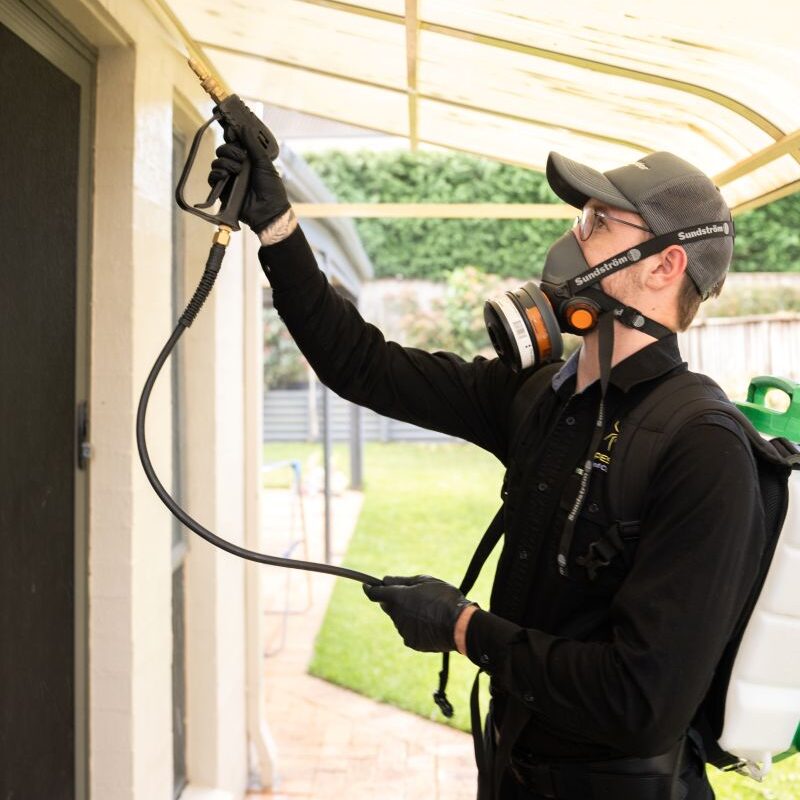
Understanding Roof Dusting: What Is It?
Roof dusting refers to the process of applying a fine insecticidal powder, typically permethrin dust, directly into the roof cavity of a home. This dust aims to settle on various surfaces within the cavity and eradicate pests such as cockroaches, ants, and spiders that may be lurking in the ceiling void. In older residences that featured open ceiling gaps and limited insulation, roof dusting proved to be highly effective. However, with modern construction techniques incorporating insulation batts, ducted air conditioning, and downlights, this method has become far less safe and significantly less necessary.
Why Should General Roof Dusting Be Avoided?
Despite its effectiveness, permethrin dust is not always safe for indoor use. Here’s a closer look at the reasons why:
1. How Can Dust Fall Into Living Areas?
When dust is applied within a roof cavity, there is no guarantee that it will remain confined to that space. Fine particles can easily drift down through downlights, air-conditioning vents, exhaust fans, and ceiling cracks, ultimately settling in bedrooms and other living areas. This situation raises significant concerns, especially for families with children, individuals who suffer from asthma, or those with allergies. These particles pose a risk as they can be inhaled or settle on furniture and surfaces, leading to potential health issues.
2. Why Do Roof Cavities Contain Contaminants?
Ceiling voids are often filled with a variety of contaminants, including old insulation fibres, dust, bird droppings, and rodent waste. When a pest control technician applies dust, these materials can become airborne and disperse into your home through ventilation and ceiling openings. For instance, when you switch on your air conditioner after a roof dusting treatment, the airflow can push these disturbed particles into your living spaces, further contaminating your home environment.
3. How Effective Is Roof Dusting on Target Pests?
In contemporary homes, many common pests such as cockroaches and ants typically do not inhabit roof cavities. Instead, they prefer nesting in wall cavities, kitchens, and subfloor areas, which can be more effectively reached through methods like external wall dusting or baiting. Consequently, roof dusting often introduces unnecessary risk without significantly improving pest control outcomes.
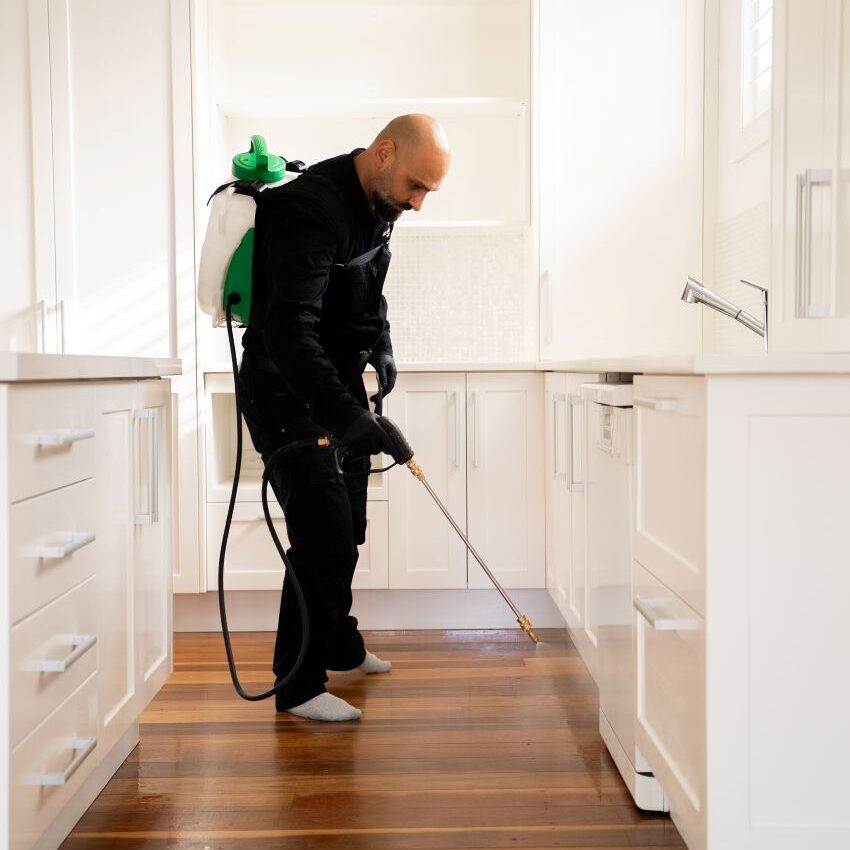
Our Innovative and Safer Pest Control Methodology
At So Pest Off, we have revolutionised our approach to pest control to prioritise your family’s health and home safety. Rather than introducing dust directly into the roof cavity, we implement a targeted external application method that is both efficient and safe.
- We dust through weep holes and wall cavities, targeting areas where cockroaches, ants, and spiders actually reside.
- We integrate dusting with gel baiting and barrier sprays, effectively eliminating pests at all life stages.
- We significantly reduce airborne dust exposure, thereby safeguarding your air quality and overall home environment.
This methodology not only keeps your living spaces cleaner but also achieves superior pest control results because it targets pests in their actual habitats, rather than where they might occasionally venture.
When Is Roof Dusting Still Considered Necessary?
There are a few exceptional situations in which roof dusting remains the most suitable option. These scenarios are rare and are addressed with stringent safety measures:
- Severe infestations: This includes significant populations of cockroaches or bird mites following a nesting infestation.
- No wall access points: In certain older homes, wall cavities may be inaccessible from the outside.
- Minimal ceiling penetrations: If the ceiling lacks vents, downlights, or fans, the risk of dust entering the home is considerably lower.
In these specific circumstances, our technicians may perform a controlled roof dusting treatment, employing protective equipment and applying only the minimum effective quantity of dust. We will always discuss the entire process and safety precautions with you beforehand, ensuring complete transparency.
Ensuring Your Home’s Air Quality Remains Uncompromised
Roof dusting extends beyond simply pest control; it also significantly impacts indoor air safety. When your ceiling cavity is disturbed, fine dust and insecticidal particles have the potential to infiltrate your air conditioning system or descend through vents. Over time, these particles can disperse through ducts, settle on furniture, and even contaminate the air you breathe.
By avoiding unnecessary roof dusting, we actively protect your air quality while still delivering effective pest control solutions that prioritise your family's health and well-being.
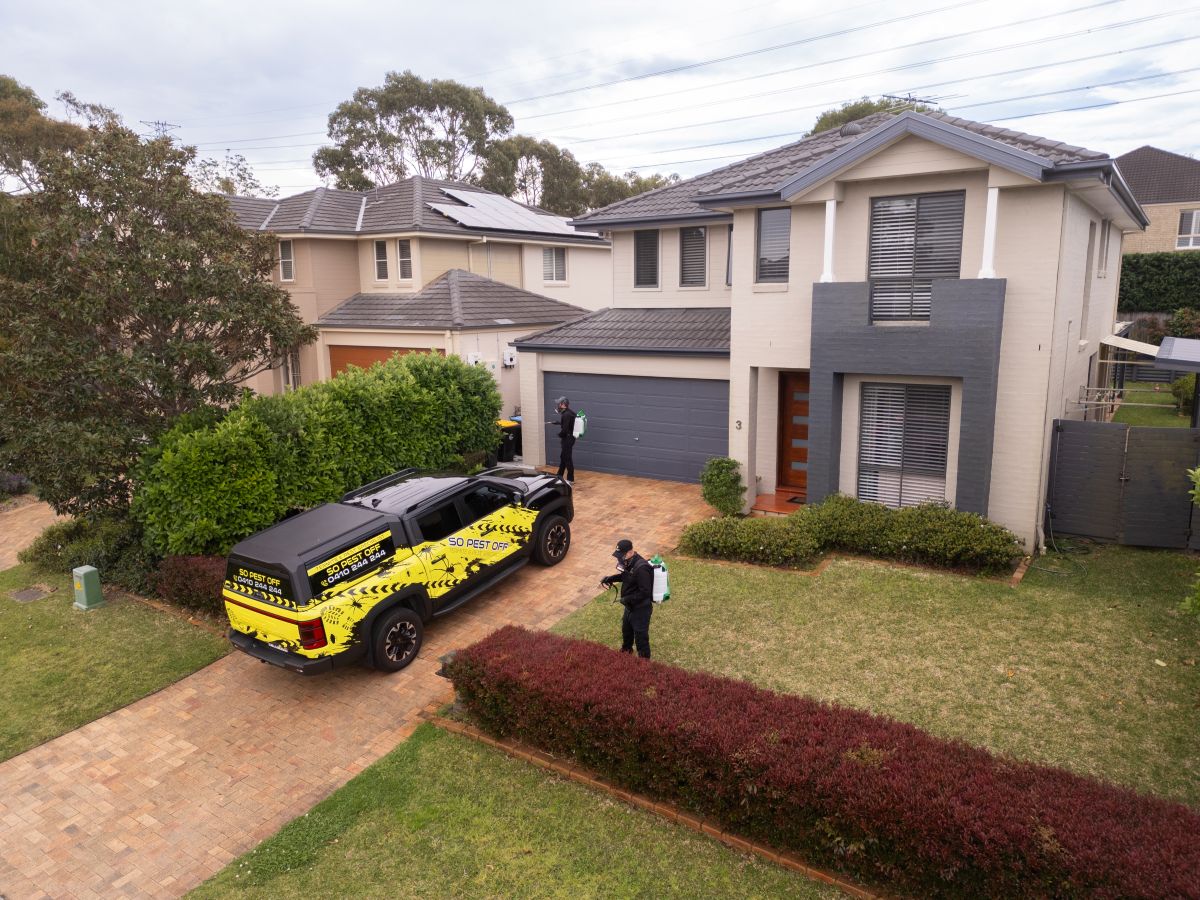
The New Standard for Pest Control in Sydney
So Pest Off’s strategies align with the guidelines set forth by the Australian Environmental Pest Managers Association (AEPMA), emphasising low-toxicity, targeted pest management techniques. We employ:
- Precision dusting through weep holes, ensuring targeted application.
- Gel baiting specifically designed for cockroaches and ants, maximising effectiveness.
- Surface sprays for external barriers, providing comprehensive protection.
This integrated approach guarantees long-lasting protection without compromising your family’s safety or comfort, positioning you and your loved ones in a healthier living environment.
The Essential Takeaway on Roof Dusting
Roof dusting may have been the norm in pest control practices years ago, but our understanding has evolved significantly. Modern pest control prioritises safety, precision, and targeting pests where they are most likely to be found, instead of inundating your home with chemicals.
At So Pest Off, we only resort to roof dusting when absolutely necessary and always under controlled conditions. For the majority of homes, external wall dusting and barrier treatments offer superior protection with considerably less risk involved.
If you are unsure whether your property requires roof dusting, our licensed technicians can conduct a thorough inspection and provide recommendations for the safest and most effective pest control solutions.
Contact us today to book an inspection or inquire about our comprehensive pest control packages tailored for homes and businesses in Sydney.



The shift away from roof dusting in pest control, as you’ve articulated, is a reflection of our evolving understanding of both pest behavior and the potential risks tied to traditional methods. It’s interesting to consider how pest management practices have been influenced by not only advancements in pest control technologies but also a broader awareness of safety and environmental considerations.
You’ve touched on an essential point. The shift away from roof dusting is not just about changing tools; it reflects a deeper understanding of insects and their behaviors, as well as a growing commitment to safety and environmental stewardship. When pest control methods were first developed, the focus was often on immediate results, driven by the necessity to protect our homes and crops from pests that could wreak havoc.
Your insights into the evolution of pest control methods really highlight a crucial shift in how we manage our living spaces. Roof dusting, once considered a go-to solution for invasive pests like cockroaches and spiders, seems to have fallen under the scrutiny of both health experts and regulators, which is a positive development in my view. It’s interesting to contemplate how much our understanding of household safety and the environment has evolved—especially in a city like Sydney, where homes are increasingly designed for energy efficiency.
It’s fascinating to see how pest control methods evolve alongside our understanding of safety and environmental impacts. Growing up in a home that relied heavily on traditional methods like roof dusting, I can vividly remember the smells and concerns about what those chemicals meant for our health. It’s enlightening to read about the shift towards safer, more intelligent practices like those you advocate at So Pest Off.
It’s interesting how we often carry those early experiences with us, isn’t it? The memories of strong chemical smells and a sense of unease about safety can really shape our perspectives on what we choose for pest control later in life. Growing up in an environment like that definitely makes you appreciate the advancements we’ve made in both understanding health impacts and adopting more environmentally friendly practices.
You’re spot on about how those early experiences linger with us. Those vivid memories of chemical smells and the tension around safety really do shape our perceptions and choices down the line. Growing up in such an environment can create a heightened awareness of the impact our decisions have on health and the planet.
Roof dusting sounds like a secret agent operation for pest control—sneaky powder infiltrating the rooftops as if it’s on a covert mission to eliminate cockroaches and spiders! I can’t help but chuckle at the thought of those little critters getting blasted by a dust cloud, like they just walked into a jazz club filled with fog machines.
You’ve painted a delightful picture of roof dusting as a covert operation—it brings a bit of humor to what can often feel like a serious task. The idea of a sneaky powder infiltrating the roofs does capture the imagination, doesn’t it? It’s almost like a scene from a spy film, with the dust strategically placed to catch those unsuspecting critters off guard.
You’ve raised an important point about the transition away from roof dusting in pest control, especially as our understanding of safety and environmental impacts evolves. The fact that roof dusting was once considered standard practice highlights how methods can shift dramatically over time in response to new information. Given the increasing focus on health and safety in home environments, it’s reassuring to see companies like So Pest Off adapting their strategies.
It’s interesting to see how practices in pest control evolve as our understanding of safety and home environments improves. I remember when roof dusting was the go-to method; it felt like a straightforward solution for those pesky cockroaches and spiders. However, I’ve often wondered about the implications of using such chemicals in enclosed spaces, especially as homes become more airtight with modern building techniques.