

Understanding the Reasons Behind Your LED Light's Sudden Dimming
Quick Fix First:
If your LED light has suddenly dimmed, it’s usually caused by a voltage issue, circuit overload, heat, poor connections—or simply cheap LED bulbs. Scroll below for guidance on how to resolve this issue.
Discover the Top 5 Reasons Your LED Lights Are Dimming and Effective Solutions
LED lights are designed to offer longevity, often touted to last for years, yet sometimes they fail to even last a single season. Whether you’re dealing with your kitchen's downlight, a decorative garden light, or a festive string of Christmas LED lights, experiencing sudden dimming can be both frustrating and common. This comprehensive guide will delve into the primary causes of LED dimming and provide you with safe and effective troubleshooting steps to restore your lighting.
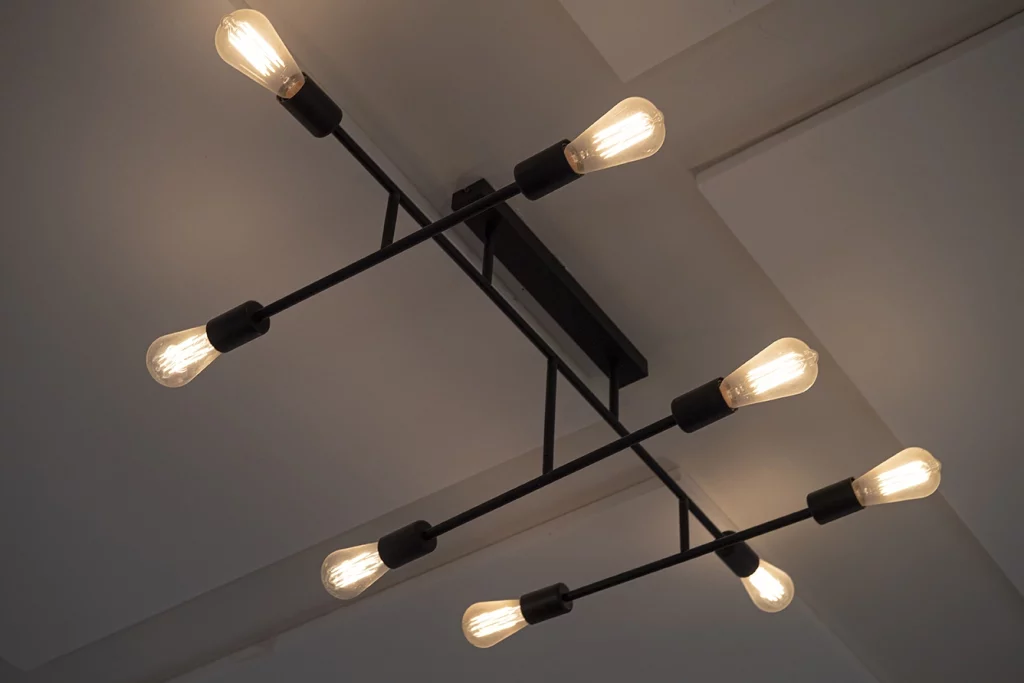
1. How Voltage Drops Lead to Unexpected LED Dimming
The most prevalent reason for LED lights to suddenly dim is a voltage drop. When the voltage supplied to the light fixture falls below the LED’s required threshold, the light’s brightness diminishes instantly. So, what causes this to occur?
- Temporary issues with the power grid
- Local circuits that are overloaded
- Extended wiring distances that utilise thin cables
- Malfunctioning switchboards or poor connections
Voltage drops pose significant challenges, especially with inexpensive LED lights, which frequently lack appropriate voltage regulation and exhibit heightened sensitivity to minor fluctuations. For effective solutions, always consider upgrading to reliable products.
Also Read: 10 Ways to Save On Power And Energy Costs
2. Identifying Overloaded Circuits in Older Homes
Overloading your electrical circuits by adding too many appliances or devices can significantly overwhelm your power supply. When your circuit struggles to keep up, the voltage gets distributed unevenly among devices, resulting in lights dimming, particularly for sensitive LEDs. This issue is more common in older homes that were not designed to accommodate today’s energy-intensive technologies. Overloaded circuits often lead to:
- Flickering lights
- Buzzing switches
- Dimmed lights, especially in budget-friendly LEDs which may lack built-in protective features.
Book in For A Quote and Ask About Our FREE Electrical Inspections
3. Addressing Loose Connections and Damaged Wiring
Inadequate power delivery can arise from loose fittings or aging cables. If your light flickers or dims when you manipulate a switch or device, it may be due to loose connections. Here’s what to inspect:
- Ensure bulb seating is secure
- Check for flickering at the wall switch
- Look for burn marks, discolouration, or buzzing sounds
Important: Many inexpensive LED lights use thin or low-quality internal wiring, making them more susceptible to failure due to heat or movement. Regular checks and maintenance can help prevent unexpected issues.
Also Read: Keep Your Pets Safe Around Electricity
4. Recognising the Dangers of Overheating in LEDs
Even though LEDs generate less heat compared to incandescent bulbs, they still require effective heat dissipation. If an LED overheats, it will auto-dim to protect itself. Overheating can occur due to several factors:
- Enclosed light fittings
- Defective heat sinks, particularly in budget models
- Excessively high ambient temperatures
- Insufficient air circulation
If your LED housing feels hot to the touch, it is likely experiencing overheating. This concern is prevalent with inexpensive, poorly ventilated LED downlights or garden lights that are installed in direct sunlight without adequate thermal protection.

5. Understanding Lumen Depreciation: Why LEDs Dim Over Time
Even the best quality LEDs will gradually lose brightness over extensive usage, a phenomenon known as lumen depreciation. Quality LEDs can retain about 70% to 90% of their brightness after approximately 50,000 hours of use. Conversely, cheap LED products may begin to fade after only 5,000 to 10,000 hours and often do so unevenly. If your light appears to be:
- A budget model, it may simply be nearing the end of its lifespan.
- Several years old
- Heavily used
Why Budget LED Lights Often Fail Prematurely
During festive seasons, cheap LED lights flood the market, available in various forms such as string lights, downlights, garden features, and more. The potential risks associated with these products include:
- Inconsistent voltage tolerance: making them prone to dimming
- Poor heat management: increasing the likelihood of overheating
- Low-quality drivers: which cannot regulate electrical current effectively
- Lack of weatherproofing: rendering them unsuitable for outdoor use
Holiday Tip: When purchasing LED Christmas lights, opt for products that have:
- IP65+ waterproof rating
- Certification compliance marks (e.g., RCM)
- Reputable brands (avoid lesser-known bargain brands)
While buying cheaper lights may save you money in the short term, they can lead to higher costs in terms of replacements, safety, and long-term frustration.
Effective Methods to Resolve Dim LED Lights
Inspect for Loose Connections and Signs of Overheating
Begin by closely examining your light fitting. Is the bulb securely fastened? Are there any visible signs of fraying, corrosion, or damage? If you notice anything unusual, do not attempt to fix it yourself, especially if wires are exposed or if the fitting appears burnt or melted. Carefully touch the fixture; if it feels unusually hot—think “could-fry-an-egg” hot—that is a significant red flag. Overheating fittings can pose serious hazards and often require replacement.
Need assistance? We are Beacon Lighting Recommended Electricians, and installing and replacing LED fittings is our area of expertise. Regardless of whether you're located in Braybrook, Yarraville, or nearby, Electrx can handle the issue safely and promptly.
Utilise a Multimeter to Assess Voltage Levels
If your LED is dim due to low voltage, using a multimeter will reveal the issue. Testing the voltage at your LED fixture will indicate whether your lights receive the appropriate power supply. Compare the voltage measured with the recommended voltage for your specific LED lights. If the voltage is lower than required, this could explain the dimming. Should the voltage consistently fall short, you may be facing a more significant electrical problem and should contact a qualified electrician to investigate.
If you find low voltage across multiple fittings, there is likely a larger wiring or switchboard issue at play.

Examine the Dimmer Switch Settings
We often receive inquiries like this:
“Why is my light dim?”
Us: “Do you have a dimmer switch?”
Them: “…oh.”
Ensure that no accidental adjustments have been made to the dimmer, or check for compatibility issues with your LED model.
Test the Circuit by Turning Off Other Appliances
Try switching off other devices connected to the same circuit as your LED lights. If your lights brighten, you are likely facing an overloaded circuit. Consider the following steps:
- Redistributing devices to different circuits
- Upgrading your switchboard for better performance
- Replacing budget LEDs with more efficient models
Also Read: Electrical Upgrades For Your Office
Replace the LED Bulb if Necessary
If none of these solutions resolve the issue, your LED may simply be nearing the end of its lifespan. Test by swapping it out with another LED bulb from your home. If the replacement bulb restores full brightness, the old bulb was likely due for retirement. In that case, go ahead and purchase a new LED bulb. However, if changing bulbs does not rectify the issue, the cause likely lies elsewhere.
Key Takeaways on LED Dimming Issues
So, why did your LED light suddenly dim? The culprits could be:
- Voltage drops
- Loose connections
- Heat accumulation
- Circuit overload
- Or the LED itself—especially if it is a budget model
With this guide, you are now equipped with the knowledge of what to check—and how to rectify it.
However, if you are uncertain or notice any signs of damage, never compromise on electrical safety.
Let Electrx Provide Expert Assistance
We are licensed electricians and recommended installers for Beacon Lighting. Our services include:
- Testing and replacement of LEDs
- Circuit diagnosis to pinpoint issues
- Resolution of overload and overheating challenges
- Safe, long-lasting electrical upgrades
If you have any doubts regarding electrical matters, it is always advisable to reach out to a professional electrician, such as Electrx Electricians. Get in touch with us today.

Frequently Asked Questions About LED Troubleshooting
Q: Why is my new LED bulb already dim?
A: This could be due to a voltage drop, faulty wiring, or a low-quality LED with inadequate voltage regulation. Consider swapping it with a high-quality LED first.
Q: Do cheap LED lights dim more quickly?
A: Absolutely. Budget LEDs often lack sufficient heat sinks and stable drivers, leading to premature lumen loss, flickering, and dimming—particularly in hot or outdoor conditions.
Q: Why do my Christmas lights flicker and fade?
A: Seasonal LED string lights are frequently constructed using lower-grade parts. Environmental exposure, overuse, and power surges can all contribute to dimming. Always opt for outdoor-rated, certified lighting.
Q: Can I fix dimming LED lights on my own?
A: You can troubleshoot by checking fittings, testing voltage levels, and replacing the bulb. However, if the problem persists—especially across multiple fittings—contact a licensed electrician for assistance.



It’s truly fascinating to see how something as seemingly simple as LED lights can have such complex underlying issues. Your analysis of the reasons behind their sudden dimming resonates with me, especially since I encountered a similar situation recently in my own home. I had installed LED lights in my living room, only to find them dimming unexpectedly just weeks after installation. I was baffled!
It’s interesting how these little pieces of technology can lead to such head-scratching moments. Your experience with dimming LED lights certainly highlights some of the quirks that can come with modern lighting solutions. Many folks have found themselves perplexed by similar issues, and it’s helpful to share those stories to shed some light—pun intended—on what might be happening behind the scenes.
I found your breakdown of LED dimming really insightful, especially the linkage to voltage drops. It’s fascinating how something as simple as a fluctuation in power can lead to visible changes in our everyday lighting. I’ve dealt with this issue in my home, particularly in the winter when the heating systems are running higher, affecting circuit loads.
This is such an engaging topic, and I can totally relate to the frustration of dealing with dimming LED lights! I remember when I first renovated my kitchen and invested in quality LED fixtures, believing they would solve my lighting woes for years to come. But not long after installation, some of them began to dim unexpectedly. It was perplexing because I had done all my research on the benefits of LEDs, thinking they were practically foolproof compared to traditional bulbs.
It’s interesting to see how something as seemingly straightforward as LED lights can become a complex issue when they start dimming. Your focus on voltage drop as a primary cause makes a lot of sense, especially in older homes where wiring may not accommodate today’s electrical demands effectively.
This discussion on the causes of LED dimming really resonates with my recent experience. I installed LED bulbs throughout my home for their efficiency and long lifespan, but I was taken aback when some of them unexpectedly dimmed after just a few months. Based on your points, I suspect that the voltage drop might be the culprit, especially since I’ve noticed fluctuations in other appliances as well.