

Is a Switchboard Upgrade Essential for Installing an EV Charger at Your Home?
Yes, in many homes across Melbourne, installing an EV charger typically necessitates a switchboard upgrade. Older switchboards often lack the necessary load capacity, RCD protection, or available circuit space required for a safe and compliant installation of an electric vehicle charger. Engaging a licensed electrician to inspect and upgrade your switchboard is crucial to ensure that you can safely charge your EV at home without any risks.
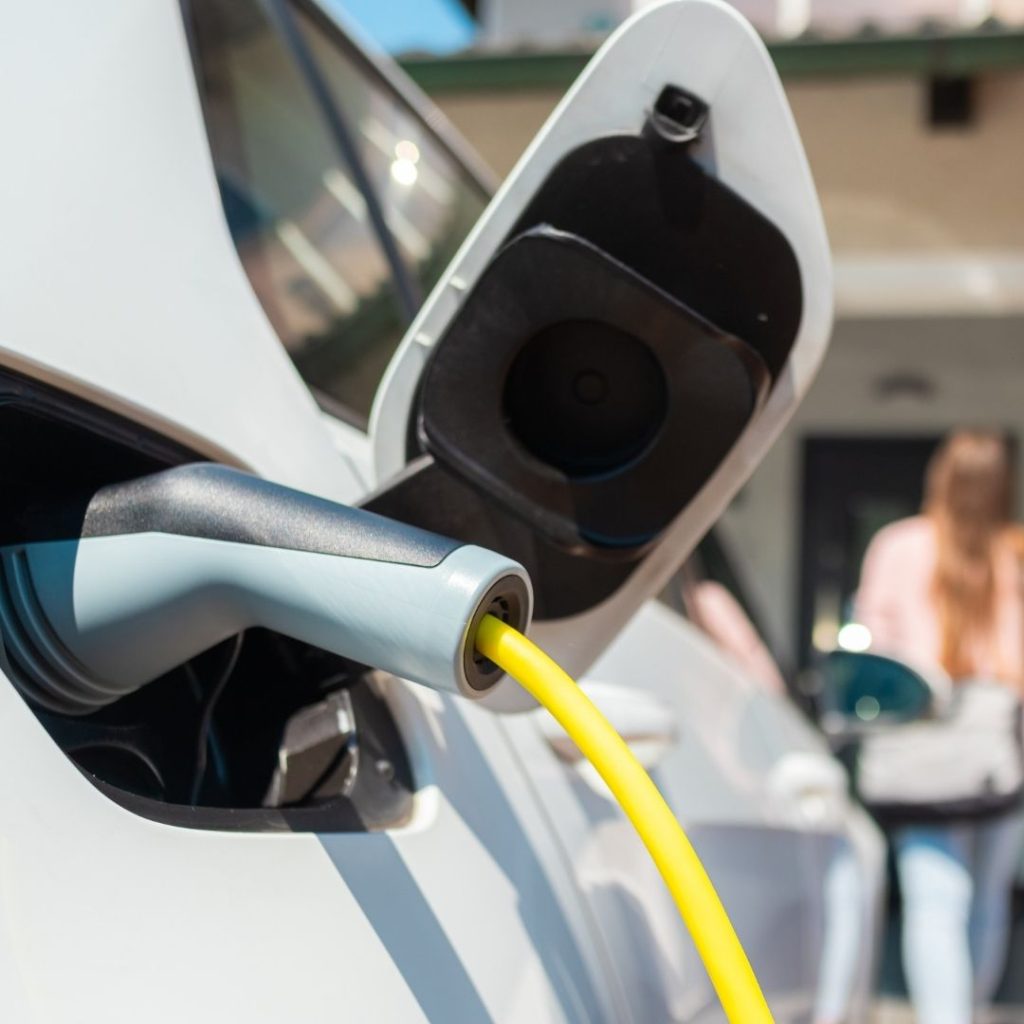
As the adoption of electric vehicles continues to rise in Melbourne, an increasing number of homeowners are choosing to install EV chargers in their garages or driveways. However, many people are unaware that your home’s electrical system must be adequately prepared—and this preparation begins with a thorough evaluation of your switchboard.
At Direct Point Electrical, we have successfully installed numerous EV chargers throughout Berwick, Narre Warren, and Cranbourne in Melbourne’s outer east. In nearly every instance, the switchboard is the first component we evaluate to ensure that it meets all necessary requirements for safe and effective charging.
Why Do EV Chargers Require More Than Just a Standard Power Point?
EV chargers are not comparable to standard appliances like your toaster or washing machine. Most residential chargers, particularly the 7kW and 22kW models, require:
- A dedicated circuit to handle the load efficiently
- RCD protection as mandated by AS/NZS 3000 standards
- Ample amp capacity, typically ranging from 32A to 50A
- Proper load balancing to prevent overloading other circuits within your home
Consequently, connecting an EV charger to an outdated fuse box or an overloaded switchboard is not only unwise—it poses significant safety risks and is non-compliant with current regulations. For more detailed information about EV chargers in residential settings,
How to Identify if Your Switchboard Requires an Upgrade
If your home was built more than two decades ago, it is highly probable that your switchboard is not equipped to support an EV charger. Here are some indicators we look for during our assessments:
- Old ceramic fuses or asbestos backing, which are outdated and hazardous
- Absence of RCD or safety switch protection, crucial for preventing electrical accidents
- Limited circuit space that does not allow for the addition of a new dedicated circuit
- Evidence of burn marks, buzzing sounds, or frequent tripping when using appliances
- Lack of a 3-phase supply if a faster 22kW charger is intended for installation
Any of these warning signs indicate potential risks for both safety and EV compatibility in your home.
Note: The Electric Vehicle Council advises that a dedicated circuit be installed for your EV. This precaution helps prevent the overloading of existing circuits in your home. When installing a dedicated circuit, consider opting for a 15amp outlet and charger rather than the standard 10amp circuit, as this adjustment can enhance your charging rate by 50% and reduce charging time by a third.

What to Expect During the Switchboard Upgrade Process
At Direct Point Electrical, we strive to make the upgrade process straightforward and stress-free:
- Site Assessment – We conduct a thorough inspection of your current switchboard, wiring, and main power supply.
- Load Calculation – We evaluate whether your home can accommodate the additional load from the EV charger.
- Upgrade Planning – If necessary, we provide a quote for a new compliant switchboard equipped with RCDs, surge protection, and adequate space for the EV charger.
- Documentation & Compliance – We handle all paperwork with your energy distributor (AusNet or United Energy) and issue a Certificate of Electrical Safety upon completion.
Depending on the current condition and configuration, most upgrades can be completed within a single day, allowing you to quickly enjoy your EV charging experience.
Understanding Victorian Electrical Compliance for EV Chargers
All electrical work performed in Victoria must adhere to the AS/NZS 3000 Wiring Rules, and installations of EV chargers are included under this standard. A licensed electrician is required to:
- Implement RCD protection for the circuit
- Ensure that the load from the charger does not exceed the main switch capacity
- Submit forms to your energy distributor when necessary
- Provide a Certificate of Electrical Safety upon project completion
Attempting to perform DIY or unlicensed installations is not only illegal; it also voids warranties and can lead to severe fire hazards or insurance claim rejections.
What If You Already Own Solar Panels or Batteries?
That’s excellent news! However, you will still need to evaluate how the EV charger will interact with your existing solar energy system. Balancing the load between solar energy, battery storage, and EV charging requires meticulous planning.
We will collaborate with you to:
- Schedule charging times to optimise the use of solar energy
- Ensure that your inverter and battery setup can support the energy draw
- Recommend suitable charger models that feature smart load management
Is a 3-Phase Power Upgrade Necessary for EV Charging?
Not always. A 7kW charger performs adequately on single-phase power for most users. However, if:
- You seek faster charging times
- You own two electric vehicles
- Or you are using high-load appliances simultaneously
… then considering a 3-phase upgrade may be beneficial. We can provide expert advice on this during your initial inspection.
Essential Considerations for EV Charger Installation
If you are contemplating the installation of an EV charger at your residence, your switchboard should be your first priority. At Direct Point Electrical, we offer free site inspections, transparent pricing, and a streamlined approach to ensuring safe, efficient, and future-proof EV charging solutions for your home.
Whether you reside in Berwick, Narre Warren, or anywhere in Melbourne’s outer east, we have the perfect EV charging solution to meet your needs.
EV Charger Installations



It’s a genuinely significant topic you’ve brought up regarding the need for a switchboard upgrade when installing an EV charger at home. As someone who has recently made the transition to an electric vehicle, I found this information enlightening and quite pertinent. The technical aspects of upgrading a switchboard are often overlooked in the excitement of getting an EV. It’s easy to focus on the new technology we’re adopting, but I appreciate how you’ve highlighted the structural changes that also need to be made for safety and compliance.
You’ve hit on such an important point regarding the switchboard upgrades needed for EV chargers! It’s fascinating how quickly technology is advancing, and electric vehicles are certainly a big part of that change for homeowners. I remember when my neighbor decided to install an EV charger; it seemed like an exciting prospect, but I wasn’t aware of the necessary preparations until they shared their experience. They had to ensure that their whole electrical system could handle the additional load, which ended up being a bit of a process.
You’re spot on about the switchboard upgrades. It can feel like preparing for a home renovation just to plug in a car. Your neighbor’s experience highlights a crucial piece of the puzzle that many don’t consider until they’re knee-deep in wiring plans and electrical codes.
It’s interesting to see how the shift towards electric vehicles is influencing our home infrastructure, particularly in a city like Melbourne. I recently went through the process of upgrading my switchboard before installing an EV charger, and it really opened my eyes to the hidden complexities of our electrical systems. Many homeowners might overlook the importance of load capacity and circuit space until it becomes a necessity.
It’s interesting to see how the switch to electric vehicles is influencing not just consumer habits but also our infrastructure at home. I recently had to upgrade my switchboard to accommodate a charger for my new EV, and it was eye-opening to learn how outdated systems can pose risks. It seems like a crucial step that many homeowners overlook until it’s too late.
You raise an important point about the necessity of assessing the switchboard before installing an EV charger. Many homeowners focus on the charger itself but overlook the critical role of their existing electrical infrastructure. In my experience, I’ve seen how older switchboards can pose risks beyond just EV charging, such as fire hazards due to overloading.
Ah, the joys of home ownership—where every DIY project opens up a delightful can of electrical worms! It’s like a surprise party, only instead of balloons, you find a switchboard that looks like it’s been living in a Jurassic Park movie. I recently went through the whole thrill of getting an EV charger installed, only to discover my trusty switchboard couldn’t handle the excitement. I mean, who knew that getting into the future of transportation required a small home renovation?
This is a timely and crucial topic as electric vehicles become increasingly common on our roads. Many homeowners might assume that installing an EV charger is as simple as plugging it into the existing outlet, but the intricacies of home electrical systems can’t be overlooked. The need for a switchboard upgrade not only ensures safety but also enhances the overall efficiency of your home’s electrical system.
Your exploration of the switchboard upgrade necessity for EV charger installations in Melbourne highlights an often-overlooked aspect of the electric vehicle ownership experience. It’s particularly compelling as many homeowners transition towards a more sustainable lifestyle, with electric vehicles marking a significant shift in how personal transportation impacts our environment.
You raise an important point about the necessity of a switchboard upgrade for EV charger installations. Many homeowners do embrace the shift towards electric vehicles without fully understanding the electrical demands that come with them. The conversation often skips over the practicalities, like ensuring our homes can support this transition.