

Are you regularly brushing away delicate webs from your window frames? These are typically made by black house spiders. If you’re also spotting white tails on your floors during the night, there’s a direct connection between the two.
While clearing the webs is certainly a recommended action, it doesn’t completely solve the issue. Let’s explore why these webs continue to reappear, why white tails are drawn indoors, and what effective measures can be taken.
Identifying Black House Spiders and Their Characteristic Webs
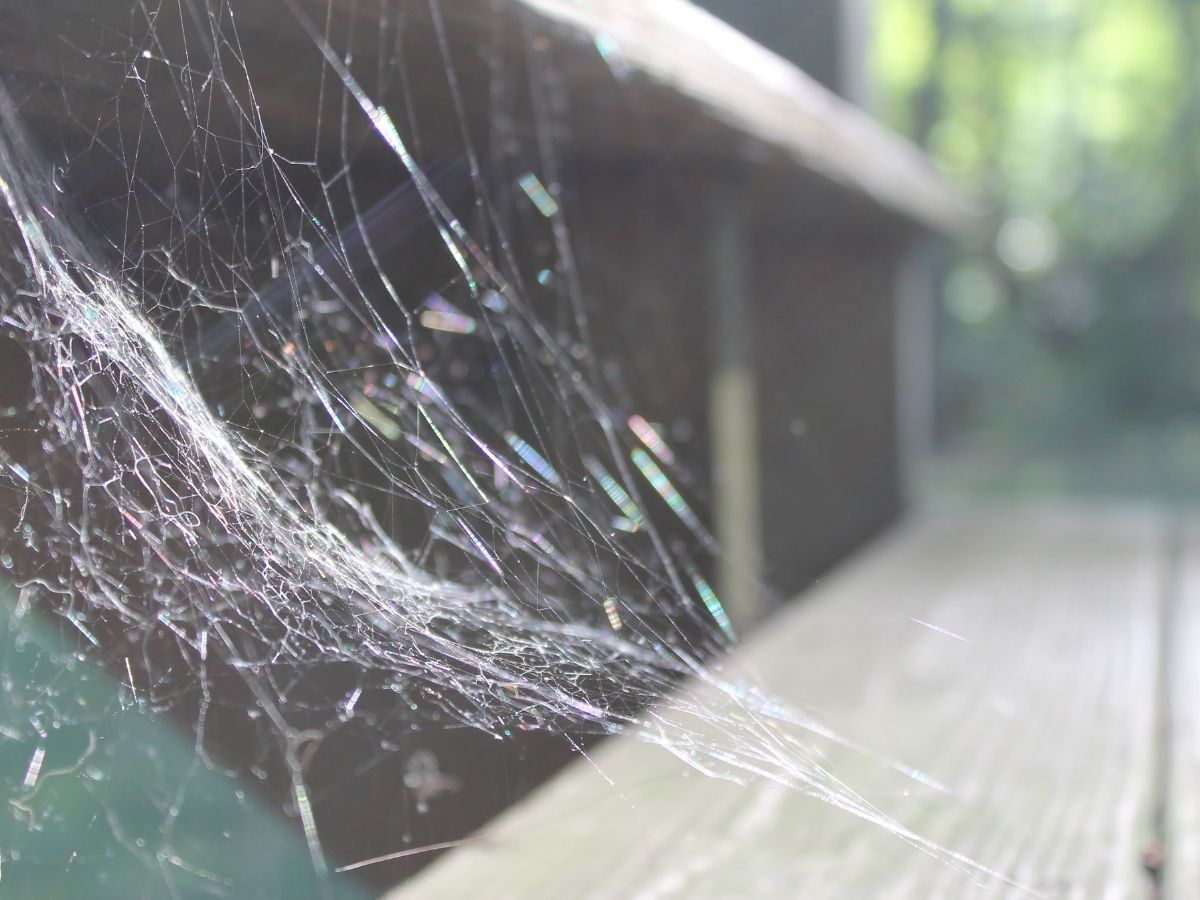
Often, you can identify a black house spider by its web long before you spot the spider itself. According to the Australian Museum, these webs resemble lacy silk sheets that extend outwards, featuring one or more funnel-shaped openings that lead back to the spider’s hiding place.
Fresh silk appears fine and is laid in a zigzag pattern. Over time, older webs become matted and messy. The Museum notes they may take on a grey, woolly appearance as the spider continually adds new layers.
Here’s what you should observe:
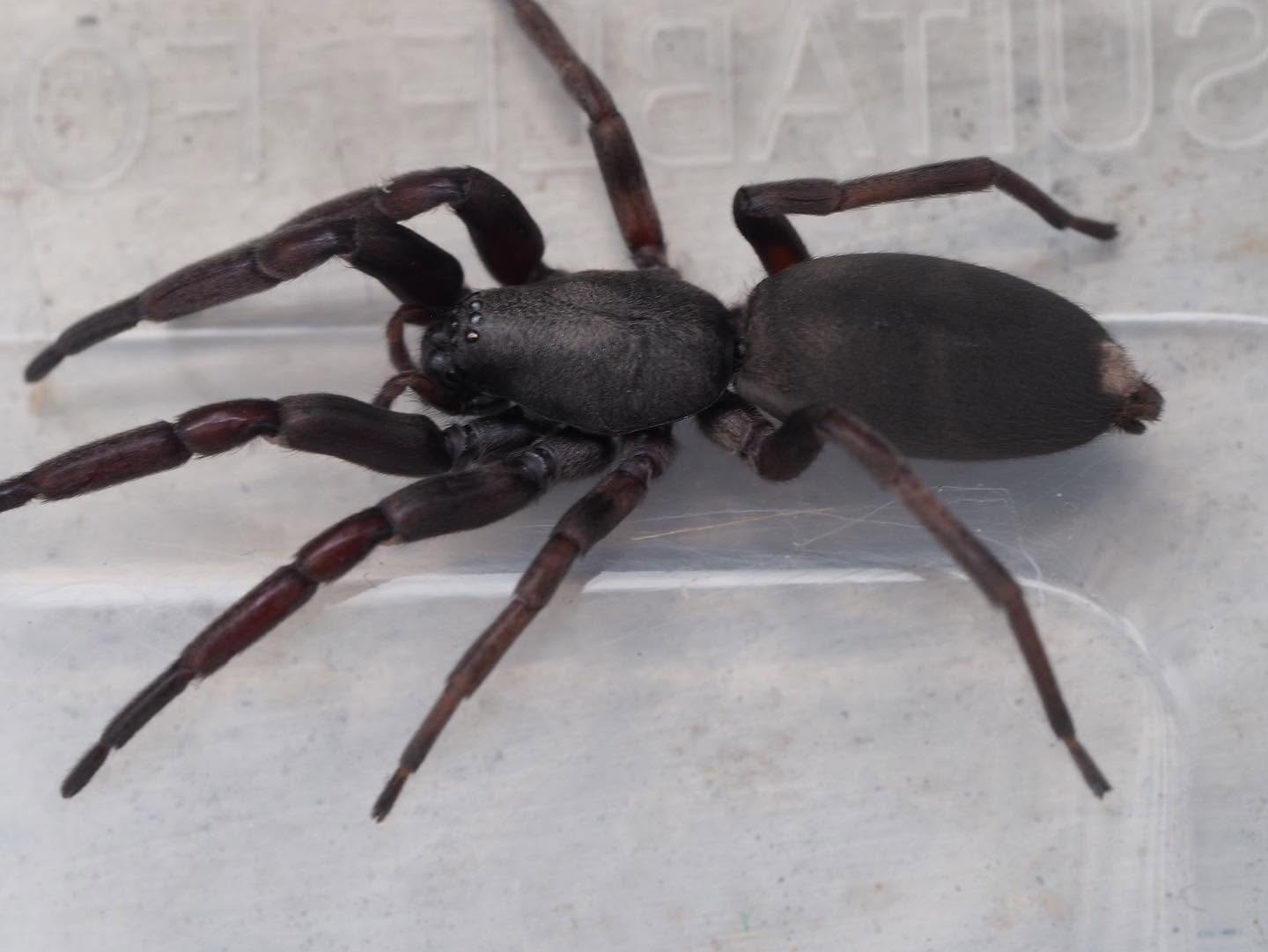
- The spider: A robust, dark spider adorned with grey hairs on its front body, dark brown to black legs, and a charcoal-grey abdomen featuring sometimes subtle white markings. Female spiders are larger than their male counterparts.
- The web: An untidy, lacy sheet with a funnel or hole at its centre, into which the spider retreats when approached.
- The location: The Museum indicates that common spots include window frames, wall crevices, tree trunks, logs, and rock walls.
- The egg sacs: White silk egg sacs hidden within the retreat, which the female spider vigilantly guards until they hatch.
In Melbourne homes, these webs frequently appear in corners of window frames, gaps in brickwork, under eaves, and along fences. If you are uncertain about what you’re observing, feel free to send us a photo for identification.
Understanding Why Removing Black House Spider Webs Is Not Enough
While brushing away the webs eliminates the silk, it often does not remove the spider itself. The Australian Museum explains that black house spiders that reach adulthood usually find a secure hiding place in deep crevices.
So, when you sweep away the web, the spider frequently remains concealed in the crack behind it. The Museum further notes that the female spider tends to stay with her web unless forcibly displaced, continually adding new layers. It’s important to remember that new silk is primarily laid at night.
This is why those webs reappear in the same location shortly after being cleared. It’s the same spider in the same crevice, producing fresh silk.
Window frames are a preferred location for black house spiders for a simple reason: they feed on insects like moths and beetles, which are attracted to the light of windows and lamps at night. The light draws in insects, which in turn provide a food source for the spiders.
This does not mean you should stop brushing away webs. The Australian Museum advises that clearing away house spider webs helps to manage the population of white tails, making it an action worth maintaining.
This is merely the first part of the solution. The return of webs in the same spots indicates that the spiders are still residing there.
Why White Tail Spiders Enter Homes: Their Hunt for Black House Spiders
White tail spiders are often found indoors as they hunt for black house spiders, their preferred prey. The Australian Museum states that during summer and autumn, white tails frequently appear in and around houses, where they discover sheltered nooks and an abundance of black house spiders to feast on.
The Museum's information on black house spiders identifies white tails as one of their natural predators. Health.vic supports this, noting that white tails often venture into our homes, searching for other spiders, including black house spiders.
While black house spiders are a primary target, they are not the only ones. The Museum has documented white tails preying on daddy long legs, redbacks, and other spiders. black house spiders on your window frames are their preferred choice, making them particularly vulnerable.
The Museum recommends capturing and removing any white tails you encounter and clearing away the webs of the house spiders they hunt. the webs indicate the location of the spiders, and the spiders are what the white tails are seeking.
For further details on white tails, including advice on what to do if you’re concerned about bites, please visit our spider control page.
Understanding White Tail Spider Activity at Night
You are likely to see white tail spiders at night because that is when they are most active. Both the Australian Museum and Health.vic note that they are primarily nocturnal, roaming around in search of other spiders to prey upon.
Unlike other spiders, they do not construct webs and wait for prey. Health.vic points out that white tails only create temporary silk retreats for moulting and laying eggs, which encourages them to keep moving. The Museum adds that specialized hairs on the ends of their legs enable them to traverse smooth or sloping surfaces, which is why they often end up on walls, ceilings, and floors.
When all these factors come together, window frames become active hubs after dark. Insects are attracted to the light, black house spiders lay new silk to capture them, and white tails venture out in search of their prey.
The result is that some of these white tails may find their way indoors.
Health.vic advises that effective spider control begins with preventing spiders from entering your home. Installing flyscreens on windows and using weather strips or draught excluders under doors can significantly reduce their chances of getting in. These measures are particularly beneficial on frequently used doors and windows.
Implementing Effective Treatment for Black House Spiders and Their Webs
The crucial step to addressing the problem is treating black house spiders where they reside, not just removing their webs. Our spider treatment involves applying a surface treatment in areas where spiders rest, allowing them to come into contact with it as they walk across.
On the exterior of your home, this means treating areas where black house spiders typically build their webs:
- Eaves and gutter lines: These sheltered spots are where spider webs first accumulate.
- Window and door frames: Treated from the outside, particularly in the corners where lacy webs form.
- Outside walls and weep holes: These are the gaps and crevices found low on the brickwork.
- Fences, pergolas, and alfresco areas: Common resting places for spiders around the yard.
- The garden and washing line area: Areas frequently traversed by family members.
By treating the spiders outside your home, you reduce the likelihood of white tails entering.
This approach is why many families with children and pets prefer an outside-only treatment. There’s no need for anyone to leave the house, and the pests are effectively managed at the entry points and weep holes.
If you’re contemplating whether to choose an outside-only treatment or an inside-and-out option, our guide on selecting between the two explains the differences. If you want to understand your home from the perspective of crawling pests, take a stroll around the exterior of your house first.
One important note for after your treatment: remnants of old webs will remain until they are either brushed down or naturally wear away. Make sure to remove what you can reach.
Optimal Timing for Booking Spider Treatments: Once or Twice Annually
Most homes in Melbourne typically receive one or two general pest treatments each year, with spider control included in these services. Scheduling your first treatment before the warmer months is advisable, as this is when spider activity peaks and webbing accumulates rapidly.
This timing aligns with the lifecycle of the spiders themselves. The Australian Museum states that black house spiders mature during summer and generally live for about two years, while white tails are most commonly observed around homes during summer and autumn.
If you notice those lacy webs returning to your window frames later in the year, or if white tails reappear in your hallway, reach out to us to discuss whether a second treatment is necessary.
You can check the costs for a general treatment based on the size of your home on our pest control prices page. When you’re ready, schedule your spider treatment with SOS Pest Control and let us know where the webs keep reappearing.
Common Queries About Black House Spiders
Are Black House Spiders a Type of Funnel-Web?
No, they are not. The funnel-shaped entrance of their webs can lead to confusion. The Australian Museum clarifies that black house spiders are not related to Australian funnel-webs and differ significantly in appearance, size, and life cycle. Health.vic mentions that black house spiders are often mistaken for funnel-webs, particularly since Sydney funnel-webs are absent from Victoria.
What Are the White Sacs Found in Black House Spider Webs?
These are egg sacs. The Australian Museum explains that the female spider creates several white silk egg sacs, secures them within her retreat, and remains with them until they hatch. The spiderlings then disperse. If you notice egg sacs on your window frames, expect more black house spiders to emerge soon.
Are Black House Spiders Harmful?
The Australian Museum describes black house spiders as generally timid, with bites being infrequent. Most people prefer not to have them around, which is understandable. For concerns regarding bites, please consult our spider control page and your doctor.
Will an Outside-Only Treatment Effectively Target Black House Spiders?
Yes, as this is where they reside. Black house spiders typically build their webs on eaves, window frames, walls, and fences, all of which are covered by an outside treatment. spiders already inside, such as those in ceiling corners or behind curtains, will require inside treatment as well, so please inform us of any indoor spider sightings when you book.
Original Article First Published At: Why White Tails Follow the Black House Spiders on Your Window Frames