

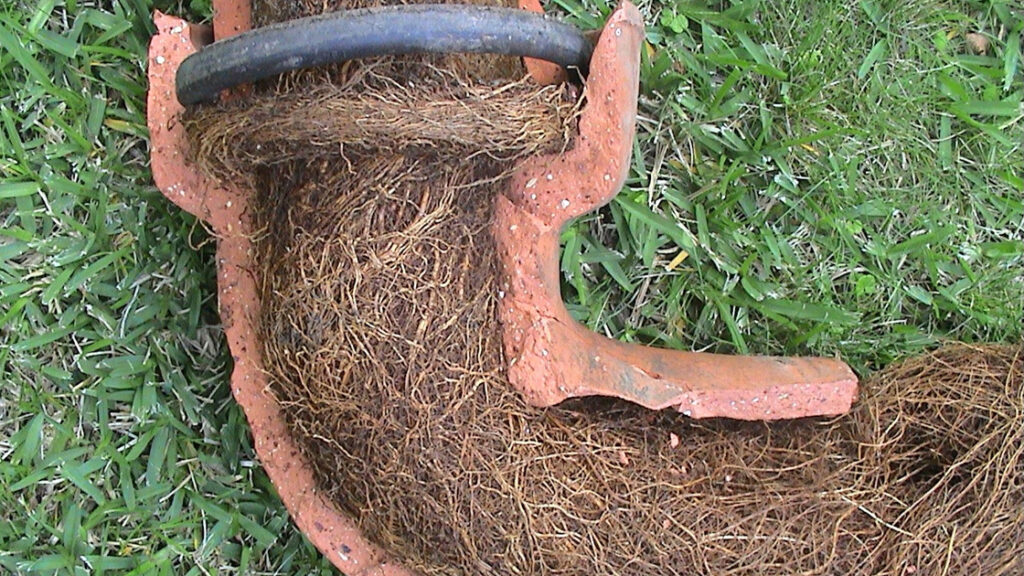
Your plumber has cleared your drain three times this year due to the persistent issue of tree roots infiltrating the pipes. Each incident has left you frustrated with the costs associated with emergency clearing. The kitchen has faced disruptions twice in six months, leading you to contemplate whether the most straightforward solution is to remove the troublesome tree. In some situations, this can be the best option. Here’s how to determine if that’s the case and what the process entails if deciding to remove the tree is the right choice for your property in Newcastle or the Hunter region.
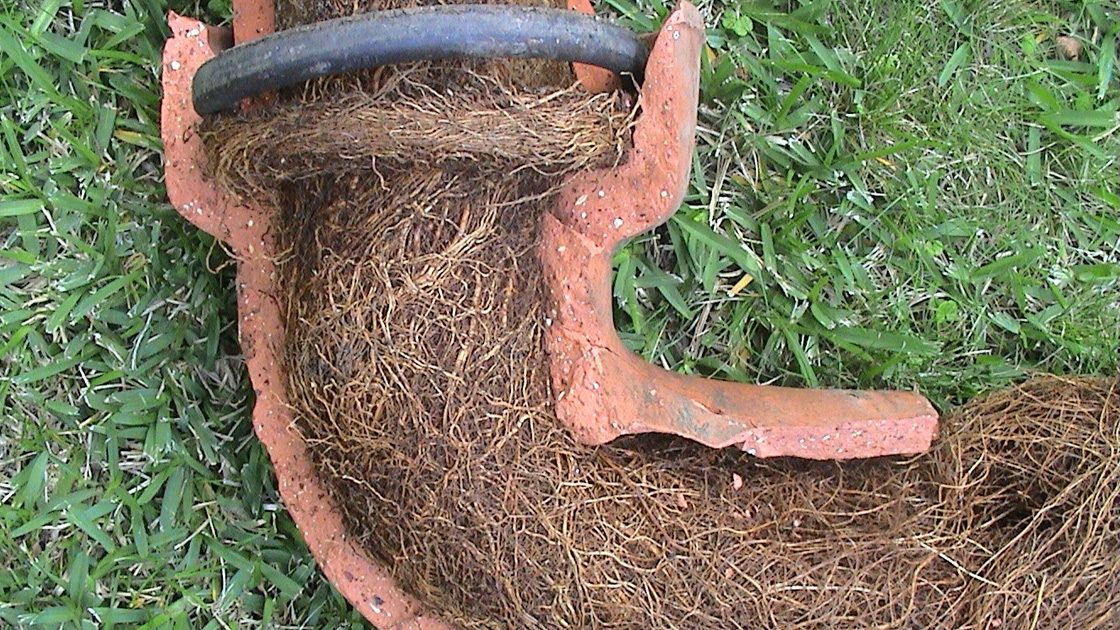
Understanding Why Tree Roots Persistently Invade Drains
The root system of a mature tree is extensive, often spanning two to three times the width of the canopy above ground. For instance, a 15-metre tree can have roots that spread 30 to 45 metres in all directions. This means your sewer line, stormwater drain, and water main are all situated within this root zone, regardless of your preferences.
While plumbers can remove roots from within the pipe and even reline it to eliminate joints that roots could penetrate, the tree remains in place, continually seeking water and driving roots toward any tiny crack in nearby pipes. You may reline one drain, only for the tree to target the stormwater pipe next or even the neighbour’s system. The plumbing work addresses the symptom, but the tree is the root cause of the ongoing problem.
Identifying Trees That Most Frequently Damage Drains in Newcastle and the Hunter
- Camphor laurel: Known for its massive and aggressive root system, this tree is common in older properties across Newcastle and the Hunter Valley, consistently topping the list for drain damage.
- Liquidambar: A favoured street tree in Newcastle, Lake Macquarie, and Cessnock, it has surface roots that are notorious for lifting paving and damaging pipes.
- Jacaranda: While aesthetically pleasing, this tree has shallow, wide-spreading roots that easily invade nearby drains.
- Willows: Found near water sources like Lake Macquarie, riverbanks, and low-lying areas, willows can wreak havoc on any pipes they reach.
- Mature eucalypts: Larger species, such as river red gum, spotted gum, and blue gum, possess deep, expansive root systems, commonly found on acreage properties from Maitland to the Watagans.
- Figs: Strangler figs, Moreton Bay figs, and Port Jackson figs will inevitably destroy pipes over time if situated close to them.
- Bottlebrush and grevillea: Although smaller than many on this list, these trees can still cause significant issues when planted directly over drain lines.
Recognising When Tree Removal is the Right Decision
- The tree is within 5 metres of the affected drain line: Roots are already in the vicinity, and any pipe work will only provide a temporary solution rather than a permanent fix.
- The same drain has experienced blockages three or more times within 18 months: This indicates an ongoing struggle between the pipe and the tree. The best course of action may be to fully reline the pipe and remove the tree, or resign yourself to continual blockages.
- The tree is causing further structural damage: Signs such as lifting pavement, cracking concrete, or pushing against foundations indicate that the drain issue could be the first signal of more extensive root damage.
- The tree has surpassed its useful lifespan: For example, a 50-year-old camphor laurel exhibiting signs of hollow limbs, dieback, or storm damage is nearing the end of its life. Removing it now can prevent future hazards, such as branches falling on your property.
- The tree species is unsuitable for its location: Some species should never have been planted near homes. If you’ve inherited a problematic tree, removal allows for the opportunity to plant a more suitable replacement.
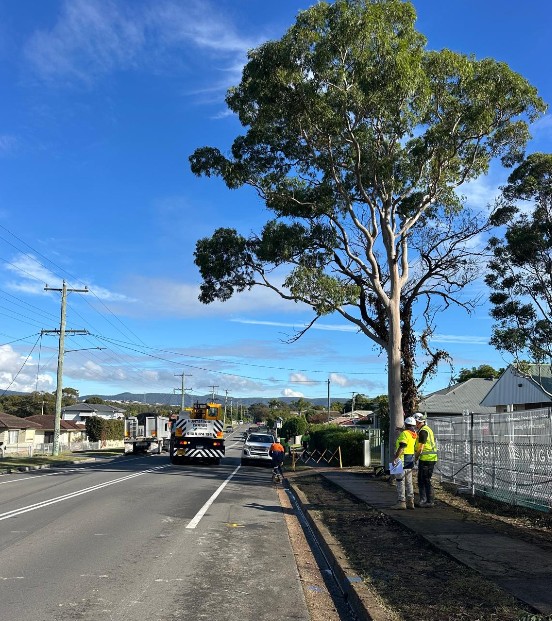
Determining When Tree Removal is Not the Solution
- The tree is healthy, mature, and well-positioned: A genuinely valuable tree on your property is not worth sacrificing over a single drainage issue. Consider relining the pipe and managing the relationship with the tree.
- The tree offers significant shade or wind protection: Removing it may severely impact your home’s comfort during summer or storms. The costs associated with replacement include the loss of shade, not just the expense of removal.
- Council protection regulations apply: Some areas in Newcastle, Lake Macquarie, and the Hunter have heritage tree registers or significant tree orders that may prohibit removal (see more details below).
- The tree is not the actual cause of the issue: In some cases, the pipe may have failed independently, or another tree or old infrastructure could be responsible. A CCTV inspection can clarify which roots are entering the drain and their exact locations.
Key Points on Council Approval for Newcastle and the Hunter Region
Each council in the Hunter area has specific tree management regulations, which tend to be stricter than many anticipate:
- Newcastle City Council: A Tree Management Permit is required for most trees over 3 metres tall or with a trunk diameter exceeding 200mm. Trees in heritage areas or designated significant trees require additional approvals.
- Lake Macquarie City Council: A Tree Preservation Order is in place—any tree over 5 metres tall, 6 metres wide in canopy, or with a trunk diameter over 300mm typically requires council consent.
- Maitland City Council: Similar protective measures based on size thresholds. Native species receive stricter protections.
- Cessnock and Singleton: Generally less restrictive but still have protection orders for significant species.
- Port Stephens: In addition to coastal vegetation protections, standard tree preservation rules apply.
Fortunately, if a tree is genuinely causing structural issues on your property, including documented drain damage, councils usually grant approval for removal. We provide the necessary documentation with your removal quote, including an arborist’s assessment of the tree’s condition and its contribution to the drain damage. This report is often crucial for securing council approval.
Understanding the Costs Associated with Tree Removal
The cost of tree removal in Newcastle and the Hunter area varies based on size, access, and the tree's surroundings. Here are the estimated price ranges for residential properties in 2026:
- Small tree (under 6 metres, with straightforward access): Starting from $450
- Medium tree (6 to 12 metres, in a standard backyard): Starting from $1,200
- Large tree (12 to 20 metres, located near structures): Starting from $2,500
- Very large or technical removals (over 20 metres, requiring a crane, with restricted access): Starting from $4,500
- Stump grinding (separate from removal): Starting from $250 for a residential stump, depending on its diameter
When compared to the recurring expense of clearing drains (starting from $450 each, three times a year totals $1,350) plus potential pipe replacement (starting from $4,500), tree removal can often pay for itself within 18 to 24 months. We advise against removal unless it’s genuinely the best solution—sometimes preserving the tree and relining the pipe is the more sensible long-term option.
The Combined Strategy — Remove the Tree and Reline the Pipe
For properties with a long-standing tree-drain conflict, the optimal solution is often a combination of both actions: removing the problematic tree and then relining the damaged sections of the pipe. This restores the pipe to better-than-new condition, eliminates root pressure, and prevents ongoing expenses related to blockages or root regrowth treatments.
Waratah Professional Tree Care collaborates closely with several Newcastle and Hunter plumbers. When we remove a problem tree, your plumber can conduct the pipe inspection and any necessary relining work within the same week. This coordinated approach ensures a seamless project with no residual damage.
Common Questions About Tree Removal and Drain Issues
Is Council Approval Necessary for Removing a Tree That is Damaging Drains in Newcastle?
Yes, for most mature trees in Newcastle, Lake Macquarie, Maitland, and surrounding local government areas. Trees exceeding the size threshold (typically between 3 to 5 metres tall or 200 to 300mm in trunk diameter) require a Tree Management Permit. If the tree is causing documented structural or drainage damage, councils generally approve removal. We include the necessary arborist’s report for the application as part of our quote.
How Close to a Drain Must a Tree Be to Cause Damage?
Trees within 5 metres of a drain line pose the highest risk for damage. Trees located within 10 metres present a moderate risk, particularly aggressive species like camphor laurel, willows, and figs. Trees over 15 metres away rarely cause direct damage unless they are very large, mature specimens with extensive root systems.
Can I Simply Cut the Roots Instead of Removing the Entire Tree?
In some cases, yes; however, this is a temporary solution and can destabilise the tree. Root cutting (or root pruning) involves the controlled removal of specific roots, often accompanied by the installation of a root barrier to prevent regrowth towards the drain. This method can be suitable for healthy trees where removal isn't warranted, but it does not address the tree's natural inclination to seek water, meaning it will likely produce new roots from other areas.
How Long Does It Typically Take to Remove a Large Tree?
For a medium suburban tree, the removal process usually takes half a day to a full day. Large trees that require controlled sectional removal, particularly those near buildings, may take one to two full days. Very large or complex removals that necessitate cranes or have restricted access can take two to three days. Keep in mind that the council permit processing period may add an additional two to four weeks before work can commence.
Will I Be Required to Replace the Tree After Removal?
Certain councils in Newcastle and the Hunter may mandate replacement planting as part of the Tree Management Permit conditions, especially if the removed tree was significant. The replacement tree is typically a smaller-growing species planted in a more suitable location. We incorporate this requirement into our quote and suggest species that will not replicate the original problem.
Is My Insurance Likely to Cover Drain Damage?
Possibly. Most home and contents insurance policies in Australia exclude gradual damage caused by tree roots but may cover sudden events. If drain damage results in flooding, water damage to the home, or sewage backflow, those consequences might be covered even if the underlying pipe damage isn't. It's advisable to consult your insurer specifically and maintain records of drain reports and CCTV findings for any claims.
Does Waratah Operate Throughout the Hunter Region?
Yes, we provide services across Newcastle, Lake Macquarie, Maitland, Cessnock, Port Stephens, and the broader Hunter Valley. You can expect the same crew, equipment, and fixed pricing, no matter where in the region your project is located.
Arrange a Comprehensive Assessment of Your Tree
Before deciding on removal, schedule a site assessment with Waratah. We will evaluate the tree, assess the drain damage, examine the surrounding property, and advise you on whether removal is truly the best option or if root pruning, barrier installation, or allowing your plumber to reline the pipe would be a wiser choice. We offer honest advice and a fixed-price quote. Contact us or call our team today.
Original Article First Published At: Tree Roots In Your Drains? Why Removing The Tree Might Be the Smarter Long-Term Fix



It’s interesting to consider the balance between maintaining our green spaces and addressing practical issues like tree roots invading our plumbing. I’ve experienced a similar situation with a large oak in my backyard, which led to repeated blockages. It’s fascinating how tree roots can be so aggressive; I’ve read that they can even sense water sources and grow towards them actively.
It’s great to hear you share your experience with the oak tree in your backyard. You’re right about tree roots having a knack for seeking out water – it’s almost like they have a radar for it! This persistence is what makes them both fascinating and occasionally problematic for homeowners.
You bring up a great point about tree roots having a kind of radar for water. It’s amazing how nature works that way. I’ve often thought of oak trees as being resilient and steadfast, yet they can sometimes create these underlying challenges for homeowners. In my experience, they can really push the boundary of where their roots want to grow. I’ve seen some neighbors struggle with this, especially when it comes to foundations or plumbing.
I can completely relate to your experience with tree roots wreaking havoc on your plumbing systems. It’s one of those frustrating issues that many homeowners face, and it often feels relentless, especially when you’re left dealing with the aftermath of costly emergency visits. Tree roots infiltrating pipes are not just an annoyance; they can lead to significant disruptions in daily life, as your two kitchen outages in six months demonstrate. It’s amazing how something that seems so innocuous as a tree can have a profound impact on the functionality of our homes.
Your examination of the persistent issue of tree roots infiltrating drains captures a dilemma that many homeowners, particularly in regions abundant with mature trees, often confront. It’s fascinating how the natural world can, at times, become an unwelcome intruder in our quest for comfort and convenience within our homes. The sheer extent of a tree’s root system, as you’ve articulated, sheds light on why these issues can become so recurrent. It’s not just about clearing the drains; it’s a battle against nature, which can feel both frustrating and overwhelming.