

Is Wearing Sunglasses Alone Sufficient for Eye Protection in Summer?
Updated 9 September 2026.
Is wearing sunglasses alone sufficient? The answer is no. Sunglasses provide protection only if they meet the Australian standards, fit snugly against your face, and are worn before glare becomes uncomfortable. To achieve optimal eye protection, combine sunglasses with shade, a wide-brimmed hat, and strategic timing.
Sunlight itself is not the enemy. The objective is not to avoid it entirely but to prevent the harmful components of sunlight from reaching your eyes on days with high UV levels—something you can verify rather than guess.
The Essential Summary of Eye Protection
- Sunglasses are essential but not comprehensive: They shield your eyes directly, but should be complemented with shade and a broad-brimmed hat.
- Focus on the label, not the tint: Look for AS/NZS 1067.2:2016 certification. The lens colour does not indicate UV blocking capability, and darker lenses do not inherently provide better protection.
- Fit enhances protection: Sunglasses that sit close to your face or wrap around your temples help minimise UV exposure from the sides.
- Children require authentic protection: Fashion sunglasses or novelty glasses do not offer adequate UV protection for children’s eyes.
- Monitor the UV index, don’t just rely on sight: Eye protection is necessary when the UV index reaches 3. This can occur even on overcast days.
All points above are sourced from Healthify. The details of our references can be found at the end of this article.
Understanding the Effects of Excessive UV Exposure on Your Eyes
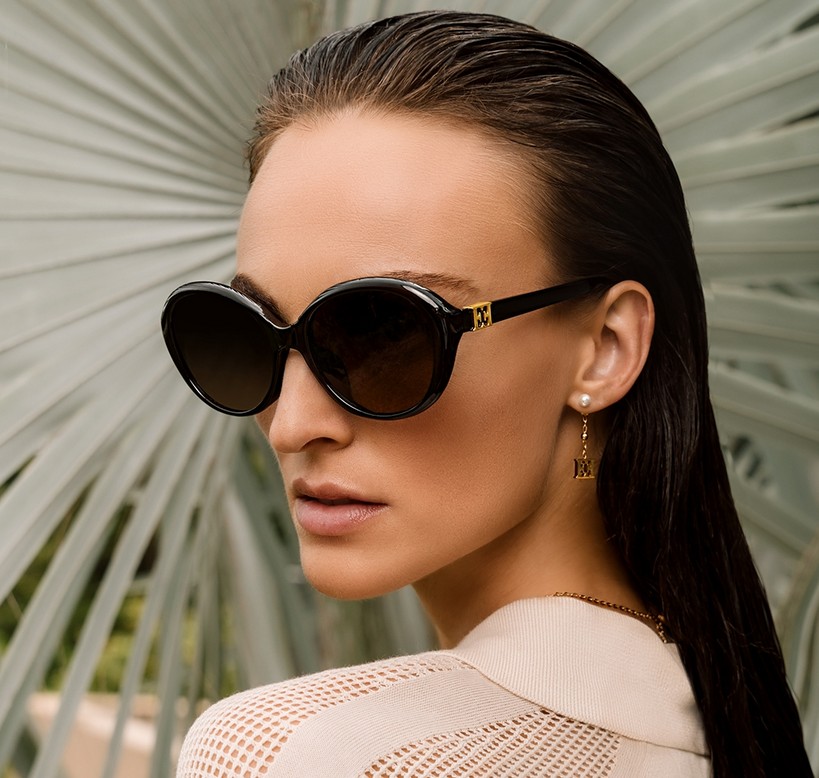
According to Healthify, a health information service from New Zealand, the impact of UV exposure on the eyes can be divided into short-term and long-term effects. It’s crucial to be aware of both. Short-term effects are those you can immediately feel, while long-term effects contribute to the reason we inquire about your sun exposure during eye examinations.
Immediate Effects of UV Exposure
Short bursts of high UV radiation can cause mild irritation, a sensation of something being in your eye, photoconjunctivitis (inflammation of the conjunctiva), and photokeratitis (inflammation of the cornea), which resembles sunburn on the eye. These symptoms can manifest immediately or develop later (Healthify).
Long-Term Consequences of UV Exposure
Chronic exposure to excessive UV radiation increases the likelihood of developing cataracts and pterygium, a fleshy growth on the eye's surface. It is also linked to cancers of the cornea and conjunctiva, basal cell carcinoma of the skin surrounding the eye, and skin wrinkling (Healthify).
We assess these changes during eye examinations. In cases where additional care is needed beyond optometry, we will refer you to an ophthalmologist.
Why Reflective Surfaces Increase UV Exposure Risk
Reflection is often overlooked when considering UV exposure. Snow can reflect between 50% and 88% of UV radiation, while sea foam reflects approximately 25% to 30%, and sand reflects about 15% (Healthify). Spending summer days on the Central Coast near water means a significant portion of your UV exposure originates from below and the sides.
This is precisely the type of UV radiation that poorly fitting sunglasses allow in.
Identifying When Eye Protection is Necessary
Eye protection becomes crucial when the UV index hits 3. This number applies even on cloudy days (Healthify). Always rely on this index rather than the brightness of the day.
You don’t need to guess the UV levels. ARPANSA operates a network of UV detectors across Australian cities, providing real-time updates every minute and indicating when the UV index will reach its daily peak at each location (ARPANSA).
Key Features of Truly Protective Sunglasses
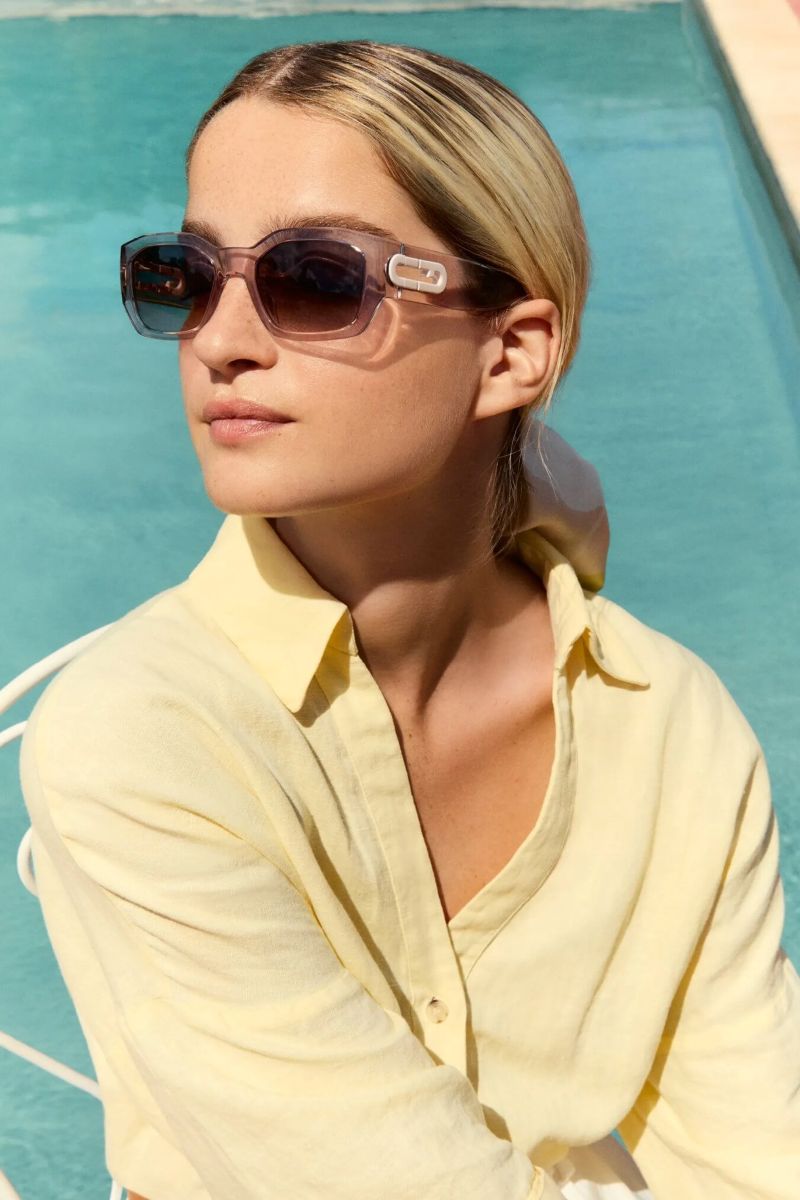
Three key factors determine the efficacy of sunglasses, with the first being the label rather than the appearance of the frame.
- The required standard: Opt for sunglasses that comply with the Australian and New Zealand Standard for sunglasses and fashion spectacles, AS/NZS 1067.2:2016. Always check the label or ask the retailer. This standard is mandatory in Australia and voluntary in New Zealand (Healthify).
- Lens colour is not an indicator: The tint of the lens does not reflect its UV blocking ability, and darker lenses do not necessarily guarantee better protection (Healthify). Choose a lens tint for comfort and contrast, and verify the protection level through the label.
- Proper fit is crucial: Sunglasses should be comfortable, not distort your vision, and fit closely to your face or wrap around your temples to maximise protection against UV exposure from the sides (Healthify).
Do Inexpensive Sunglasses Provide Adequate Protection?
Price is not the best indicator of protection. The label is what matters. A reasonably priced pair that complies with AS/NZS 1067.2:2016 is reliable, while an unlabelled pair is a gamble regardless of the cost.
One specific category has a definitive answer. Children’s fashion glasses and toy glasses should never be used for UV protection, as they do not provide sufficient safety (Healthify).
Style considerations and protection are separate issues, and the label determines the latter. If you’re exploring this summer’s sunglasses trends, remember that the standard still applies.
Options for Prescription Glass Wearers
If you wear prescription glasses, you have four viable options (Healthify).
- UV-treated lenses: Have your lenses treated with UV protection during the manufacturing process.
- Photochromic lenses: Clear indoors but darken in sunlight, allowing one pair to serve both purposes.
- Prescription sunglasses: A dedicated pair tailored to your prescription.
- Over-the-glasses sunglasses: Sunglasses designed to fit comfortably over your existing glasses.
If you wear contact lenses, a standard pair of sunglasses without prescription is adequate for protection.
Ensuring Children’s Sunglasses Meet Protection Standards
Sunglasses designed for children are available, but two key criteria must be met: they must comply with UV protection standards and fit securely (Healthify). Fashion glasses and toy sunglasses fall short of these requirements (Healthify).
Both criteria are essential. If sunglasses do not fit securely on a child’s face, they cannot offer proper protection, regardless of the label. We can evaluate the fit during a child’s optometry appointment.
Limitations of Sunglasses in Eye Protection
Sunglasses primarily address the light entering your eyes. A hat blocks light from above, while shade offers comprehensive protection.
Healthify recommends a hat with a brim of at least 7 cm, crafted from fabric with an ultraviolet protection factor of 50 or above in a tight knit, ideally light in colour on the outside with a darker underside to reduce reflection. Staying indoors during peak sunlight hours provides additional protection, and you can consult the ARPANSA chart for local timings.
Scheduling an Eye Examination: When to Act
If you observe any changes in your vision, schedule an eye examination promptly (Healthify). This also applies if your eyes remain red, gritty, or sensitive to light after prolonged outdoor exposure, or if you notice any growth on the white of your eye.
A thorough eye examination will also help identify long-term changes mentioned earlier.
You can arrange an appointment online. We are located in Kincumber and welcome patients from all over the Central Coast.
Common Inquiries Regarding Eye Protection
Is it Sufficient to Rely Solely on Sunglasses for Eye Protection in Summer?
No, it is not enough on its own. Sunglasses that comply with AS/NZS 1067.2:2016 and fit closely to your face provide direct eye protection, but they should always be paired with shade and a wide-brimmed hat (Healthify).
Do Darker Lenses Offer Greater UV Protection?
No, the lens colour does not indicate its UV blocking capacity, and darker lenses do not always provide superior protection. Check for the AS/NZS 1067.2:2016 label instead (Healthify).
At What UV Index Level is Eye Protection Required?
Eye protection is necessary when the UV index reaches 3 or higher, including on cloudy days (Healthify). ARPANSA provides real-time UV index readings for various measurement sites across Australia, detailing when the index will reach its daily peak (ARPANSA).
Are Toy Sunglasses Adequate for Protecting a Child's Eyes?
No, children’s fashion glasses and toy sunglasses do not provide sufficient UV protection. Ensure that a child’s sunglasses meet the UV protection standard and fit securely (Healthify).
Can I Wear Sunglasses Over My Prescription Glasses?
Yes, wearing specially designed sunglasses over prescription glasses is one of four available options, along with UV-treated lenses, photochromic lenses, and prescription sunglasses (Healthify).
References
- Australian Radiation Protection and Nuclear Safety Agency, Ultraviolet Radiation Index. Retrieved 9 September 2026.
- Healthify, Eye Protection In The Sun. Retrieved 9 September 2026.
By Dr Nick Altuneg
Original Article First Published At: Is Wearing Sunglasses Alone Sufficient for Eye Protection in Summer?