
Is Concrete Pumping or Barrowing Better for Civil Projects?
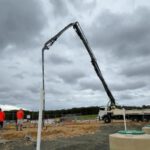
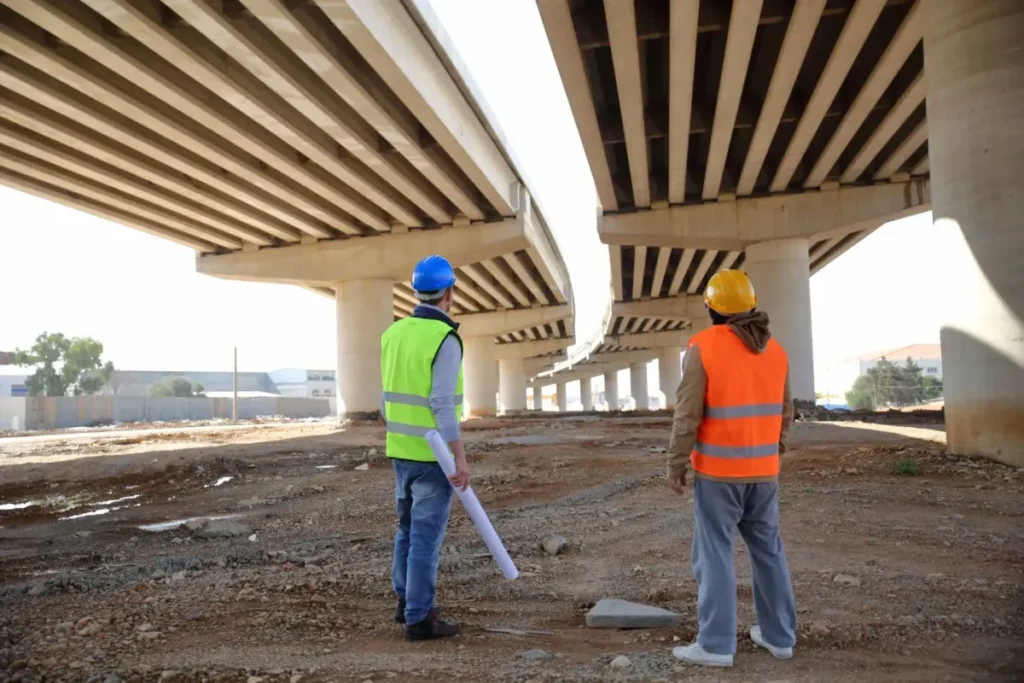
Pumping concrete delivers the mix directly from the agitator truck into the formwork, allowing your crew to focus on placement and finishing rather than hauling materials. This technique is particularly advantageous for bridge decks, retaining walls, culverts, and road barriers, as it reduces the need for manual barrow handling, ensures a continuous pour, and minimises the risk of cold joints.
Key Benefits of Concrete Pumping
- Pumping eliminates the need for manual barrowing, allowing your labour force to focus on placing and finishing tasks.
- The main advantage is a continuous pour, which reduces stoppages and the risk of cold joints.
- A boom pump provides reach over obstacles, while a line pump offers access in areas where a boom cannot be positioned.
- Effective setup is crucial for a civil pour to avoid wasting valuable morning hours; ensure access, ground conditions, and washout areas are sorted beforehand.
- We supply the pump along with an experienced operator. Each site has unique requirements, so contact us for a tailored quote.
How Concrete Pumping Optimises Your Workflow
Concrete pumping removes the need for transporting materials via barrows. Instead of relying on a chain of workers moving between the agitator truck and the formwork, the concrete flows directly through a hose to the designated area. This shift allows your team to focus on spreading, screeding, vibrating, and finishing while the pour remains seamless.
Reduced Need for Manual Barrowing
Barrowing can become a logistical challenge, especially over longer distances. The farther the mix has to travel from the truck to the form, the more workers are required simply to keep the flow going, which does not contribute to the overall finish quality. By employing a pump, the same team can manage a larger pour without compromising their effectiveness. A crew exhausted from pushing barrows all morning may not perform at their best when it’s time to screed the final sections.
Continuous Pouring for Quality Results
A pour conducted with barrows is limited by the slowest worker in the chain. When the pace drops, and one layer begins to set before the next arrives, cold joints can form. This issue is critical on structures like bridge decks and retaining walls, where the aesthetic and structural integrity are at stake. A concrete pump ensures the mix is delivered at a consistent rate, maintaining a steady flow throughout the pour.
Minimising Disturbance to Completed Work
Each trip made by a barrow can disrupt the work that has already been completed. This includes potential damage from wheels on sensitive surfaces, such as planks over mesh, ruts in prepared subgrades, or dislodged chairs from reinforcement cages. Concrete pumping helps to keep this kind of traffic to a minimum, preserving the quality of your work.
When Is Barrowing Still Acceptable?
Barrowing may still be appropriate in situations involving small volumes, short distances, and flat terrain where the truck can back up close to the formwork. If the concrete can be tipped directly into the form in one go, pumping may not be necessary. if the terrain becomes challenging or the volume increases, that's when the benefits of pumping become clear.
Choosing Between a Boom Pump and a Line Pump for Civil Projects
The choice between a boom pump and a line pump often hinges on reach versus accessibility. A boom pump can deliver concrete over obstacles from a single setup, while a line pump pushes the mix through hoses along the ground to reach areas inaccessible to a boom. Most sites will reveal the answer once you assess the location of the truck and any obstructions in between.
Advantages of Using a Boom Pump
Boom pumps excel at delivering concrete over barriers or obstacles. Applications include bridge forms, deep excavations, retaining walls, and situations where crossing a live lane is not permitted. One setup allows the operator to place the mix directly into the form, covering a wider area efficiently.
A boom pump requires specific conditions: stable, level ground for the outriggers, sufficient clearance for movement, and unobstructed airspace above. Overhead powerlines may prevent the use of a boom in certain locations, so it’s essential to flag these issues when booking, not just on the day of the pour.
When to Opt for a Line Pump
Line pumps are ideal for scenarios with low headroom and long, narrow paths. Applications may include drainage channels, culverts, footings, and kerb work, as well as pours conducted under decks or within structures. While laying out the hose takes longer than setting up a boom, it is often the only option for reaching tight spaces.
What to Do When Access is Extremely Limited
In situations such as rail corridors, narrow trenches between existing structures, or working within a live facility, full-sized equipment may not be feasible. This is where small or tight-access pumps come into play. Provide us with the dimensions of the space, and we’ll advise you on what equipment will fit.
Avoiding Delays During Civil Pour Set-Up
The actual pumping process is rarely the slowest part of a job. Delays often stem from poorly chosen setup locations: soft ground under outriggers, unconfirmed washout points, lack of traffic control, or a poorly planned hose route can all lead to downtime while trucks are idling.
Consider these factors in advance:
- Ground Conditions for the Setup: Ensure outriggers have a firm and level surface. Watch for backfilled trenches, service pits, and soft areas.
- Overhead Services: Identify any powerlines that may restrict boom positioning.
- Exclusion Zones: No personnel should be under the boom during placement, which requires careful integration into your traffic management plan on live sites.
- Truck Positioning: Determine where the agitator truck will be positioned and ensure there’s space for subsequent trucks to access.
- Washout Area: Agree on a designated washout location beforehand, ensuring it’s not near a drain, creek, or other sensitive areas.
Preparing for the Arrival of the First Truck
Many delays during civil pours can be prevented with proper preparation the day before.
- Confirm the access route and setup position with someone on site.
- Ensure formwork, reinforcement, and inspections are signed off, rather than relying on vague assurances.
- Calculate your concrete volume. Refer to our guide on estimating concrete volumes for assistance.
- Discuss mix specifications, slump, and delivery intervals with your batching plant.
- Have water available on site for priming and washout purposes.
- Prepare traffic control and exclusion zones in advance, not on the day of the pour.
- Send through site induction and paperwork prior to arrival, avoiding delays while trucks are queued.
- Ensure a sufficient crew is designated for handling the hose and finishing the pour.
Common Civil Applications for Our Pumping Services
We specialise in pumping for civil and infrastructure projects across Newcastle and the Hunter Valley, from Maitland to Tea Gardens. Typical applications include:
- Bridge abutments and decks
- Retaining walls and excavation sites
- Slipform road barriers
- Culverts and drainage channels
- Traffic islands, footpaths, and ramps
- Concrete slabs for substations and water management assets
Collaborating with Our Experienced Team
All our pump rentals include a qualified operator, relieving you from the task of finding someone to operate it. Your crew will handle placement and finishing, while we take care of the pump, the line, and the washout process. If you require a hoseman or spotter, please request this when you make your booking.
Civil pours often necessitate early starts to avoid heat and traffic; we coordinate these arrangements with you ahead of time so that the pump is ready when your first truck arrives.
Pricing varies depending on the pump type, volume of concrete, access conditions, and time required on site. Share the details of your job with us for a tailored quote. Call 0419 252 930 or send us your requirements.
Answers to Common Questions
Which civil projects benefit most from concrete pumping?
The key factor is what stands between the truck and the formwork. Height, depth, barriers, or live lanes all favour pumping. If the truck can nearly tip directly into the form, it may not be necessary. Please describe site access when you contact us.
Is an operator included with the pump?
Yes. Operating the pump is our responsibility, freeing you from that burden. you will still need enough personnel on-site for handling the hose and finishing the work. Provide us with the pour size when you book.
How do I decide between a boom or line pump?
If you need to work over an obstacle, choose a boom pump. If access requires going through or beneath something, opt for a line pump. Send us your site layout, including where the truck can be positioned and any obstacles, and we’ll recommend the appropriate pump.
What is the earliest you can start?
Early starts are common for civil projects, and we will schedule these when you book. We’re not an emergency service, so the sooner you confirm the date and start time, the easier it is to ensure the pump is ready before your first truck arrives.
How much will it cost?
We provide quotes for each job rather than a general figure, as every civil pour is unique. Call us with the volume, site address, and your pour staging preferences, and we’ll discuss the details over the phone.
Do you operate outside Newcastle and the Hunter Valley?
Our standard service area includes Newcastle, Maitland, the Hunter Valley, and Port Stephens, but we can consider projects further afield with adequate notice. Travel costs are discussed upfront when we provide a quote to avoid surprises later.
The Essential Takeaway
Civil sites can incur losses not from pumping but from disrupted pours, excessive labour, and last-minute setup issues. Concrete pumping effectively addresses the first two concerns, while a thorough pre-pour walkthrough resolves the third. Determine the right pump for the job, confirm access and washout details in advance, and the pouring process will become the most straightforward aspect of your project.
Concrete Hire Hunter Valley
Original Article First Published At: How Concrete Pumping Saves Time and Labour on Civil Sites