

If you reside on acreage in Upper Caboolture, Wamuran, or any area not connected to the town sewer, your property manages its own wastewater on-site. When it's time to install or replace your system, you typically face two primary choices: a traditional septic tank or an aerated wastewater treatment system (AWTS).
For most modern acreage properties in this region, an AWTS presents itself as the superior choice. Due to the heavy clay soils prevalent around Caboolture, the required site and soil evaluation report often eliminates the option of a standard septic absorption trench. AWTS has become the recommended solution in this area. Here’s a thorough comparison to help you understand the reasons behind this preference.
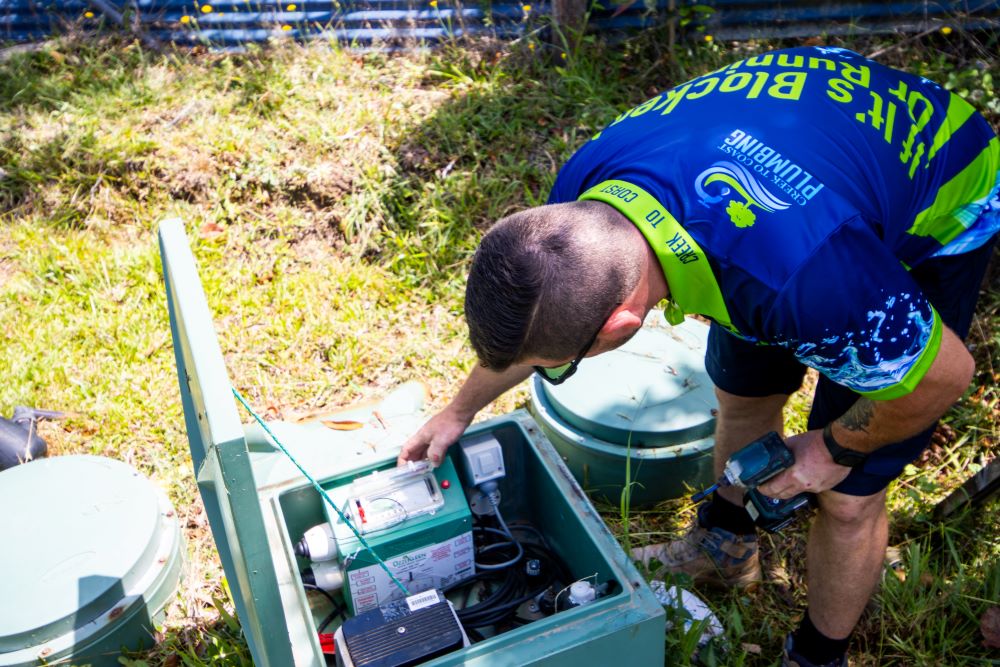
Understanding the Functionality of a Traditional Septic Tank
A septic tank employs older, simpler technology. Wastewater enters the tank, where solids settle at the bottom, and anaerobic bacteria break them down without oxygen. The partially treated liquid then flows into a trench or absorption field, where it infiltrates the ground.
While this system is functional, its treatment is basic. The effluent discharged from a septic tank is only partially treated, necessitating disposal below ground in a trench, as it is not clean enough for other uses. The system relies entirely on the soil's capacity to absorb this effluent, which poses significant challenges in the heavy clay soils typical of the Caboolture area.
The Operation of an Aerated Wastewater Treatment System (AWTS)
An AWTS processes the same wastewater through multiple stages while actively introducing air into the system. This oxygen supports aerobic bacteria that effectively break down waste more thoroughly. Following this, the treated water is disinfected, often using chlorine, before being released from the system.
The outcome is a much higher quality effluent. This treated water is sufficiently clean for reuse above ground through subsurface or low-pressure irrigation, allowing you to water your gardens and lawns rather than simply allowing it to drain away in a trench. The treatment stages typically include:
- Primary chamber: Solids settle and initiate breakdown, similar to a septic tank.
- Aeration chamber: Air is pumped in, nourishing the aerobic bacteria that perform the main treatment.
- Clarifying chamber: Remaining solids settle out from the now well-treated water.
- Disinfection: The treated water undergoes disinfection before being discharged for irrigation.
Reasons Why AWTS is the Optimal Choice for Acreage in Caboolture
- Effective in Clay Soil. A septic trench requires soil that drains effectively. Much of the land around Caboolture consists of heavy clay that does not absorb effluent adequately. septic trenches often struggle, become waterlogged, and can even surface. An AWTS distributes treated water over a larger area and does not depend on the ground to absorb partially treated effluent.
- Council Regulations are Shifting. For many new installations and replacements, the Moreton Bay Regional Council will only endorse a secondary-treatment system like an AWTS, especially where soil conditions or block size render a septic trench unsuitable. In many instances, the decision has been made for you.
- Water Reuse Benefits. Instead of letting wastewater disappear into a trench, an AWTS converts it into irrigation for your gardens, providing genuine utility on a larger block, especially during dry periods.
- Environmentally Friendly and Neighbourly. Properly treated, disinfected effluent poses far less of a contamination risk to groundwater, dams, and waterways compared to partially treated septic discharge.
- Reduced Land Footprint. Because the water is treated to a higher standard, the disposal area can be smaller than that required for a full septic absorption trench, which is beneficial when available land is limited.
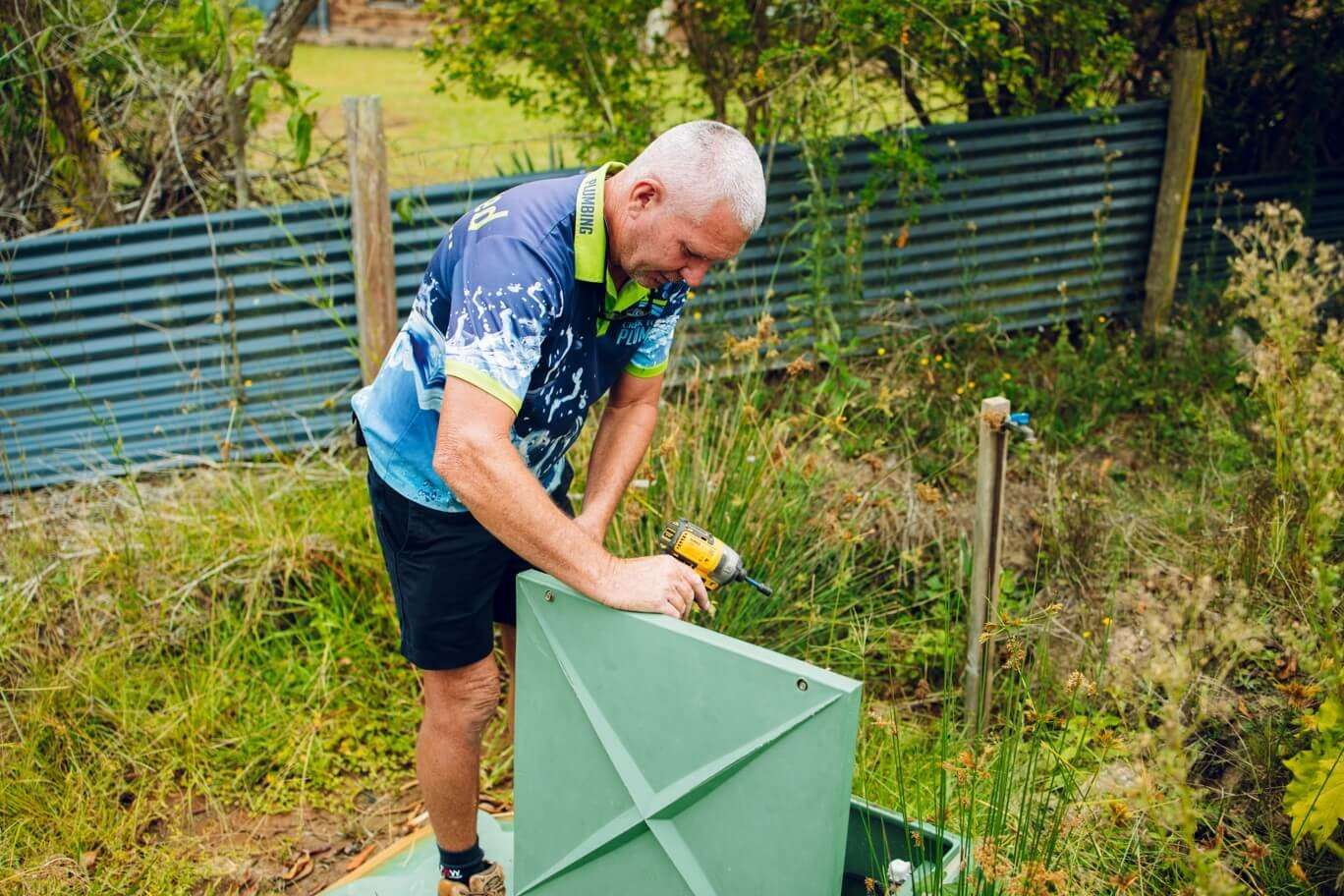
Maintenance Considerations: The Trade-off of AWTS
An AWTS is not maintenance-free, and it’s important to acknowledge this reality. The system contains an air pump and various moving parts, and according to Queensland regulations, it must be serviced quarterly by a licensed technician. This requirement is not optional; the council must review your service records.
Conversely, a septic tank lacks a pump and requires significantly less attention, typically needing only periodic pump-outs of solids every few years. If you’re assessing systems based solely on maintenance, the septic tank seems simpler. this simplicity comes with drawbacks, including inferior treatment, trench issues in clay, and potential council approval complications. For many acreage owners in this region, the quarterly service for an AWTS is a reasonable investment for a reliable system that meets compliance standards.
Cost Insights: What to Expect
Generally, installing an AWTS is a larger financial commitment than a basic septic system. This is especially true when factoring in the treatment unit, pump, irrigation field, and any site modifications such as mounds or pump-to-sewer arrangements. these figures can vary greatly based on your specific circumstances. The actual cost will depend on your soil type, block size, the required system capacity for your household, the disposal area, and site accessibility, as every property presents unique challenges.
Given the numerous variables involved, it is impractical to provide a flat price. We assess your property and its council requirements initially, then offer you an accurate quote with no hidden fees. To schedule a wastewater system assessment, call 1300 793 962 or contact us today.
Common Inquiries Regarding AWTS
Is it Possible to Replace My Old Septic Tank with Another Septic Tank?
Not necessarily. When replacing a failed system, the council evaluates it as a new installation against current standards. In many Caboolture-area properties, particularly those with clay soils or smaller acreage, a secondary-treatment system like an AWTS may be required instead of approving a direct replacement septic trench. We review the council requirements for your specific property before making any recommendations.
What is the Frequency of AWTS Servicing?
An AWTS requires servicing quarterly, which amounts to four times a year, by a licensed service technician. This is a legal obligation in Queensland, and the council may request to see your service records. Each service involves checking the pump, air supply, disinfection processes, and overall system functionality. We can manage your quarterly servicing to ensure compliance without the need for you to keep track of it.
What Are the Consequences of Failing to Service My AWTS?
Neglecting service can lead to two significant issues. First, the system will fail to treat the water effectively, as the aerobic bacteria require the air pump to function. A neglected AWTS may discharge inadequately treated effluent, posing health and environmental risks. Second, failing to service your system is a violation of your council approval conditions, potentially leading to compliance action. Regular servicing prevents both problems and ensures the system operates throughout its intended lifespan.
Can the Treated Water Be Used on My Garden?
Absolutely, and this is one of the primary benefits of an AWTS. The treated, disinfected water is released through subsurface or low-pressure irrigation across a designated area of your property, effectively watering your lawn and gardens. it is not suitable for drinking or edible crops, and the irrigation area must comply with council setback regulations. This system allows you to utilise your wastewater rather than losing it down a trench.
What is the Lifespan of an AWTS?
The tank itself can last for decades. the pump and mechanical components experience wear over time and are checked and replaced during regular servicing, emphasising the importance of quarterly maintenance. A well-maintained AWTS operates reliably for many years, while neglecting it can lead to premature failure.
Original Article First Published At: Septic Tank vs AWTS: Why AWTS Is the Better Option for Caboolture Acreage