
In Sydney, the typical cost for pipe relining ranges from $400 to $1,000 per metre for inversion or drag-in relining techniques. For the initial metre of patch relining, the cost is between $3,000 and $3,500, with a lower rate applied for subsequent metres. The final price is influenced by factors such as pipe size, chosen method, accessibility, and the number of junctions that need to be reinstated. This is why a precise quote is only available after a comprehensive CCTV inspection has been conducted.
Why Is There No Standard Price Per Metre for Pipe Relining?
Even a small job necessitates a full crew, a fully stocked vehicle, and the same equipment as a larger project. costs do not decrease linearly with shorter pipe lengths. Most relining companies implement a minimum charge irrespective of the length of pipe being relined. For shorter runs, typically under three metres, patch relining often proves to be more cost-effective than installing a complete liner. Pricing for patch relining is based on the number of patches rather than length, with the first patch priced higher due to setup and mobilisation costs, while subsequent patches are charged at a lower rate.
What Factors Influence the Cost of Your Pipe Relining?
- Pipe Diameter: We provide relining services for pipes ranging from small 32mm domestic lines to larger stormwater and sewer mains. Larger diameters require additional resin and liner material, impacting the per-metre cost.
- Length of the Pipe: Generally, the more metres relined in a single visit, the lower the cost per metre. A five-metre reline and a fifty-metre reline will have different pricing, even at the same rate per metre, as the fixed costs for crew and equipment are distributed over a larger volume of work.
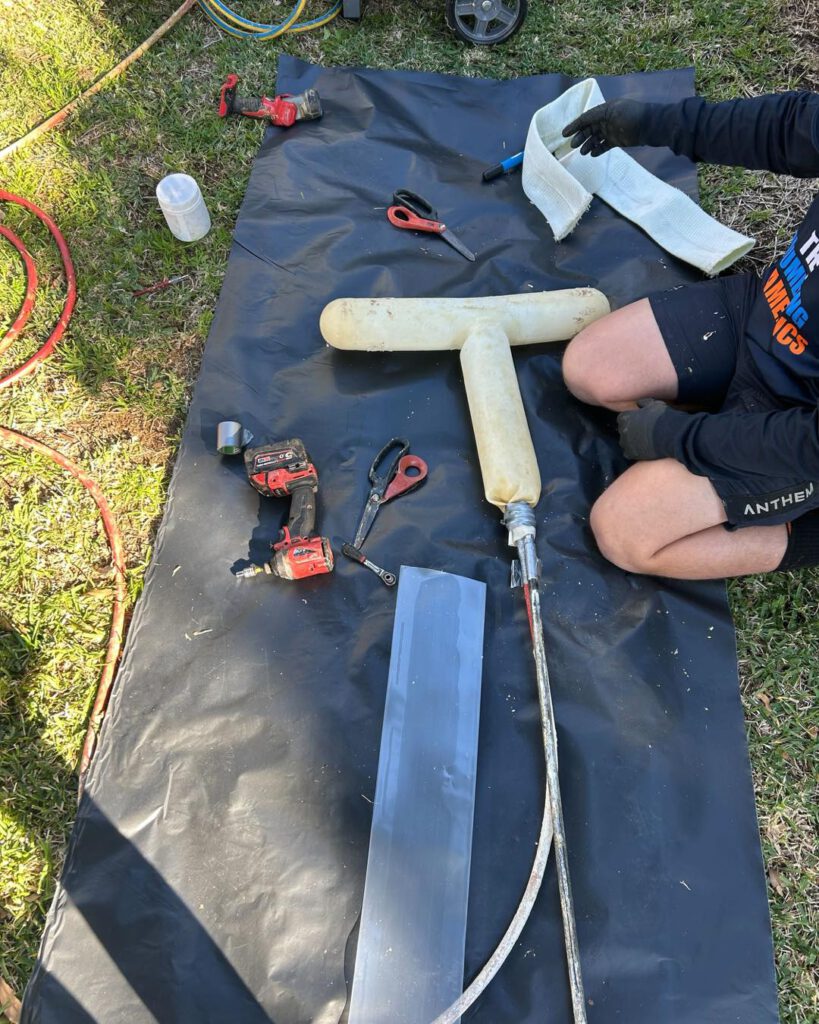
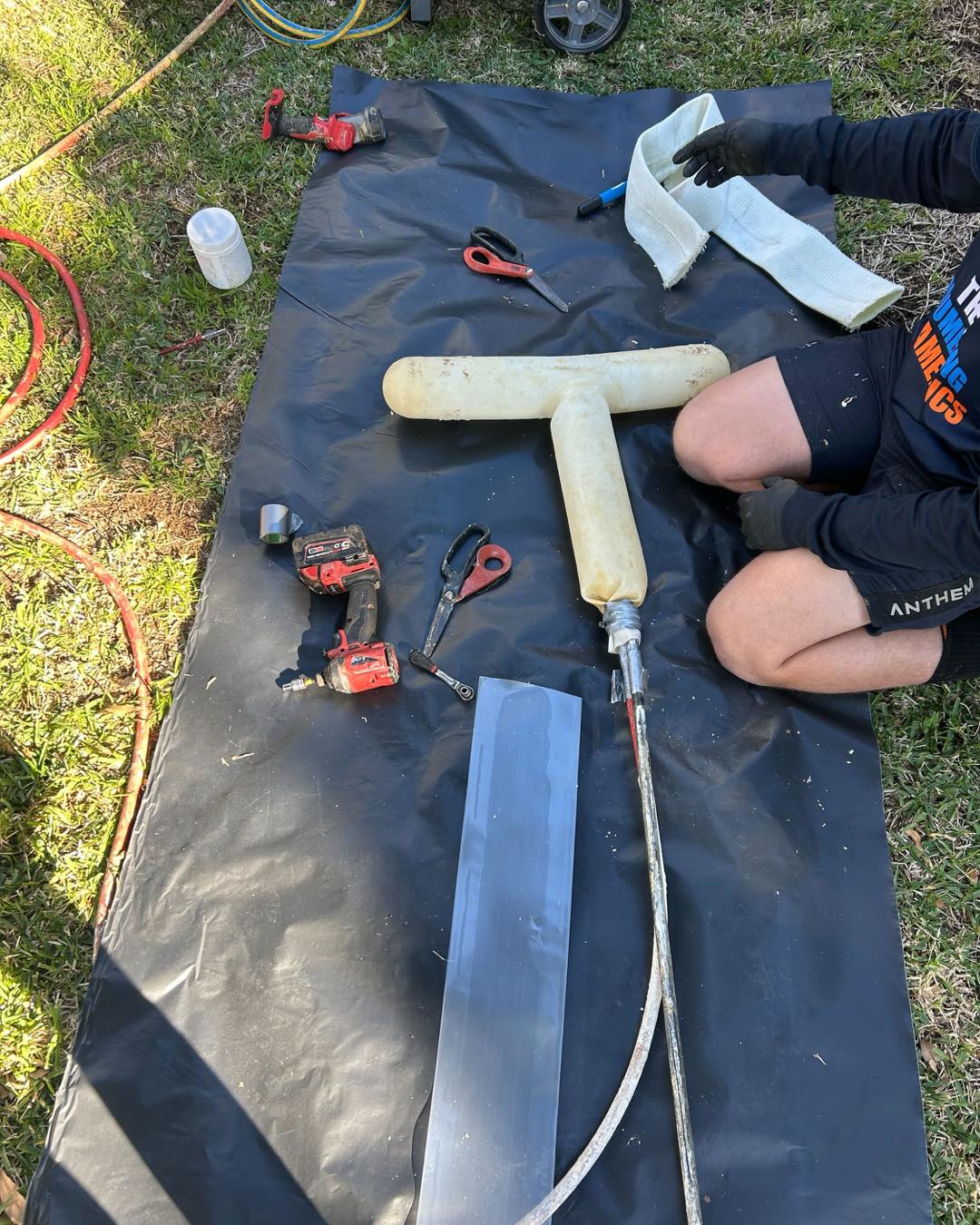
- Method of Relining: Inversion is the preferred method for continuous runs exceeding three metres. This technique involves pulling the liner into the pipe using an inversion drum, allowing the resin to bond directly to the existing pipe, effectively sealing joints and cracks. Drag-in is suitable for shorter runs where both ends of the pipe are accessible. It entails pulling a resin-soaked liner through the pipe, inflating it, and curing it with UV light. This method is particularly useful when excavation is not feasible, and precise placement is critical. Patch relining targets specific damaged areas instead of the entire length of the pipe, making it a sensible option when the remainder of the pipeline is in good condition.
- Junctions: Any junction that the liner crosses during installation must be cut open and reconnected post-lining. If tree roots have infiltrated these junctions, Australian Standards mandate that a patch be installed, making this a legal requirement rather than a discretionary choice for plumbers. Companies offering lower quotes may overlook the necessity of junction patches, which can lead to tree roots re-entering the drain within a year or two.
- Access Issues: Pipes located beneath driveways, pools, retaining walls, or several storeys within commercial buildings require more time and equipment to access compared to those situated under open lawns with easy access.
- Condition of the Existing Pipe: Pipes filled with tree roots or silt require high-pressure water jetting for clearance before relining can occur, extending the job duration. If a pipe has collapsed, it cannot be relined and must be excavated instead.
- Location: Transporting heavy relining equipment to the job site adds to the cost. A job located in a basement of a large building, where the equipment must be manually carried, involves significantly more time and personnel than a straightforward task in a residential front yard.
Is Selecting the Cheapest Quote a Wise Decision?
Not necessarily. If one quote is significantly lower than others, it’s essential to investigate the reason behind this before making a decision. The price difference often relates to the job's scope rather than the efficiency of the service.
A lower price may indicate that fewer metres have been accounted for, that a different method has been used without clear communication, or that junction patches and affected branch lines have been excluded from the job entirely.
To make an informed comparison, ensure that each quote covers the same length of pipe, the same method, and the same level of work, rather than simply opting for the lowest figure.
Be Cautious of High-Pressure Sales Techniques
Some companies advertise low call-out prices to attract customers, only to present a much higher figure once on site, often claiming that the pipe is at immediate risk of collapse and requires urgent repair.
If you are ever pressured to sign a contract or pay a substantial deposit on the spot without the opportunity to seek a second opinion or obtain another quote, consider this a red flag. A legitimate CCTV inspection should be available for you to review personally, ideally showing footage of your property rather than just a verbal account of the findings.
Key Questions to Ask Before Accepting a Quote
Are there tree roots near the junctions, and are junction patches included in the quoted price?
Are the branch lines connected to the main pipe affected by roots, and will they be addressed in this reline or scheduled for a subsequent visit?
What warranty is provided for the relined sections, and can you obtain this in writing?
Is the relining method going to be inversion, drag-in, or patch, and what is the rationale behind using this particular method for your pipe?
A confident plumber will readily answer all these questions without any hesitation.
When Is Relining the Most Appropriate Solution?
Relining is not always the best choice. If your damaged pipe is located under open lawn with good soil conditions and no significant tree roots nearby, excavation and replacement may prove to be the more cost-effective solution. Relining justifies its higher initial expense when the pipe runs beneath a driveway, a concrete slab, a pool, a heritage tree, or any area where disturbance is undesirable. It is also the preferred option when the work must be completed swiftly with minimal disruption to your home or strata property.
Obtain a Precise Quote for Your Drainage Needs
To receive a confirmed price instead of a rough estimate, a CCTV drain inspection is essential. This inspection reveals the pipe's condition, length, diameter, and junctions prior to any quote being generated.
We proudly serve locations including Rouse Hill, Kellyville, Castle Hill, Baulkham Hills, Bella Vista, Schofields, Marsden Park, and the broader Hills District and Blacktown Council area, including rural suburbs like Annangrove, Dural, Galston, and Kenthurst.
Original Article First Published At: How Much Does Pipe Relining Cost in Sydney in 2026?