

Understanding Multi-Split Air Conditioning Systems
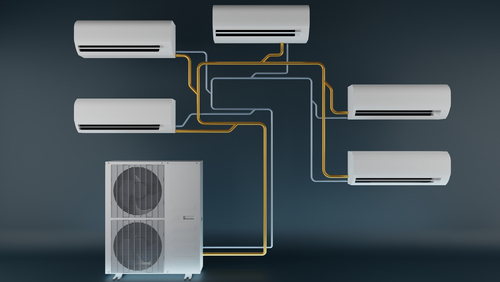
A multi-split air conditioning system connects one outdoor unit to multiple indoor units. Each indoor unit operates independently with its own controls, allowing you to cool different rooms at varying temperatures without the need for ductwork. This solution is particularly suitable for homes with limited outdoor space or for families that primarily occupy a few rooms at a time.
Choosing Between Multi-Split and Individual Split Systems for Multiple Rooms
If you're considering a multi-room air conditioning solution, you might feel that ducted air conditioning is more than what you need. Another option is to install separate split systems for each room, but this typically results in multiple outdoor units and additional circuits on the switchboard.
A multi-split system presents a balanced alternative. It allows for temperature control in various rooms from a single outdoor unit, with each room equipped with its own indoor unit and remote control.
This comprehensive guide will delve into how a multi-split system operates, the types of homes it suits, the electrical requirements, and the essential questions to ask before installing your air conditioning system.
1. How Does a Multi-Split Air Conditioning System Operate?
In a standard split system, one indoor unit pairs with one outdoor unit. In contrast, a multi-split system links two or more indoor units to a single outdoor unit, utilising refrigerant pipes that connect the outdoor unit to each indoor space. According to the Australian Government’s energy advice site, energy.gov.au, multi-split systems consist of multiple interior units connected to a single exterior compressor (energy.gov.au, Heating and cooling, retrieved 2026-09-30).
The number of indoor units that can be serviced by one outdoor unit depends on its model and capacity. It is essential to select an outdoor unit that matches the cooling requirements of the rooms you wish to condition. Each indoor unit has its own control, offering flexibility to:
- Cool the bedroom during the night
- Maintain a comfortable temperature in the living room during the day
- Switch off cooling in unoccupied rooms
This approach provides zoned control without the need for ductwork, making it ideal for many homes in Brisbane where the layout or roof space complicates duct installation.
Is It Possible to Operate Two Split Systems from One Outdoor Unit?
No, you cannot run two standard split systems from a single outdoor unit. Each standard split system indoor unit is designed to operate with its dedicated outdoor unit. If you require multiple indoor units to run from one outdoor unit, you need a specifically designed multi-split outdoor unit that is rated for that purpose. The Energy Rating guidelines for air conditioners classify multi-split outdoor units separately from single-split outdoor units (Energy Rating, Air conditioners up to 65kW, retrieved 2026-09-30).
Can One Split System Effectively Cool Multiple Rooms?
A single wall-mounted split system is effective in cooling the room it occupies, but its cool air may only slightly reach adjacent open spaces. It will not adequately cool a closed bedroom down the hall. For optimal comfort in several closed rooms, you will need an indoor unit in each room, either through separate split systems or a multi-split setup.
2. Who Should Consider Installing a Multi-Split Air Conditioning System?
A multi-split system is ideal for:
- Cooling a select number of rooms rather than the entire house
- Situations where space for multiple outdoor units is limited
- Homes where ductwork installation is not feasible due to layout or renovation limitations
- Individuals seeking control over specific rooms rather than comprehensive house cooling
- Those looking to conserve energy by cooling only the rooms in use
A multi-split system may not be suitable if:
- You require cooling for most of the house at once, where ducted air conditioning is more advantageous
- Your switchboard or mains power capacity is insufficient, and you prefer not to upgrade
- You desire centralised control from a single thermostat
During the initial consultation, we assess the rooms you wish to cool, identify suitable locations for the outdoor unit, and plan the piping layout. We will then advise on whether a multi-split system is the best choice for your home.
3. Advantages and Disadvantages of Multi-Split Systems
Advantages:
- Fewer outdoor units create a more aesthetically appealing exterior
- Individual control for each room
- No ductwork eliminates energy loss associated with duct systems
- Ideal for townhouses, upper-floor installations, and apartment units
Disadvantages:
- The initial investment may be higher than that of separate split systems
- Careful planning of the pipe layout is essential for each room
- If the outdoor unit fails, all indoor units are affected
Our team of air conditioning installers meticulously plans the pipe layout and sizes the outdoor unit to ensure every room receives adequate cooling.
4. What Electrical Considerations Are Required for a Multi-Split System?
At Precision Electrical & Air, we are not only air conditioning installers but also qualified electricians. We evaluate the power supply as part of the design process rather than delegating it to a separate contractor. We determine the circuit requirements for the outdoor unit and ensure that the switchboard can accommodate it alongside the existing electrical load of the house.
In older Brisbane homes, we pay close attention to the switchboard. If it is overcrowded, features ceramic fuses, or lacks safety switches, we will explain the necessary steps for a switchboard upgrade before proceeding with the air conditioning installation. Homes requiring substantial cooling along with other significant electrical loads might also need to consider a three-phase power setup, which we discuss in our article, Do You Need a Three-Phase Switchboard for Your Air Conditioning?
5. How We Design Your Multi-Split Air Conditioning System
When designing a multi-split system, we take the following steps:
- Determine the appropriate size for each indoor unit based on room volume, insulation, and usage patterns
- Calculate the total outdoor load and the required circuit capacity
- Recommend reliable brands, such as Daikin
- Plan the routing of pipes to minimise the need for ceiling or wall alterations
- Verify whether your switchboard can support the system, or provide a quote for an upgrade if it cannot
Ensuring these details are correct during the design phase prevents scenarios where one room receives insufficient cooling while another is over-cooled.
6. Can You Expand Your Multi-Split System by Adding More Indoor Units Later?
Certain models allow for future expansion. For instance, you might install indoor units in two rooms now and add a third later, provided the outdoor unit was originally sized to accommodate this expansion. If adding more indoor units is part of your long-term plan, please inform us during the quote visit so we can factor it into the design.
7. Is a Multi-Split System More Efficient Than Separate Split Systems or Ducted Systems?
When compared to ducted air conditioning, wall-mounted indoor units offer a distinct efficiency advantage. Energy.gov.au highlights that ducted systems are generally less efficient than wall units, as they rely on larger fans and suffer energy losses through ductwork (energy.gov.au, Heating and cooling, retrieved 2026-09-30). Heating and cooling can account for 20% to 50% of energy consumption in Australian homes, depending on the climate zone.
In terms of efficiency against separate split systems, a multi-split may not always prove to be more efficient. it often presents a better solution when:
- The rooms are utilised at different times
- You’re replacing outdated window units in an older property
- You prefer a cleaner external appearance with just one outdoor unit
When comparing models, refer to the Zoned Energy Rating Label. The star ratings reflect the air conditioner’s performance across varying outside temperatures for each climate zone (Energy Rating, Air conditioners up to 65kW, retrieved 2026-09-30).
Common Questions About Multi-Split Air Conditioning Systems
What is a multi-split air conditioning system? A multi-split air conditioning system connects a single outdoor unit to multiple indoor units. Each indoor unit operates independently, allowing different rooms to be cooled at varying temperatures without the need for ductwork.
How many rooms can a multi-split system effectively cool? The number of rooms that can be cooled depends on the model and the outdoor unit's total capacity. The indoor units must match the supply capabilities of the outdoor unit, and a skilled installer will size the system based on your specific room requirements during the design phase.
Is a multi-split system superior to separate split systems? It depends on your home's layout. A multi-split system utilises one outdoor unit instead of several, resulting in a neater exterior and simplifying wiring. separate split systems allow for independent operation, so a problem with one outdoor unit only affects one room. We can provide quotes for both options to help you make an informed decision.
Is a multi-split air conditioner a viable alternative to ducted systems? Frequently, yes, especially when only certain rooms require cooling or when ductwork installation is impractical due to roof space constraints. Ducted systems are more suitable when comprehensive cooling of the entire house is desired, or when centralised control throughout the property is needed.
Can each room be controlled independently with a multi-split system? Absolutely. Each indoor unit features its own remote control and temperature settings, allowing you to cool the bedroom at night, maintain comfort in the living room during the day, and switch off cooling in unoccupied rooms, all from a single outdoor unit.
Can a multi-split air conditioner be integrated with solar power? Yes. An inverter multi-split system works well with rooftop solar panels when operated during daylight hours while the panels generate energy. We provide guidance on how to effectively size and coordinate the system with solar in our article, Can I Run My Air Conditioning on Solar?
Is it possible to add more indoor units to a multi-split system at a later date? Some models do support expansion. If you plan for future growth, the outdoor unit can be sized at installation to accommodate an additional indoor unit later. Your installer should discuss this during the initial system design.
What happens if the outdoor unit of a multi-split system fails? Since all indoor units depend on one outdoor unit, a failure in the outdoor unit will take all indoor units offline simultaneously. Consider this when deciding between a multi-split and separate split systems, particularly if it is essential to keep at least one room cool at all times.
Is a Multi-Split System the Right Choice for Your Brisbane Home?
A multi-split system offers a practical solution for cooling multiple rooms without the commitment of ducted air conditioning or the clutter of multiple outdoor units.
If you are considering a multi-split system for your home, explore our multi-split installation services in Brisbane, or contact Precision Electrical & Air to discuss which rooms require cooling. We will assess the layout and the switchboard during the quote visit and recommend the most suitable system based on your space, power supply, and budget.
Original Article First Published At: Multi-Split Air Conditioning: Cool Multiple Rooms Without Going Ducted


You’ve made some excellent points about multi-split air conditioning systems. It’s true that in many modern homes, especially those with limited outdoor space, these systems can provide a practical and efficient solution for maintaining comfort across different living areas. I’ve recently been considering an upgrade for my own home, which has a layout that often leaves certain rooms feeling stuffy while others stay unusually cool.
I find the topic of multi-split air conditioning systems to be quite fascinating, especially given how our needs at home have evolved over the years. As someone who has lived in various regions with vastly different climates, I’ve experienced the challenge of finding the right air conditioning solution that balances efficiency, comfort, and practicality.