

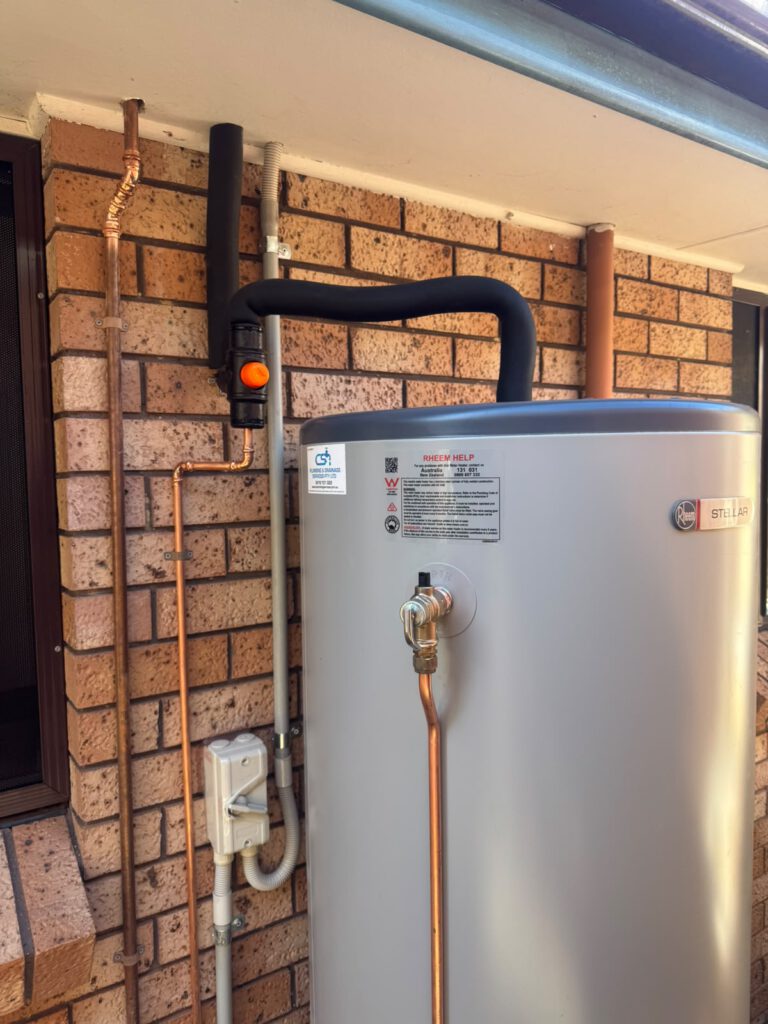
When your hot water runs cold, identifying the issue hinges on the type of system you own. A gas unit that has lost its flame requires a different approach compared to an electric tank with a failed element. Similarly, solar or heat pump systems may only be underperforming on chilly mornings. Figuring out the type of system takes around ten minutes and significantly influences your next steps.
Sandro Contarin, the owner of CS Plumbing, possesses a NSW plumbing licence since 1992 and operates throughout Wollongong and the Illawarra region. Below, he outlines the order of checks and a few tests you can perform yourself before seeking professional help.
Essential Insights for Hot Water Troubleshooting
- First, determine if the water is completely cold or not hot enough. Different issues could be at play.
- Gas units typically fail at the flame, while electric units often experience issues with the element or thermostat.
- Solar and heat pump systems may have a booster that has stopped functioning, creating the illusion of a broken system.
- Any work involving gas or opening a live electrical unit must be performed by a licensed professional in NSW.
Is Your Hot Water Completely Cold or Just Insufficiently Hot?
This critical question often gets overlooked. If the water is entirely cold, it usually indicates a complete failure: no flame, no element, or no power. Conversely, if the water is lukewarm or runs out quickly, it suggests that the system is somewhat operational but has lost efficiency. This could be due to a faulty thermostat, a failing element, a tempering valve issue, or a tank that is no longer adequate for the household's needs.
To diagnose the issue, run the hot tap in your kitchen for two minutes and assess the temperature. Check another tap elsewhere in the house. If one tap is cold while others provide hot water, the problem lies with that specific tap or its line, not the hot water system itself.
Understanding the Implications of “Running Out Fast”
In a storage tank system, if hot water lasts only five minutes instead of the expected twenty, it typically signals a failed element in a twin-element unit or a sediment build-up at the bottom of the tank. Both issues are manageable and require accessing the unit. If you're considering whether to repair or replace, our article on the viability of storage tank hot water systems in Wollongong provides further insights.
What to Check on a Gas Hot Water System
For gas units, the primary concern usually revolves around the flame. It may have gone out, failed to ignite, or lit but then extinguished within a few minutes.
Before making a call for professional assistance, you can safely check three key points: Is the gas supply turned on at the meter and at the isolation valve near the unit? Are your other gas appliances, such as the cooktop, functioning properly? For older units with a standing pilot light, is the pilot still lit?
If the pilot light goes out but can be reignited and remains lit, you may have experienced a one-off issue. if it relights and goes out again, the thermocouple is likely the problem, which requires a licensed gas technician. We have detailed this procedure in our guide on what to check before contacting a plumber regarding a pilot light.
Modern continuous flow units do not have a pilot light. They ignite electronically, which means they require both gas and power. If the unit appears dead but the gas is on, check that the power point has not been switched off or tripped.
What to Examine on an Electric Hot Water System
Electric storage units typically fail in a few predictable ways, and the checks should follow a specific order: power, thermostat, element, and then the tank.
Begin at the switchboard. A tripped hot water circuit is common and can be easy to overlook, especially if the breaker is labelled something obscure. If it trips again immediately after resetting, cease further attempts. A circuit that repeatedly trips indicates that the element has failed to earth, and continuing to reset it is not advisable.
In the Illawarra, many electric tanks operate on a controlled load tariff, which only powers the unit during off-peak hours. If the household's usage patterns have recently changed or if the tank is undersized, it can result in a system that appears to function correctly but still leaves you without hot water by evening. This is a sizing issue rather than a repair problem.
Inspecting the Relief Valve
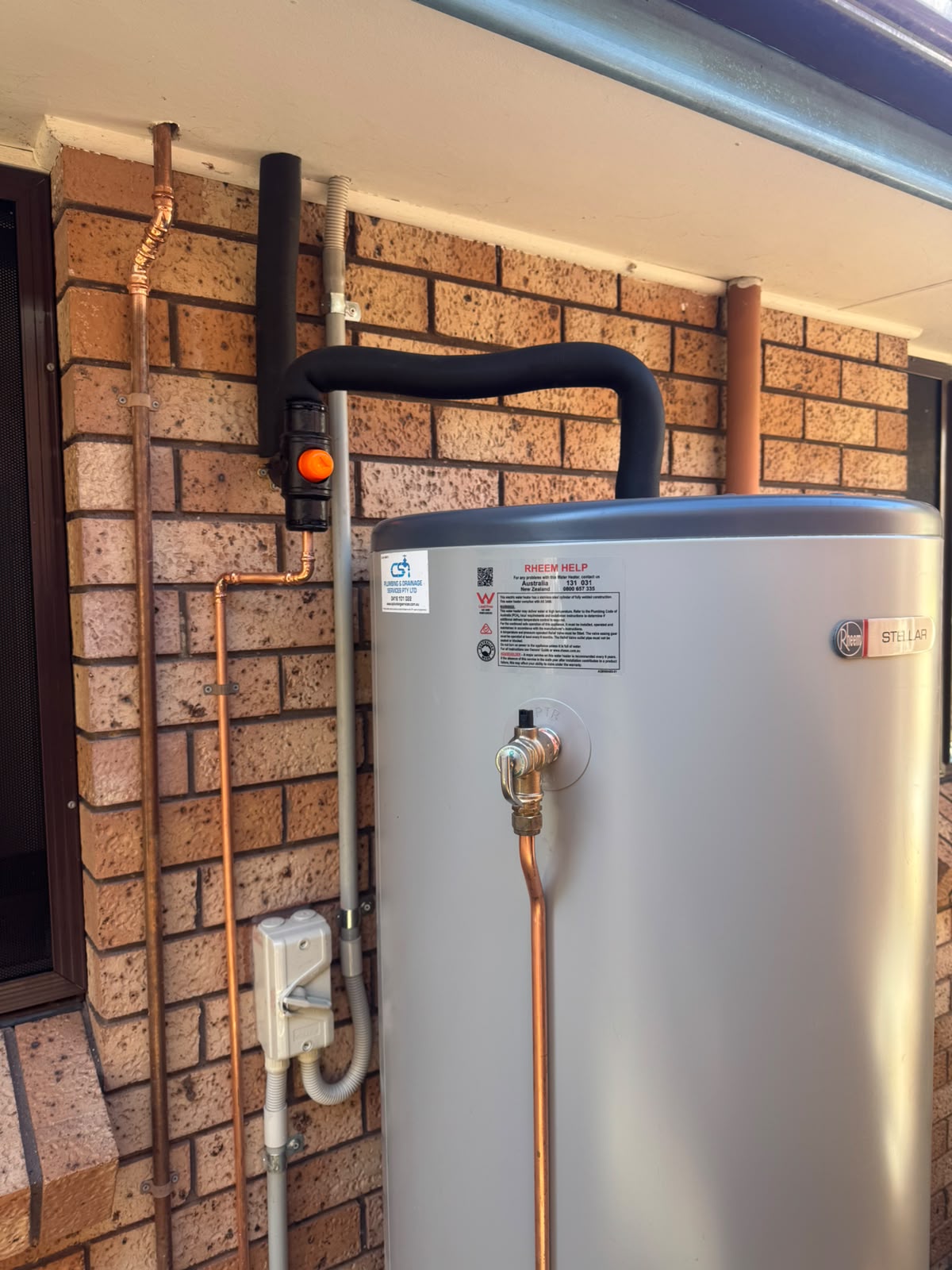
Lift the lever on the temperature and pressure relief valve located on the side of the tank and allow it to discharge briefly. If nothing comes out, or if it fails to reseat and continues to drip, take note of it. While it does not cause cold water, it provides valuable information to a plumber regarding the tank's condition prior to their arrival.
How to Diagnose Solar and Heat Pump Systems
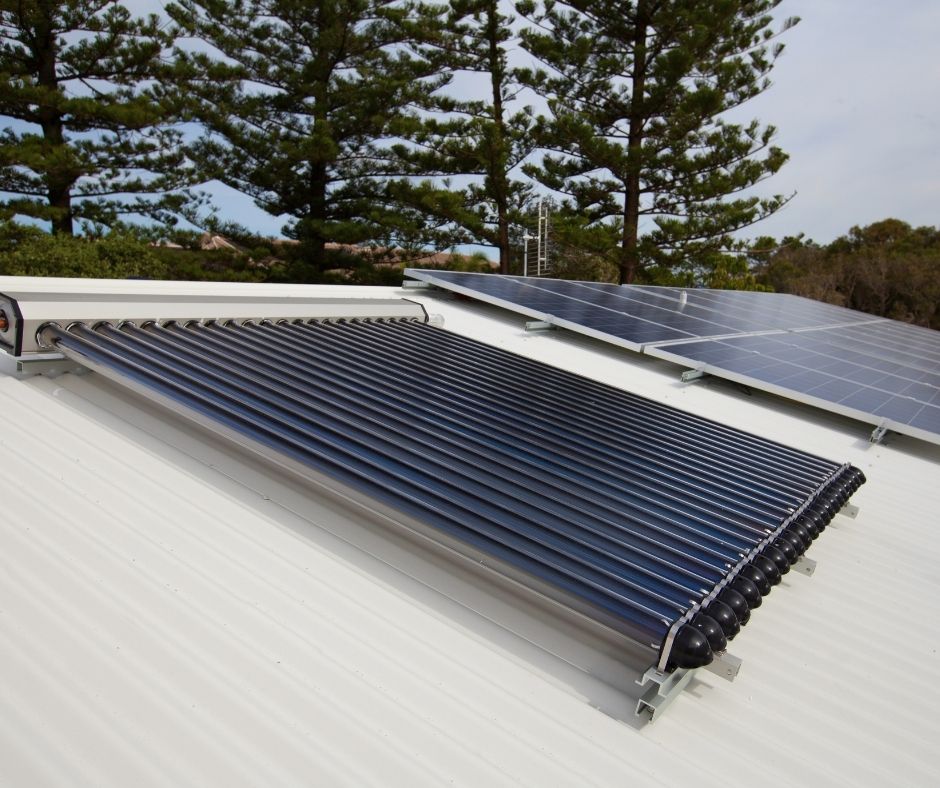
Solar and heat pump systems can be confusing as they rarely fail completely. Instead, they tend to degrade over time, and the booster often compensates until it fails as well.
A solar hot water system consists of roof-mounted collectors, a tank, and an electric or gas booster for days when solar energy is insufficient. If your solar system has operated effectively for years and suddenly stops heating during winter, the collectors may still be functioning, and the booster might be the component that has failed. Check whether the booster switch, often an isolated switch inside your home, has been inadvertently turned off. This is more common than many realise.
Heat pump units operate differently. They extract heat from the air using a compressor, which means they take longer to recover than gas units and can lose efficiency in very cold conditions. A heat pump that takes longer to heat water in July is functioning normally. if it stops making any noise, that indicates a fault.
CS Plumbing provides services for gas, electric, solar, and heat pump hot water systems throughout the Illawarra. You can view our complete range of services on our hot water page.
What Repairs Can You Safely Perform Yourself?
You can check taps, verify that the gas supply is on, assess other gas appliances, examine the switchboard, relight a standing pilot following the instructions on the unit, and lift a relief valve lever. That covers what you can safely do.
In NSW, you cannot legally perform gas work without a licence, and you should not open an electric hot water unit. Elements are submerged in water and carry mains voltage, making any attempt to address those issues risky.
It's also important to note that hot water exiting a bathroom outlet is regulated by a tempering valve, which is set to a maximum delivery temperature. If your hot water gradually cools in the shower while the kitchen tap remains hot, a failing tempering valve is a likely cause, indicating that the tank might still be in good condition.
Understanding Repair Costs for Hot Water Systems
Repair costs depend on the specific issue identified and whether the unit is worth fixing. For instance, replacing a thermocouple on a ten-year-old gas unit is a minor expense. In contrast, addressing the same fault on a twenty-year-old unit that is also leaking from the tank may not be a wise investment, as you would likely replace it within the year.
Ultimately, no one can provide an accurate quote for a hot water repair without assessing the unit's age and condition. Call us at 0416 101 022 for a straightforward answer regarding whether it is worth repairing your system.
Commonly Asked Questions
Why is my hot water lukewarm, but not completely cold?
If the water is lukewarm, it typically indicates that the system is still partially operational. In an electric tank, this issue may be due to a failed element or a thermostat that is out of range. If you have mixed outlets, a malfunctioning tempering valve may be to blame.
Am I allowed to relight my own gas hot water pilot?
Yes, if your unit has a standing pilot and includes printed relighting instructions, you can follow those guidelines. This is the one gas check that homeowners can safely perform. If the pilot will not remain lit after two attempts, stop there and contact a licensed gas fitter rather than attempting again. A pilot light that frequently extinguishes typically indicates a problem with the thermocouple, which requires a licensed professional.
What is the expected lifespan of a hot water system?
The lifespan of a hot water system varies based on the type, water quality, and the demands placed on it by the household. More important than age alone is the condition of the unit relative to its type. A plumber can quickly assess this by checking the compliance plate.
Is my heat pump malfunctioning if it is noisy and slow during winter?
Not necessarily. Heat pumps naturally recover more slowly in cold weather due to the reduced heat in the air. A unit that operates more slowly in July but still heats water is functioning as intended. If the unit becomes completely silent, that indicates a fault.
Do you provide services throughout the Illawarra region?
Yes, CS Plumbing operates across Wollongong and the surrounding suburbs of the Illawarra for hot water repairs and replacements on gas, electric, solar, and heat pump systems. Sandro's extensive experience since 1992 ensures that both diagnosis and any necessary gas work are conducted by the same licensed professional, eliminating the need for multiple visits.
Original Article First Published At: Hot Water System Not Heating? What an Illawarra Plumber Checks First

This post delves into an often-overlooked aspect of home maintenance that many of us take for granted — the hot water system. I can relate to the frustration of facing a lukewarm shower on a chilly morning. Your breakdown of the different systems and their potential failures is particularly helpful, not just for novices but also for those of us who might have a layer of experience in DIY troubleshooting.
It’s interesting how the complexity of our hot water systems reflects broader themes in household technology and energy consumption. I appreciate your breakdown of the different systems and their potential issues, as it highlights not only the importance of understanding our appliances but also the necessity of tailored troubleshooting—what works for one system might not apply to another.