

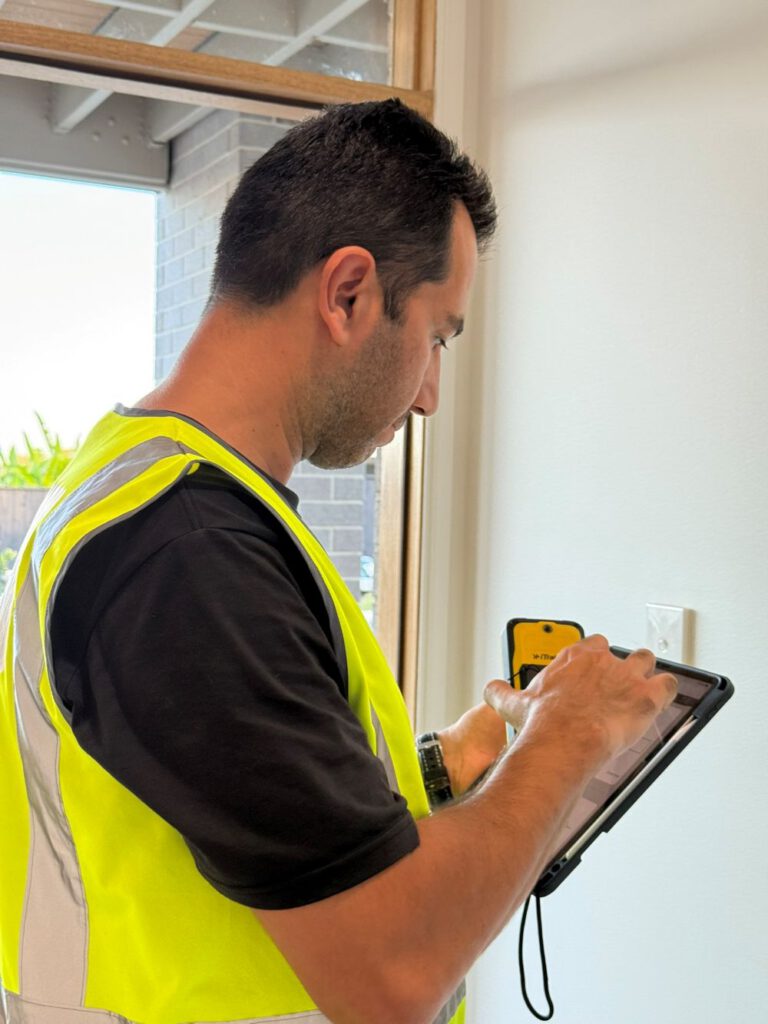
If you are planning to undertake a construction project, an extension, or any work that involves excavation or demolition, investing in a dilapidation report is one of the most cost-effective protective measures you can take. Our extensive inspections across Brisbane have revealed a common scenario: after work is completed, a neighbour points out a cracked cornice or a fine crack in their garage slab, and suddenly you are expected to cover the costs.
In brief: a dilapidation report serves as a dated, photographic documentation of the condition of nearby properties prior to the commencement of your project. If a damage claim arises later, this report clearly indicates what pre-existing issues were present — protecting you from bearing the costs of damages you did not cause.
At Zoom Building & Pest, we are a QBCC-licensed inspection company (QBCC licence 15279880) servicing Brisbane and the Moreton Bay region. This article explains the purpose of these reports, what they include, and when it is advisable to schedule one.
Understanding the Purpose of a Dilapidation Report
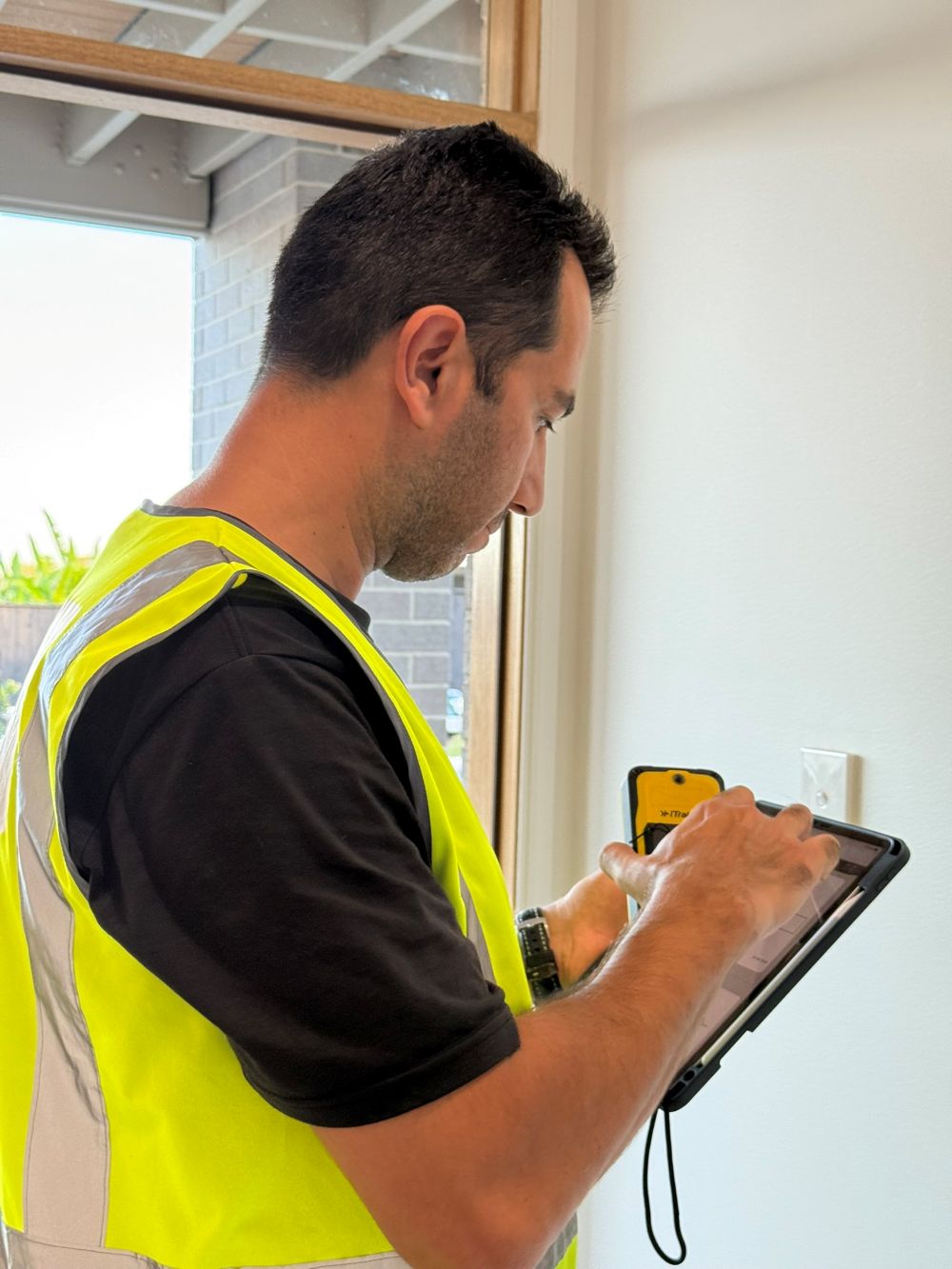
A dilapidation report provides a comprehensive account of a property’s condition before any construction or renovation work begins. It identifies potential sources of disputes later on, such as cracks in walls and ceilings, shifts in slabs and driveways, and damage to fences, retaining walls, and pathways. This is accomplished through date-stamped photographs, written observations, and occasionally simple diagrams for larger sites.
The importance of a dilapidation report increases significantly when you are building close to existing structures. Activities like excavation, piling, demolition, and the movement of heavy vehicles can create vibrations in the ground. This is often when neighbours may blame your project for pre-existing damage. Essentially, the report acts as your pre-construction snapshot.
Key Reasons Brisbane Builders and Homeowners Secure Dilapidation Reports
How It Helps Prevent Unjust Damage Claims
Construction near property boundaries invariably leads to some level of movement or vibration. Without a baseline record, disputes can arise, leaving you with a he-said-she-said situation against your neighbour. with a dilapidation report, you can demonstrate that any cracks were present beforehand, which typically resolves the matter before it escalates to a formal claim or a QCAT dispute.
How It Averts Legal Disputes
Dilapidation reports serve as credible, independent evidence. If a disagreement arises, having clear before-and-after documentation can resolve most issues swiftly and informally, rather than dragging you into a legal battle that halts your project and eats into your profits.
How It Meets Council and Insurer Requirements
For projects impacting neighbouring properties or public infrastructure, Brisbane councils often mandate a dilapidation report as a condition for approval — particularly in dense, heritage, or tightly built-up areas. Some insurance providers may also require one during the underwriting process for building works. Failing to secure a report can delay your project approval or complicate future claims.

Components of a Dilapidation Report
A thorough dilapidation report comprises more than just a collection of photographs. Our report details the property address, inspection date, the party that commissioned it, and a description of the planned works. It also specifies which areas were inspected and which were not. The report includes:
- Date-stamped photographs — both wide-angle and close-up images of interiors, exteriors, driveways, fences, and shared boundaries, with each image labelled and cross-referenced to written notes.
- Written observations — clear descriptions such as “hairline crack in lounge wall beside window” or “minor sinking at driveway edge.”
- Diagrams where applicable — simple sketches to clarify locations on larger or more intricate sites.
- Site conditions — details on weather and lighting at the time of inspection, which are crucial for outdoor features.
- Inspector details — qualifications and licence numbers, ensuring the report is credible if needed for legal or insurance purposes.
When Is the Right Time to Schedule a Dilapidation Report?
As a general guideline, arrange for a dilapidation report before commencing any work that disturbs the ground or may shake adjacent structures:
- Before excavation or earthworks — digging, piling, and bulk earthworks pose the highest risk for neighbouring damage.
- Before demolition — even minor vibrations can have an impact; a report verifies the condition of nearby buildings before any walls are brought down.
- In heritage or densely constructed areas — older buildings and shared walls often entail stricter regulations and increased scrutiny.
- When required by the council or a developer — if a dilapidation report is a condition for approval, your project may stall without it.

How Our Dilapidation Report Process Works
Our process is simple and efficient. You inform us of the scope of work and the properties that require documentation, and we provide a quote based on the size and complexity of the site. We then conduct a detailed inspection of the existing conditions, which typically takes one to two hours for a residential property. Following this, we deliver a comprehensive written report with photographs that you can present to your builder, insurer, or council. Typically, you can expect the report within one to two business days. With this documentation in hand, you can commence your project with confidence, knowing your position is well-recorded.
Real-Life Example: How a Dilapidation Report Provides Protection
A homeowner in Brisbane had a dilapidation report prepared before beginning a two-storey extension. Months later, the neighbour reported a crack in their garage wall, attributing it to the construction. The report clearly documented the same crack, complete with photographs and timestamps, predating any work on site. The claim was dismissed — no disputes, no repair costs, and no liability. This illustrates the core benefit: a modest upfront investment that can eliminate the risk of expensive disputes later.
Common Questions About Dilapidation Reports
Zoom Building & Pest Inspections is operated by Ben Nejad of B N Total Construction Pty Ltd — a QBCC-licensed building and pest inspection company (QBCC licence 15279880) catering to Brisbane and the Moreton Bay region. For a dilapidation report or a building and pest inspection, call 0481 826 856 or request a quote via our website.
Original Article First Published At: How Dilapidation Reports Protect You from Liability During Renovations or Construction Projects


I completely agree that a dilapidation report is an essential investment for any construction project! Having that documented evidence can save so much hassle down the line. I’ve seen friends go through the stress of unexpected damage claims, and it’s frustrating when you know it wasn’t your fault. Plus, it’s not just about protecting your finances; it’s also about maintaining good relationships with neighbors. Open communication paired with a comprehensive report can create a more positive atmosphere throughout the construction phase.
This is such an important topic, especially in a place like Brisbane where construction is booming. I’ve personally seen how disputes can arise from seemingly minor issues like cracks that were actually pre-existing. It makes complete sense to protect oneself with a dilapidation report before starting any work. I would imagine that beyond just costing money, these disputes can strain neighborly relationships, which is another reason to be proactive.
I couldn’t agree more about the importance of having a dilapidation report before starting any construction work. It’s like wearing a seatbelt; most people might overlook its value until they really need it. In my experience, when my neighbor added an extension to their home, there were no visible signs of damage or issues beforehand. But sure enough, a few weeks after the work, they noticed some cracks in their foundation. Thankfully, they had a dilapidation report on hand that helped clarify the situation and ultimately protected them from unnecessary costs.