

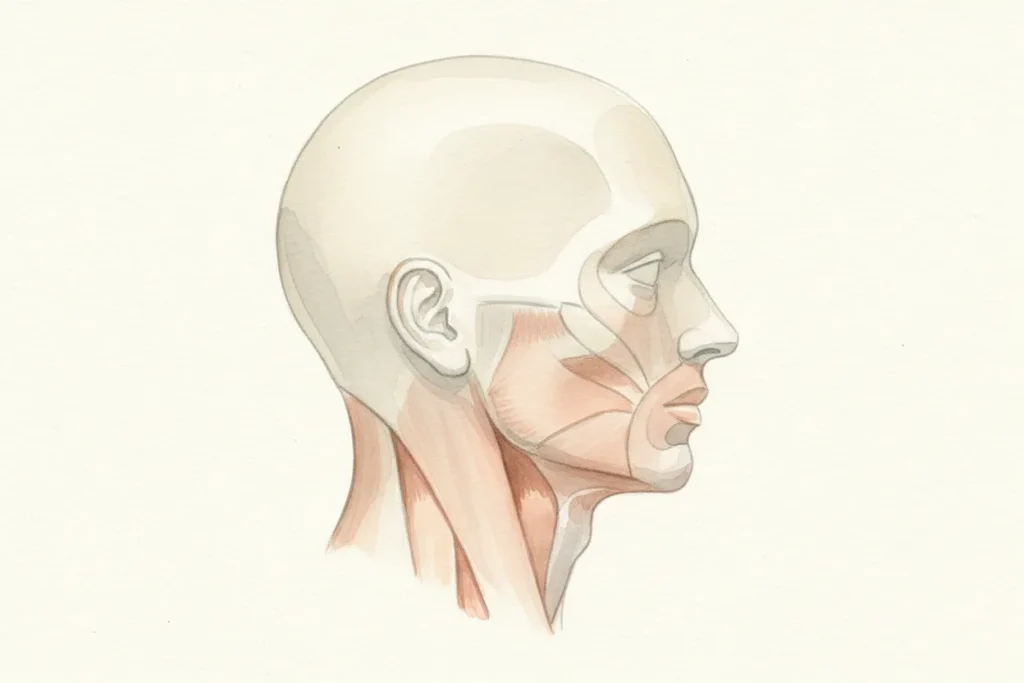
If you've been exploring the topic of chin filler, you're likely grappling with one of two key issues. Either your chin appears too recessed when viewed from the side, or the skin on your chin develops dimples and creases when you talk, smile, or tighten your lips. In selfies, both concerns can appear similar, but they are fundamentally different and require distinct approaches for treatment.
This guide will help you identify which issue you have, clarify the role of chin filler, explain what Botox can do, and determine when both treatments might be necessary.
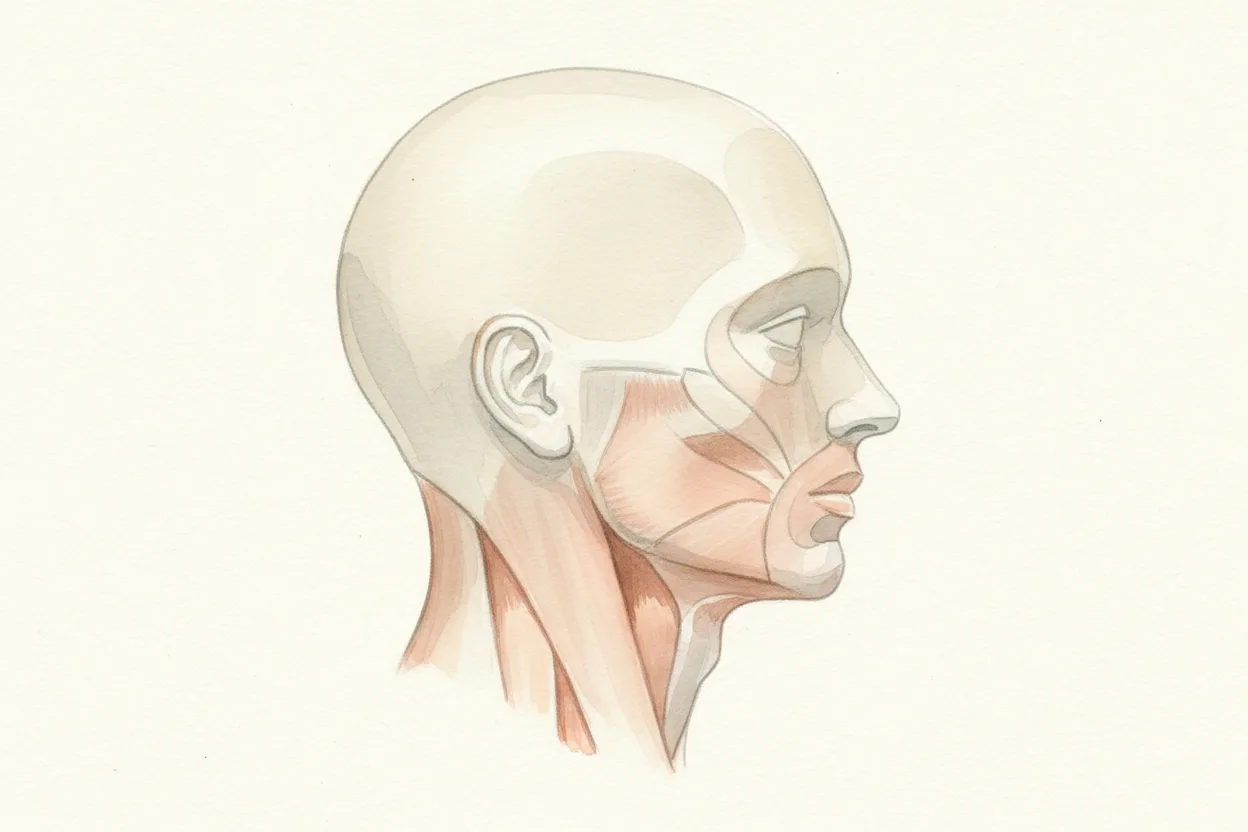
Understanding Two Key Chin Concerns: Shape versus Movement
Chin issues typically relate to either shape or movement. Chin filler is effective for addressing shape, while Botox targets movement. Recognising which category your concern falls into is essential when preparing for a consultation.
- Shape: This involves a chin that looks short, is positioned further back in profile, or blends into the jawline and neck. These concerns are about volume and structure, and they persist even when your face is at rest.
- Movement: This concern manifests as small dimples forming on the chin when the mentalis muscle contracts. People often refer to this as an “orange peel” or “pebbled” chin. It becomes most evident when you talk, pout, or press your lips together.
A simple check in the mirror can provide insight. Observe your chin from the side while keeping your face relaxed, then push your lower lip up as if you were pouting. If your chin appears recessed even when at rest, this indicates a shape issue. Conversely, if it only looks uneven during movement, this points to muscle activity. Many individuals experience a combination of both types of concerns. This method serves as a general guideline, not a definitive diagnosis; an in-person evaluation will provide more accurate insights.
The Role of Chin Filler in Enhancing Chin Profile
Chin filler is used to add volume, bringing the chin forward and creating a more defined profile. According to the U.S. Food and Drug Administration (FDA), chin augmentation is an approved use of dermal fillers for adults aged 22 and older.
Different products have specific approvals. For instance, in January 2021, the FDA approved Restylane Defyne for injection in the chin area, enhancing the appearance of the chin profile in individuals over 21. The FDA describes this gel as temporarily adding volume and fullness.
Keep in mind that results are not permanent. The FDA advises that some fillers are gradually absorbed by the body, requiring patients to undergo repeat treatments to maintain their desired results. The American Society of Plastic Surgeons indicates that deep injections may last up to 12 months, while some newer products can last as long as two years. hyaluronic acid fillers are reversible since an enzyme can be injected to dissolve them if needed.
Possible side effects to anticipate. The FDA lists several common side effects associated with Restylane Defyne in the chin area, including bruising, itching, lumps or bumps, pain or tenderness, redness, and swelling. The most significant risk associated with any filler treatment is the potential for accidental injection into a blood vessel, which can lead to serious complications such as tissue death, vision issues, including blindness, and stroke. It is crucial to select a licensed healthcare provider with experience in administering fillers.
It's important to note that filler cannot prevent muscle movement. Instead, it focuses on enhancing shape. If your chin develops dimples due to an overactive muscle, filler alone may not effectively smooth that out.
How Botox Addresses a Dimpled Chin
Botox works by relaxing the chin muscle, thus reducing its pull on the skin and helping to soften the appearance of dimpling. It functions as a neuromuscular blocking agent, inhibiting the signal that prompts the muscle to contract, thereby minimising the reasons for skin bunching.
Research supports this treatment. A double-blinded, placebo-controlled study conducted by Beer and colleagues, published in the Journal of Drugs in Dermatology in 2005, involved injecting Botox into one half of the chin and saline into the other in 20 participants. Both physicians and patients noted a visible difference on the Botox-treated side, at rest and during muscle contraction. While this study is small, it offers valuable support for the effectiveness of Botox in this area.
Understand the implications of the label. The Botox Cosmetic prescribing information from AbbVie includes four approved treatment areas: frown lines between the brows, crow’s feet, forehead lines, and vertical neck bands known as platysma bands. Treatment of the chin falls outside these approved indications, thus categorising it as an off-label use. Your injector should explain this status thoroughly before proceeding with treatment.
There is a boxed warning in the prescribing information indicating that the effects of botulinum toxin can extend beyond the injection site. If you experience difficulties swallowing, speaking, or breathing following any Botox treatment, seek medical attention immediately.
As with Botox administered in other facial areas, the results are temporary and will require repeat treatments. The duration of effectiveness varies based on the area treated, dosage, and individual response, which we will discuss further in our section on the longevity of Botox effects.
Identifying When Both Chin Filler and Botox Are Necessary
Both treatments are needed when your chin appears recessed at rest and also develops dimples during movement. In this scenario, filler provides the necessary shape, while Botox relaxes the muscle that causes the rough texture.
Many individuals may find that only one of the two treatments suffices. If your profile looks good and the only concern is dimpling when you speak, Botox alone may address the issue. Conversely, if your chin appears smooth during movement but seems short or weak from the side, filler could be the ideal solution.
The order of treatments and whether both can be done simultaneously will be determined during your consultation. This decision will depend on the appearance of your chin at rest and in motion, as well as how your skin and muscles respond. Ask your injector to clarify the recommended sequence and provide justification for their approach.

Exploring Alternatives to Chin Filler
The best alternative to chin filler depends on the specific concern you are facing. Sometimes, a different treatment is appropriate, while in other cases, forgoing treatment may be the best option.
- For dimpling issues only: Botox for the chin muscle, as previously outlined, can provide relief without adding volume.
- For fullness beneath the chin: This concern relates to fat rather than shape. Kybella is an FDA-approved injectable specifically for moderate to severe fat accumulation beneath the chin in adults. Its prescribing information states that up to six treatments, spaced at least one month apart, may be administered, but its effectiveness on fat outside this area has not been established.
- For permanent changes: According to the American Society of Plastic Surgeons, chin surgery involves reshaping the chin either with implants or through bone reduction. Such decisions should be made in consultation with a board-certified plastic surgeon.
- For minor adjustments: Sometimes, it may be best to leave things as they are. A thorough consultation should allow for the possibility of concluding with a “not yet” response.
A Comprehensive Chin Filler and Botox Consultation Strategy
An effective chin consultation begins by focusing on the concern rather than the treatment options. Here’s a structured approach to ensure clarity.
- Start with photos: Take front and side images while your face is relaxed and when you pout or press your lips together.
- Identify the problem: Determine whether the issue is related to shape, movement, fullness under the chin, or a combination of factors.
- Select the appropriate treatment: Use filler for shape concerns, Botox for movement issues, and Kybella for fullness beneath the chin.
- Inquire about the product: Confirm which filler will be used, whether it’s a hyaluronic acid filler that can be dissolved, and what the FDA has approved it for.
- Discuss Botox for the chin: Understand that this is an off-label use, the planned dosage, and when you will be reassessed.
- Provide your health history: Disclose medications, allergies, and any past reactions. As noted on ZenVita’s dermal fillers page, clients who are pregnant or nursing are ineligible for filler treatments.
- Schedule a follow-up: Plan a review appointment to assess results before any additional treatments are undertaken.
Frequently Asked Questions About Chin Filler and Botox
Is there pain associated with chin filler?
Some discomfort is normal. Restylane Defyne, approved by the FDA for chin use, contains lidocaine, a numbing agent, which is why the FDA lists a lidocaine allergy as a contraindication. Post-treatment pain or tenderness is one of the common side effects, along with bruising and swelling. Inform your injector if you have previously reacted to numbing medications.
What is the typical duration of chin filler results?
The duration varies depending on the product used and individual factors. The American Society of Plastic Surgeons states that deep filler injections may last as long as 12 months, with some newer products lasting up to two years. The FDA advises that some fillers may be absorbed over time, so repeat treatments may be necessary to maintain your desired shape.
Is Botox for the chin FDA approved?
No. The Botox Cosmetic label specifies approved treatment areas including frown lines, crow’s feet, forehead lines, and platysma bands in the neck. Use of Botox in the chin muscle is considered off-label. A small placebo-controlled study published in the Journal of Drugs in Dermatology noted visible differences on the treated side. Your injector should provide clarification regarding the off-label status prior to treatment.
Can chin filler be reversed if desired?
Yes, hyaluronic acid fillers can be reversed. The American Society of Plastic Surgeons explains that an enzyme can be injected to dissolve these fillers. This is an important consideration when selecting your filler, as a reversible option offers a safety net that permanent solutions do not.
What are the alternatives to chin filler?
The suitable alternative depends on the specific issue at hand. Dimples during movement may only require Botox for the chin muscle. Fullness beneath the chin is a matter of fat, which can be addressed with Kybella. For a permanent alteration in shape, surgical options should be explored with a qualified plastic surgeon. If the desired change is minor, simply leaving your chin as it is can be a perfectly acceptable choice.
Schedule Your Chin Consultation in Aurora Today
If you are uncertain whether your chin requires filler, Botox, both, or neither, a consultation is the ideal opportunity to gain clarity. At ZenVita Medspa Aesthetics and Wellness in Aurora, our nurse practitioner-led team will assess your chin in both resting and dynamic states, discuss which treatment aligns with your concerns, and guide you through a tailored plan before any procedures are carried out. Read more about our offerings in dermal fillers and Botox at ZenVita, and book your consultation here.
Original Article First Published At: Chin Filler and Botox: Which One Does Which Job