

When hiring a concrete pump, several common pitfalls can derail your project. These include selecting an unsuitable pump for your site, miscalculating the concrete volume, neglecting to verify access routes, making last-minute bookings, overlooking a site inspection, failing to establish a washout plan, and not clarifying roles for the day of the pour. Each of these issues can cause delays during a concrete pour in Newcastle or the Hunter Valley, but they can be easily avoided with proper planning before you make the call.
Key Takeaways
- Choose the right pump for your site: use a line pump for driveways, footings, and narrow access, and a boom pump for larger, elevated, or wide pours.
- Calculate your concrete volume accurately and ensure access is clear before making a booking.
- Determine the washout location and clarify responsibilities for placing and finishing the concrete on pour day.
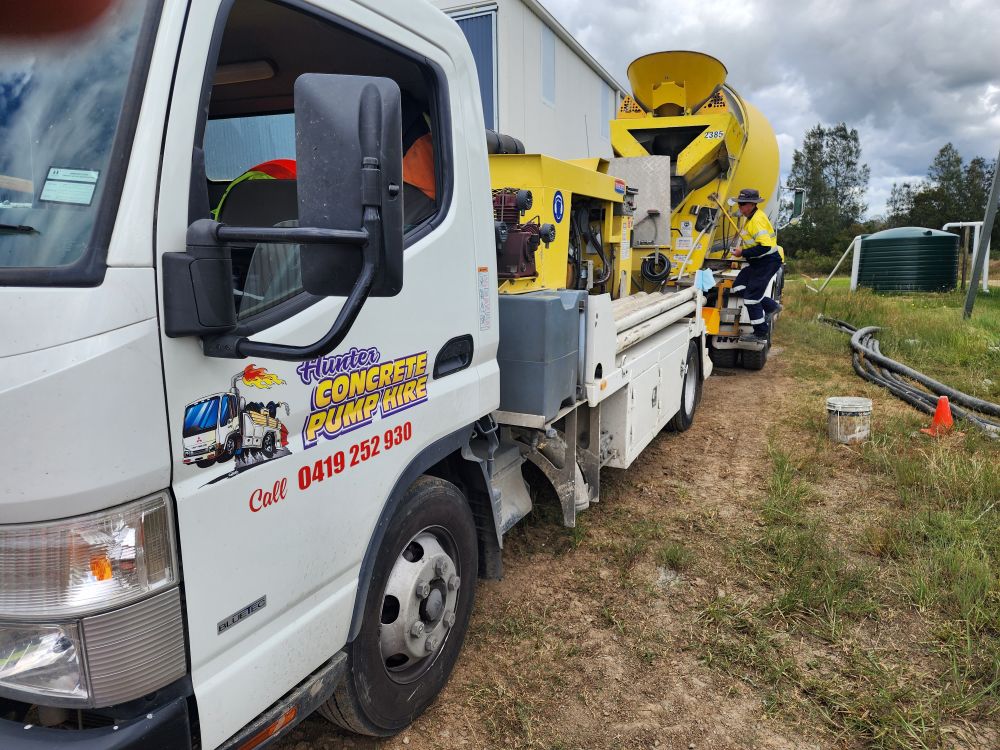
1. Selecting the Incorrect Type of Concrete Pump for Your Project
The dimensions and layout of your site dictate the type of pump required. Line pumps are ideal for driveways, footings, house slabs, and backyards where the hose must navigate narrow paths. Conversely, boom pumps are suited for commercial slabs, elevated pours, and expansive areas where concrete needs to be placed at height or a considerable distance from the truck.
At Hunter Concrete Pump Hire, we operate a 32-metre boom pump alongside our line pumps and mini pumps. We can assist you in determining the best option for your site when you reach out. To help you decide between the two, our comprehensive guide on line pumps and boom pumps details their respective applications. For narrow access situations, consider our mini concrete pump hire options.
2. Miscalculating Your Required Concrete Volume
Ordering insufficient concrete can halt your pour while you wait for an additional truck, and the concrete already laid may begin to set before the next load arrives. Conversely, ordering too much means paying for concrete that goes unused, along with the hassle of finding a place to dispose of it. Measure the length, width, and depth of each slab, footing, and pathway, and have your concrete supplier double-check your calculations when you place the order.
Our step-by-step guide provides detailed instructions on estimating concrete volume for pumping, including tips for handling footings and uneven terrain.
3. Failing to Plan Access Routes for the Concrete Pump
A boom pump requires stable, level ground for its outriggers, sufficient clearance from overhead power lines, and adequate space for the boom's movement. SafeWork NSW’s guidelines on concrete placing equipment operations outline essential considerations, such as ground conditions, outrigger setup, and safe distances from overhead powerlines that must be planned prior to equipment setup.
For line pumps, a clear route for the hose from the pump to the pour site is crucial. Concrete trucks also need a designated parking area close to the pump. On tighter residential blocks, assess gate widths, parked vehicles, trees, and neighbouring driveways before the pour day. Our article on concrete pumping in confined spaces elaborates on what to consider.
4. Delaying Your Concrete Pump Hire Booking
Contacting us the day before the pour leaves you vulnerable in case the pump is already reserved or the concrete plant cannot accommodate your schedule. Secure your pump booking as soon as your formwork and inspection dates are confirmed, and arrange for the concrete to arrive at the same start time to ensure the trucks and pump are in sync.
5. Neglecting a Pre-Pour Site Inspection
While photographs can provide some insight, a physical inspection of the site reveals details that images might overlook, such as the distance the hose must travel, the position of the trucks, the pump's setup area, and the designated washout location. When you contact Hunter Concrete Pump Hire, have the site address, pour type, and any access limitations at hand, and share photos of the street and path to the pour. This information allows the operator to effectively plan the setup ahead of pour day.
6. Overlooking Washout and Clean-Up Procedures
Every concrete pump requires a washout at the end of the pour, and the slurry generated must be directed to a suitable location. Identify a washout spot in advance that won't affect finished surfaces, the street, or stormwater drains, and communicate this location to the operator upon arrival.
7. Not Finalising Responsibilities for Pour Day
When you hire a concrete pump, an operator is included to manage the pump, but they do not handle the finishing of the concrete. You will need a concreter or a capable crew to spread, screed, and finish the slab. For line pump pours, SafeWork NSW advises that the line hand and the pump operator should be different individuals, so ensure you have someone available to manage the hose. If you require additional assistance, inquire about extra staff when making your booking. Our article on hiring a concrete pump without a concreter explains the division of responsibilities.
To learn more about maintaining safety on-site during a pour, refer to our concrete pumping safety protocols.
What is the Cost of Hiring a Concrete Pump?
The starting price for flat-rate concrete pump hire through Hunter Concrete Pump Hire is approximately $800 for smaller pours. The final cost depends on factors such as the type of pump, the duration of the pump's presence on-site, the volume of concrete required, site access, and travel distance. To obtain an accurate quote for your specific project, please reach out directly. Our guide to concrete pump hire costs in Newcastle and the Hunter Valley provides further details on the factors influencing pricing.
Common Questions About Concrete Pump Hiring
What is the most affordable option for hiring a concrete pump for a small pour?
For smaller residential projects such as pathways, footings, or small slabs, a line pump or mini pump is generally the most economical choice. Flat-rate hire begins at around $800 for these smaller pours, and a site-specific quote will provide a precise figure.
Can Hunter Concrete Pump Hire assist with pour planning?
Absolutely. When you reach out, we can help you select the ideal pump for your site, verify your concrete volume, and plan the setup for both the pump and trucks. Every hire includes an operator, and we can arrange for additional personnel if needed.
How far in advance should I schedule a concrete pump?
Book your concrete pump as soon as your pour date is confirmed, and coordinate the concrete delivery for the same start time. Early booking maximises your chances of securing your preferred date and time.
Reliable Concrete Pump Hire in Newcastle and the Hunter Region
Hiring a concrete pump can be a straightforward process. When the pump matches your site requirements, the concrete volume is accurate, access is clear, and roles are defined, your pour will proceed smoothly and on schedule. Hunter Concrete Pump Hire collaborates with builders and developers throughout Newcastle and the Hunter Region. Contact us or submit an enquiry with your site information, and we will help you plan for a successful pour.
Concrete Pump Hire
Original Article First Published At: 7 Common Mistakes to Avoid When Hiring a Concrete Pump in Newcastle and the Hunter Valley