

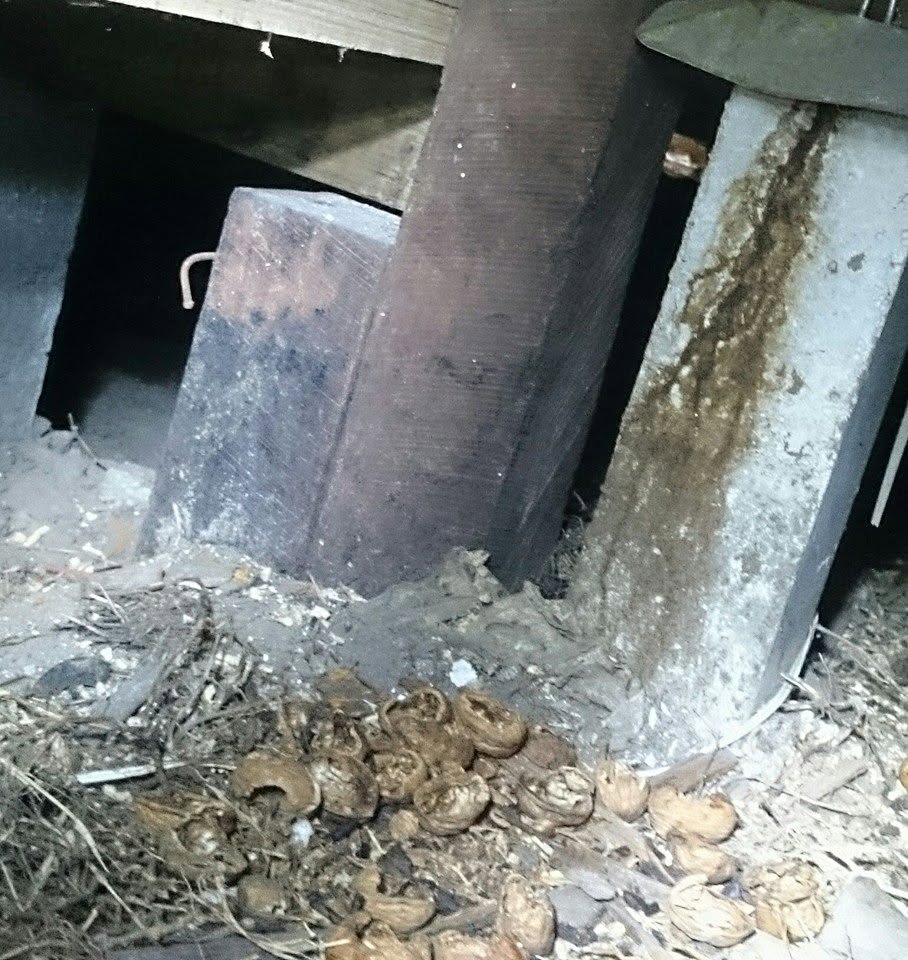
If you hear scratching sounds beneath the kitchen floor during the night, it is likely that the rats are not in the kitchen itself. In older homes elevated on stumps, with timber flooring and an open space below, that area is often where the rats are nesting.
The sounds you hear come up through the floorboards while the rats remain hidden below. This article will explain what is happening underneath your home, the signs to be aware of, and effective methods for elimination.
What Types of Rodents Reside Under Houses Built on Stumps?
Typically, the culprits are rats, though mice can also be present. The space beneath a raised timber floor is dark, dry, and protected from the elements, which makes it an ideal habitat for rodents. The City of Casey succinctly summarises this, stating that rats and mice are attracted to warmth, shelter, food, and water.
Boroondara Council identifies burrows beneath buildings as a key indicator of rodent presence on a property. It also notes that rats and mice tend to travel along walls, using the same pathways to access food. Under your home, the bearers and joists—the timber beams supporting the floor—provide edges for the rodents to navigate in a similar manner.
The type of rat you have influences their entry points. As detailed on our rodent control page, Norway rats enter at ground level, while roof rats are adept climbers. The Victorian Department of Health categorises Norway rats as proficient diggers, primarily active at night, making the soil beneath a raised floor quite suitable for them.
Identifying Signs of Rodents Beneath Your Home from Inside
Most people become aware of rodent activity beneath their home from within. Here are the signs to monitor closely:
- Scratching Noises: Boroondara Council highlights scratching, squeaking, clawing, and gnawing sounds as indicators of rodents. These noises are often heard through the floorboards, especially at night.
- Droppings Along Skirting Boards: The Department of Health describes Norway rat droppings as resembling bananas or sausages. Discovering these droppings along skirting boards or beneath the sink indicates that the rats are ascending from below.
- Pets Acting Unusually: The City of Casey notes that pets displaying unusual excitement may signal rodent activity. If a dog is intensely sniffing one particular spot on the floor or a cat is fixated on a floor vent, take notice.
- Missing Pet Food: Casey also mentions that a pet food bowl that is significantly emptier in the morning than expected could mean a visitor is coming up at night.
- Holes at the Base of Walls: The Department of Health advises that rat-created holes typically measure around 80 mm across and may indicate the presence of nests. Inspect the base of external walls and around pipes where they penetrate the floor.
Not every sound you hear beneath the floor is caused by rats. Possums and birds can also find their way under a house, and droppings provide a quick method to identify the source. If you are uncertain whether you are dealing with rats or mice, our article on five distinguishing signs between the two will assist, or simply send us a photo of the droppings when you contact us.
How Does Winter Influence Rat Activity Under Houses?
As temperatures drop, rats seek warmer shelter, as outlined on our rodent control page. Our mice control page also discusses how mice tend to migrate indoors as the Melbourne weather cools. The space under the house often becomes the first warm and dry refuge they encounter.
This area is sheltered from wind and rain and sits directly beneath the rooms where people cook, eat, and keep warm. At night, it remains quiet, making it an ideal winter retreat for rats.
If your home has ducted heating running beneath the floor, this creates an additional warm pathway for rodents. Our article on ducted heating and winter rodent activity explains what to watch for around the vents.
Why Kitchen Repairs Alone Do Not Eliminate Rats Under the Floor
Many homeowners start their pest control efforts in the kitchen. They may set traps under the sink, seal gaps behind the dishwasher, and tidy the pantry. While these actions are beneficial, they often do not address the rats residing beneath the floor.
The entry points used by rats are typically below the floor line. Pipes and cables run from beneath the house up through the floor, creating gaps that serve as entryways. Boroondara Council recommends sealing gaps and holes around pipework, noting that mice can enter through even smaller openings than rats. The Department of Health indicates that mice can squeeze through gaps as tiny as 8 mm.
If the rats are nesting under the house, that is where your treatment must be focused.
Sealing gaps too early can be counterproductive. As stated on our rodent control page, baits should be deployed first to reduce the population, followed by sealing efforts. Closing off entry points while rodents are still inside can trap them.
What to Inspect for Signs of Rats Under the House from Outside
You do not need to crawl beneath your home to search for signs of rats. Most relevant indicators can be observed from your garden. Walk around the exterior and look for the following:
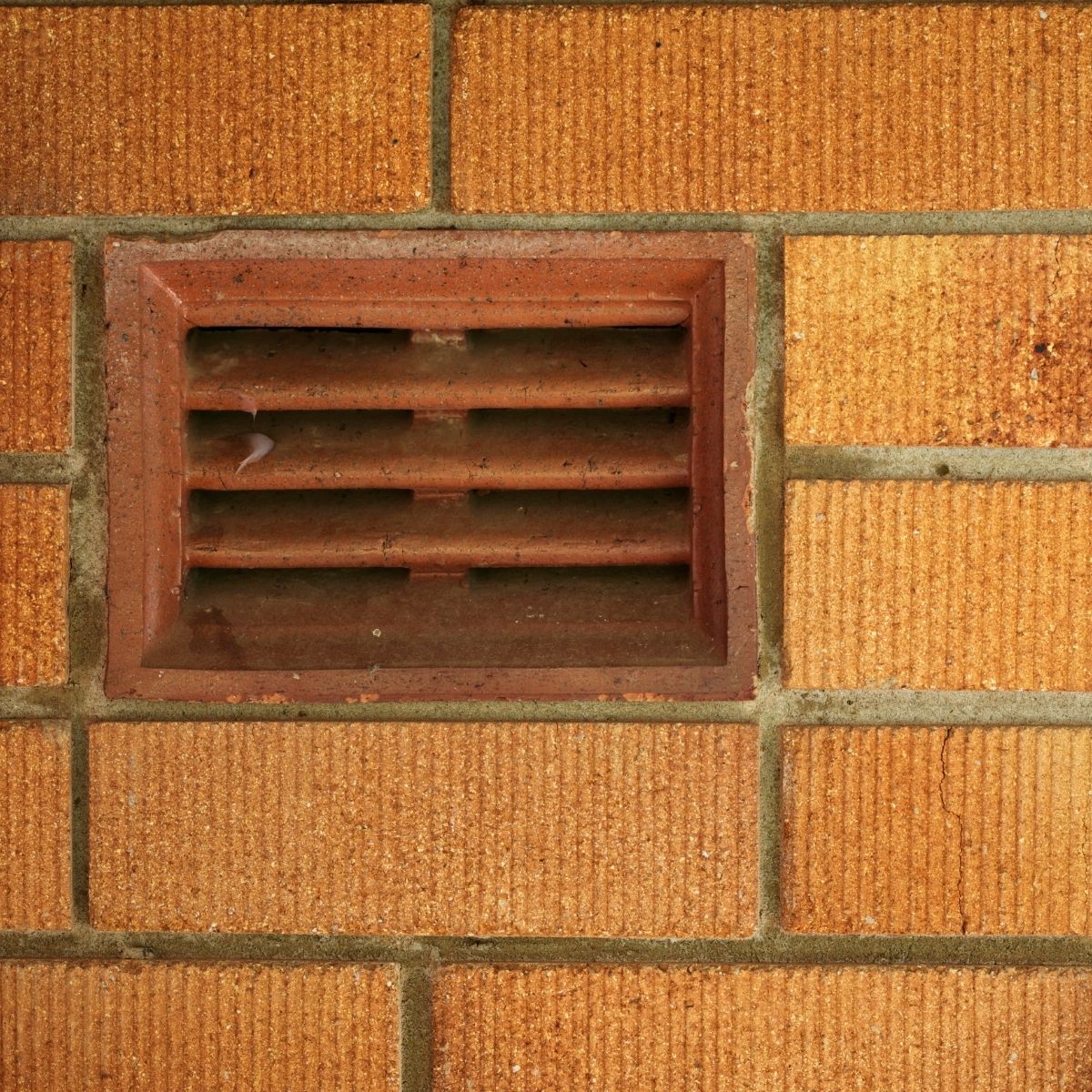
- Subfloor Vents: These vents, located at the base of the walls, allow air to circulate beneath the floor. Check for vent covers that are broken, pushed in, or missing.
- Gaps at the Base of Walls: Look for holes, loose or decayed boards, and gaps where the wall meets the ground.
- Pipes and Cables: Inspect where these enter the house, particularly in areas where recent work has been done by tradespeople.
- Burrows and Runs: The City of Casey identifies burrow holes around buildings and paths along fence lines as signs of rodent activity.
- Food and Shelter in the Yard: The Department of Health recommends removing clutter, excess vegetation, food scraps, and potential nesting sites. Woodpiles against the house, fallen fruit, and open compost heaps all provide rats with reasons to remain nearby.
Ensure that subfloor vents are kept open; the last question below elaborates on why this is important.
For additional tips on how to rodent-proof your home, refer to our earlier article on the subject.
Effective Strategies for Eliminating Rats Under Your Home
When you contact us, please describe what you are hearing and where, as well as any findings such as droppings or gnaw marks. This information aids us in planning our visit.
Our treatment focuses on the areas where the rats are nesting, as the subfloor is included in our rodent control service. We utilise a range of professional baits and adhere to the latest industry regulations. Each bait is placed in a locked box to ensure the safety of pets and wildlife.
Multiple treatments may be necessary to effectively eliminate the rodent population.
We will seal any accessible gaps during our visit. If your home requires extensive work, such as structural repairs, we will recommend a qualified tradesperson to address those issues. You can view the costs associated with rodent treatments on our pest control prices page.
Rats Under the House: Common Questions Addressed
Can Rats Enter the House from Beneath the Floor?
Yes, rats can enter the house from below. Pipes and cables ascend through the floor, and the gaps around them provide easy access. Old floorboards and spaces surrounding floor vents can also serve as entry points. Mice require minimal space, as the Victorian Department of Health states they can squeeze through openings as small as 8 mm. If you are discovering droppings inside, they are likely originating from below.
Is It Necessary to Crawl Under the House to Check for Rats?
No, you can gather significant information by inspecting the exterior of the house. Examine the subfloor vents, the base of the walls, and the locations where pipes and cables enter the home, as well as the ground along the fence line for burrows and runs. Inside, look for droppings along skirting boards and listen for scratching noises at night. When you schedule a rodent treatment with us, our service includes the subfloor area.
Will Rats Under the House Leave on Their Own?
It is unlikely. As indicated on our rodent control page, rats do not resolve their issues independently, and the longer they are allowed to remain, the more they reproduce, making eradication even more challenging. The Victorian Department of Health reports that a female Norway rat can produce five or six litters annually, with her young able to breed at just three to four months old. Waiting for a quiet period may result in an increased rat population, not a decrease.
Should I Block the Subfloor Vents to Prevent Rat Access?
No, blocking the vents is not advisable. These vents allow air to circulate beneath the floor, and the Australian Building Codes Board explains that a damp subfloor can lead to timber rot and fungal growth. Keep the vents open. If a vent cover is damaged, displaced, or missing, replace it to ensure it functions correctly and limits rodent access.
Schedule Rodent Control for Rats Under Your Home
If you are detecting scratching sounds beneath the floor, it is wise to arrange for a treatment promptly, as rats breed rapidly, and early intervention is more effective. Let us know what you are hearing and your suburb, and we will guide you through the rodent treatment process for your home.
Contact us at 1300 737 821 or book your rodent treatment online.
Original Article First Published At: Rats Under the House: Why Older Melbourne Homes on Stumps Hide the Real Problem