
When asking about the duration of Botox effects, the common response is “three to four months.” This estimate originates from the FDA guidelines concerning frown line treatments. this figure is an average from a single area, and participants in the studies may not experience effects wearing off at the same time.
The longevity of your Botox results varies based on the injection site, the amount administered, and how your individual muscles react. Below, we outline the available data by area to help you plan your Botox appointments effectively.
Understanding Botox Longevity: Average Duration of Three to Four Months
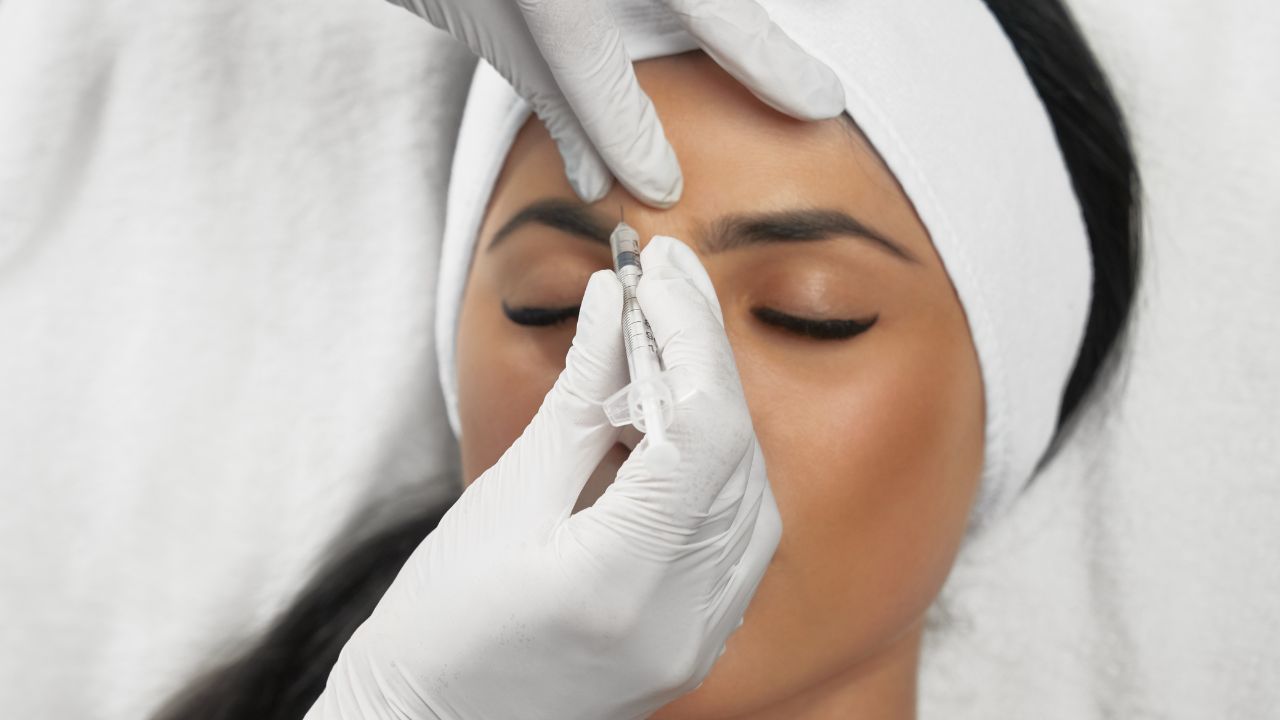
For frown lines between the brows, the FDA indicates that Botox Cosmetic generally lasts around three to four months. The American Academy of Dermatology corroborates this timeframe for wrinkle treatments, mentioning that effects may occasionally last even longer.
Results typically begin to show within 3 to 7 days, according to the AAD, while the Cleveland Clinic reports that complete effects can be observed within 10 to 14 days. This is why scheduling your appointment weeks in advance of a significant event, like a wedding, is advisable rather than waiting until the last minute.
Why Botox Duration Varies Across Different Facial Areas
Each facial area comprises distinct muscles that perform unique functions, which is reflected in the duration of Botox effects. Below is a summary of findings from various sources regarding different treatment areas.
- Frown lines (between the brows): Lasts approximately three to four months as stated on the Botox Cosmetic label. The Dysport label suggests its effects for the same lines may extend up to four months.
- Forehead lines and crow’s feet: The Botox Cosmetic label does not specify a separate duration for these areas. one study on crow’s feet involved re-treatment at day 120, while forehead studies indicated three treatment cycles over one year.
- Upper lip (lip flip): According to the Cleveland Clinic, a lip flip usually endures for two to five months.
- Jaw (masseter muscle): A review published in the journal Toxins in 2025 confirms that studies show effects lasting around three to four months.
- Underarm sweating: Data from the Botox prescribing information indicates that the median time before sweating returns to its previous level is 201 days following the initial treatment.
The duration of Botox effects is not uniform across different areas. The lip flip generally has the shortest duration, while underarm sweating yields the longest, as the Botox is injected into the skin to inhibit sweat glands rather than muscles responsible for expressions. Most facial areas fall somewhere in between.
If you’re considering treatments for the lip or chin, each area has specific considerations. For instance, there are distinct discussions regarding when a lip flip may not be appropriate, and the roles of chin fillers versus Botox.
Insights from Botox Research: Gradual Fading of Results
Botox does not cease to work on a predetermined date; instead, its effects gradually diminish, with individuals experiencing varying rates of fading. The FDA data illustrates this variability beyond the average duration.
In two studies focused on frown lines, researchers evaluated participants’ lines at their most pronounced frown. Here’s a breakdown of the percentage of treated individuals whose lines were rated as none or mild:
- Day 30: 80%
- Day 60: 70%
- Day 90: 48%
- Day 120: 25%
In the initial Dysport study on frown lines, participants were monitored for six months, revealing a similar trend: 88% at day 30, 43% at day 90, 23% at day 120, and 6% at day 180. Although these studies involved different subjects, they highlight a consistent pattern regarding timing.
In practical terms, by three months, about half of the participants in these studies still displayed lines rated as none or mild, while the other half did not. Hence, “three to four months” represents a midpoint. Some may find themselves needing treatment sooner at ten weeks, while others may still enjoy smooth results at five months.
Factors Influencing the Longevity of Botox Effects
Three key factors frequently influence how long Botox lasts: the dosage, individual characteristics, and the specific area treated.
- The dosage: Dr. James Zins, a cosmetic surgeon at the Cleveland Clinic, emphasises that both dosage and individual responses can vary greatly. a lighter dose aimed at achieving a softer appearance may not endure as long.
- The individual: In the aforementioned studies, all participants received the same dosage in identical locations, yet results still faded at different rates. Some individuals noticed their lines reappearing by day 90, while others maintained a mild appearance up to day 180. Your unique physiology plays a significant role in this variability.
- The area: As the earlier list illustrates, different areas like the lip, jaw, and underarms each demonstrate their own duration ranges.
You may come across information suggesting that metabolism, exercise, or certain supplements can affect how quickly Botox dissipates. Results genuinely vary from person to person, as noted by Dr. Zins, but the underlying reasons remain unclear. If you are concerned about any of these factors, consult your injector for personalised advice.
Does Botox Last Longer After Initial Treatments?
It is possible, though the evidence remains inconclusive. Dr. Zins indicated that subsequent injections might last longer than the first, although there is no robust data to confirm this. The Cleveland Clinic’s overview on Botox states that muscles might adapt to contract less over time, allowing treatments to be spaced out more.
For underarm sweating, there is more definitive data. According to the Botox prescribing information, individuals receiving a second treatment reported a median duration comparable to their initial results. Hence, a second treatment generally lasts as long as the first, at least in this context.
The essential takeaway is to avoid forming long-term treatment schedules based solely on your first experience. Observe when you begin to see movement returning, and compare this to the timing after your second or third visits.
What to Expect When You Stop Receiving Botox Treatments
Once you cease Botox treatments, your muscles will gradually revert to their pre-treatment state, and the wrinkles that were softened will reappear. The Cleveland Clinic explains that within three to six months, the effects of the toxin will diminish, and muscle movement will return, resulting in the re-emergence of wrinkles.
The temporary nature of these results is intentional, making Botox a relatively low-commitment option for those wanting to explore a softer appearance. long-term usage can yield different outcomes. Dr. Zins notes that ongoing treatments can lead to muscle weakening due to reduced use, which is a topic worth discussing with your injector if you have been a long-term client.
Understanding the “Rule of 3” for Botox Treatments
The “rule of 3” is a term commonly used in clinics, but it is not a medical standard. It does not appear in the FDA guidelines for Botox Cosmetic or Dysport, and its interpretation can vary. A widely accepted version outlines a rough timeline: days for effects to begin, weeks for results to settle, and months for the effects to last.
This framework aligns with the data. Results typically start to manifest in 3 to 7 days, become fully visible in 10 to 14 days, and last approximately three to four months. Another key point is that the Botox Cosmetic label specifies that treatments should not be administered more frequently than every three months, while the Dysport label advises against doses more often than every three months.
How to Strategically Plan Your Botox Appointments with Your Injector
The most effective treatment schedule is personalised based on your unique results rather than relying on averages. Here’s a straightforward approach to determine your timeline:
- Document your treatment date and specify the areas treated.
- Follow up after two weeks. This timeframe allows for the full effects to be visible, making it an appropriate moment for assessment.
- Monitor when movement returns. From around week eight, periodically check your reflections while raising your brows or frowning.
- Schedule your next appointment around that week, ensuring it is no sooner than three months after your last treatment.
- Bring your notes to your next visit, which will help your injector adjust the dosage or treatment plan as necessary.
If you are also contemplating which product to use, consider reading about why asking whether Botox or Dysport is the right choice may not be the best approach before your consultation. To learn more about the treatment process at ZenVita, visit our Botox and anti-wrinkle injections page, which details the areas we treat.
Common Questions Regarding Botox Duration
What is the typical duration of Botox effects for first-time users?
For frown lines, the Botox Cosmetic label indicates an average duration of three to four months. In the first Dysport study involving individuals who had never been treated, 43% of participants still had lines rated as none or mild by day 90. The Cleveland Clinic highlights that subsequent treatments may offer longer-lasting results for some individuals, though the evidence is not robust.
Is it safe to receive Botox treatments before three months have passed?
The Botox Cosmetic label states that the safety and effectiveness of administering doses more frequently than every three months have not been studied, while the Dysport label advises against treatments more often than every three months. If your results diminish earlier than expected, consult your injector about adjusting your dosage or treatment plan rather than seeking a premature touch-up.
Will my wrinkles worsen if I discontinue Botox?
According to the Cleveland Clinic, stopping Botox treatments results in regained muscle movement and the return of wrinkles. Essentially, your facial movements revert to their pre-treatment state. If you have been undergoing regular treatments for several years, it may be beneficial to discuss any changes in the treated muscles with your injector, as long-term usage can lead to muscle weakening.
Which area treated with Botox has the longest duration of effects?
Among the areas discussed, underarm sweating exhibited the longest reported duration, with a median of 201 days following the first treatment as per the Botox prescribing information. In contrast, the lip flip has the shortest duration, typically lasting two to five months according to the Cleveland Clinic. Most facial areas generally fall within the three to four-month range.
Schedule Your Botox Consultation at ZenVita in Aurora
Every individual’s results fade at their own pace, and your treatment plan should be tailored to your specific needs. At ZenVita, a qualified nurse practitioner will assess the areas you wish to treat, discuss how long results typically last in those areas, and assist you in developing a personalised schedule. Book your consultation at ZenVita in Aurora to begin your journey.
Original Article First Published At: How Long Botox Lasts, Area by Area, and What Changes It