


Understanding Factors Influencing Ducted Air Conditioning Efficiency
Several factors can lead to a ducted air conditioning system underperforming in cooling. Some issues are straightforward to resolve, while others may indicate that the system is approaching the end of its operational lifespan. It's crucial to identify the nature of the problem to take appropriate action. This guide will help you differentiate between minor adjustments and more serious concerns that may require professional intervention or system replacement.

Identifying Common Causes of Poor Ducted Air Conditioning Performance
Are Your Thermostat Settings Optimised?
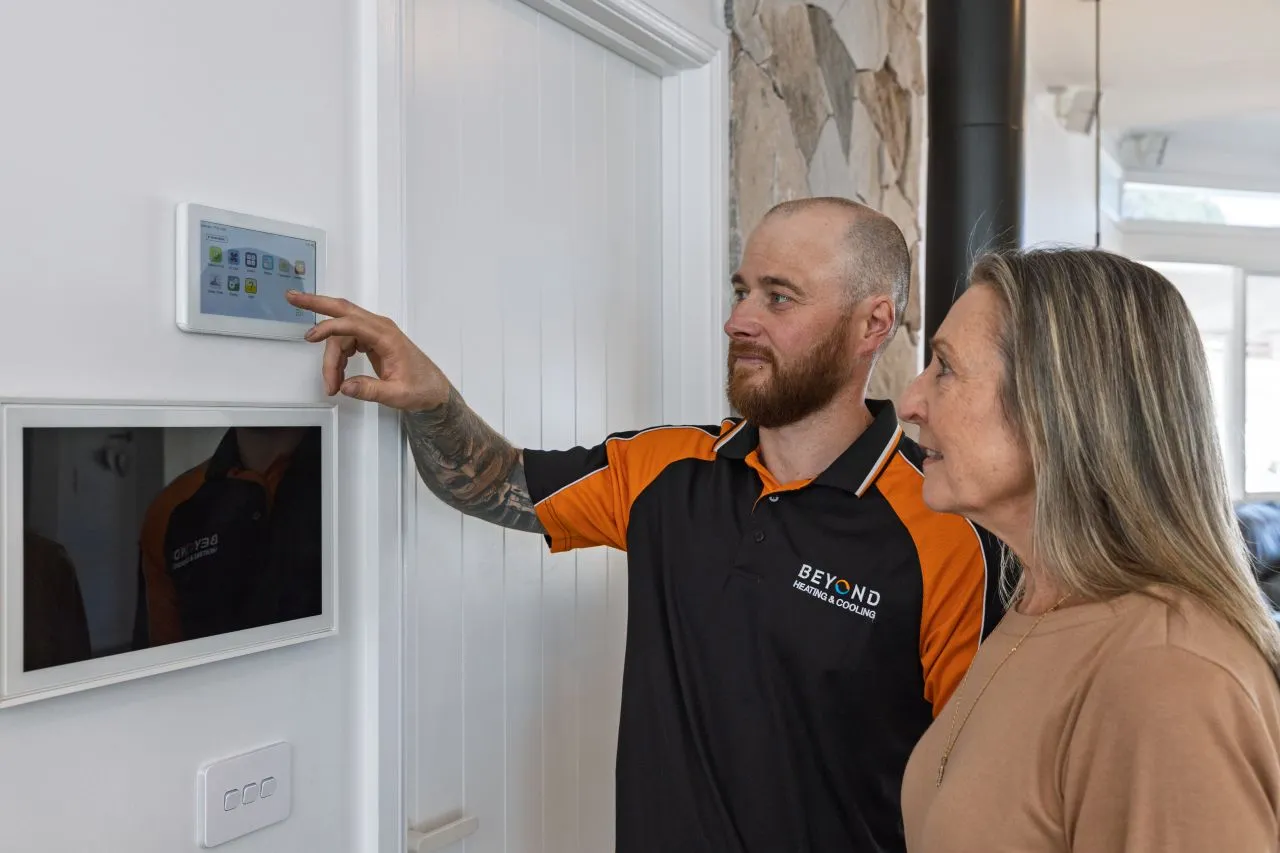
The first step in troubleshooting your ducted air conditioning system should be to verify the thermostat settings. Ensure that the system is correctly set to cooling mode, rather than fan-only or heating modes, and that the desired temperature is set lower than the current room temperature. While this may seem like a basic check, it is surprisingly overlooked, particularly after the winter months when settings are often adjusted and then forgotten. Regularly reviewing these settings can prevent unnecessary discomfort and energy waste.
Is Your Outdoor Unit Obstructed?
The outdoor condenser unit plays a vital role in the efficiency of your ducted air conditioning system. It requires unobstructed airflow to expel heat effectively. If the unit is surrounded by overgrown vegetation, littered with leaves, or confined against a fence or wall, it will struggle to operate efficiently. To enhance the system's performance, ensure there is at least a one-metre clearance around the unit. Regular maintenance of the outdoor area can significantly improve air conditioning efficiency and prolong the life of your system.
Are Your Air Filters Clogged?
Ducted systems rely on return air filters to draw in air efficiently. As these filters become clogged with dust and debris, the airflow diminishes, forcing the system to work harder to cool the space effectively. Regular maintenance, such as removing and cleaning the filters, can alleviate this issue and improve overall performance. Check your system manual for guidance on locating and servicing the filters, which are typically found in a grille on the ceiling or a wall in the hallway. Maintaining clean filters not only enhances cooling efficiency but also promotes better indoor air quality.
Is Your System Low on Refrigerant?
If your ducted air conditioning system is operational but struggling to cool adequately, a refrigerant leak may be the culprit. This issue requires the expertise of a licensed refrigeration mechanic, as it is not something that can be easily diagnosed or repaired by an untrained individual. Signs of low refrigerant include the system blowing air that is merely cool instead of cold, or ice forming on the outdoor unit. Timely identification and resolution of refrigerant issues are crucial to maintaining an efficient cooling system.
Is Your Ductwork Leaking?
Over time, ducts can develop leaks, particularly in older homes where the ductwork has experienced years of expansion and contraction. If cool air is escaping into the roof space instead of being delivered to the intended rooms, the system will struggle to maintain comfortable temperatures, regardless of how hard it runs. Regular inspections and maintenance of ductwork can help identify and seal leaks, ensuring that your air conditioning system operates efficiently and effectively.

When Should You Consider Replacing Your Ducted Air Conditioning System?
This is a critical question faced by many homeowners as they evaluate their current cooling systems. Ducted air conditioning systems typically last around 15 years with regular use. High-quality brands, such as Daikin, with proper maintenance, may even exceed a lifespan of 20 years. However, once a system requires frequent repairs—like refrigerant top-ups, electrical faults, or compressor replacements—the costs can escalate rapidly. It may be more economical to invest in a new unit, which not only offers improved efficiency but also comes with a warranty, thus reducing long-term expenses.
Here's a rough guide to help you make the right decision:
- Under 10 years old — Generally worth repairing, as the system still has significant life left.
- 10–15 years old — Depends on the specific fault and the cost of repair; obtain a quote and evaluate the options.
- Over 15 years — Consider replacement seriously, especially if this is not the first issue encountered.
- Over 20 years — Replacement is almost always the more financially sensible choice.
What Are the Costs Involved in Installing a New Ducted Air Conditioning System?
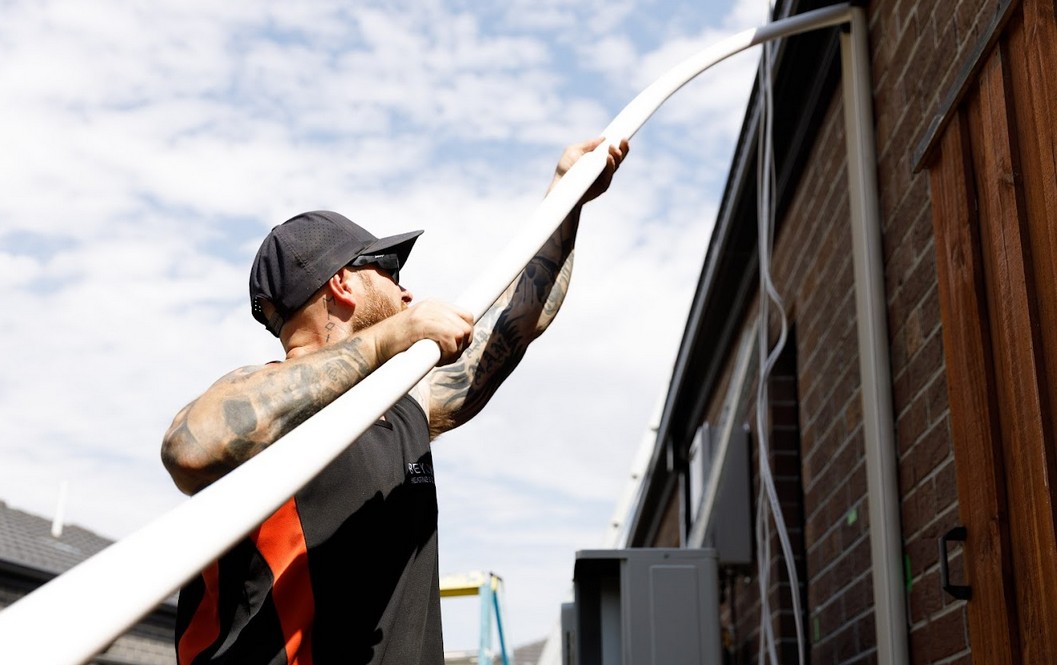
If your current system is ageing and you are contemplating a replacement, the cost of a new ducted reverse cycle installation with Beyond starts from $6,300 for a 12.5KW system accommodating up to 6 outlets, with prices potentially rising to ,380+ for larger premium systems. These prices are inclusive of GST, complete ductwork replacement, and necessary grilles.
Note that the VEU rebate applies only if a gas heating appliance is also being removed during the installation. If your home utilizes gas ducted heating alongside the old ducted cooling system, replacing both simultaneously qualifies for the rebate, which is applied upfront without cumbersome paperwork. This can significantly reduce the overall cost.
If there is no gas appliance being removed, the rebate will not apply. However, we can still provide a new system installation at a competitive price. For a detailed assessment, contact us for a free in-home consultation and fixed quote.
For homes currently equipped with an evaporative cooler instead of a refrigerated ducted system, a straightforward evaporative-to-evaporative replacement begins at $4,400. Should you wish to upgrade to a refrigerated reverse cycle system simultaneously—providing heating and cooling year-round—we can provide a quote for that as well. More information is available on the evaporative changeover page.
The Financial Benefits of Replacing Your Air Conditioning System Early
Even if your old ducted system is still operational, it is essential to consider the overall cost of running it. An air conditioning system that is 15 years old typically utilises technology that is a generation behind the latest inverter systems. Modern air conditioning units consume significantly less electricity to provide the same level of cooling. According to data from the Victorian government, transitioning to an efficient all-electric system can result in savings of approximately $1,900 per year for the average home in Melbourne—this figure does not even account for potential savings from solar energy.
If your existing system incurs high running costs each month alongside repair expenses, the payback period for investing in a new air conditioning system may be shorter than you expect. Evaluating the long-term financial implications can lead to a more informed decision regarding whether to repair or replace your cooling system.
Schedule Your Free In-Home Assessment Today
If you are uncertain about whether to repair or replace your ducted air conditioning system, we are here to assist. We offer complimentary in-home assessments throughout Melbourne’s northern and northeastern suburbs—without any obligation or pressure to buy.
 Call 1800 239 663
Alternatively, fill out the form below, and we will get in touch with you shortly.
Common Inquiries About Ducted Air Conditioning Systems
Why Is My Ducted Aircon Blowing Air That Isn’t Cold?
The most common reasons for a ducted air conditioning system blowing air that lacks adequate cooling include low refrigerant levels, a clogged filter that restricts airflow, or a blocked outdoor unit. If clearing the area around the outdoor unit and cleaning the filters does not resolve the issue, it is advisable to consult a licensed refrigeration mechanic to check the refrigerant levels. Additionally, if your system exceeds 15 years of age, it may be prudent to obtain a replacement quote prior to incurring further repair costs.
What Is the Typical Lifespan of a Ducted Air Conditioning System?
Most ducted systems have an average lifespan of around 15 years when used under normal conditions. A well-maintained Daikin system, known for its reliability, can potentially last up to 20 years. However, once your system surpasses these age thresholds, it operates on outdated technology, incurs higher running costs, and experiences more frequent, costly repairs.
Is It Justifiable to Repair a Ducted System That Is Over 15 Years Old?
In general, repairing a system that is over 15 years old is not advisable unless the required repair is minor and cost-effective. An ageing system needing significant repairs—such as compressor replacements, refrigerant refills, or electrical component fixes—is likely to require further work in the near future. Investing in a new system will provide improved efficiency, lower operating costs, and come with a warranty. It is wise to obtain a replacement quote and compare it to the repair costs before making a final decision.
Do I Need to Replace the Ductwork When Installing a New System?
At Beyond Heating & Cooling, we always include ductwork replacement as part of every installation service. Old ducting often does not match the size specifications of a new system, can leak conditioned air, and tends to accumulate dust over the years. Installing new ducting that is specifically designed for the new system ensures optimal performance and cleaner air quality from day one — and this service is factored into our all-inclusive pricing.
Does the VEU Rebate Apply If I Am Only Replacing an Old Ducted System?
The VEU rebate only applies if a gas heating appliance is also being removed during the replacement. If your home contains gas ducted heating alongside the old ducted cooling system, replacing both will qualify for the rebate. However, if no gas appliance is being removed, the rebate does not apply—but we can still provide a competitive price for your new system installation.
Can Beyond Heating & Cooling Repair My Existing Air Conditioning System?
No, our expertise lies solely in new installations. If your current system requires repairs, you will need to engage a licensed HVAC technician or refrigeration mechanic. However, if you are considering whether it is worth repairing or replacing your system, we are pleased to offer a free assessment and provide a replacement quote, allowing you to make an informed choice.


I appreciate your insights into the factors affecting ducted air conditioning efficiency. It’s fascinating how something as seemingly straightforward as thermostat settings can significantly influence system performance. I remember when I first moved into my current home, I struggled with inconsistent cooling in different rooms. It turned out I had neglected the thermostat settings during the transition, which compounded the discomfort.
Your examination of the factors influencing ducted air conditioning efficiency is both practical and timely, especially as we move through varying temperature cycles throughout the year. I often find myself drawn into the nuances of home climate control, particularly since proper system efficiency not only enhances comfort but can significantly impact our energy bills and overall environmental footprint.
Ah, the mystical world of ducted air conditioning! It’s like having a pet dragon in your attic—if all goes well, it’s a cozy and efficient creature that keeps you cool in the summer heat. But when it’s not quite firing on all cylinders, it quickly goes from being a gentle breeze to a hot breath of frustration.
I really appreciate this deep dive into ducted air conditioning efficiency! It’s so true that we often overlook some of the most fundamental aspects, like checking thermostat settings before jumping to conclusions about system failure. I remember a time last summer when I was panicking about my air conditioning system not cooling my home effectively. I was convinced it was time to call in the professionals for what I assumed was a serious issue. It turned out that my thermostat had somehow switched back to heating mode—it was a simple fix, but I felt a bit embarrassed that I hadn’t checked that first!
Your insights on optimizing thermostat settings resonate with my own experiences regarding ducted air conditioning systems. I previously encountered performance issues that stemmed from user error — adjusting the thermostat incorrectly can really impact efficiency. It encourages me to reflect on how much we take these systems for granted, despite their complexity.
This blog post provides an excellent foundation for understanding the nuances of ducted air conditioning efficiency, a topic that often doesn’t receive the attention it deserves. I appreciate how you highlighted the importance of starting with simple checks, such as thermostat settings. It’s astonishing how frequently these basic components are overlooked, yet they can significantly impact system performance.