

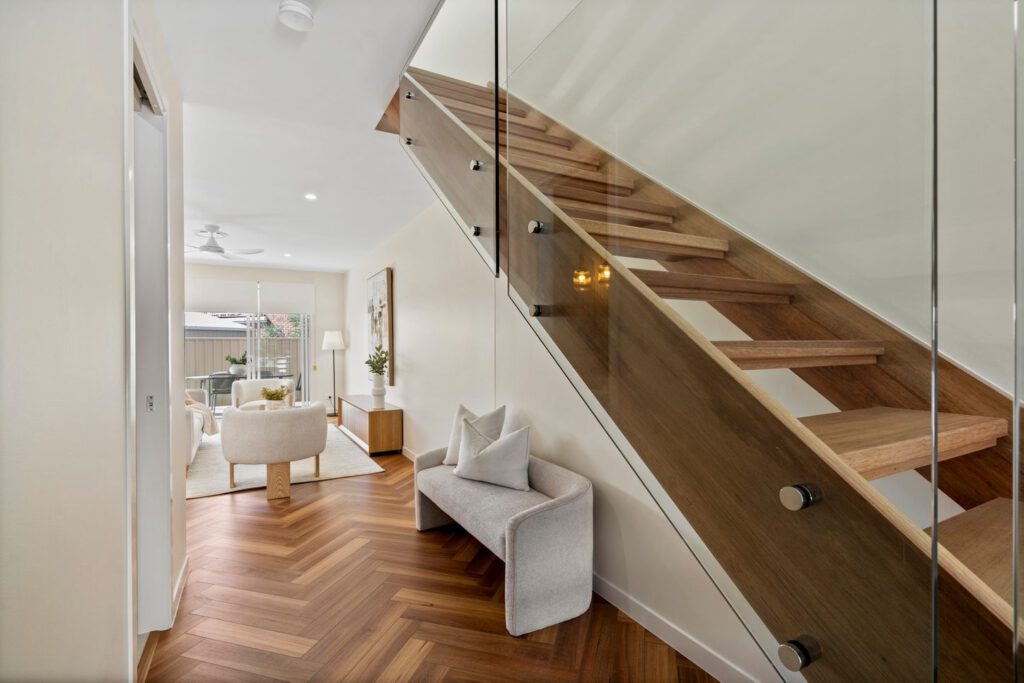
Every custom home construction project features variations. Some may involve just a few, while others can encompass hundreds. The distinction between a build that stays within budget and one that overshoots by $80,000 often hinges on how variations are managed, rather than if they arise.
If you are on the verge of signing a building contract or are already in the midst of construction and noticing escalating costs, understanding this aspect of the process is crucial. Variations can significantly impact homeowners, and they are the easiest element to lose sight of during a build.
This article will clarify what a variation is, the true costs involved, the five primary reasons they accumulate, and the essential questions to pose to your builder before you commit.
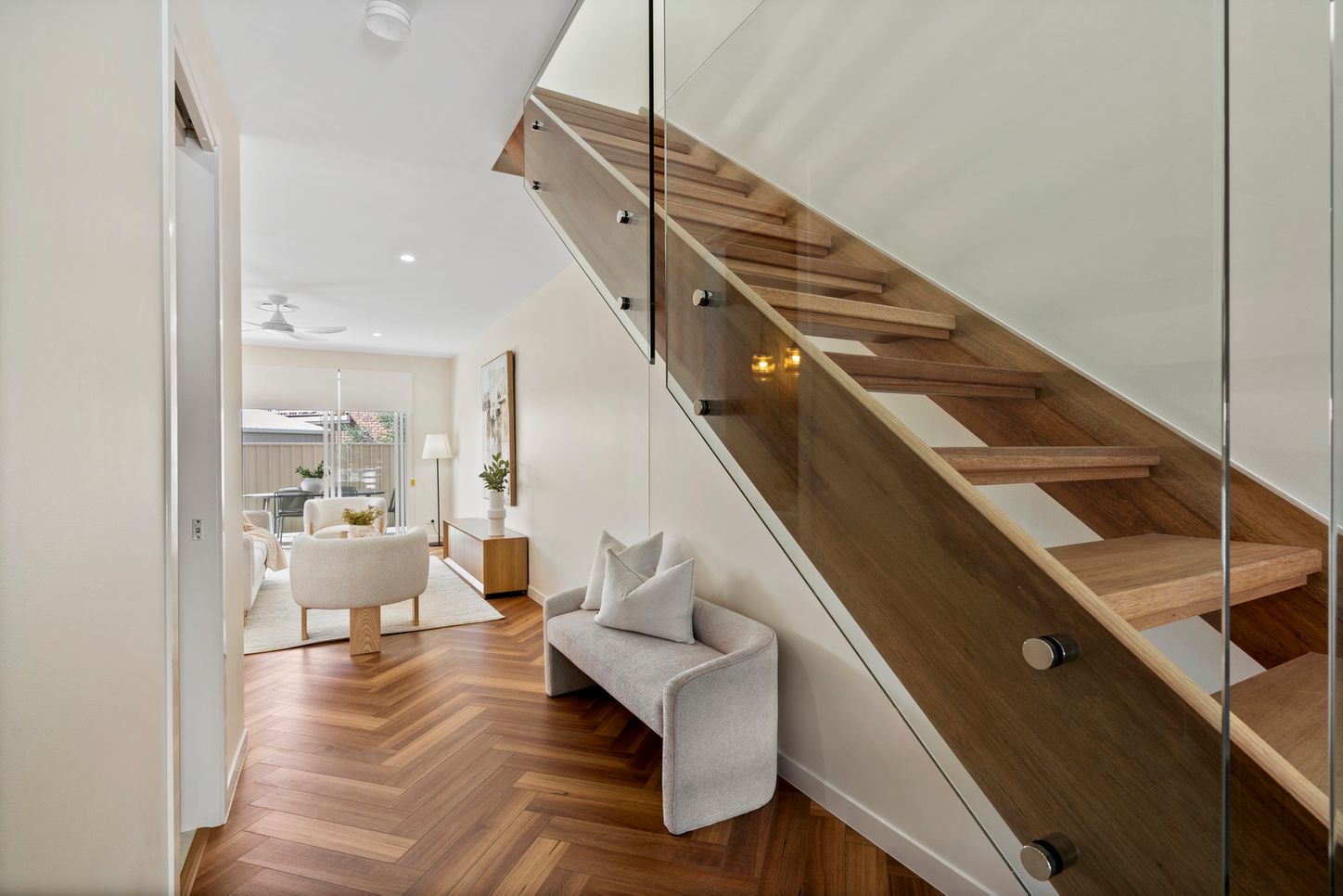
Understanding Variations in Home Building
A variation is defined as any modification to the building contract or plans after the contract has been signed.
In essence, if there is any deviation from what is outlined in the original contract—whether it’s a different tap, tile, wall position, appliance, or timber species—it qualifies as a variation. Each variation must be priced, documented, agreed upon, and signed off before work commences.
Some variations are minor, such as moving a power point 300mm or swapping one tile for another at the same cost. Others can be substantial, like altering the kitchen layout after framing has begun or adding a deck not included in the original plans. Both types follow the same documentation process, but their financial implications can differ greatly.
The contract you signed serves as a fixed baseline. Everything else constitutes a variation.
Navigating Variation Orders Effectively
A proper variation order is a formal written document and must include:
- Details of the change — described in clear terms to avoid confusion later
- The total cost — encompassing labour, materials, and any builder markup
- The time implications — indicating how many days this will add to the overall build schedule
- Signatures from both parties — yours and the builder’s, prior to work initiation
If your builder suggests a verbal agreement like “we’ll sort it out later,” that raises a red flag. We will delve into why this approach is problematic shortly.
The variation should be quoted and signed before any work starts. Once work is completed, your ability to negotiate diminishes—you cannot simply demand the builder to undo work if the costs exceed your expectations.
The True Financial Impact of Variations
Variations invariably cost more than getting things right the first time. This is a consistent truth in construction.
When an item is included in the original contract, it is planned, scheduled, and priced as part of a coordinated project. Materials are ordered in bulk, trades are scheduled sequentially, and no work needs to be redone.
Introducing a variation disrupts this workflow. The builder must halt progress, re-quote, reorder materials, reschedule trades, and potentially undo previously completed work. These actions incur additional costs, which the builder will pass on to you. While this is often justified, the expenses can escalate quickly.
Typical variation costs for a custom build in Brisbane include:
- From $500 for minor adjustments such as relocating a power point or changing a tap fitting
- From ,000 to ,000 for relocating a wall or window, depending on the construction stage
- From $10,000+ for changes to kitchen layouts mid-build, ensuite reconfigurations, or structural modifications
- From $30,000 to $80,000+ for total variation costs on a poorly managed custom build
The last figure listed is particularly concerning. We have encountered projects where the total cost of variations exceeds $100,000 due to inadequate tracking. Each individual change may seem minor at the time, but they accumulate significantly.
Time also incurs costs. Variations not only increase financial outlay; they can prolong the project timeline. A two-week delay in framing can push back subsequent trades, resulting in additional weeks of site costs, finance interest, and rent for temporary accommodation.
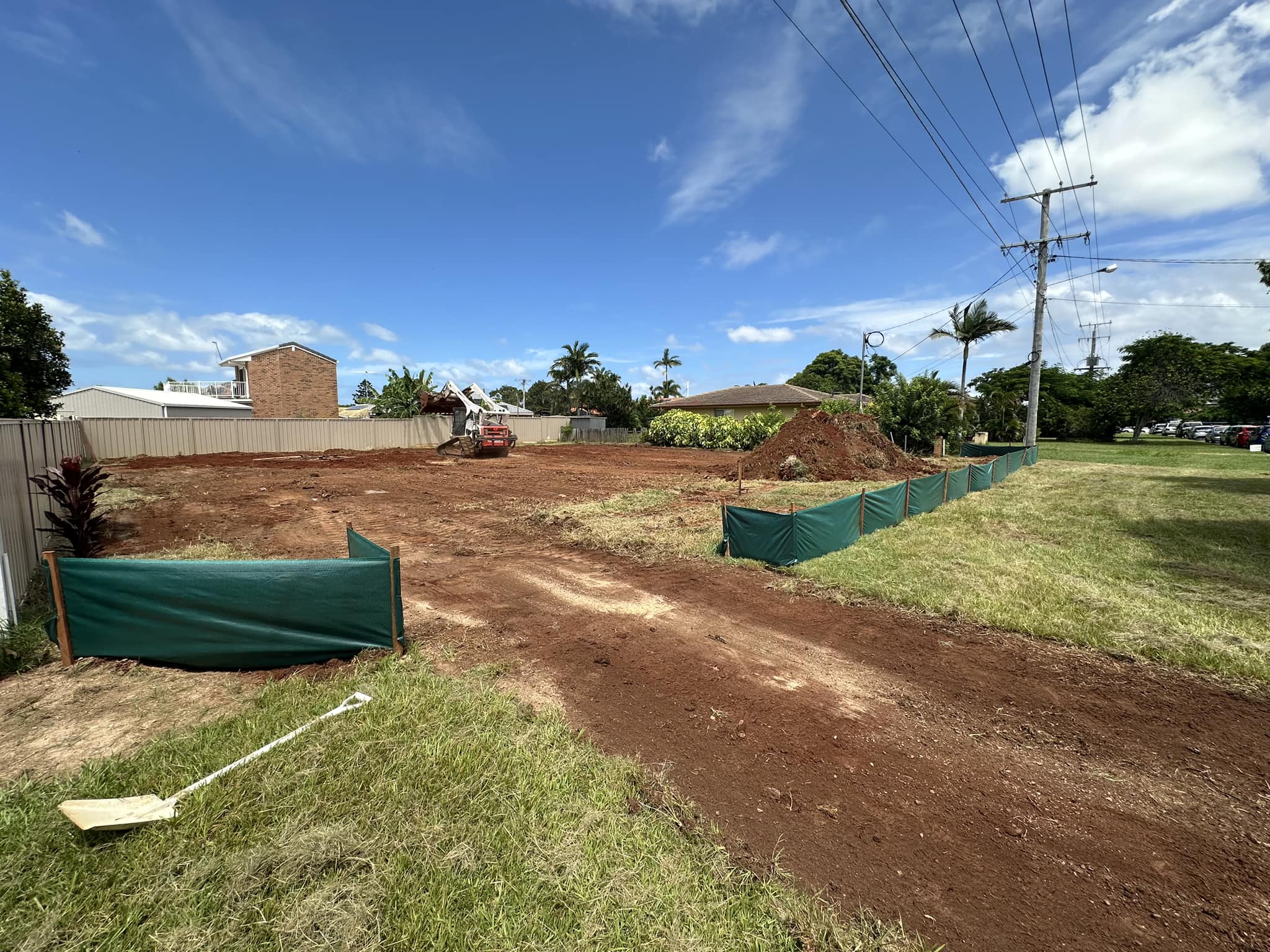
Identifying the Five Primary Sources of Variations
Variations arise from five main sources. Recognising which one affects your project can help mitigate future changes.
1. Design Changes Initiated by Clients
As you see your kitchen taking shape, you might decide you want a larger island. Walking through the framed bedrooms may lead you to realise the master suite is smaller than anticipated, prompting changes to your bathroom tile choices.
These types of variations are the most prevalent and easiest to manage—by investing more time in the design phase. Every alteration made on paper incurs no cost, while modifications made on-site can lead to significant expenses.
2. Scope Changes Due to Additions
You may opt to include a butler’s pantry, a deck, or a pool, or decide to add built-in joinery that wasn’t initially planned.
While some of these additions may be genuinely beneficial, others may stem from impulsive decisions you might regret when the final invoice arrives. Regardless, these changes count as variations and can accumulate costs rapidly.
3. Unexpected Site Issues
You might encounter unforeseen challenges such as rock beneath the slab, undiscovered drainage problems, or a neighbour’s tree root invading your construction area. Soil testing typically identifies major issues, but Brisbane sites—especially those with slopes or older infill—can present surprises.
Such variations are not anyone's fault, yet they still incur costs. A reputable builder will alert you to potential risk areas before signing the contract.
4. Errors or Rework by the Builder
Mistakes such as constructing a wall in the incorrect location, installing a window in place of a door, or a tradesperson using the wrong concrete mix can lead to variations.
These should not become variations that you are responsible for financially. If the builder is at fault, they should rectify the error. Keep an eye on your variation list for any items that seem to be masking a mistake.
5. Substitutions by Suppliers
If the specified tap is on a six-month back-order, if the tile is discontinued, or if the manufacturer changes the benchtop colour, it results in variations.
A competent builder will source a like-for-like replacement at no additional cost. An incompetent builder may use this situation as an opportunity to upsell or downgrade your selection without informing you. This is an area that requires close scrutiny.
Understanding Why Design-First Approaches Lead to More Variations
If you engage an architect or a designer first and then seek quotes from builders based on those plans, you are following what’s known as a “design-first” or “tender” approach.
This traditional method has a fundamental flaw: the designer does not consider construction costs during the design process. you might end up with stunning plans that exceed your budget by $200,000, forcing you to cut features one variation at a time to align with your financial limits.
Even when budget and design align, design-first builds typically experience more variations due to the following reasons:
- The designer may not specify every detail (allowances and provisional costs are often used as placeholders)
- The builder may lack comprehensive knowledge regarding every product choice
- Decisions may be deferred to the construction phase
The outcome is often a mentality of “we’ll work it out as we go,” which leads to variations.
How a Streamlined Design-and-Build Process Reduces Variations
The design-and-build approach—where one company manages both design and construction—does not eliminate variations entirely. No method can achieve that. it significantly reduces their occurrence because:
- Build costs are evaluated against the design at every phase, not just at the conclusion
- Specifications are firmly established before the contract is signed
- The builder is already aware of what is to be included, minimising surprises during construction
- Allowances and provisional sums are used judiciously, with actual prices wherever feasible
The trade-off is that you are committing to one team for both stages of the project. selecting the right team is of paramount importance.
For further insights into this process step by step, refer to our guide on the stages of building a custom home.
Key Questions to Ask Your Builder About Variations Before Signing
Before committing to a contract, consider asking the following questions. Pay attention to how they respond—their level of comfort is often more telling than the answers themselves.
- What is your average variation total for a project similar to mine? A confident builder will provide you with a figure. A vague response is a warning sign.
- What margin do you apply to variations? The industry standard is 15–25% on top of the cost. Some builders may charge more. Ensure this is documented.
- What is your process for approving variations? Look for a clear written procedure: quote, sign, and then work begins. Not the reverse.
- Can I view a sample variation order? A professional builder should have a template readily available.
- What items are included in the contract as Provisional Sums or PC items? These are placeholders, and each one represents a potential future variation. Fewer placeholders are preferable.
- What do you recommend for contingency planning? A sensible answer would suggest holding back 5–10% of the contract value for unexpected expenses.
Warning Signs: Builders Who Intend to Profit from Variations
Some builders may provide low quotes to secure a project, then recoup their margins through variations. This is a known tactic within the industry. Here’s what to watch for:
- The initial quote is noticeably lower than competing offers you’ve received
- The contract features numerous allowances and PC sums instead of fixed prices
- The specification document lacks detail—finishes, fittings, and inclusions are not clearly outlined
- They are vague about variation pricing when questioned
- They downplay the importance of the design phase and are eager to commence construction quickly
If you notice two or three of these indicators, it’s advisable to walk away. What appears to be a low quote can evolve into a costly build.
To get a sense of what realistic costs are in this market, consult our breakdown of the expenses involved in building a custom home in Brisbane.
Strategies to Safeguard Yourself
The essence of the preceding points is as follows:
- Invest ample time in the design phase. Every choice made on paper incurs no costs, while every decision made on-site can lead to significant expenses.
- Finalise specifications thoroughly. Brand, model, colour, and finish should all be documented prior to signing the contract.
- Maintain a contingency fund. Set aside 5–10% of the total build cost, remaining untouched until necessary.
- Thoroughly review the contract. Pay special attention to the variation clause and the schedule of allowances.
- Establish a written variation process from the outset and adhere to it. Avoid verbal agreements.
- Keep track of the running total. Maintain your own spreadsheet to monitor expenses. Don't wait for the final bill to discover your final position.
If you are contemplating a knockdown rebuild in Brisbane, managing variations becomes even more critical—unexpected site issues are more common when working within an existing footprint.
Frequently Asked Questions
Can Variations Be Avoided?
Not entirely. Even with the most meticulously planned builds, unforeseen issues can arise—a product might be discontinued, site conditions might change unexpectedly, or your preferences may shift once you can walk through the framed spaces. The objective isn’t to eliminate variations completely but to keep them manageable, intentional, and accurately priced.
What Is a Reasonable Variation Total for a Custom Build?
For a well-managed custom build in Brisbane, anticipate variations to fall between 2% and 5% of the contract value. For a $1.5 million build, this equates to $30,000 to $75,000. If your variations exceed this range, it suggests that either the design was not adequately defined or that changes are being made that should have been addressed earlier.
Am I Obliged to Accept a Variation?
No. A variation cannot proceed without your written approval. If a builder attempts to implement changes without your consent, that constitutes a breach of contract, and you are not obligated to pay for it. if an unexpected site issue necessitates a fix, refusing the variation could halt construction, so it becomes a matter of negotiation rather than an outright refusal.
What Is a PC Sum?
PC stands for Prime Cost. It serves as a placeholder allowance for an item that has yet to be specified—typically fixtures and fittings like taps, appliances, or tiles. The contract will contain a budget figure (for example, $4,000 for kitchen tapware), and the actual cost is reconciled later. If the cost exceeds the allowance, it results in a variation. The fewer PC sums included in your contract, the fewer unexpected costs you’ll face.
How Do Variations and Provisional Sums Differ?
A Provisional Sum refers to work where the full scope isn’t defined at the time of contract signing—like piering, where the soil report might suggest “approximately $15,000,” but the actual cost is contingent on subsurface conditions. A variation, on the other hand, is a change to work that was already delineated. Both will adjust your final bill, but they operate through different mechanisms.
Can I Negotiate the Price of a Variation?
Yes, particularly if it’s a significant variation. You have the right to request a detailed breakdown of how the price was formulated—labour, materials, and margin. If any aspect seems excessive, seek a second opinion prior to signing. Once you sign, the price is fixed.
Consult With Us Before You Commit
Most of the issues with variations stem from insufficient planning at the outset of a build. By the time the contract is signed, the cost trajectory is often already established.
If you are still early in the process—even in the phase of selecting a builder—we are here to guide you through what a well-structured design-and-build process looks like and what to look for in any contract you are considering.
Reach out to us for an honest discussion about your project.
Original Article First Published At: What Are Variations in a New Home Build — And How to Avoid Them Costing You Thousands


Your insights on variations in custom home construction offer a valuable perspective that many prospective homeowners may overlook. It’s interesting to consider how even minor changes can compound and create significant budgetary impacts. From my own experience in a recent renovation project, I found that seemingly small decisions—like choosing different fixtures or altering a design element—quickly added up.
I really appreciate your insights into the complexities of custom home construction and the often-overlooked aspect of variations. It’s intriguing how such modifications—viewed as small changes—can snowball into significant budget overruns. I recall a friend who made seemingly minor adjustments to their home plans, like adding a custom stone fireplace and altering a wall for a bigger window. Initially, it felt like the changes were manageable, yet by the end of the project, they had exceeded their budget by more than $50,000 due to unforeseen costs associated with those variations.
Your insights on variations in custom home construction are incredibly relevant and resonate deeply with anyone who has been through the building process or is considering it. I remember when my partner and I embarked on our home-building journey a few years back; the excitement of creating a space that reflected our vision was palpable. However, navigating the myriad of decisions—from floor plans to finishes—proved to be more intricate than we anticipated.
This article brings to light a crucial aspect of the custom home building process that often flies under the radar during the excitement of designing and planning one’s dream home. The financial implications behind variations are indeed profound, and it’s sobering to think about how the difference between staying on budget and exceeding it by a significant amount can often boil down to the management of these variations.