

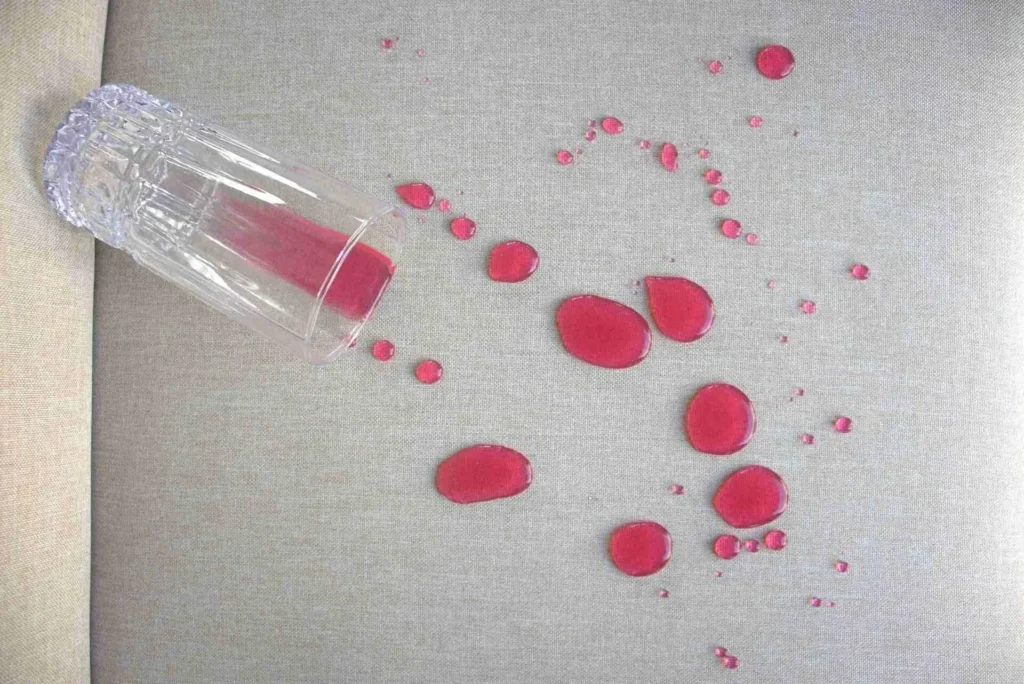
For new parents and grandparents facing the dilemma of a pristine fabric couch now marked by a toddler's sticky hands, whether it's banana, juice, pasta sauce, marker, or something worse.
Most toddler stains can be removed if you take action within the first hour and apply the correct method for each specific stain. The wrong approach can make them permanent. Always use cold water. Blot instead of rubbing. Work from the outside of the stain towards the centre. Below are the precise, calming steps to tackle the 10 common stains caused by toddlers.
Your toddler has just spilled banana, juice, or a handful of pasta sauce on a couch that was delivered just three weeks ago. You might feel a surge of panic. Keep calm — the next sixty seconds are crucial, more so than the next sixty minutes, and you're fully capable of handling this.
This guide is what we wish every proud new-couch owner had readily accessible on their fridge.
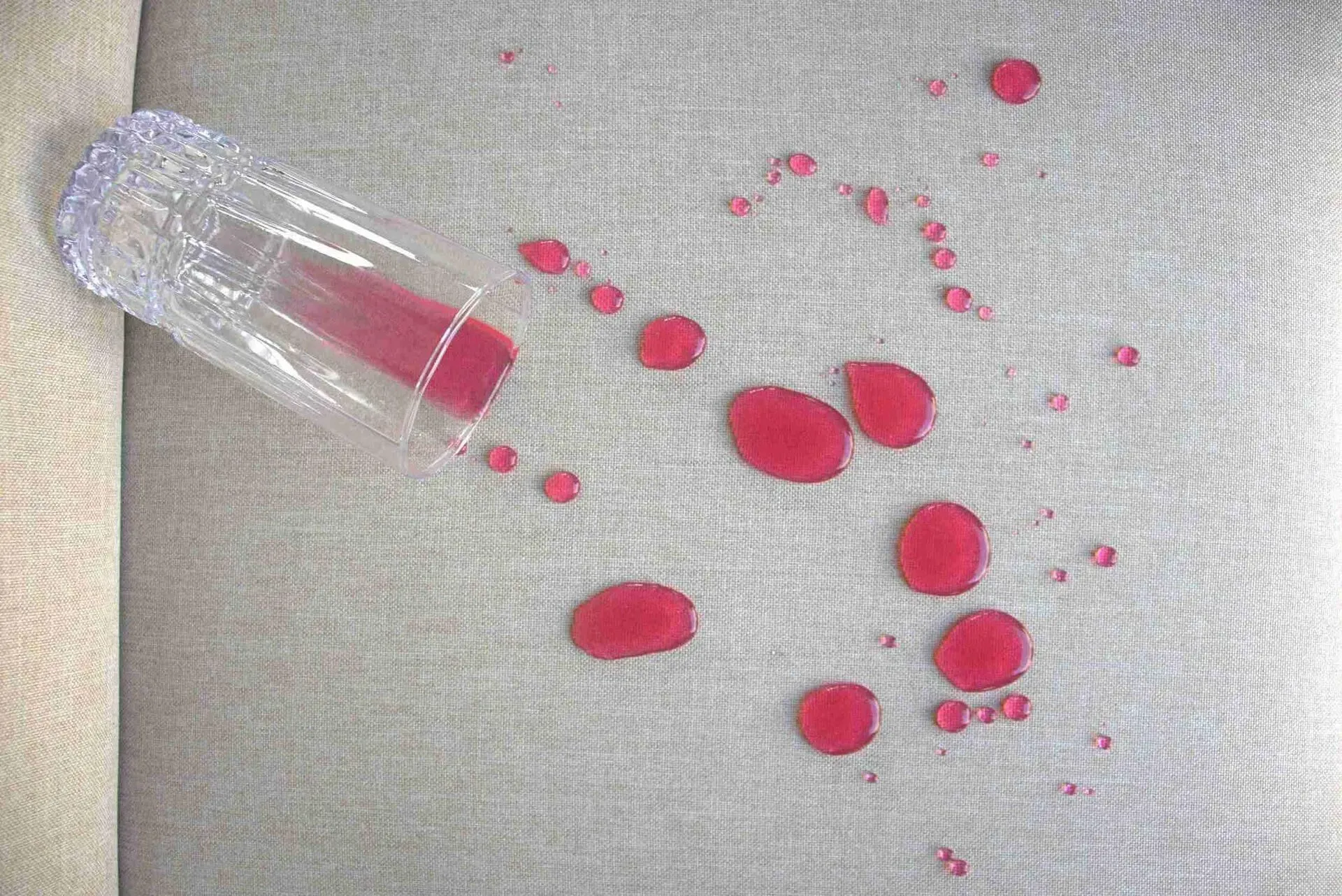
Immediate Action: First 60 Seconds to Save Your Couch
Start by lifting your toddler off the couch, take a deep breath, gather cold water and clean white cloths, blot the stain (never rub), and work from the outer edge of the stain inwards. These five steps are universally applicable to all stains mentioned in this guide.
Before reaching for anything in your laundry cupboard, follow this sequence of five steps. They are effective for every stain listed here.
- Remove the toddler from the couch. The mess on the cushion is manageable — it’s the mess on their hands and clothes that will continue to spread until they are off the furniture.
- Take a moment to breathe. A minute of calm thinking is more effective than two minutes of panicked scrubbing.
- Gather cold water and clean white cloths or paper towels. Always use cold water — avoid warm or hot. Stick to white cloths to prevent any dye transfer onto your fabric.
- Blot instead of rubbing. Rubbing forces the stain deeper into the fibres and damages the fabric’s surface texture. Blotting will lift the stain out.
- Work from the outside of the stain inwards. This technique prevents the edges from spreading and creating a larger stain while you clean.
That’s your universal strategy. Now let’s move on to the specific actions for tackling different stains.
Essential Guide to Common Toddler Stains
Each type of stain requires a slightly different approach. For food, fruit juices, and tomato sauce, use only cold water and blotting. For vomit, start with baking soda. For crayon and gum, freeze them with ice, then scrape. Blood requires cold water only (as heat can set the stain permanently). For marker and red wine, it’s best to call a professional immediately.
Food Stains (banana, mashed meals, avocado)
You have only two minutes before that banana stain sets. Use a blunt knife or the back of a spoon to gently scrape off the solids — lift across rather than pushing down. Blot the stain with cold water and a clean white cloth, changing to a fresh area of the cloth each time. If any residue remains, apply a fabric-safe spot cleaner (avoid dish soap as it leaves a yellowing residue). Allow the area to air dry — do not use a hairdryer.
Fruit Juices and Cordials
Act immediately with cold water. Sugary drinks can set quickly and leave a sticky residue even after the colour has been removed. Blot the area — do not pour water directly onto it. Use multiple gentle passes with a damp cloth instead of soaking it, and avoid applying heat. Heat can caramelise the sugar into the fibres, turning a manageable spill into a permanent stain.
Tomato Sauce or Pasta Sauce
Start by scraping off any solid bits. Sauce left on the surface does not help, while pushing it into the fibres causes damage. Dab the area gently with cold water. Never rub red sauces on light fabrics; this will spread the pigment outward, creating a halo effect around the original spot. If colour persists after blotting, call a professional as tomato pigment is notoriously difficult to remove without the right enzymatic cleaner.
Vomit
Scrape the solid matter directly into a bag without attempting to rinse it off the couch first. Generously sprinkle baking soda over the affected area to absorb moisture and neutralise odours. Allow it to sit for ten to fifteen minutes, then vacuum it up. Blot the area with cold water. Open a window for ventilation, as it is equally important to remove the smell since it can linger in the cushion filling if the area remains damp.
Milk or Formula
Use cold water immediately, followed by an enzyme-safe upholstery cleaner. Milk may not seem problematic initially, but if left unattended, the protein can sour and create an unpleasant odour that lingers for weeks. Blot the area thoroughly, then press a dry cloth to draw moisture out of the foam. If the smell persists after 24 hours, contact a professional.
Crayon or Wax Stains
Avoid using water directly as this will smear the wax. Start by scraping with a blunt knife. If the stain is smeared in, harden it by placing an ice cube in a sandwich bag against the stain for a minute, then scrape again. Once the bulk of the wax is removed, a fabric-safe solvent spot cleaner can help lift any colour residue. Always test the cleaner on a hidden area first to ensure it won’t react adversely with the fabric.
Marker Pen or Texta
Time is of the essence. Use a fabric-safe alcohol-based cleaner, dabbing it gently (not rubbing) with a white cloth to lift most water-based markers if caught within the hour. Always test the cleaner on a concealed area first, as alcohol can extract dye from some fabrics. If it’s a permanent marker, limit your attempts to one gentle try and call a professional, as DIY methods often spread the stain further.
Water-Based Paint
Use cold water immediately, before the paint dries. This type of stain is one of the easiest to remove if addressed while still wet — water-based paint comes out of upholstery effectively with cold water and a clean cloth. If it has dried, soften it by placing a damp cloth over the spot for ten minutes before blotting. Avoid scraping off dried paint, as this can damage the fibres and leave a fuzzy patch.
Blood Stains (from nosebleeds, scrapes, or mouth injuries)
Only use cold water. Avoid warm or hot water, as heat can set protein stains (like blood, milk, and vomit) into the fibres permanently. Blot with cold water and a clean white cloth, changing out patches as the stain lifts. For tougher stains, a small amount of salt-water solution can assist. If the stain is completely dried in, do not continue to scrub; call a professional to prevent further setting.
Sticky Substances (lollipops, ice cream, chewing gum)
Do not reach for water initially. Instead, apply an ice cube in a sandwich bag to the sticky area for one or two minutes until it hardens. Then, peel or scrape off the solid residue — most of the mess should come away in one piece. Only after the bulk has been removed should you use a damp cloth to clean the remaining residue. Wet cleaning while the sticky substance is still present only spreads the mess.
Critical Mistakes to Avoid When Cleaning Stains
Avoid rubbing, using hot water, applying Scotchgard on a wet stain, using baby wipes, or leaving soaking wet towels on the stain. These five actions can turn a fixable spill into a permanent mark.
- Never rub the stain. Rubbing damages the fibres and drives pigment deeper into the fabric. Always blot.
- Don’t use hot water. Heat sets protein stains (like blood, milk, and vomit) and caramelises sugar stains. Stick to cold water only.
- Avoid spraying fabric protectors on wet stains. Products like Scotchgard can lock the stain in. Protect a clean, dry couch instead of treating a fresh spill.
- Skip baby wipes. Though they seem appropriate, baby wipes leave behind a chemical residue that attracts dirt for months, and their surfactants can shift the dye in the fabric.
- Do not place a wet towel on the stain and walk away. Moisture can seep into the cushion filling, leading to mould and an even deeper stain than you started with.
When to Seek Professional Help — Call a Cleaner Within 24 Hours
For stains like red wine, ink, permanent marker, any stains larger than your hand, or stains that have dried in, and for delicate fabrics such as velvet, linen, and viscose, it’s crucial to call a professional cleaner within 24 hours. This timeframe is essential before most stains become set in.
Certain stains are not suitable for DIY methods, and repeated attempts can often worsen the situation. Contact a professional upholstery cleaner within 24 hours if:
- It’s red wine, ink, or permanent marker.
- The stain is larger than your hand.
- It has already dried in before you noticed it.
- You’ve attempted DIY cleaning once and it didn’t lift the stain.
- Liquid has soaked through to the cushion filling (you can feel it when you press down).
- The fabric is delicate — velvet, linen, or viscose blends (these require different cleaning chemistry — see the Fine Fabric note below).
The 24-hour window is crucial. After this period, most stains settle in and the focus shifts to “lifting what we can” rather than complete stain removal.
Guidelines for Cleaning Delicate Fabrics — Velvet, Linen, Viscose
Fine fabrics require specialised care that differs from standard upholstery cleaning. If your couch is made of velvet, linen, viscose blend, or fine-weave fabric, avoid using standard spot cleaners. The cleaning agents that are safe for polyester weaves can dull the pile of velvet or extract dye from linen.
For these delicate fabrics, the Wundaguard Fine Fabric Spot Cleaner (250mL) is specifically formulated to lift stains without damaging the fibres or pile. It is the product we trust and use for every fine-fabric job.
If you’re unsure about the material of your couch, check the care tag, typically located under a cushion. When in doubt, contact us before attempting any cleaning methods.
Benefits of Wundaguard Protection for Your Couch
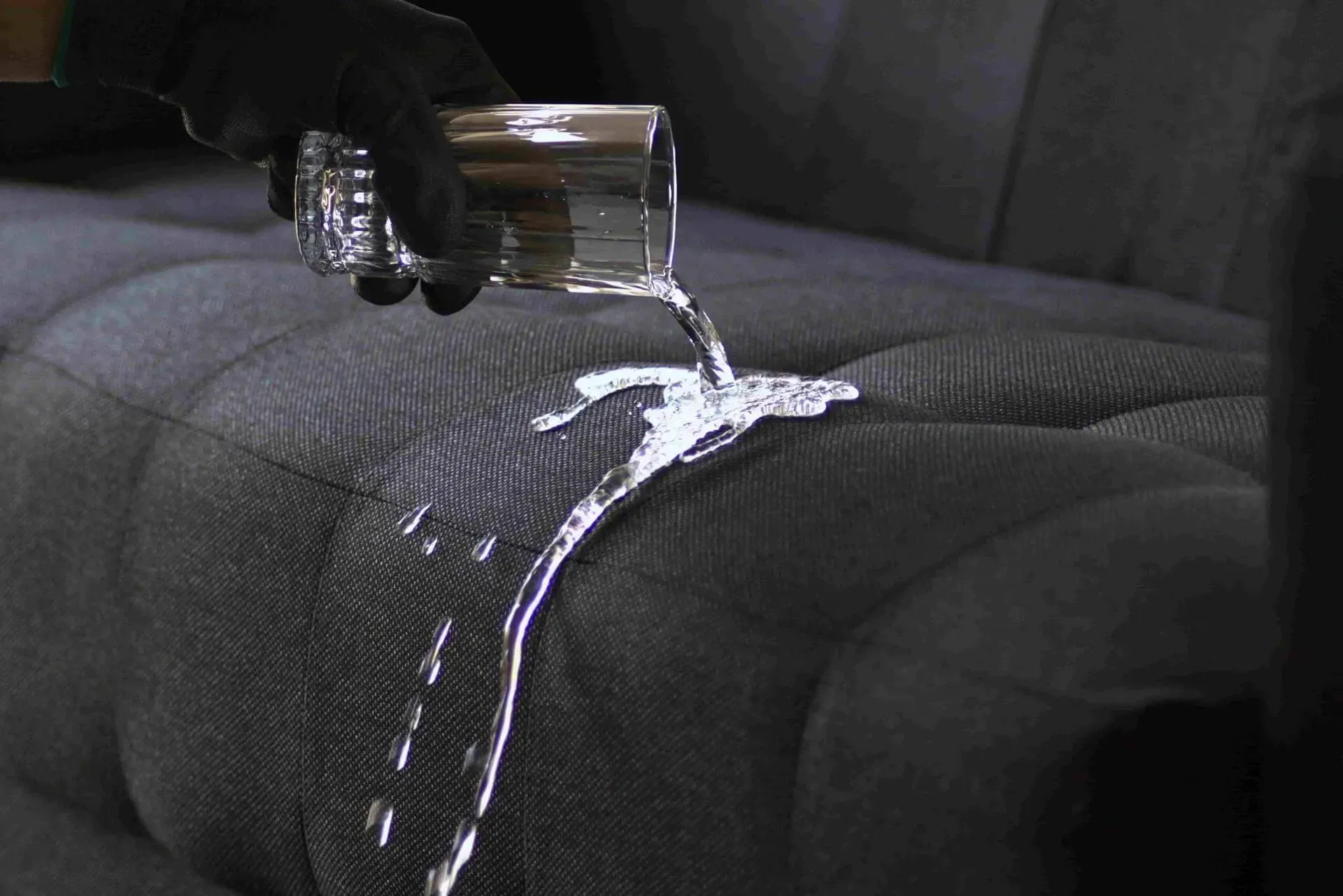
Here’s a significant advantage: a Wundaguard-treated couch provides you extra time. Spills remain on the surface instead of soaking in, giving you valuable minutes to react rather than just seconds. Most accidents can be resolved with just cold water and a cloth without needing a spot cleaner. This makes cleaning easier, improves results, and helps the fabric maintain its appearance for years.
To keep your protective treatment effective (and your warranty valid), ensure your couch is professionally cleaned every 18 months. This maintenance clean is also when the protective treatment is checked and replenished where necessary.
For New-Couch Owners — Essential Cleaning Supplies to Keep Handy
If you purchased your couch from Lounges Plus, Known For Lounges, or Strictly Comfort, you were likely offered Wundaguard fabric protection at the point of sale, and a care guide should have come with your couch. Locate that guide in your paperwork drawer. It provides detailed instructions on what your fabric can withstand.
For everyday toddler mishaps, ensure you have the right spot cleaner readily available:
- For standard fabric couches: Wundaguard Fabric Spot Cleaner ($39) — available at Strictly Comfort and the Wundaguard online store.
- For velvet, linen, viscose, or fine-weave fabrics: Wundaguard Fine Fabric Spot Cleaner (250mL) — formulated specifically for delicate materials, ensuring it won’t disturb the pile or extract dye. Available at the Wundaguard online store.
These products contain the same chemistry used by professional cleaners, packaged for home use. They are safe on Wundaguard-protected fabric without voiding your warranty.
Frequently Asked Questions
My toddler stained the couch days ago — is it too late to clean?
Not necessarily, but it may require professional assistance now. Dried stains can often still be removed, but the DIY methods outlined here are intended for fresh spills. Scrubbing an old stain can damage the fabric further. Reach out to us — we can provide an honest assessment of whether it can still be lifted.
Can I use baby wipes? They’re designed for babies, so they must be safe, right?
While they are safe for skin, they are not suitable for upholstery. Baby wipes leave a surfactant residue on the fabric that attracts dust and dirt for weeks. You may end up with a clean area that turns grey within a month.
Is it acceptable to hire a steam cleaner for my upholstery?
For most upholstery, the answer is no. Steam can damage the fabric backing, distort the shape of the cushions, and, in the case of protein stains (like milk, blood, or vomit), heat can set the stain permanently. Cold-water blotting is almost always the recommended home method.
Does my couch’s fabric protection cover these types of stains?
Fabric protection makes stains easier to remove and gives you more time to react, but it does not make your couch completely stain-proof. If you have maintained your professional cleanings every 18 months, your warranty remains valid, and we can usually address any issue that DIY methods couldn’t resolve.
My couch is made of velvet — can I use the standard spot cleaner?
No. Velvet, linen, viscose, and fine-weave fabrics require the Wundaguard Fine Fabric Spot Cleaner, not the standard version priced at $39. It features a different chemistry. Using the incorrect product can dull the velvet pile or extract dye from the linen.
Will the stain return if it has dried?
Sometimes, this phenomenon is known as wicking. Moisture can draw the stain back up to the surface as the cushion dries. If you notice a faint ring reappearing a day later, it indicates that the stain still resides in the cushion filling, not just the cover. This situation requires professional cleaning.
When This Guide May Not Apply to You
- Your furniture is made of leather, vinyl, or hard surfaces. This guide pertains solely to fabric. Contact us for tailored advice.
- You plan to use supermarket carpet shampoos or “miracle” sprays on a Wundaguard-protected lounge. These products will void your warranty — we recommend refraining from this.
- You seek a one-off discount upholstery clean without aftercare. We have earned the trust of Freedom Furniture, Lounges Plus, and Strictly Comfort — we are not the cheapest option available.
Need Assistance with a Stain You Can't Remove?
Wundaguard — Sydney upholstery cleaning services and nationwide fabric protection. With over forty years of experience caring for Australian couches since 1985.
Upholstery cleaning starting from $33 per seat
Phone: 1300 360 824
Online: contact form
If your couch lacks fabric protection, now is the perfect time to consider it — before the next banana incident. Contact us, and we will guide you through your fabric's specific needs.
Original Article First Published At: Upholstery Cleaning From $33/Seat — Toddler Stained Your New Couch? Don’t Panic, Step-By-Step Guide



I can totally relate to that initial panic! Our couch took its fair share of toddler “art” when my daughter was learning to eat. I remember one incident with spaghetti sauce that felt like a total disaster at the time. Your point about acting within the first minute is so true—blotting away quickly definitely saved that particular cushion!
This guide is such a lifesaver! I vividly remember when my son decided to use our new couch as a canvas for his spaghetti masterpiece—total panic mode for sure! I ran to grab a cloth, but I think I made the mistake of rubbing instead of blotting. Spoiler alert: the stain stayed.
It sounds like you had quite the adventure with that spaghetti artwork! Kids really have a talent for turning ordinary moments into unforgettable chaos. Rubbing can definitely turn a small mess into a stubborn stain, and it’s such an easy mistake to make in the heat of the moment.
This is such a relatable guide! I can completely picture that panicked moment when my toddler made a beeline for our brand-new couch with a handful of spaghetti. I’ve learned the hard way that swift action is key; those hours of scrubbing often led to more damage or set stains. Your tips about working from the outside in and using cold water are spot on.
I totally get that panicked feeling when a toddler decides to unleash a food masterpiece on furniture. It’s like a scene straight out of a parenting comedy, isn’t it? I’ve had my share of those moments too, and it really does feel like a race against the clock. Your point about swift action being crucial resonates so much. I remember reading somewhere that in addition to the techniques you mentioned, having a small “emergency cleaning kit” handy can make a big difference. Just having a few essentials like cold water and a gentle soap nearby can transform that moment from catastrophe to manageable.
It sounds like you’ve had quite the experience with that spaghetti disaster! I can definitely relate to those heart-stopping moments when little ones sprint toward something they shouldn’t. It’s almost like they have a radar for mischief. I’ve found that the best approach is to stay calm and think quickly, but it’s so easy to feel overwhelmed in those situations.
It’s so relatable to read about the panic that comes with toddler stains! I remember when we first got our light-colored couch and my little one treated it like a canvas for every food experiment imaginable. Your point about the first 60 seconds being crucial is spot on. I had a moment where I reacted calmly during a grape juice spill—just that initial instinct to blot rather than rub saved me from what could have been a permanent disaster.
I can relate to the panic of seeing a pristine couch become a canvas for toddler creativity! Those first few seconds are indeed crucial, and I’ve learned the hard way just how important it is to act fast. Last month, my little one got into some bright red juice, and I almost lost it. I remembered the advice to blot, not rub, and thankfully saved the couch. It’s impressive how much we can manage with just a few simple steps.
Ah, the joys of parenting and grandparenting! It’s funny how your pristine world turns into an art gallery of stains when little ones enter the picture. I remember the first time my toddler decided that the couch was the perfect canvas for his pasta art masterpiece. My heart sank as I stared in horror at the vibrant marinara splatter, and I distinctly remember approaching that stain like I was defusing a bomb. Spoiler alert: the couch survived, but my sanity was a different story!