
Termite management systems comprise both chemical and physical barriers designed to prevent termites from infiltrating a building unnoticed. Commonly referred to as pre-construction treatment zones, these systems are implemented at the beginning of new builds or renovations. In New South Wales, builders are required to establish a termite risk management (TRM) system during the construction of new homes to safeguard against potential infestations.
The standard guiding these systems is AS 3660.1. Typically, most new homes in Sydney incorporate either a termite reticulation system, a termite barrier, or a combination of both. These barriers serve as both physical and chemical deterrents to protect the timber structures within your home.
- The National Construction Code mandates a termite management system for any house situated in an area where termites pose a risk, particularly when the main structure includes timber or other materials susceptible to termite damage.
- Systems must adhere to the requirements outlined in AS 3660.1 or pass the tests specified in Section 5 of AS 3660.3.
- Your meter box should contain a durable notice that identifies the system, its installation date, and the recommended inspection schedule.
- Responsibility for installation lies with the builder for new constructions or renovations, not the homeowner.
Factors such as soil type, climate, and known termite activity in your area influence the most suitable system for your property. The Housing Industry Association (HIA) offers a straightforward overview of termite management practices for new building projects, which may be worth exploring for more information about the standard.
Why Is Effective Termite Management Essential?
Termites are social insects that form large colonies. In their natural habitat, they play a crucial role by breaking down cellulose found in decaying wood. problems arise when a colony discovers the timber within your home. The National Construction Code highlights that Australia is home to over 350 termite species, with approximately 30 of these capable of causing significant damage to structures.
Which Termite Species Are Responsible for Damage in Sydney?
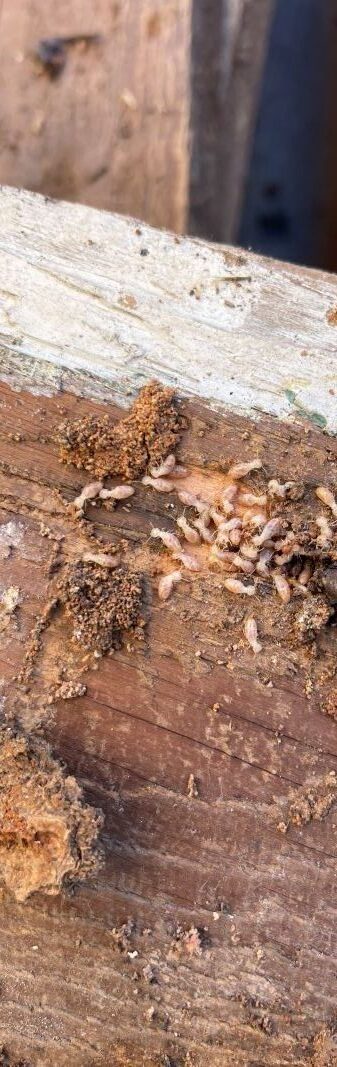
In Sydney, the primary culprits for damaging homes are subterranean termite species. These termites establish their nests in the soil, tree stumps, or the root crowns of trees, travelling to timber structures through the ground or via mud tubes they construct over solid surfaces. Since they operate largely out of sight, termite infestations can go undetected for an extended period.
The Australian Museum identifies Coptotermes acinaciformis as the most destructive termite species in Australia. This species nests in tree stumps, live trees, spaces beneath buildings, and even within walls. From their nests, they can access timber up to 50 metres away through their extensive underground tunnel systems. Nasutitermes walkeri, which constructs round nests in trees within Sydney's coastal bushland, is also common in the area, although it is noted to rarely attack buildings.
What Do Termites Require for Survival?
Termites thrive on moisture, food, and warmth. They seek consistent moisture from sources like leaking pipes, damp soil, or inadequate drainage. Their diet consists primarily of cellulose, found in wood, paper, and other plant materials. homes with timber frames, timber floors, or timber decking provide ample sustenance for termites. They also tend to prefer warm environments.
While you cannot control the weather, you can eliminate moisture sources and reduce accessibility to food. Address leaks, maintain clear gutters, and ensure that timber, mulch, and stacked wood are kept away from the exterior walls of your home.
How Is Termite Risk Evaluated for New Constructions?
The assessment of termite risk considers both the building and the land it occupies. According to Part 3.4 of the National Construction Code Housing Provisions, a termite management system is essential when constructing a house or outbuilding in regions known to be at risk of subterranean termite activity, especially when primary structural elements are vulnerable to termite attack.
The Code identifies materials that termites cannot attack, including steel, aluminium, concrete, masonry, fibre-reinforced cement, naturally termite-resistant timber listed in Appendix C of AS 3660.1, and preservative-treated timber as specified in Appendix D. If only certain components of the structure are susceptible, the system must be applied only to those areas. The Code also advises that termites can infiltrate through mortar and other joints in masonry.
Proximity to bushland, mature trees, and garden beds increases the risk by providing termites with food sources and concealed access to the walls. In our experience, homes situated throughout the Hills District are often in prime termite territory, so it is prudent to assume your block is at risk until an inspection confirms otherwise.
What Are the Termite Protection Protocols in NSW?
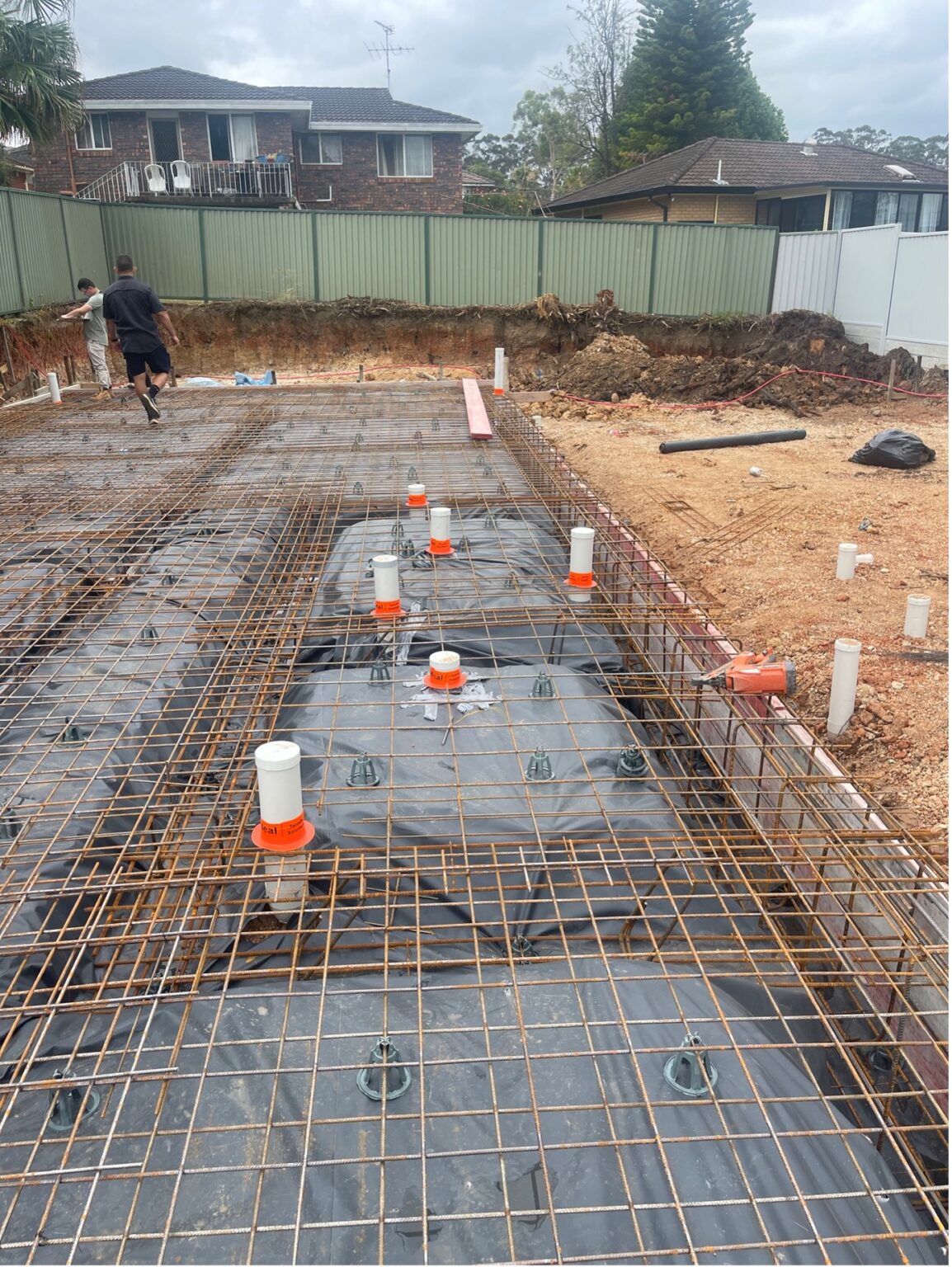
In New South Wales, the responsibility for installing a termite risk management system for new building projects falls on the builder, as clearly stated in the NSW Government's guidelines regarding building safety and standards. The specific system employed will depend on whether the house is constructed on a concrete slab or a raised floor.
The NSW Government outlines several options, including chemical barriers, physical barriers, termite-resistant materials, construction methods that mitigate risk, and landscaping designed to deter termites. It is important to note that some building contracts may attempt to transfer the builder's responsibility for the termite system onto the homeowner, so it is essential to read your contract thoroughly and understand who is accountable.
The technical requirements are detailed in Part 3.4 of the National Construction Code Housing Provisions. The installed system must conform to AS 3660.1 or meet the tests set out in Section 5 of AS 3660.3. If the system employs chemicals, those chemicals must be listed on the national pesticides register maintained by the Australian Pesticides and Veterinary Medicines Authority (APVMA).
Physical barriers may consist of graded stone or stainless steel mesh, while chemical systems rely on a treated soil zone or a reticulation system filled with termiticide. For those constructing in Vineyard or other developing areas of the Hills District, our page on termite treatment in Vineyard provides local insights.
What Information Does the Durable Notice in Your Meter Box Provide?
The National Construction Code mandates that a durable notice be permanently affixed to the house in a conspicuous location, such as the meter box. This notice must detail the termite management system used, the installation date, the expected lifespan of any chemical as indicated on its registered label, and the recommended frequency for inspections.
If you are unsure about the protection measures in place for your home, checking your meter box is often the quickest way to ascertain the system that was installed and when the chemical is due to expire.
Do Local Councils Impose Additional Requirements?
Certain councils in NSW may require additional documentation or impose extra conditions in areas with high termite activity. These requirements can vary significantly from one council to another, so it is advisable to consult with your local council or certifier before construction begins.
What Termite Management Systems Can Safeguard Your Home?
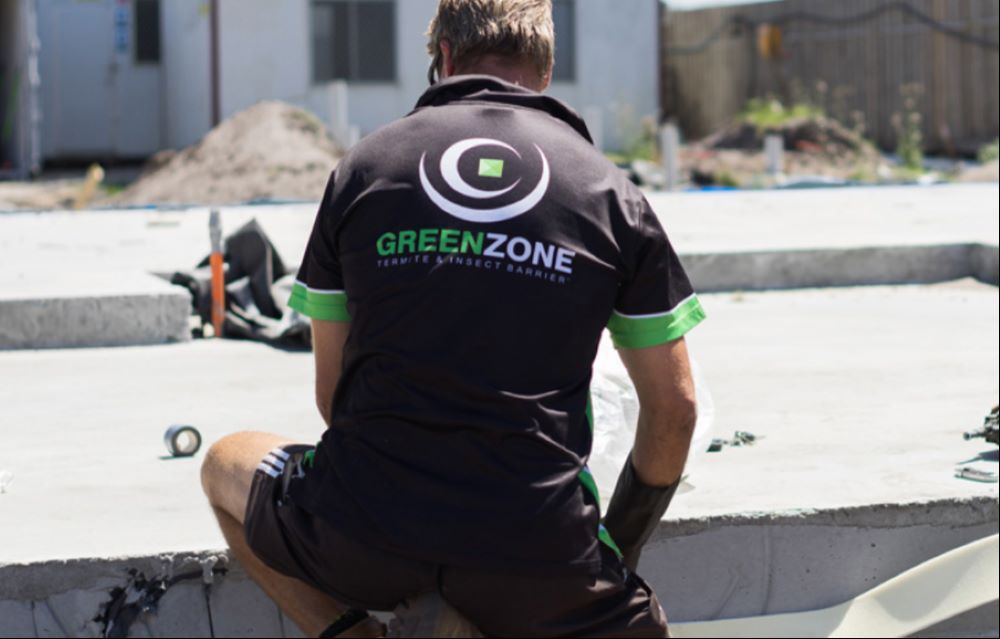
Most homes benefit from a combination of physical barriers, chemical treatments, and, in cases of existing termite activity, baiting and monitoring stations. The National Construction Code makes it clear that no single system can entirely prevent termite activity on a site. Instead, these systems aim to complicate termite entry into buildings while their effectiveness relies on regular maintenance and proficient inspections.
Physical Barrier Systems Explained
A physical barrier consists of materials that termites cannot chew through or manipulate, such as stainless steel mesh or graded stone. During construction, mesh is installed at potential entry points, including pipe penetrations through slabs. Graded stone is laid down as a layer that termites cannot tunnel through.
For optimal results, physical barriers should be used in conjunction with other termite management strategies. Soil movement, the addition of new garden beds, and subsequent construction work can compromise or damage these barriers, making adherence to an inspection schedule crucial.
Chemical Soil Treatments: What to Know
Chemical soil treatments involve the application of termiticide to the soil surrounding and beneath the house to establish a treated zone that termites will avoid or perish in. This treated area is typically created by trenching and applying the termiticide, or by injecting the chemical directly into the ground. It is essential that the chemicals used are registered with the APVMA, and they should be applied by a licensed pest controller to ensure proper dosage and coverage.
Chemical treatments do not offer permanent protection. The lifespan of the chemical is indicated on the durable notice, and the treated zone requires replenishment or renewal once its effectiveness diminishes.
Understanding Reticulation Systems
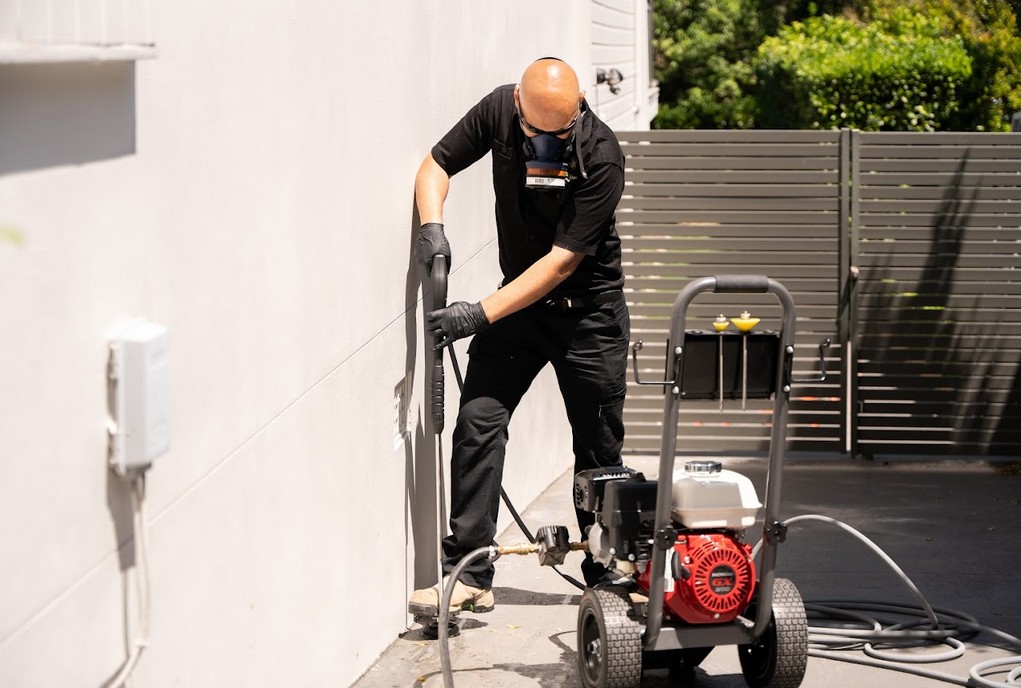
A reticulation system functions similarly to a chemical soil treatment, but it delivers termiticide via a network of perforated pipes installed around the foundations during construction or renovation. The termiticide seeps out from small openings in the pipes and into the surrounding soil. Once the pipes are in place, there is no need to excavate the ground again to replenish the system.
We position the piping around the building's foundation, and this system is particularly advantageous for homes featuring pavers or other hard surfaces along the perimeter, as the chemical can be replenished without disturbing the pavers. Many homeowners opt for a reticulation system during new builds or renovations. For more information, read about termite reticulation systems.
Baiting and Monitoring Systems: An Overview
Baiting and monitoring stations represent another method for managing termites, and we implement them when termite activity is already present on the property. These stations are situated in the ground around the house and contain a cellulose bait that termites transport back to their colony.
Regular inspections of the stations enable monitoring of termite feeding activity and determine if the bait needs replacement. Baiting requires patience, as it may take several months to eliminate the colony.
Why Use a Combination of Systems?
Employing a combination of physical barriers, chemical treatments, and baiting tailored to your property typically offers better protection than relying on a single system. Regular inspections conducted by a licensed pest controller ensure the systems work together effectively by detecting termite activity early. Proper drainage, maintaining a gap between soil and timber, and ensuring dry conditions near the walls all contribute to the systems' efficacy.
How to Maintain a Termite-Free Home After Construction?
Maintaining a termite-free home after construction relies on consistent upkeep and inspections. The National Construction Code specifies that the effectiveness of a termite management system hinges on regular maintenance and proficient inspections, meaning your responsibilities do not end once the builder hands over the keys.
Address any leaking pipes and dripping outdoor taps, and keep your gutters clean to prevent overflow during rain. Moisture accumulation near the foundations undermines previous termite treatments and invites new infestations.
Importance of Regular Termite Inspections
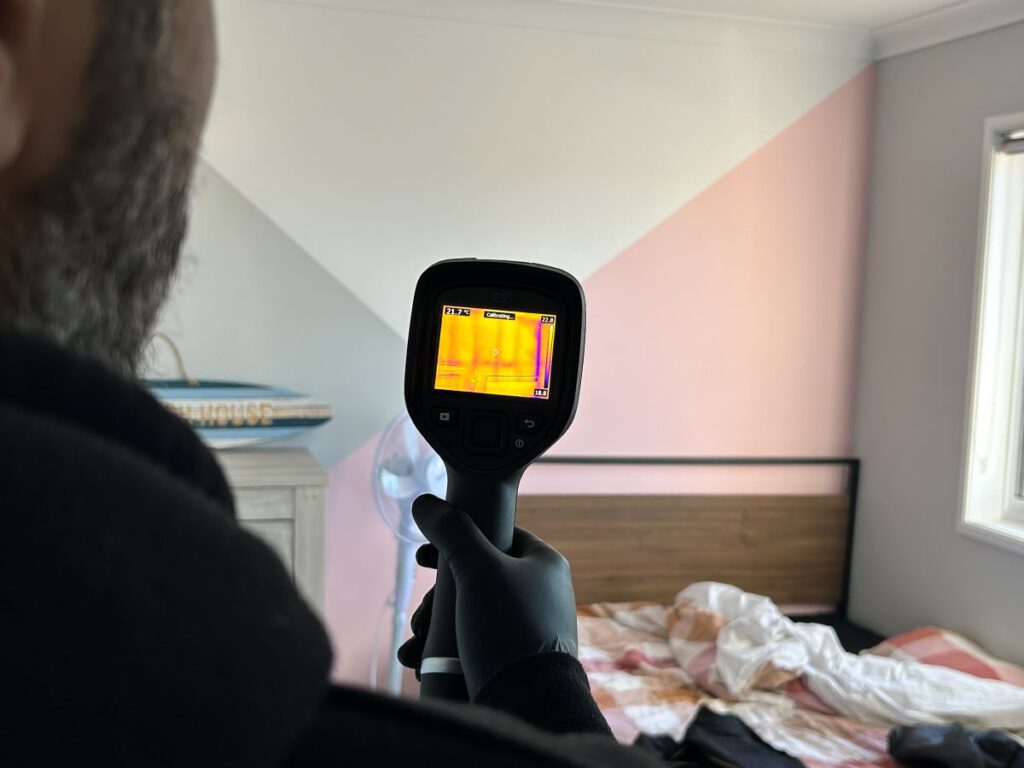
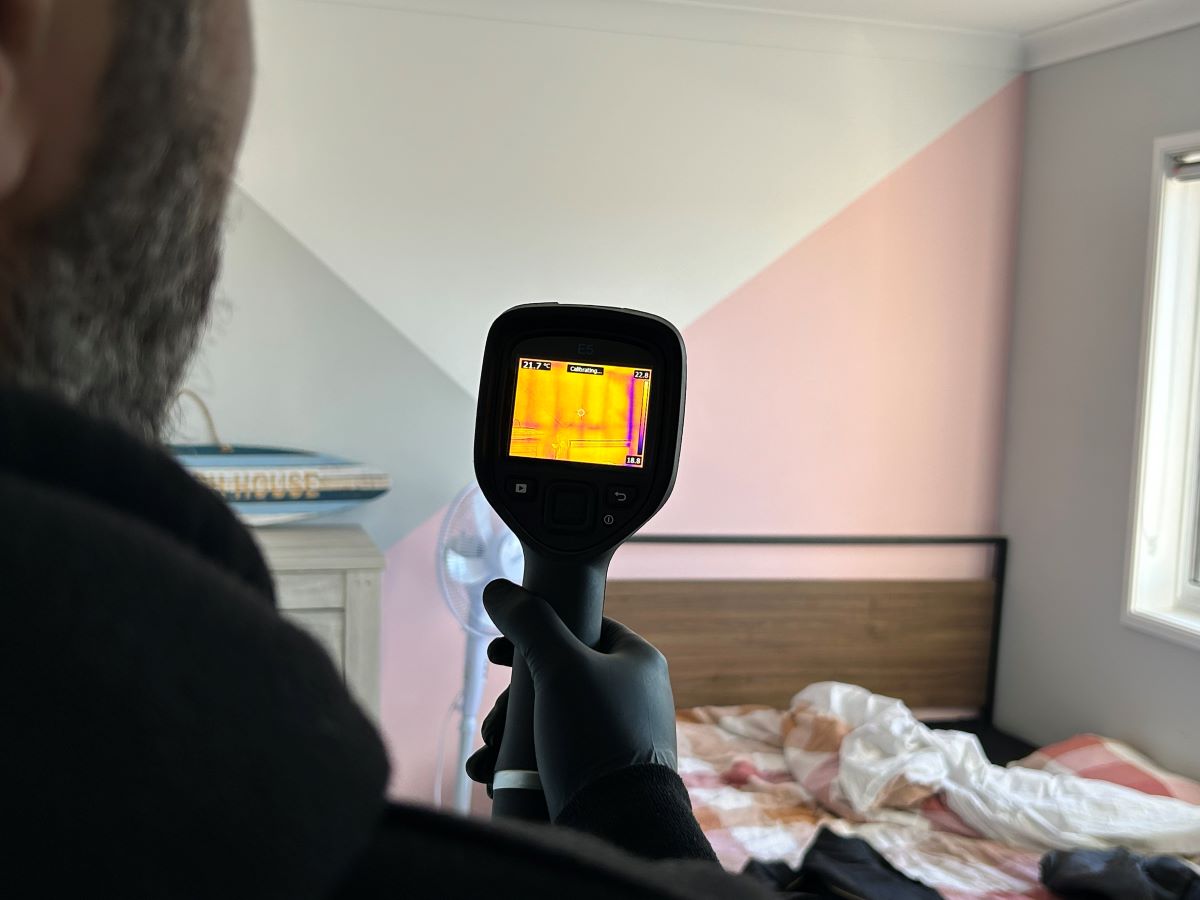
Conducting regular termite inspections helps identify termite activity before it escalates into structural damage. Schedule inspections as per the frequency indicated on the durable notice in your meter box, ensuring that they cover the roof void, subfloor, and the exterior of the house.
Every termite management system has its own strengths and limitations, and no system is entirely foolproof. Termites have been known to circumvent treated zones. some systems require routine professional inspections to maintain warranty validity, so be aware of the conditions associated with your system. it is the property owner's responsibility to ensure that inspections are conducted.
Watch for signs of infestation, such as mud tubes on walls or piers, discarded wings near windows, and timber that sounds hollow when tapped. Pay special attention to decks, fences, and other timber elements close to the ground, as these are more accessible to termites.
How Can Homeowners Prevent Termite Infestations?
Keep woodpiles, mulch, and garden beds well away from the foundations, and ensure there is a clear gap between the soil and any timber components of the house. Familiarise yourself with the early warning signs of termite presence; a homeowner who identifies mud tubes early significantly reduces the scope of the problem for the pest controller.
What Should You Do If Termites Are Discovered?
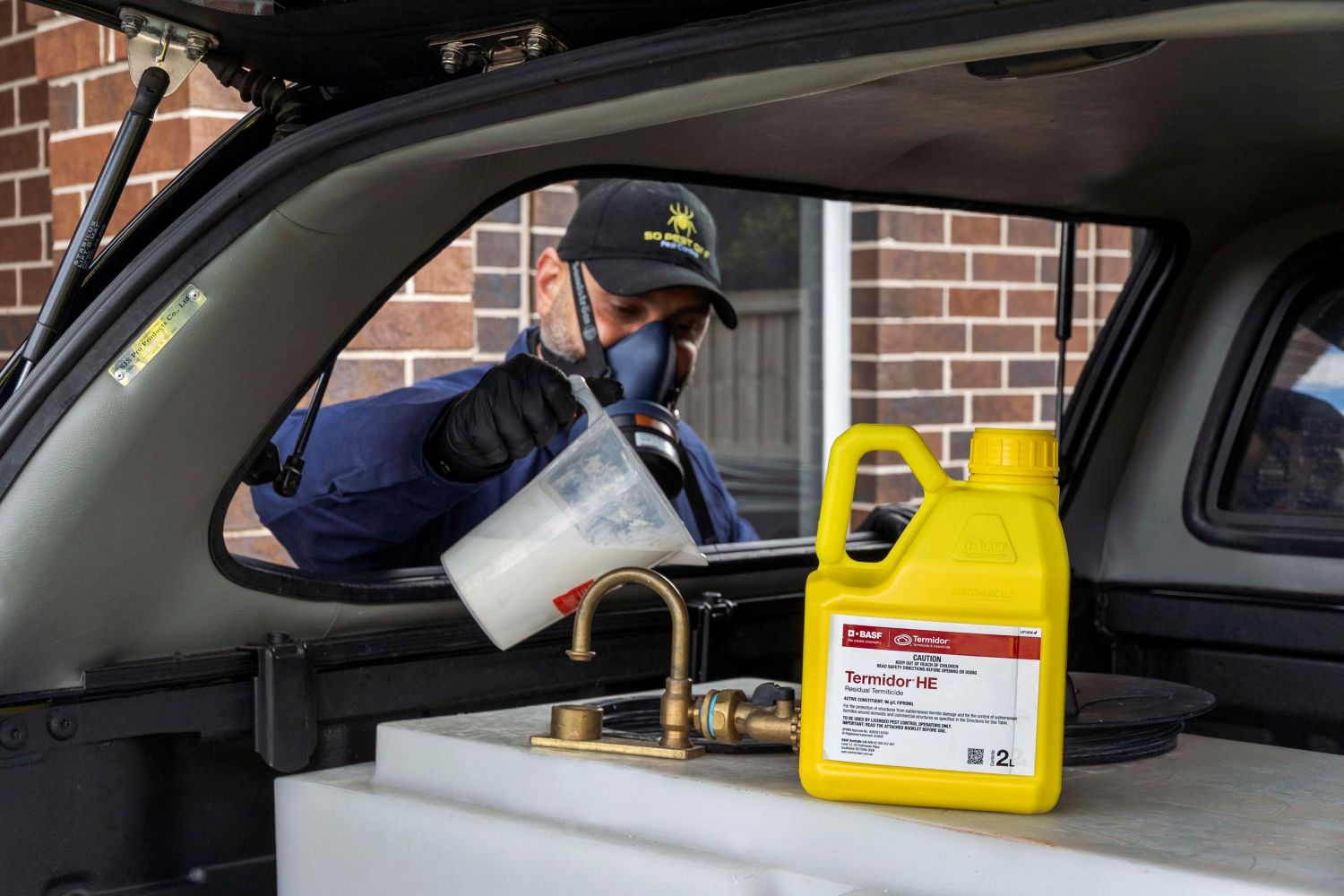
If an inspection confirms the presence of termites, prompt treatment is essential. A licensed pest controller will typically apply a liquid termiticide to the soil around the foundations or directly to the affected area, or establish baiting stations to target the colony. The most suitable method depends on the location of the termites and the construction of the house.
For assistance in selecting the appropriate termite management system for your home, contact the team at So Pest Off at 0410 244 244.
Common Questions About Termite Risk Management
Below are answers to frequently asked questions regarding termite risk management for new homes in New South Wales.
What Are the Termite Protection Requirements for New Homes in NSW?
In New South Wales, builders are mandated to install a termite risk management system for new construction projects. According to Part 3.4 of the National Construction Code Housing Provisions, the system must comply with AS 3660.1 or pass the tests outlined in Section 5 of AS 3660.3. Any chemicals utilised must be registered with the APVMA, and a durable notice must be affixed prominently, such as in the meter box.
What Is the Cost of a Termite Management System for New Homes in NSW?
Costs vary based on whether the house is built on a slab or a raised floor, the size of the footprint, and the choice between a physical barrier, a chemical treatment, a reticulation system, or a combination of these options. Request a written quote based on your building plans to effectively compare different systems.
Can You Obtain a Termite Certificate of Compliance in NSW, and What Does It Entail?
Yes, it is possible to obtain a certificate of compliance for termite management in New South Wales. This process involves an inspection by a licensed pest controller to ensure that the installed system meets the required standard, specifically AS 3660.1 for new buildings. Under the National Construction Code, the durable notice in the meter box must also detail the system used, its installation date, the expected lifespan of the chemical, and the recommended frequency of inspections.
Which Termite Management Systems Are Most Effective for New Homes in NSW?
There is no one-size-fits-all solution for termite management. The best system for your home will depend on the type of footing, the site characteristics, and the extent of hard paving surrounding the property. Many new homes implement a combination of a physical barrier at slab penetrations along with a chemically treated zone or reticulation system around the perimeter, supplemented by regular inspections.
What Australian Standard Governs Termite Risk Management?
The management of termites in new constructions is governed by AS 3660.1, which outlines the design and construction requirements for physical and chemical termite management systems. The HIA notes that this standard is referenced in both Volumes One and Two of the National Construction Code, while AS 3660.2 addresses termite management in and around existing buildings.
Is It Mandatory to Install Termite Protection During New Home Construction in NSW?
Yes, when termites are a known risk and the structure includes materials they can damage, installing termite protection is a requirement during construction. This obligation is stipulated by the National Construction Code, and the NSW Government clarifies that the builder is responsible for implementing the system as part of the building work.
Original Article First Published At: What Are Termite Risk Management Systems for Homes in NSW?