

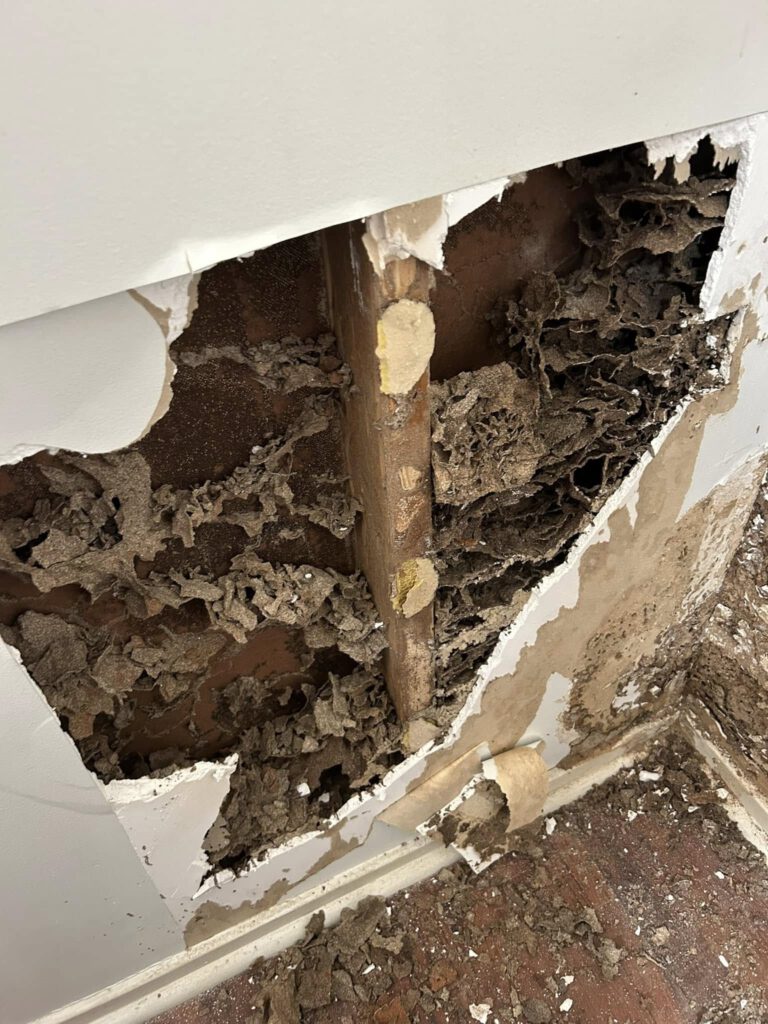
Many individuals mistakenly believe that summer is the peak season for termite activity. This assumption stems from the warm weather, increased insect presence, and noticeable activity in the garden. However, when it comes to scheduling termite inspections, winter actually presents a more advantageous opportunity. The reasons behind this might astound you.
Let’s delve into what truly occurs beneath your floorboards, within your walls, and behind your skirting boards as temperatures fall — and why winter is the most prudent time to arrange for a professional termite inspection in Sydney.
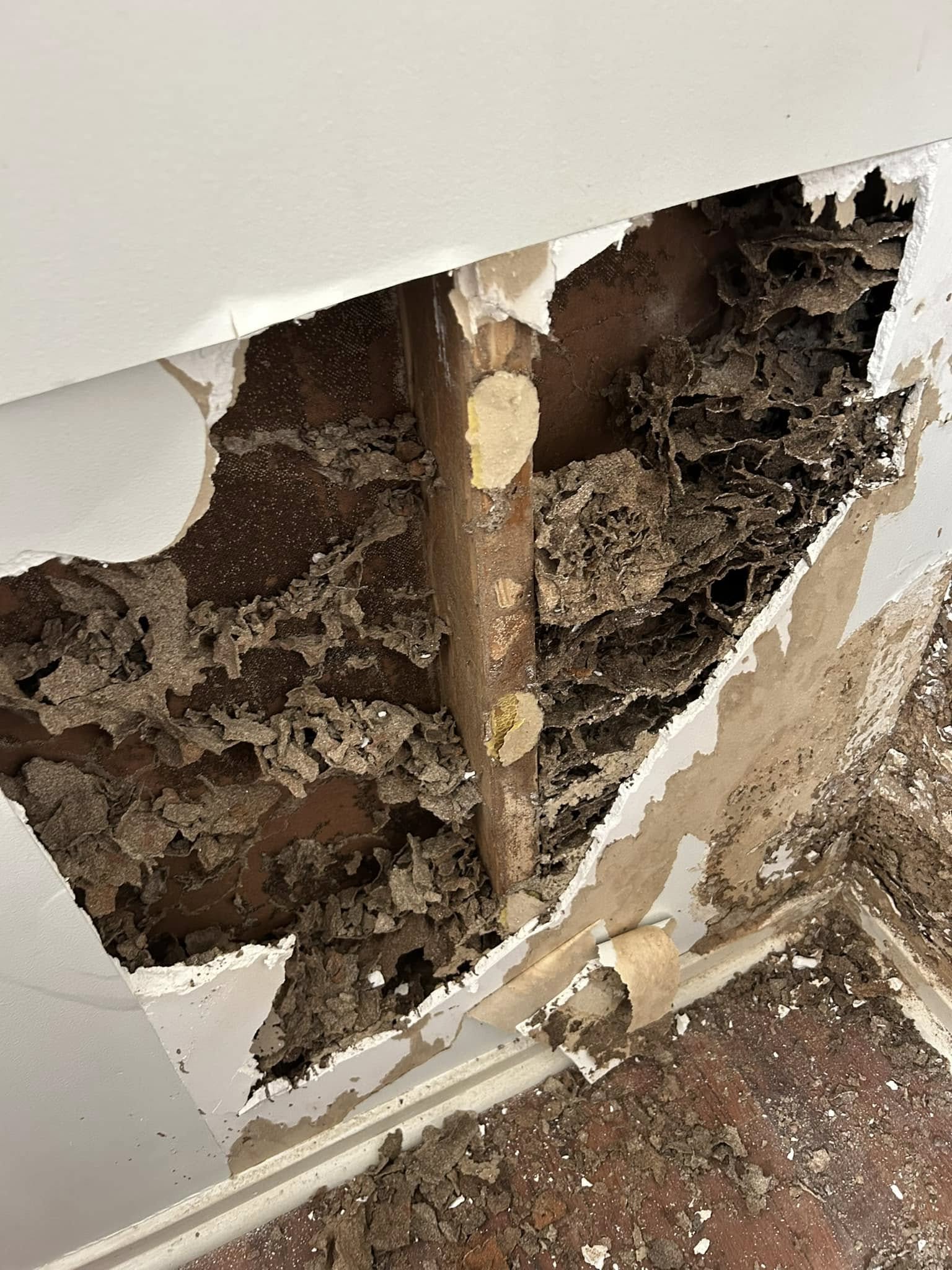
Understanding Termite Behaviour: They Don’t Hibernate in Winter, They Feast Instead.
Let’s clarify an important point: termites do not slow their activity during winter. This holds true especially in Sydney.
While many insects enter a dormant state in colder months, termites thrive underground. They reside deep within the soil and timber of your property, where temperature variations are minimal. By burrowing deeper into the ground or further into the structure of your home, they maintain a stable living environment throughout the year.
The outcome? Throughout winter, termites continue their feeding frenzy unabated.
They aren’t swarming, reproducing, or easily distracted. Their singular focus is on consuming timber.
Due to this relentless and concentrated feeding pattern, termites become noisier and more active in specific areas, making it significantly easier for a trained technician to identify their presence.
An experienced termite inspector equipped with detection tools, such as a Termatrac device, can often pick up on the sounds of termites gnawing on timber.
In winter, when their feeding activity peaks, these signals become stronger and more detectable.
Recognising Common Signs of Termite Activity That You Might Misinterpret
One frustrating reality we encounter each winter is conducting termite inspections for homeowners in Sydney who have unknowingly been living with ongoing termite damage for months — or even years. The signs of infestation exist; they simply get attributed to other causes.
Here are the most frequently misinterpreted signs:
Identifying Sticking Doors and Windows: Is It Termite Damage?
As the cooler, wetter months set in, many homeowners notice that their doors and windows become increasingly difficult to operate. The immediate assumption is that the moisture has caused the timber frames to swell due to rain and humidity.
While this can be true, it can also indicate the presence of termites.
Termites consume timber from within, gradually hollowing out door frames, window sills, and adjacent structural timber. This erosion diminishes the rigidity and shape of the remaining material, causing the frames to warp. Consequently, doors may not align correctly, leading you to assume it's merely a problem stemming from wet weather, prompting you to plan repairs for spring. Meanwhile, the termites persist in their destructive feeding.
If you experience jamming doors or windows, particularly in multiple areas of your home, do not simply attribute it to damp conditions. It’s wise to have it assessed.
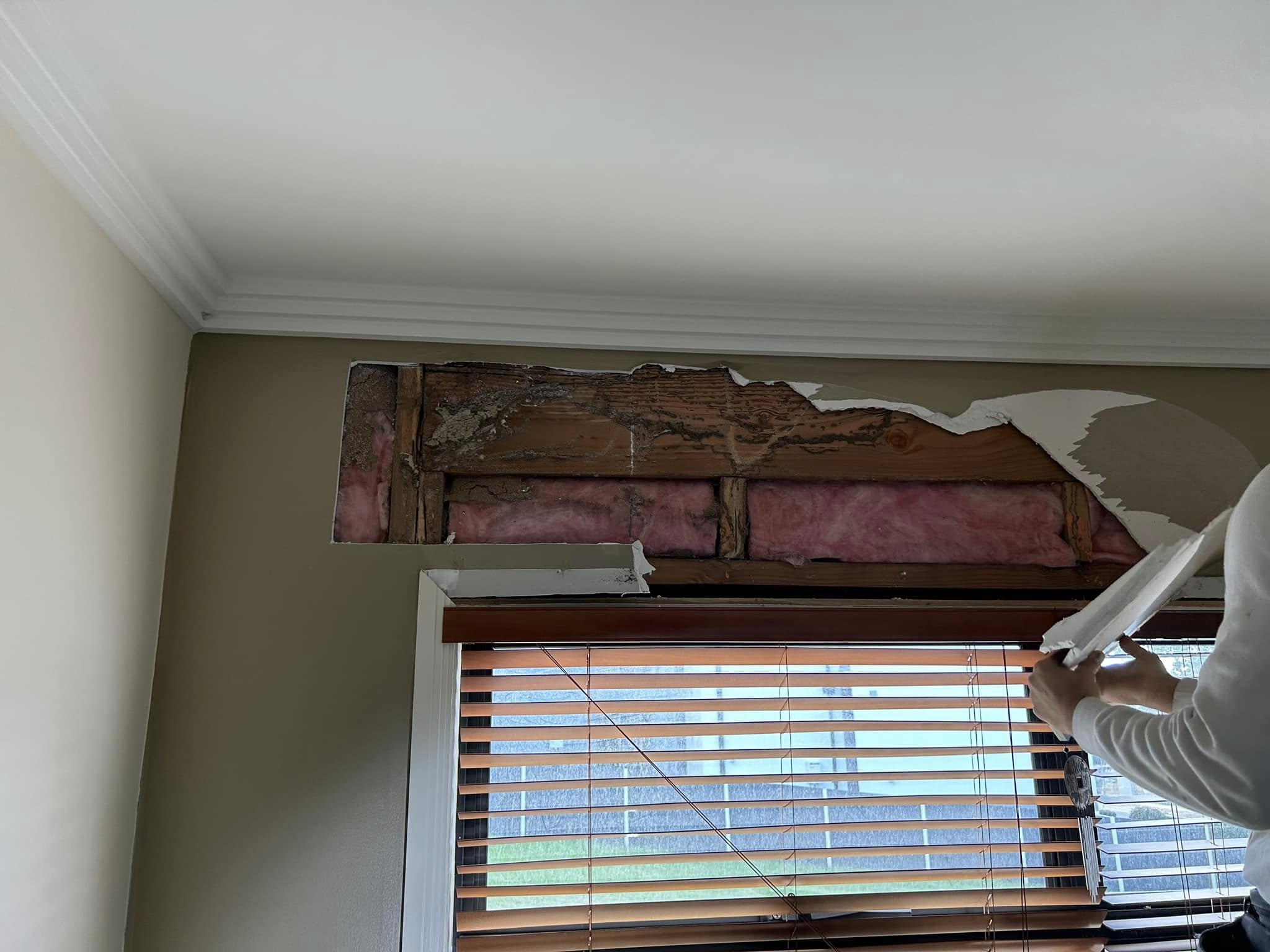
Identifying Mud Tubes or Dirt on Your Home’s Exterior: What They Indicate
Termites construct mud tubes, also known as shelter tubes, to navigate between their nest and their food source — your home — while avoiding exposure to air and light. These tubes consist of a blend of soil, timber particles, and termite saliva.
During winter, as termites engage in vigorous feeding and active construction, mud tube formation reaches its zenith. You may observe thin trails of dried mud traversing an external wall, along the foundations, up a fence post, or across paved areas.
Many individuals mistakenly perceive this as mere dirt splattered from rain. Others might notice it and question its origin without giving it much thought.
Very few recognise it as a crucial warning sign of termite activity, primarily because such information isn’t widely disseminated.
Now that you’re informed, if you observe unexplained mud or dirt trails on your home’s exterior, it’s essential to contact a termite specialist before attempting to remove it.
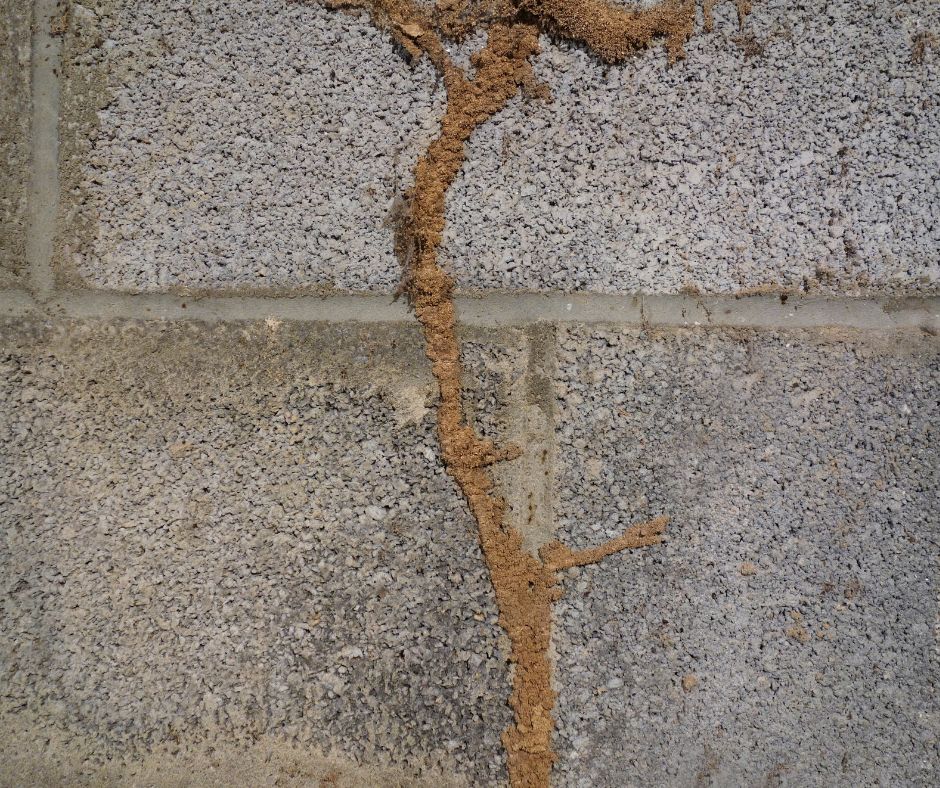
Spotting Tiny Holes in Your Walls or Ceiling: A Sign of Termite Infestation?
Termites can occasionally break through the surfaces of the materials they consume, causing small holes to form in plaster, gyprock, or paint — which may appear as minor pinpricks. Sometimes, you might notice fine, sandy debris surrounding these holes, resembling sawdust.
If you notice holes in your ceilings or walls without a clear explanation, it’s crucial to take this seriously. These holes serve as one of the most definitive indicators that termites have been actively feeding within your home’s structure for an extended period.
Understanding Why Summer Inspections Might Overlook Termite Activity
This aspect can seem counterintuitive.
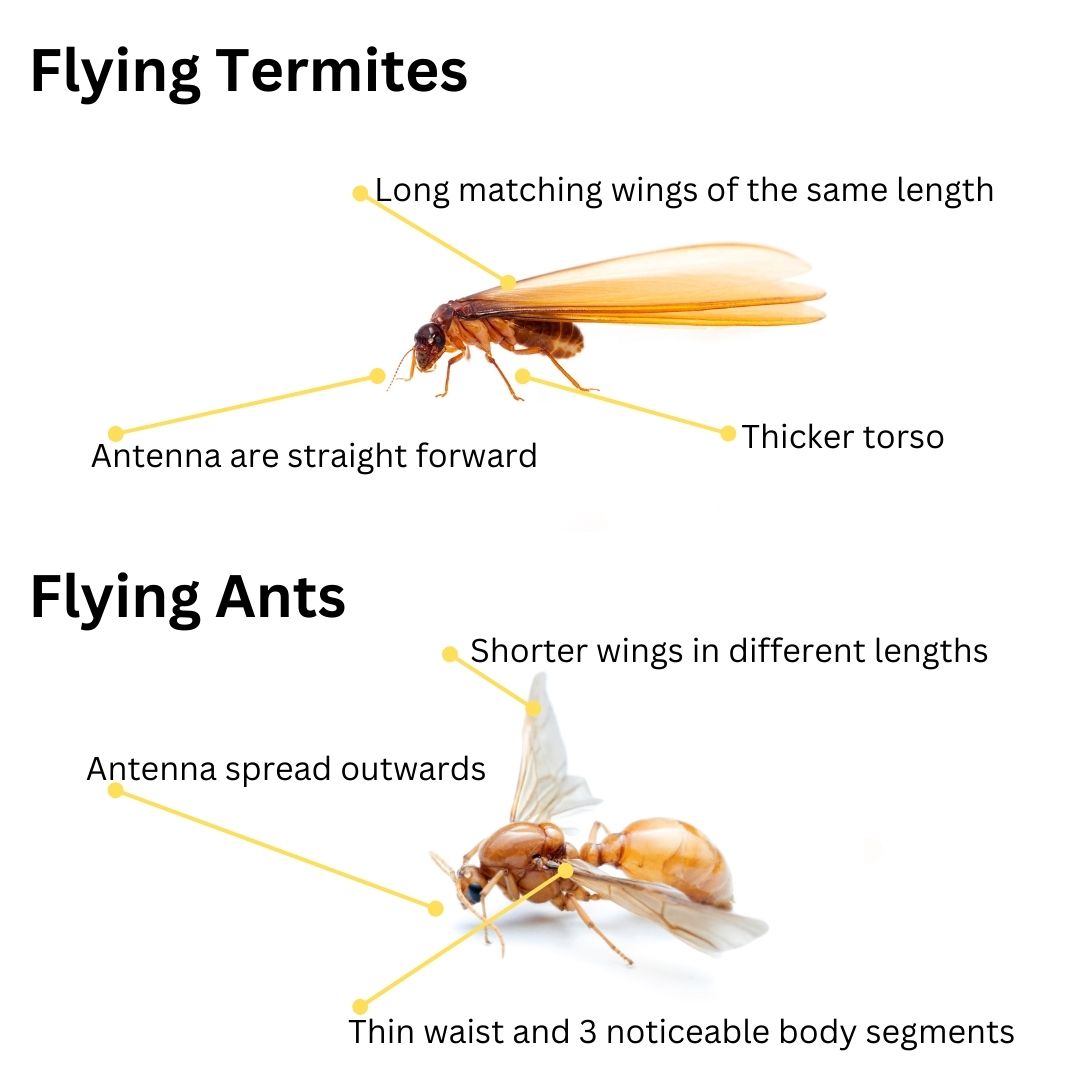
Summer marks the swarming season for termites. Flying termites, known as alates, take to the skies to seek new locations and establish additional colonies. This phenomenon is dramatic and visible, often causing panic among homeowners — a response that is entirely understandable. However, a swarm occurring near your property does not necessarily indicate that your home is infested. Termites may swarm from nests located in nearby gardens, neighbouring properties, or surrounding trees.
Moreover, the swarm itself can distract from more critical factors: the current location of the colony, its level of establishment, and whether it has already infiltrated your home.
During summer, termite colonies are often more dispersed. Workers venture further from their nests to forage for food when conditions are warm. As a result, a summer inspection may fail to capture the complete picture of where a colony is actively feeding and nesting.
In winter, however, the colony tends to contract its activities. Feeding becomes concentrated in fewer, denser locations, making detection more precise and reliable.
If you seek a comprehensive termite inspection that provides the clearest possible understanding of your situation, winter is the ideal time to schedule it.
What to Expect During a Comprehensive Termite Inspection
A professional termite inspection with So Pest Off isn’t just a cursory walkthrough of your property. It involves a meticulous assessment of every accessible area of your home, adhering to the standards set by Australian Standard AS 3660.
The inspection encompasses:
- Inside the home: the subfloor (if accessible), internal walls, skirting boards, door and window frames, moisture-prone areas like bathrooms and laundries (as termites are particularly drawn to moisture), built-in cabinetry, and the roof void.
- Outside the home: the entire perimeter of the building, foundation, external walls, fences, garden timbers, trees, and any ancillary structures such as sheds or garages.
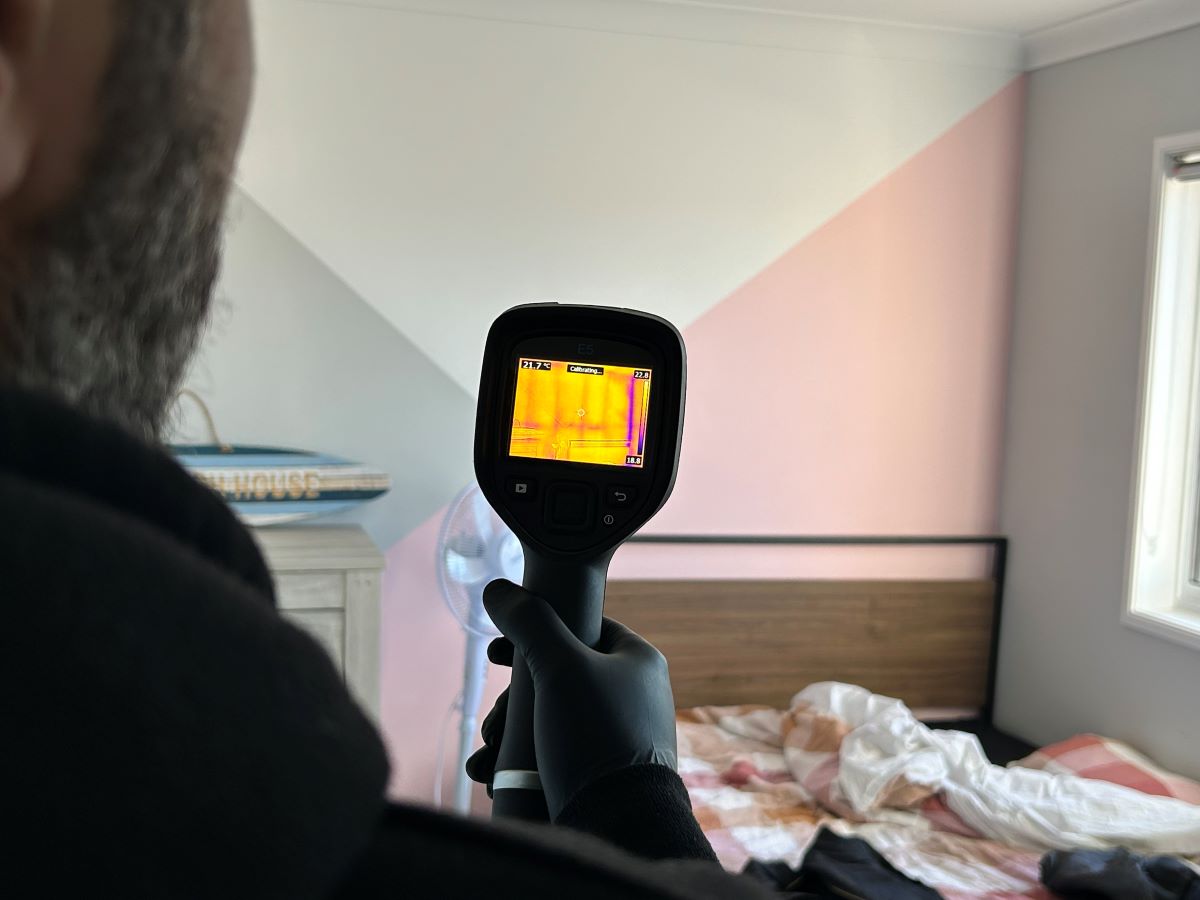
We employ a combination of visual inspections, moisture meters, and acoustic/microwave detection devices (including Termatrac) to identify active termite activity, previous damage, and conditions that may heighten risk — even when there are no visible signs.
Upon completing the inspection, you will receive a detailed report outlining findings, risk levels, and recommendations for treatment or prevention. Expect clear communication — no jargon, no upselling, just straightforward information to empower you to make informed decisions.
Next Steps Following Your Termite Inspection
If active termites are discovered during the inspection, we will discuss your treatment options, which may include:
- Termite baiting systems (like Trelona): bait stations are strategically placed in the soil surrounding your property. Termites consume the bait, carry it back to their colony, and eliminate it from within.
- Chemical termite barriers (like Termidor): a treated zone is established in the soil surrounding your home’s perimeter. Termites traverse this area, absorb the chemical, and transmit it to the rest of the colony through natural social interactions.
- For existing barriers and bait stations, winter is also an excellent time for reticulation top-ups and servicing. Over time, chemical barriers can degrade, and bait stations require routine checks and replenishment. Scheduling this maintenance during winter ensures your protection remains robust as you head into spring — the onset of swarming season.
If no active termites are found, you will have documented proof of a clear inspection, which is beneficial for insurance purposes, property sales, and general peace of mind.
How Frequently Should You Schedule a Termite Inspection?
The Australian Standard AS 3660 recommends conducting a termite inspection at least once every 12 months for most properties. In areas identified as high risk — which includes a significant portion of Sydney’s Hills District and its surrounding suburbs — inspections every six months are strongly advised.
Properties classified as higher risk include:
- Homes with a history of termite activity
- Properties adjacent to bushland, parks, or densely treed areas
- Homes with known moisture problems (such as leaking pipes, inadequate drainage, or damp subfloors)
- Older properties lacking a chemical barrier or monitoring system
- Properties where the last inspection occurred more than 12 months ago
If you’re uncertain about the timing of your last inspection or if you have never had one performed, winter is the ideal time to initiate this process.
Comprehensive Termite Inspection Services Across Sydney
So Pest Off operates from Rouse Hill in the Hills District, yet we provide termite inspections, termite treatments, and barrier top-ups throughout the entirety of Sydney, encompassing the Northern Beaches, the Hills District, Blacktown, Hawkesbury, and surrounding suburbs.
If you’ve noticed any of the warning signs discussed in this article — such as sticking doors, mud trails, or unexplained holes — or if you simply wish to gain the assurance that your home is clear, please call us at 0410 244 244 or reach out via our website.
Do not wait until summer to uncover what has been transpiring throughout winter.
Your Common Questions About Termite Inspections Answered
Do termites disappear in winter?
No, termites do not hibernate or slow down during winter — particularly in Sydney's temperate climate. They keep feeding throughout the year, and in winter, they tend to concentrate their activities in fewer locations, making them easier to detect during a professional inspection.
Why is winter the best time for a termite inspection?
During winter, termites aren’t swarming or foraging widely — they are heavily focused on feeding in concentrated areas. This intensifies their noise levels, allows for easier detection with acoustic equipment, and increases the likelihood of visible signs like mud tubes and surface damage. Winter inspections generally provide a clearer, more accurate assessment of the situation within your home.
Can termites cause doors and windows to become stuck?
Yes, sticking doors and windows during winter are often attributed to moisture and timber swelling — and sometimes this is accurate. However, termites consume timber from the inside out, resulting in frames warping and losing their form. If multiple doors or windows are sticking simultaneously, it’s prudent to arrange a termite inspection before assuming it’s merely a weather-related issue.
What are mud tubes, and why do they form in winter?
Mud tubes (also referred to as shelter tubes) are structures termites create using soil, timber particles, and saliva to travel between their nest and your home while avoiding exposure to air and light. The construction of mud tubes is most active in winter when termites are feeding intensively. You may observe them ascending external walls, traversing foundations, or crossing pathways and fences.
Is summer a better time for a termite inspection?
Actually, no. Summer represents swarming season, which means that termite colonies are more dispersed and harder to locate accurately. In winter, colonies tend to consolidate their activity and feeding — making inspections more precise. If you desire the clearest overview of your property's termite risk, schedule your inspection in winter.
How often should I have a termite inspection in Sydney?
The Australian Standard AS 3660 recommends at least one inspection every 12 months. For properties in higher-risk areas — those located near bushland, experiencing moisture issues, or with a history of termite activity — inspections every six months are strongly advisable. The Hills District and many parts of Sydney are classified as higher-risk zones.
What does a termite inspection encompass?
A So Pest Off termite inspection covers all accessible areas of your property, including internal walls, skirting boards, door and window frames, moisture-prone areas, subfloors, roof voids, and the entire exterior perimeter — including fences, trees, garden timbers, and outbuildings. We utilise moisture meters and acoustic/microwave detection equipment in conjunction with a thorough visual inspection. You will receive a comprehensive written report upon completion.
What happens if termites are discovered during the inspection?
We will guide you through your treatment options immediately. Depending on the circumstances, these may include a chemical termite barrier (such as Termidor), a baiting system (like Trelona), or a combination of both. We also maintain and replenish existing barriers and bait stations — winter is an excellent time for these services to ensure your protection is robust before spring’s swarming season commences.
Do you provide termite inspections throughout all of Sydney?
Yes. So Pest Off is based in Rouse Hill but serves the entire Sydney metropolitan area, including the Hills District, Northern Beaches, Blacktown, Hawkesbury, and surrounding suburbs. Please call us at 0410 244 244 to schedule your appointment.



It’s fascinating to consider the hidden world of termites during winter — the misconception that they hibernate really shifts our understanding of pest control. I’ve always thought of seasonal changes as a time for renewal and rest, but learning that termites are actually active in winter, feasting and potentially causing damage, is quite eye-opening.
What a fascinating take on termite inspections, especially during the winter months! I have to admit, when I think of pest control, my mind usually drifts to balmy summer evenings filled with the sound of crickets and the buzzing of mosquitoes, not the quiet stillness of winter. Who knew our little wood-munching friends were actually throwing a feast while we’re sipping hot cocoa by the fire?
It’s really intriguing to consider winter as the optimal time for termite inspections! I think a lot of us have this misconception that pests are more active during warmer months, but your point about termite behavior is a real eye-opener.
I totally get what you mean about the winter misconception when it comes to termite inspections. It really does flip the script on what many people consider “pest season.” Termites often take shelter in the warmth of the wood in our homes during winter, which can make them harder to detect. It’s a good reminder that being proactive about inspections can save us from bigger issues down the line.
This is such an eye-opening perspective on termite inspections! I never thought about winter as an ideal time to check for these pests. It makes sense, though, especially if they’re active while everything else is hunkering down for colder weather. I remember a neighbor had a major issue after overlooking a winter inspection, and it turned into a huge hassle in the spring. In hindsight, I wonder how many homeowners just aren’t aware of how termites behave when the temperatures drop.
Your insights on termite activity during winter are truly enlightening. It’s fascinating how misconceptions can lead homeowners to overlook the importance of winter inspections. I have often assumed that just because I can’t see termites actively swarming or causing visible damage, they must be less of a threat in the colder months. Understanding that they continue their destructive behavior behind the scenes really emphasizes the need for proactive measures.
This is such an insightful post! I never really considered winter as the optimal time for termite inspections until now. It’s fascinating to learn that while we are bundling up and cozying up indoors, these pests might be feasting away where we can’t see them. The misconception that summer is the peak season for termite activity is one that’ll surely resonate with many. After all, who wouldn’t associate warmth with heightened pest presence?