

When people seek a pest control service, they often anticipate that every spider in their home will vanish overnight. However, the reality is more complex. Spiders do not behave like cockroaches or ants, which is precisely why they present a more formidable challenge when it comes to pest management.
At So Pest Off, we frequently receive inquiries from homeowners who have undergone a general pest control treatment, only to be surprised to find a few spiders still lingering in their homes. This article delves into the unique challenges of spider control, what you can realistically expect from treatments, and effective strategies to maintain a spider-free home over the long term.
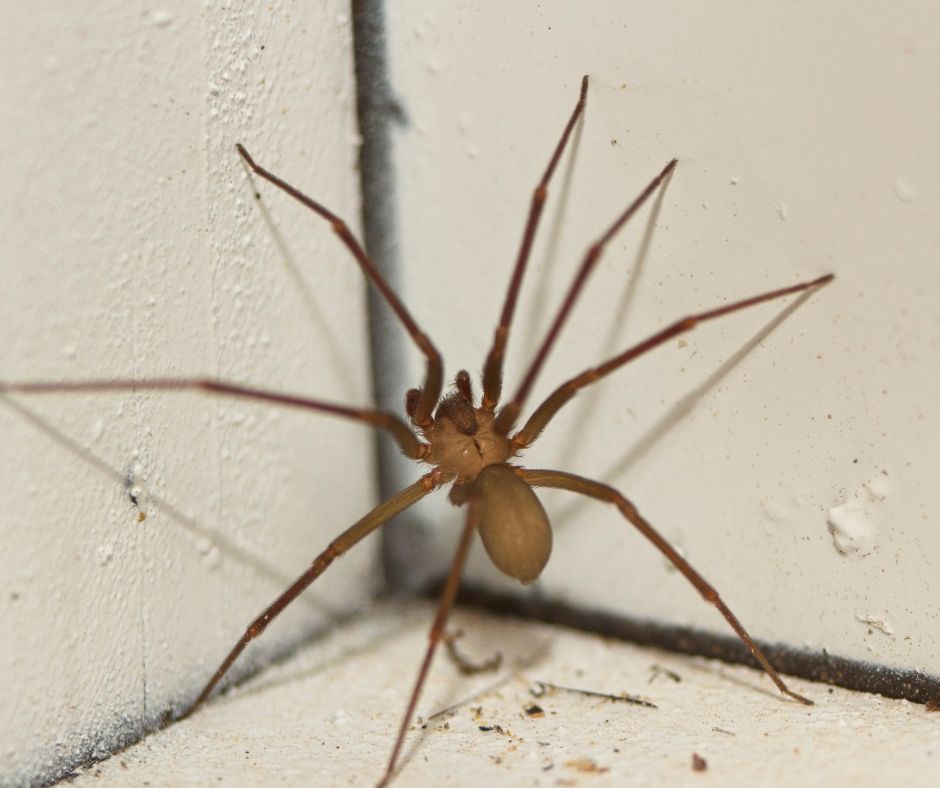
Understanding the Challenges of Spider Control Compared to Other Pests
Spiders are among the most misunderstood pests found in Sydney homes. While insect sprays and barriers prove highly effective for ants, cockroaches, and silverfish, spiders possess distinctive biological traits and behaviours that complicate their control.
1. The Unique Anatomy of Spiders
Most spiders feature thick, hairy exoskeletons that serve as protective armour, making it challenging for insecticides to penetrate effectively. Unlike cockroaches and ants, spiders do not engage in grooming behaviours, which means they seldom ingest pesticides from surfaces that have been treated.
2. Behavioural Patterns That Limit Exposure
Spiders are predatory hunters rather than scavengers, which significantly reduces their likelihood of coming into contact with treated surfaces. They tend to hide in gaps, ceilings, garages, and gardens, spending minimal time on floors or walls that have been treated. As a result, their limited exposure to pesticides means they often remain unaffected once the spray dries.

Identifying Common Spider Species in Sydney and Their Unique Control Challenges
The warm climate and lush suburbs of Sydney create an ideal habitat for various spider species. Below are some of the most commonly treated types and the specific challenges each one presents:
Huntsman Spiders (including Badge and Tropical Huntsman)
Huntsman spiders are large, quick, and often found on walls and ceilings. Despite their imposing size, they are generally harmless. However, their speed and robust exoskeleton make them difficult to eliminate upon contact.
Wolf Spiders
These ground-dwelling hunters reside in lawns and burrows. Active at night, they are resistant to surface sprays owing to their dense hair and nocturnal behaviour, necessitating soil-targeted or barrier treatments for effective control.
Funnel-Web Spiders
Recognised as one of the most dangerous spiders in Australia, funnel-web spiders are burrow dwellers that seldom traverse open, treated surfaces. This behaviour diminishes their exposure to standard sprays and requires targeted treatments from licensed professionals.
Redback and Black House Spiders
These spiders are commonly found around sheds, garages, and outdoor furniture. Preferring sheltered, dry environments, their messy webs often serve as the first sign of their presence. Fortunately, pest control is typically effective against these species.
Orb-Weaving and Branded Orb Spiders
Harmless garden residents, orb-weaving spiders construct large, symmetrical webs in open areas. While they are beneficial for controlling insect populations, their presence can be unwelcome near doorways, decks, or play areas.
Brown Trapdoor and Eastern Mouse Spiders (including Red-Headed Mouse Spider)
These burrowing species create camouflaged tunnels in gardens and lawns. They are less impacted by sprays and often require soil-targeted or barrier treatments for effective management.
White-Tailed Spiders
Commonly found indoors, especially in clothing, bedding, and bathrooms, white-tailed spiders may inflict painful bites, but they do not cause necrosis. These active hunters are constantly on the move, thus sprays only affect them immediately after application.
How Insect Sprays Function and Their Efficacy
The majority of insecticides employed in Australian pest control are classified as residual sprays, meaning they maintain activity on surfaces for weeks following application.
Their effectiveness occurs in three stages:
- Contact: The pest traverses a treated surface.
- Transfer or Ingestion: The pest grooms itself and consumes the chemical.
- Absorption: The pesticide penetrates the exoskeleton, affecting the nervous system.
This process proves highly effective for pests such as cockroaches, ants, silverfish, and fleas. However, it is less effective for spiders, who do not engage in grooming behaviours or spend much time on treated areas.
Nonetheless, spider treatments are beneficial by:
- Creating barrier protection: any spider crossing treated areas risks exposure.
- Reducing their food supply: fewer insects result in fewer spiders.
- Acting as a deterrent: most spiders tend to avoid areas that have a chemical smell or feel.
Debunking Common Misconceptions About Spider Pest Control
We have encountered numerous misconceptions, so let's clarify:
- “If I see a spider after a spray, it didn’t work.” This is not accurate. Spiders are less impacted by dry residues. The treatment is effectively working by eliminating their food sources and gradually reducing their population.
- “The spray should kill everything instantly.” Modern pest control chemicals are designed to be safe for families and pets, which results in slower action.
- “If I still see one or two spiders, the job failed.” Encountering occasional spiders is normal. The primary goal is to prevent infestations, not to eliminate every single spider.
- “All spiders should die after a general pest control.” Ground-dwelling spiders, like Wolf or Funnel-web, reside in soil or burrows and require specialised treatments.
- “If I don’t see dead spiders, nothing happened.” Many die in concealed locations or outside the premises. Success is measured by fewer sightings over time, rather than visible corpses.
- “Pest control means my home will be spider-free forever.” No pest control method can permanently prevent spiders from entering. The focus is on risk reduction and ongoing maintenance, rather than a one-off miracle solution.
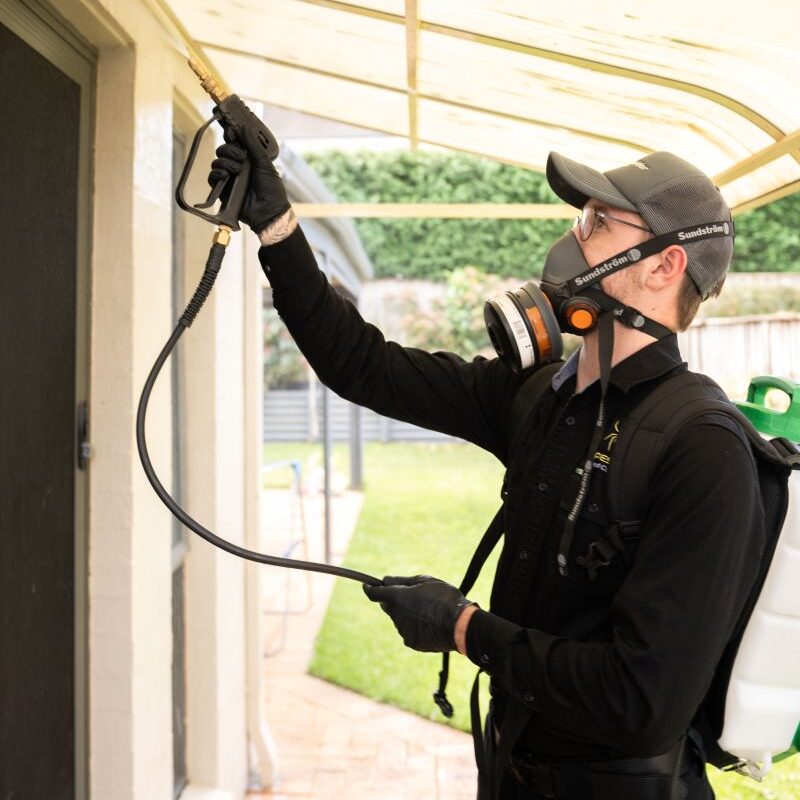
Effective Strategies for Preventing Spider Infestations
Pest control is just one part of the equation; ongoing maintenance and prevention play a crucial role in reducing spider numbers.
Here’s what our experts recommend:
- Schedule regular treatments every six months to ensure chemical barriers remain effective.
- Seal entry points by closing gaps around windows, vents, and beneath doors.
- Minimise outdoor lighting, as lights attract insects, which in turn attract spiders.
- Declutter both indoors and outdoors; spiders favour quiet, undisturbed corners.
- Regularly sweep away webs to discourage new spiders from settling.
If you notice an increase in spider activity between visits, your technician may recommend a targeted spider flush or dusting treatment around exterior eaves and wall junctions.
Setting Realistic Expectations for Spider Control Results
Spider control is a matter of management rather than magic. Once pesticide residues dry, spiders are significantly less affected than crawling insects. However, through regular treatments and diligent property maintenance, you can significantly diminish spider populations and prevent future infestations.
At So Pest Off, we employ advanced pest management techniques alongside a practical understanding of Sydney’s spider species.
Engage Professional Spider Control Services in Sydney
If spiders are causing discomfort in your home or workplace, do not delay in addressing the situation. So Pest Off provides safe and family-friendly spider pest control services across Sydney’s Hills District, North Shore, and Western Suburbs.
We will thoroughly inspect your property, identify the specific spider species present, and apply the most effective treatment, ensuring your home remains protected long after our visit.
Contact So Pest Off today to schedule a spider inspection and reclaim your peace of mind.


Your insights into the complexities of spider control resonate deeply with my own experiences as a homeowner. I’ve often found myself in a similar situation after a pest control treatment, expecting instantaneous results, particularly when it comes to those elusive spiders. It’s fascinating how our perceptions of pests often don’t align with their actual behavior and ecology.
This is such an insightful examination of spider control challenges! It’s interesting to consider how many people envision pest control as an instant solution, unaware of the nuanced behaviors of different pests. I’ve experienced this firsthand; after a treatment at my home, I spotted a few spiders the next day and initially felt frustrated. Your explanation helps demystify why that happens.
It’s really fascinating, isn’t it? The misconception that pest control is a one-and-done kind of solution can lead to a lot of frustration, especially when dealing with something like spiders. Your experience of seeing them the day after treatment highlights a key aspect of pest behavior—many pests can be resilient and are often just seeking shelter.
I can totally relate to your experience; I recently read an article that sheds light on the nuances of roof dusting in pest control, which really helped clarify why we sometimes still see pests after treatment.
‘Roof Dusting Pest Control: Understanding Its Infrequency’
https://writebuff.com/roof-dusting-pest-control-understanding-its-infrequency/.
You’re spot on about the misconception that pest control can be a quick fix. It can definitely be frustrating when you’ve just had treatment and still spot those eight-legged critters. Spiders can be tricky since they often thrive in areas we might overlook, like attics or behind walls.
Your insights on spider control resonate with many homeowners who may share the common misconception that a one-time pest control treatment should completely eradicate every spider from their home. As you pointed out, spiders have distinct behaviors and biological traits that indeed complicate their management compared to other common pests like ants or cockroaches.
It’s interesting how spider control often falls short of homeowners’ expectations, especially since many view pest management as a quick fix. I’ve encountered similar situations—after a pest control service, I was baffled to still find spiders weaving away new webs. It’s true that their behaviour and biology make them quite different from other pests.
You bring up an important point about the disconnect between expectations and reality when it comes to pest control, especially with spiders. Many people assume that hiring a service will immediately eradicate all visible signs of pests. However, spider behavior and their lifecycles are much more complex than we often give them credit for.
I really appreciate this insightful discussion on the complexities of spider control, especially since it resonates with my own experiences as a homeowner. Like many, I used to assume that once I called a pest control service, I would be able to breathe easy, free from concern about spiders and other insects. However, after a few treatments, I found myself puzzled by the spiders that still seemed to persist in my home. It was enlightening to learn that spiders, unlike many other common pests, have unique biological traits and behaviors that require different strategies for effective management.
Your exploration of spider control really highlights the complexities that often go overlooked when homeowners think about pest management. I’ve personally experienced this with my own attempts at maintaining a spider-free household, and your explanation sheds light on why traditional methods sometimes fall short.
I really appreciate how you’ve highlighted the complexities of spider control. It’s easy to assume that a typical pest treatment would take care of all pests, but as you pointed out, spiders have a different set of behaviors and natural instincts. I remember dealing with a spider situation in my own home a while back. After calling a pest control service, I found I still had a few spider guests sticking around. At first, I was frustrated, thinking the treatment had failed.
I totally get where you’re coming from. Spider control can feel frustrating, especially after you’ve invested in a service and still see those little guys hanging around. It’s interesting how their natural instincts kick in. They can be pretty stubborn about finding their way back to familiar spots.