

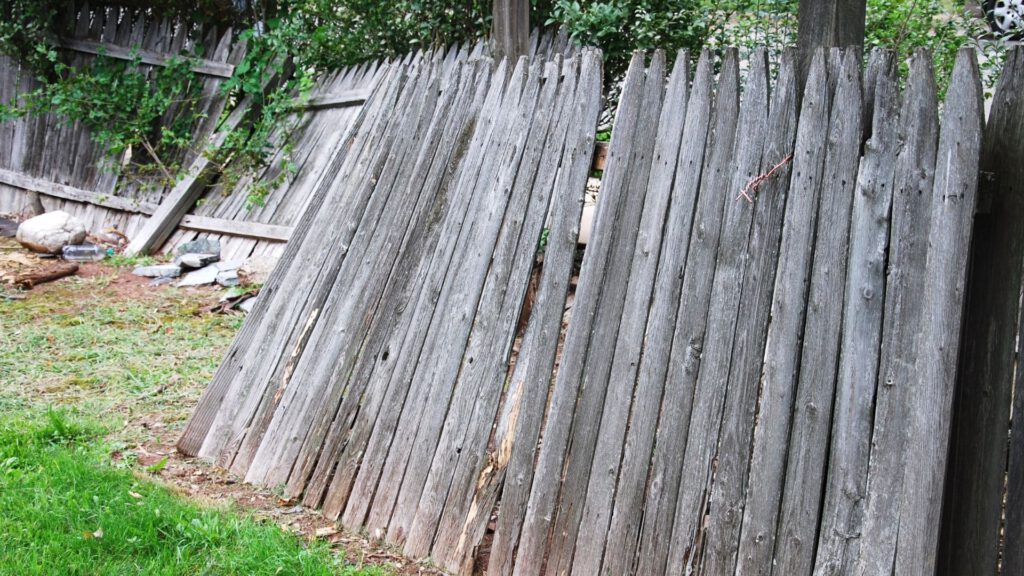
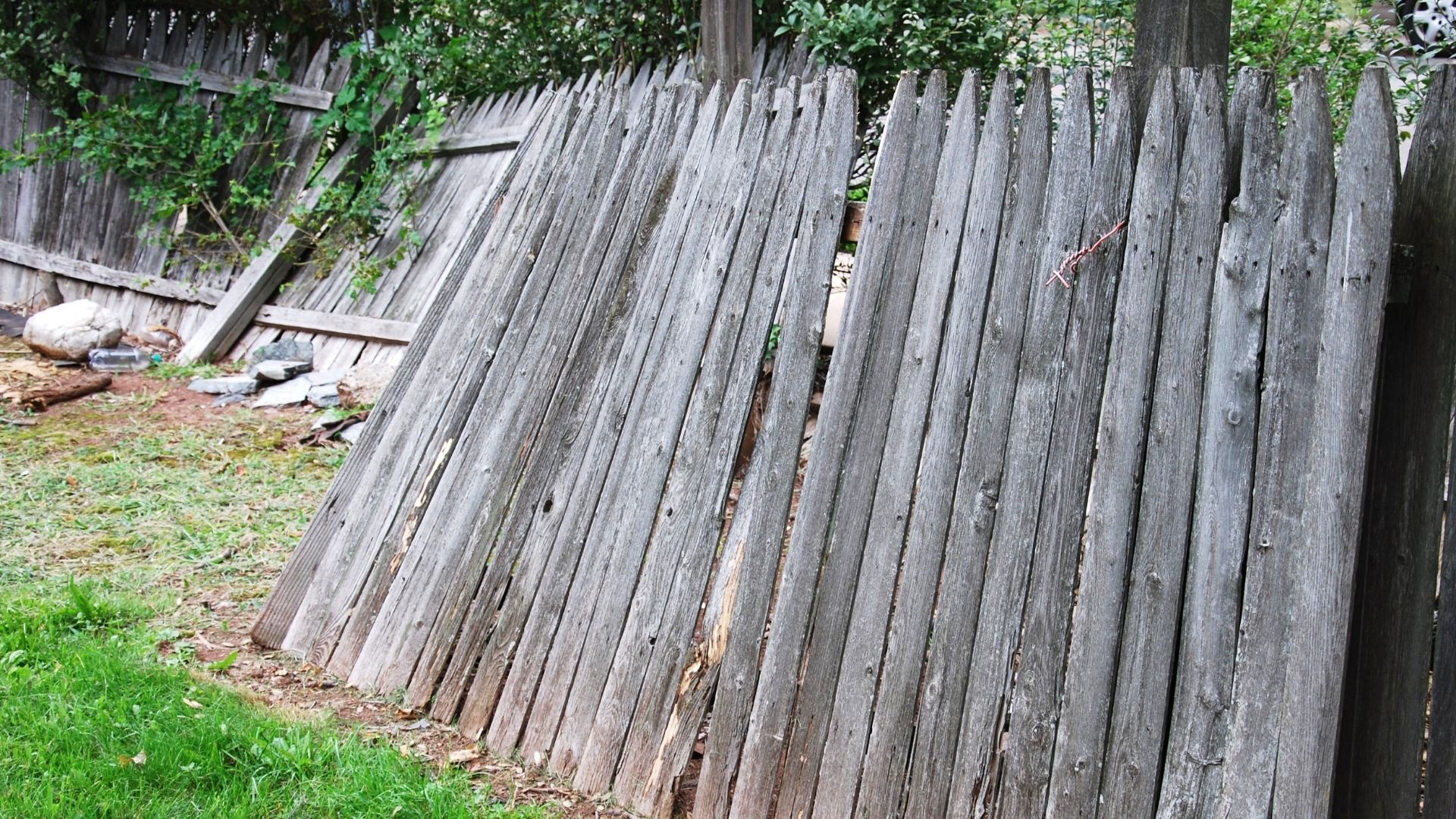
Many old fences may not completely collapse. Instead, they tend to lean progressively until a panel detaches during a storm, leading to a decisive moment for replacement.
Once you've scheduled a new fence installation, the existing fence still needs to be removed and properly disposed of, a task often overlooked until the last minute. Here’s a guide on what to address before the old palings are taken down.
Discuss the Fence Removal with Your Neighbour Before Starting
If the fence is a boundary fence shared between properties, initiating a conversation with your neighbour is crucial. This step is vital to prevent potential disputes later.
In New South Wales, the Dividing Fences Act 1991 outlines how neighbours can share the costs associated with a dividing fence and the process for reaching an agreement. NSW Fair Trading provides straightforward guidance on this topic, including steps to follow if an agreement cannot be reached. Familiarising yourself with this information before the old fence is removed can help avoid awkward discussions when it’s too late.
Practically, the key points to clarify include the timeline for the fence removal, the period during which the boundary will be exposed, and the allocation of costs. A brief conversation in advance can prevent misunderstandings and complications.
Understanding the Process of Removing an Old Fence
The complexity of fence removal largely depends on its construction.
Timber paling fences typically disassemble systematically. First, the palings are removed, followed by the rails, and finally, the posts. The palings are quick to take off, but the posts can be challenging due to their usual concrete anchoring.
Colorbond fences can be stripped more quickly but are often cumbersome to manage. While the sheets detach easily from the rails, they are long, have sharp edges, and do not stack neatly. Similar to timber fences, the posts are generally set in concrete.
Various other materials might comprise older boundary fences, including chain wire on steel posts, timber lattice over a low brick base, and the occasional enduring hardwood. The type of materials affects both the duration of the job and the associated costs.
Deciding on the Fate of the Posts and Footings
This decision should be made before the removal begins, as it significantly impacts the fencer's work more than yours.
Concreted posts can either be excavated with their footings attached, resulting in a series of holes along the boundary, or they can be cut off at ground level, leaving the footings in place. The choice depends on the positioning of the new fence posts. If the new fence follows the existing line, the buried footings could complicate the fencer’s job on their first day.
It's advisable to consult with the fencer about their preference before scheduling the removal. They will likely have a clear recommendation, and a quick phone call can prevent any complications when they arrive to start work.
Important Checks Before Breaking Down the Old Fence
Certain older boundary and side fences in Sydney may not be constructed from timber or steel. Instead, they can be made from flat grey fibre cement sheeting, often attached to steel posts, and in some cases, this material could contain asbestos.
If the fence resembles flat sheeting rather than palings or Colorbond, it’s essential to halt any demolition efforts until you identify the material. SafeWork NSW and your local council provide resources for identifying these materials and information about licensed handlers. This is not a decision to make in haste during a weekend project; proper identification and understanding of the correct procedures are crucial.
Handling the Old Fence Timber After Removal
Fence materials can be categorised into distinct groups. Steel posts, Colorbond sheeting, and chain wire are one category, while timber forms another. Concrete footings are managed separately.
It’s important to highlight that treated pine, commonly used in modern fencing, should not be burned. Burning treated timber releases harmful preservatives into the smoke and ash, making it unsuitable for fire pits, wood heaters, or backyard bonfires. Although old fence palings may appear to be a free source of firewood, they are not safe to burn.
On the other hand, hardwood palings from genuinely old fences can be valuable if you have a purpose for them. If you wish to keep some for future use, communicate this preference before the job commences.
What Additional Items Will Be Removed with the Old Fence?
A fence line rarely remains clear of debris. Vegetation that has grown alongside the fence and items that have been stored against it often accumulate over time.
- Vegetation along the fence line: creeping plants, overgrown shrubs, and the roots that may have contributed to the fence leaning.
- Timber offcuts and old palings: remnants from previous repairs, often leaning against nearby structures.
- Pots and garden edging: items that have remained adjacent to the fence and have not been relocated.
- Old outdoor furniture and equipment: items that have been tucked away out of sight along that side of the yard.
- Green waste from clearing the area: this is necessary for the fencer to work efficiently, and it generates its own waste load.
As the fence line must be cleared for the new installation, consolidating all debris into one load optimises the use of the truck and ensures the boundary is fully prepared for the fencer’s arrival.
Planning for the Gap Between the Old and New Fence
It is essential to plan for this gap, as it can catch homeowners off guard.
During the period between the old fence being removed and the new one being installed, the boundary will be exposed. If you have dogs, small children, or a pool in your yard, you must have a plan in place before the removal, not after. Temporary fencing, securing pets indoors, or timing the removal to coincide with the fencer’s arrival are all viable strategies. Failing to have a plan can lead to complications.
If a pool is present, remember that pool barrier regulations remain in effect even when the boundary fence is down. If the boundary fence forms part of the pool barrier, ensure you consult your certifier before any removal takes place.
Scheduling Old Fence Removal Services in Sydney
Our fence removal services are part of our backyard demolition and junk removal offerings, with debris and cuttings from the fence removal transported in the same vehicle under green waste removal.
When you contact us, provide details about the fence: the approximate length in metres, whether it is timber, Colorbond, or wire, if the posts are concreted, and any additional items that need to be removed along that side of the yard. If a fencer has already scheduled a start date, mention it, as aligning the removal with this date can facilitate a smoother process.
Two additional resources to consider: the differences between council hard waste and private junk removal, which can be useful before placing fence timber on the kerb, and the comparison between skip bags and skip bins if you prefer to dismantle the fence yourself over a weekend.
Common Questions About Old Fence Removal
Should the Old Fence Be Removed Prior to the Fencer's Arrival?
In most cases, yes. Most fencers prefer having a cleared boundary, allowing them to begin setting up on their first day instead of spending valuable time stripping and stacking the old fence. Consult your fencer to clarify their preferences, as some include removal in their services while others do not, which may influence whether you need our assistance.
Can You Remove the Concrete Footings from the Old Fence Posts?
Yes, the footings can be removed along with the posts, leaving holes in the ground, or the posts can be cut off at ground level, leaving the footings intact. The best option depends on where the new posts will be positioned, so consult with the fencer first and relay their advice before we commence work.
Is Neighbour’s Agreement Required for Removing a Dividing Fence?
Because a dividing fence affects both properties, it is important to have a discussion with your neighbour rather than making unilateral decisions. The Dividing Fences Act 1991 outlines how neighbours in New South Wales can agree on and share the costs associated with a dividing fence. Ensure this is sorted out before scheduling the removal.
Can I Keep the Old Palings for Firewood?
Not if they are treated pine, which is the case for most modern palings. Burning treated timber is unsafe as it releases harmful preservatives into the smoke and ash. older hardwood palings are a different matter. If you wish to keep some, please inform us before the job starts, and we will set aside a stack for you.
What Else Can Be Cleared Along with the Fence?
The entire area alongside the fence can be cleared as needed. The fence line typically contains overgrown vegetation, old timber leaning against it, and various items stored out of sight. Since the boundary must be cleared for the fencer, consolidating it all into one load is a more efficient use of the truck than scheduling separate removals.
Original Article First Published At: Removing an old fence before the new one goes in