

If you own a rental property in Queensland and intend to have your tenants cover the water expenses, there’s a crucial stipulation to consider. Your property must first adhere to water efficiency standards. Without compliance, you cannot charge tenants for water usage. It’s that straightforward.
This requirement is not optional; it is a legal obligation as outlined in the Residential Tenancies and Rooming Accommodation Act 2008. Many landlords in Caboolture find themselves caught off guard by this regulation, often during critical moments such as tenancy disputes or property management audits. Here’s essential information you need to understand.
What Water Efficiency Standards Must Be Met in Queensland?
To qualify as water efficient under Queensland law, your rental property needs to include:
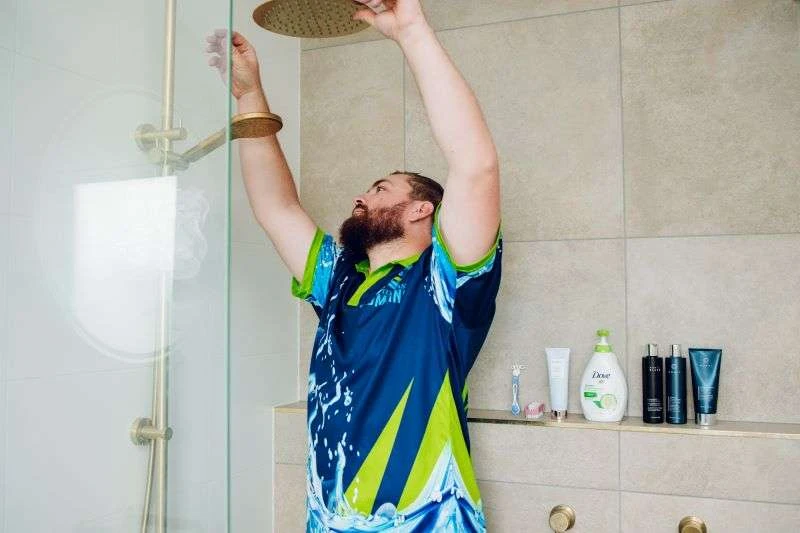
- Water-efficient showerheads: These must have a flow rate of 9 litres per minute or less. While most modern showerheads meet this requirement, older models can flow at rates between 15 to 20 litres per minute, exceeding the limit.
- Water-efficient taps: Internal cold water taps, including those in the kitchen and bathroom, should flow at 9 litres per minute or less. Installing aerators on existing taps can help reduce their flow.
- Dual flush toilets: All toilets must be equipped with dual flush mechanisms. Single flush toilets, regardless of their working condition, do not meet the necessary standards and must be replaced before water charges can be imposed.
- No leaks: Ensure there are no leaking taps, toilets, or pipes. Even minor leaks, like a dripping tap or a running toilet, can disqualify your property.
Steps to Obtain a Water Efficiency Certificate
A licensed plumber can issue a water efficiency certificate following an inspection of your property to ensure that all fixtures comply with the standards. Here’s how the process works:
- Schedule an inspection: We will examine every showerhead, tap, and toilet, measuring flow rates, types of flushes, and checking for leaks.
- Identify non-compliant fixtures: If any fixtures do not meet the standards, we will provide you with a list outlining what needs to be upgraded.
- Upgrade as necessary: In most cases, we can replace non-compliant fixtures during the same visit, as we carry common replacement models in our vehicle.
- Issue the certificate: Once all fixtures are compliant, we will provide a certificate that documents the inspection date, property address, and results.
- Provide to your property manager or tenant: This certificate serves as your proof of compliance. Ensure you keep a copy for your property records.
Common Water Wasters That Landlords Often Overlook
- Running toilets: This is the most frequent issue encountered. A toilet that leaks slowly from the cistern into the bowl can waste hundreds of litres daily while remaining quiet. A simple dye test can reveal this problem.
- Old showerheads: Even those that appear modern might not comply with the 9L/min standard. Measuring the flow rate is the only way to determine compliance.
- Dripping taps: A tap that drips once per second can waste approximately 20 litres a day. Just one dripping tap can cause the entire property to fail the assessment.
- Single flush toilets: Many older rental properties in Caboolture still have these. There are no exemptions due to age or condition.
- Leaking outdoor taps: Garden taps are part of the plumbing system and must function properly.
- Hidden leaks: Leaks that occur underground or behind walls are still considered. If your water meter indicates usage while everything is turned off, there is a leak. Our leak detection service can accurately locate it.
Consequences of Non-Compliance with Water Efficiency Standards
If your property fails to meet the required standards and you still charge tenants for water, tenants have the right to dispute these charges through the Queensland Residential Tenancies Authority (RTA). The potential outcomes include:
- You may be required to refund any water charges collected during the period your property was non-compliant.
- The tenant may seek compensation for any overpayments.
- Your property manager could face liability issues if they charged tenants for water without verifying compliance.
In cases where a valid water efficiency certificate is absent, it becomes an easy win for the tenant in any dispute.
What Are the Costs Involved in Achieving Compliance?
The cost for the inspection and certification process is straightforward. total expenses will vary based on the necessary replacements. For instance, a property needing only an aerator is significantly cheaper than one requiring multiple toilet replacements. Instead of guessing, we conduct an initial inspection and provide you with an accurate quote for any necessary upgrades, ensuring there are no hidden costs. Regardless of the total, it typically amounts to much less than a full year of water charges you cannot legally recover, making it a worthwhile investment.
Partnering with Property Managers and Landlords for Compliance
We offer water efficiency assessments and certificates throughout the Moreton Bay region. We recognise the urgency of getting this resolved before the next lease renewal or potential tenant disputes. Same-week appointments are available. Our team conducts inspections, upgrades, and certifies in one visit whenever possible.
To schedule a water efficiency assessment, call 1300 793 962 or reach out to us.
Commonly Asked Questions Regarding Water Efficiency
How Long Does a Water Efficiency Certificate Remain Valid?
Queensland legislation does not specify a set expiration date for these certificates. your property must maintain compliance as long as you are charging tenants for water. If any fixtures are replaced, begin leaking, or if conditions change, a new assessment is necessary. It is advisable to recertify at the change of each tenancy.
Is It Possible to Charge Tenants for Water Without a Certificate?
No. If your property does not comply with the standards, you cannot legally pass water charges onto tenants in Queensland. Tenants can dispute these charges through the RTA, and you will likely be required to issue refunds. Obtaining certification is the only legal way to charge for water.
What If Only One Fixture Fails to Meet the Standards?
If one fixture is non-compliant, the entire property will fail the assessment. Even a single showerhead exceeding the 9L/min flow rate or a single dripping tap can disqualify the property. The good news is that most individual fixture replacements are quick and can often be completed during the same visit as the inspection.
Is a Licensed Plumber Required to Issue the Certificate?
Yes. A licensed plumber must issue the water efficiency certificate after inspecting the property and confirming compliance. Self-assessment is not accepted. The plumber bears the responsibility for verifying that the fixtures meet the required standards.
Does This Regulation Apply to All Rental Properties in Queensland?
Yes, this regulation applies to all residential tenancies covered by the Residential Tenancies and Rooming Accommodation Act 2008, including houses, units, townhouses, and granny flats rented under standard tenancy agreements. If you wish for tenants to pay for water usage, your property must be water efficient.
Original Article First Published At: QLD Water Efficiency Standards: Can You Charge Tenants for Water?



This is a very pertinent topic for landlords navigating the rental landscape in Queensland. It’s interesting to consider how compliance with water efficiency standards is not just a legal requirement but also a significant step toward promoting sustainability in the rental market. Many landlords might initially view these regulations as burdensome, but they can actually lead to long-term cost savings and environmental benefits.