
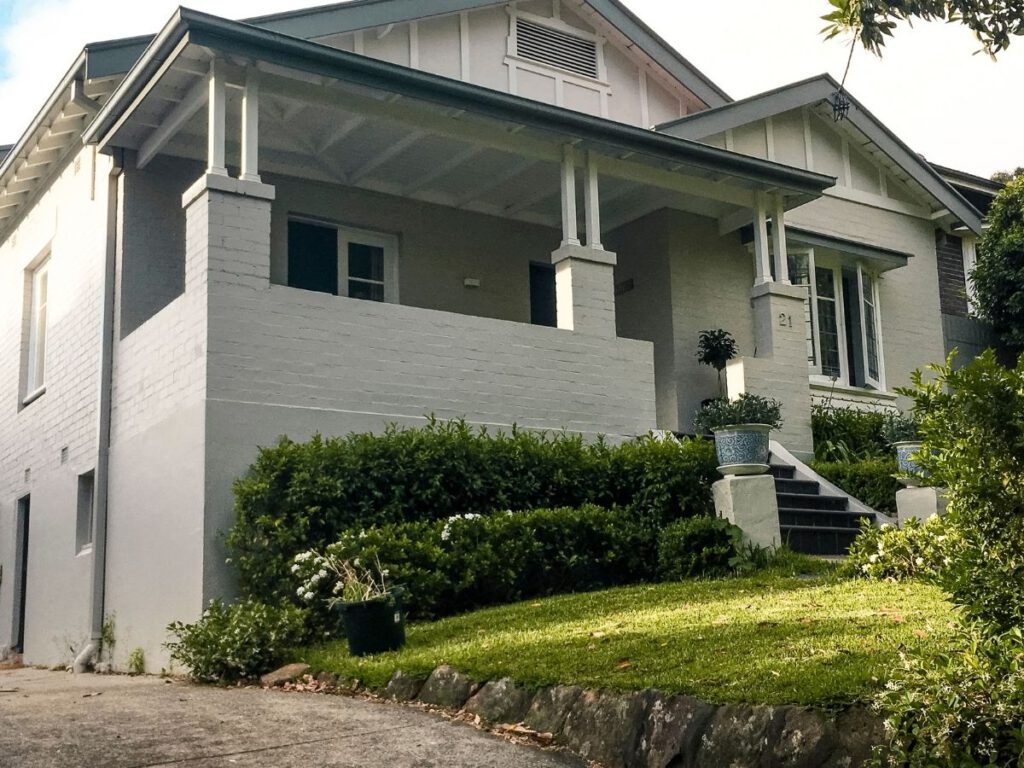
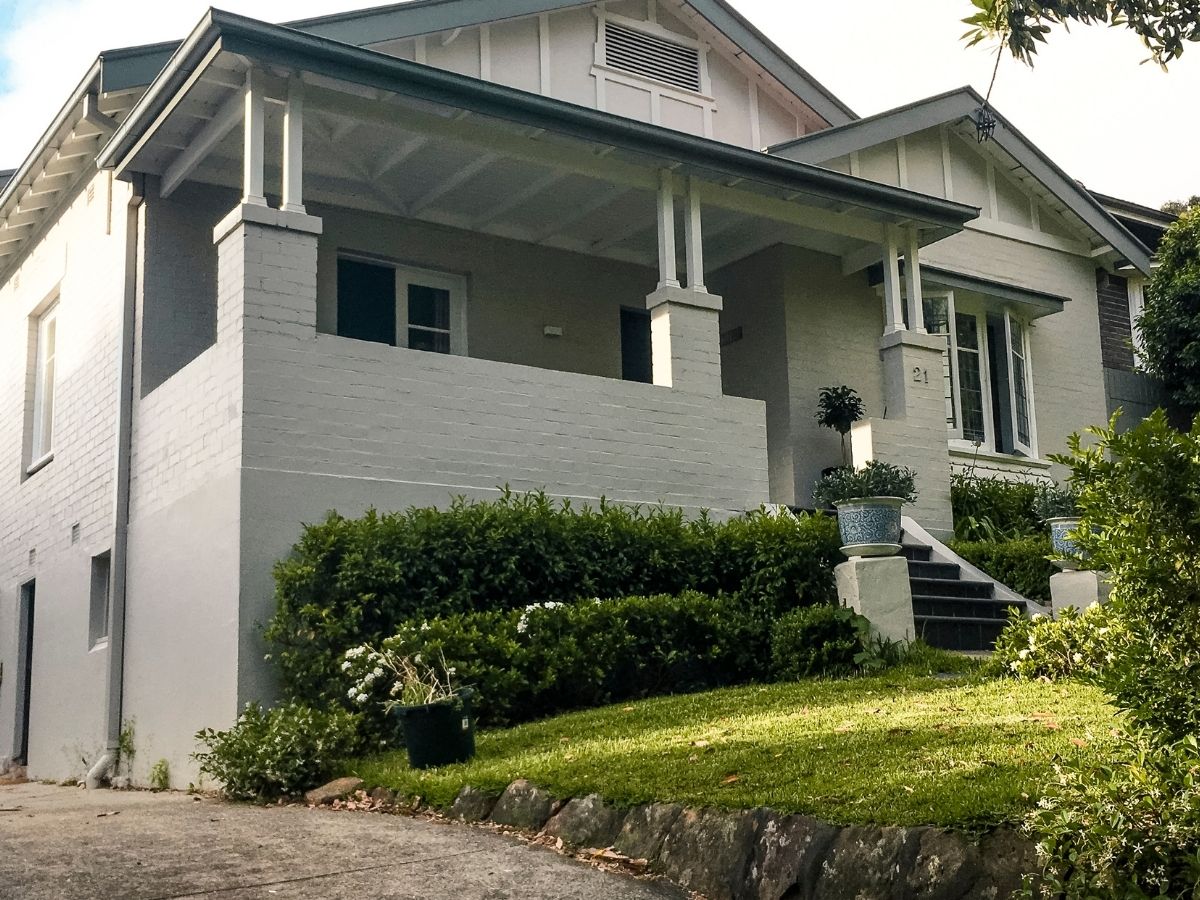
Absolutely, you can paint your brick home, and when executed correctly, it can look stunning. here's a crucial fact that often goes unmentioned: painting brick is a permanent commitment. Once you've painted it, you must be ready to repaint in the future because removing paint from brick is a messy, costly process that is seldom worth the effort. it's essential to make the right choice the first time around.
Since 2000, we've been painting homes throughout the Hills District, and brickwork is a frequent project for us. Below is a straightforward overview of what you're signing up for, allowing you to make an informed decision.
What Are the Real Advantages and Disadvantages of Painting Brick?
The primary benefit of painting brick is achieving a fresh, contemporary appearance: paint can revitalise tired, outdated, or mismatched brick, creating a cohesive and polished facade. a well-applied coat provides a protective barrier for the masonry. this comes with the caveat of permanence and ongoing maintenance; once painted, it will require future recoating.
On the positive side, you can cover outdated orange or brown brick, enhance the look of patchy repairs or extensions where the brickwork does not match, and a quality coating helps seal the surface against the elements. Conversely, you’re committing to future repainting, and using cheap or inappropriate paint can trap moisture within the wall. This is often the aspect homeowners come to regret.
Consider your desired aesthetic against the ongoing maintenance you are willing to manage. For many homes in the Hills District, this trade-off is acceptable. For others, it may not be.
Why Is Painting Brick Considered a Permanent Choice?
Treat painted brick as a permanent fixture because reversing this process can be harsh. Removing paint from masonry typically requires the use of chemical strippers or abrasive blasting, and even then, the brick may emerge damaged or stained. This process is slow, expensive, and often results in a finish that is less appealing than the original bare brick, which is why many homeowners opt to repaint instead.
Based on our experience, homeowners who take their time making this decision tend to be the happiest in the years that follow. Before committing, take a moment to reflect. Observe the homes in your neighbourhood. Visualise your property in ten years' time. If you feel confident about the decision, that's excellent. If you're uncertain, it's perfectly acceptable to leave the brick as it is.
What Preparation Is Essential for a Successful Paint Job?
Preparation is the critical factor that determines the success or failure of brick painting. The wall must be clean, structurally sound, and completely dry before any paint is applied, as moisture and loose material are the primary causes of premature paint failure. Neglecting preparation is the quickest route to peeling, flaking, and uneven results within just a season or two.
Here’s the essential order of operations:
- Thoroughly clean the surface. Brick can accumulate dirt, mould, salts, and old residues. We wash it down and allow it to dry completely (often taking several days) because painting damp brick traps moisture inside.
- Repair any mortar and cracks. Address crumbling mortar, hairline cracks, and damaged pointing first. Paint will not hide structural issues; it merely conceals them temporarily.
- Apply a primer. A masonry primer or sealer provides the topcoat with a surface to adhere to and helps to equalise the porosity of the brick. This step is not optional for bare or chalky brick.
Why Is Breathable Masonry Paint Important?
Opt for breathable masonry paint, as brick walls need to expel moisture rather than trap it. Using the wrong sealer or a non-breathable coating can create an environment that locks dampness inside, resulting in bubbling, peeling, and spalling, where the brick surface flakes away. Breathable masonry paints permit water vapour to escape while still repelling rain from the exterior.
This is where cheap paint jobs often fall short. A standard wall paint applied to brick might look acceptable for a year, but it can begin to lift as trapped moisture pushes out. A high-quality breathable system, properly applied over the correct primer, works with the wall instead of against it. We are a licensed NSW painting contractor (Licence 105492C) and members of Master Painters Australia, ensuring that the products and systems we use are tailored to the surface rather than simply choosing whatever is on sale.
When Is Painting Brick a Wise Choice, and When Should You Avoid It?
Painting brick can be a great option when the brick appears outdated, mismatched, has been previously painted, or when you desire a specific modern colour that isn't available otherwise. you should think twice if you have beautiful, intact face brick in good condition, as some character brickwork is better left untouched and can be difficult to restore.
We will honestly advise you in our quote if we believe your brick is better left unpainted or if a simple clean and clear sealer would be more beneficial than colour. The final decision is yours, but you deserve an accurate assessment before making a commitment.
Good candidates for painting include homes with rendered finishes, tired 80s and 90s brick, extensions that do not match, and properties that have already been painted and simply need a refresh. Consider carefully: heritage or premium face brick that is in genuinely good condition may not require painting.
If you're a homeowner in the Hills District contemplating this decision, contact Nasser at 0416 283 735 or request a free quote. We will assess your specific brickwork and provide you with a straightforward answer.
Common Questions About Painting Brick
Can I Remove Paint from Brick to Return It to Its Original State?
In theory, yes, but in practice, it is seldom worthwhile. Stripping paint from brick involves chemicals or abrasive blasting, which can be costly and often results in stained or pitted brick. Most homeowners choose to repaint instead, which is why we consider painting brick a permanent decision from the outset.
How Long Can I Expect Paint to Last on a Brick Exterior?
With a quality breathable masonry system applied after proper preparation, a painted brick exterior can endure for many years before needing recoating. Factors such as sun exposure, weather conditions, and the initial preparation all influence longevity. Proper preparation and the right paint significantly contribute to achieving a longer lifespan.
Will Painting My Brick Create Dampness or Moisture Issues?
Only if the incorrect paint is used. Non-breathable coatings can trap moisture inside the wall, leading to bubbling and flaking. Breathable masonry paint allows the wall to release water vapour while keeping rain out. Correct preparation, adequate drying time, and appropriate product selection will prevent the damp issues that often concern homeowners.
What Is the Cost of Painting a Brick House?
The cost varies based on the size of the home, the condition of the brickwork, the extent of mortar or crack repairs required, the number of coats needed, and accessibility around the property. Because these factors differ from house to house, we do not provide a standard price. The most honest approach is to offer a free on-site quote.
Is It Necessary to Hire a Licensed Painter for This Job?
For exterior masonry, it is advisable to hire someone who understands brick, preparation, and the appropriate coating system. We are a licensed NSW painting contractor (Licence 105492C) and members of Master Painters Australia, serving the Hills District since 2000. The licence ensures that the work meets established standards.
Original Article First Published At: Can I Paint My Brick Home?