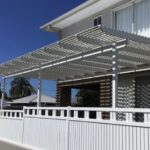

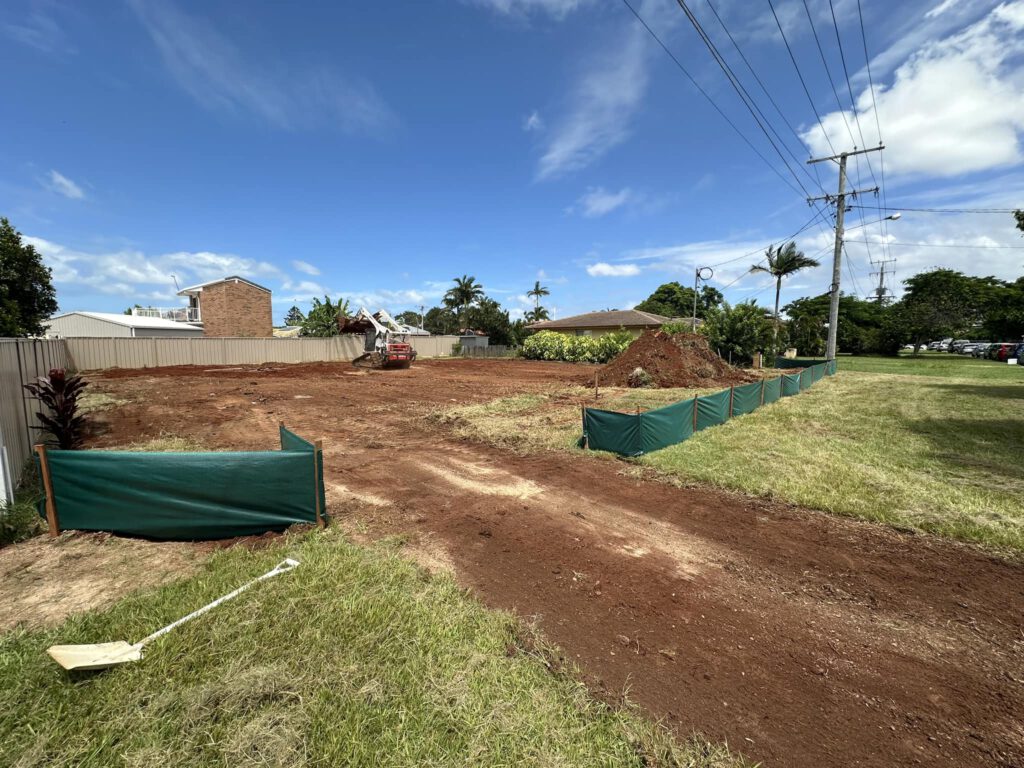
If you love your location but are not satisfied with your house, you essentially have two viable options: renovate your current home or demolish it and construct a new one. Generally speaking, renovations are ideal for sound homes that simply require updates, while a knock-down rebuild is more appropriate when the existing house is outdated, poorly designed, or presents challenges at every turn. This guide will help you determine which option is best suited for your circumstances in Brisbane or the Redlands.
What Is the Key Difference Between Renovating and a Knock-Down Rebuild?
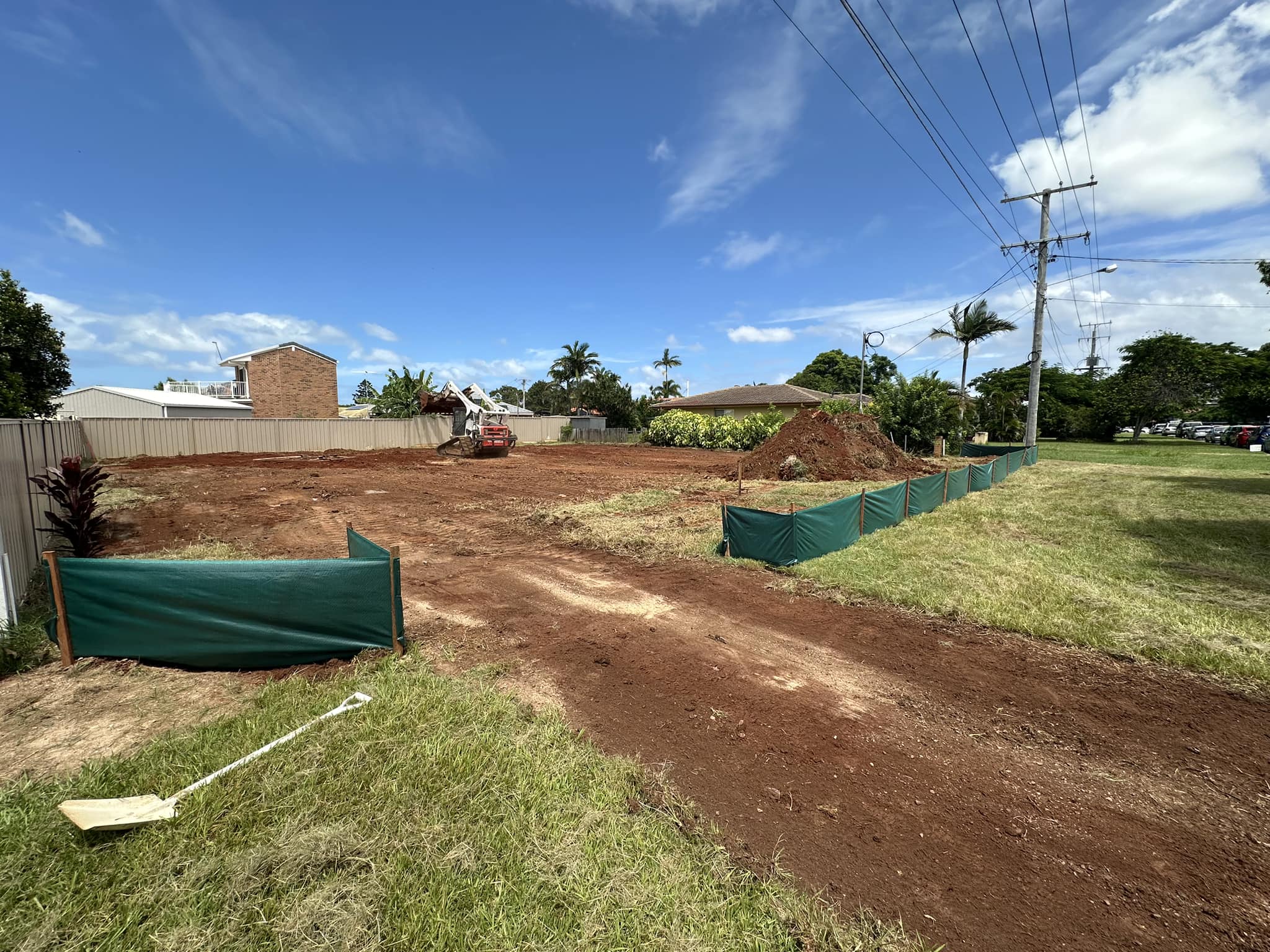
A renovation involves working with the existing structure of your home. You retain the foundational elements while changing, extending, or modernising different parts of the house. In contrast, a knock-down rebuild (KDR) entails completely removing the existing house and constructing a brand-new home on the same block.
While the block remains unchanged—the location, the street, your neighbours, and the school catchment area all stay the same—what transforms is whether you enhance an older home or start fresh with a new build.
When Is Renovating the Most Logical Choice?
Renovations are often the best option when the existing home is structurally stable and you only wish to modify specific areas. Here are the scenarios where renovations typically shine.
The Home Has Strong Structural Integrity
If the slab, frame, and roof are in good condition, and the layout largely functions well, a renovation can deliver the kitchen, bathroom, or additional room you desire without the need to rebuild everything. This approach allows you to allocate your budget effectively where it matters most.
You Wish to Preserve Original Character Features
Some homes possess unique charm that deserves to be retained. Authentic Queenslanders, homes with period details, or character houses under a council overlay should be renovated to maintain their distinctive character, which cannot be replicated. In certain areas, overlays may also restrict your ability to demolish.
You Only Need to Modify Certain Parts of the House
If three rooms function well while one does not, there is no need to undertake a full rebuild. A focused renovation or extension often proves to be a more sensible investment when the issues are limited.
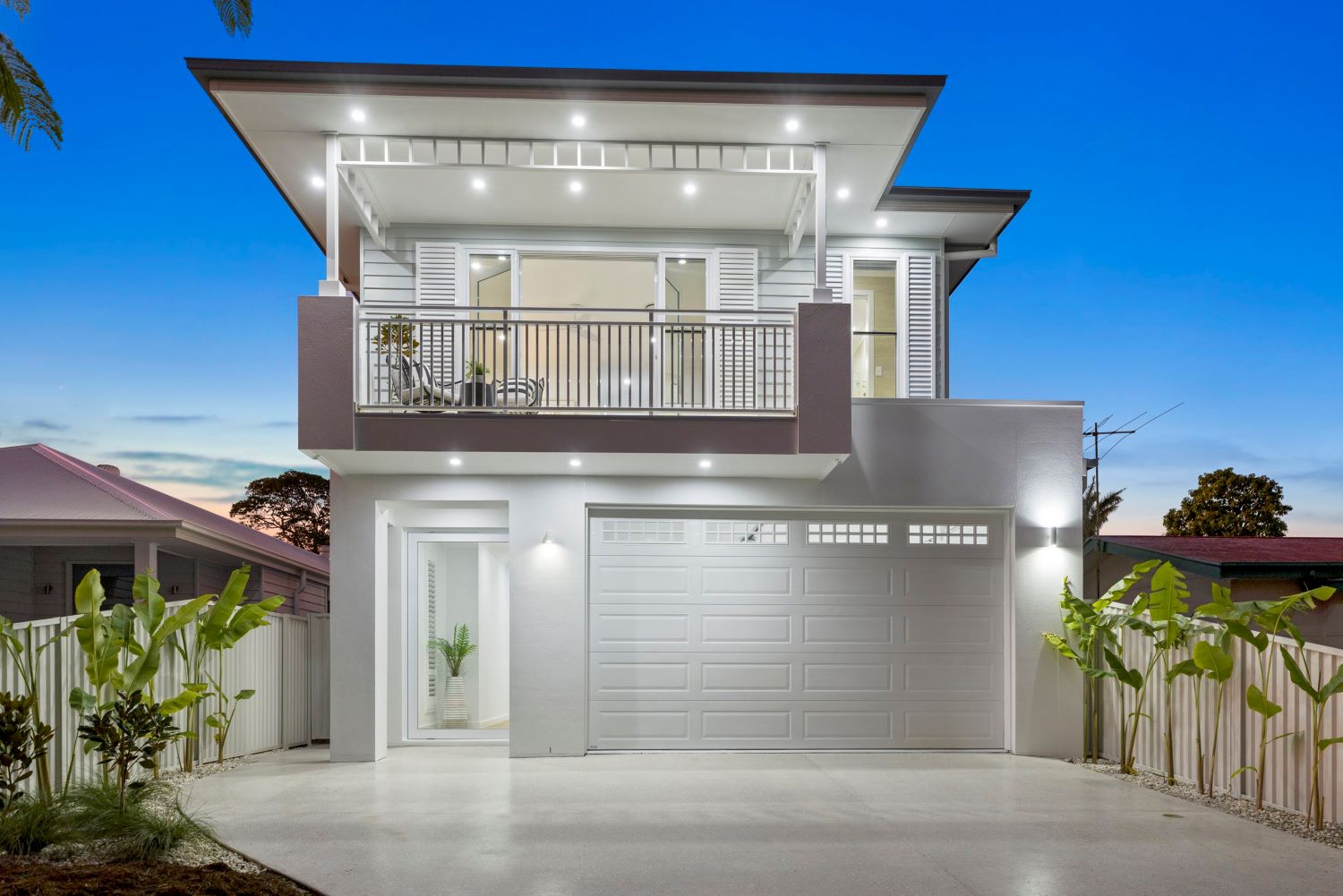
When Is a Knock-Down Rebuild the Better Option?
A KDR is more suitable when the existing house is contrary to your vision, and renovating it would require significant investment to partially resolve issues you'd prefer to eliminate entirely.
You Would Be Renovating Most of the House Regardless
When the kitchen, bathrooms, layout, wiring, and plumbing all require updates, you may reach a point where you are essentially rebuilding the home one room at a time, incurring renovation costs along the way. At this juncture, opting for a new build often provides greater value for a similar expenditure, resulting in an entirely new home rather than patching old sections.
The Layout Doesn’t Function Effectively
Renovations can modify rooms, but they cannot always rectify fundamental issues. Low ceilings, poor sun orientation, small windows, or an impractical floor plan can be challenging to address without extensive structural changes. A new build allows you to design a home that aligns with your lifestyle and the block's orientation.
You Prefer Everything New and Under Warranty
A knock-down rebuild offers a new slab, new frame, new services, and everything else, all constructed to current standards and protected by new-build warranty provisions. In contrast, a renovation combines new work with old elements, leaving you with the age of the existing parts intact.
The Block Has Potential for More Than the Current House Offers
If your block can comfortably accommodate a larger or better-designed home—or even a custom-built house tailored to your specific needs—the existing structure may not be utilising its full potential. Rebuilding unlocks that potential in ways renovations cannot.
How Do I Make an Informed Decision?
Begin by assessing the house rather than focusing on the budget. Obtain a thorough evaluation of the existing structure: is it stable, is the layout fixable, and how much of it would you actually retain? If the response indicates that “most of it stays,” you should consider renovating. If the answer suggests that “we’d be altering nearly everything,” a rebuild is typically the more straightforward investment.
Next, evaluate what your block allows. Overlays, character protections, and council regulations can either prohibit or facilitate demolition before you even consider costs. In the Redlands, factors such as soil type, flood overlays, and local planning controls are crucial, which is why consulting a local builder familiar with the area early in the process is beneficial.
One key recommendation is to avoid heavily renovating a home that is better suited for a rebuild. This often leads to substantial expenditure without achieving the desired outcome.
Frequently Asked Questions
Is Renovating Cheaper Than a Knock-Down Rebuild?
The answer varies significantly based on the house and how much of it you intend to retain. A minor renovation, such as updating one or two rooms in a structurally sound home, is generally less expensive than a complete rebuild. as renovations expand to involve kitchens, bathrooms, layouts, wiring, and plumbing, costs can escalate to levels comparable to a new build while still leaving you with the original structure's limitations. The critical comparison isn't simply “renovation vs rebuild” in a vacuum, but rather “what would my specific renovation actually cost” compared to “what would a new home on this block cost.” Ensure both options are priced accurately before making a decision, as the less expensive option on paper may not deliver the best value.
Can I Knock Down and Rebuild on the Same Block?
Yes, in most situations, you can demolish an existing home and construct a new one on the same block, which is precisely the essence of a knock-down rebuild. You retain your location and land while replacing the house. The first considerations should be whether your block has any overlays (character, heritage, flood, or vegetation) that could impact demolition or your building plans, as well as what council approvals your project may require. Some character-zoned homes in Brisbane and the Redlands are subject to demolition controls. A builder familiar with your area can provide early insights into whether a KDR is feasible on your block or if there are complications to navigate.
Will I Need Council Approval to Renovate or Rebuild?
In many cases, yes, but this is contingent on the nature of the work involved. Numerous renovations, extensions, and all new builds require building approval, with some also necessitating planning (development) approval based on your zoning and any overlays. A knock-down rebuild also requires demolition approval. The exact process depends on your block, your council, and the specifics of what you are building. You do not have to navigate this alone; a licensed builder will identify the necessary approvals for your project as part of the design phase and guide you through the process, ensuring you are well-informed about council requirements.
Will I Have to Move Out During a Renovation or Rebuild?
For a knock-down rebuild, yes, you will need alternative accommodation because the existing house will be demolished during the construction period. For renovations, it depends on the scope of work: smaller jobs may allow you to stay, but major projects involving kitchens, bathrooms, or structural changes typically require you to vacate for safety and comfort. It's wise to include temporary accommodation costs in your budget for either option if significant work is anticipated. We will provide you with a realistic timeline upfront so you can plan your living arrangements accordingly, preventing any last-minute surprises.
Do I Need a Licensed Builder for a Knock-Down Rebuild in Queensland?
Yes. In Queensland, any building work exceeding the prescribed value must be carried out by a builder with the appropriate QBCC licence. Demolition work also comes with its own licensing and safety requirements. Engaging licensed trades ensures that eligible work is covered by the Queensland Home Warranty Scheme, providing protection in case of any issues. You can verify any builder's licence through the QBCC register at qbcc.qld.gov.au before signing any contracts. Iconic Homes & Construction holds QBCC Licence 15141694, and we manage the entire process from demolition to handover, ensuring you work with a single team rather than juggling multiple contractors.
How Long Does a Knock-Down Rebuild Take Compared to a Renovation?
A knock-down rebuild follows a clear sequence involving design, approvals, demolition, and then construction. The new build phase is often more predictable than a renovation because the team is not working around an existing structure. While small renovations can be completed quickly, larger projects often encounter unexpected challenges once walls are opened, which can extend timelines. The most significant variable for both options is the approval process, which varies based on your council and whether your project is straightforward or requires planning assessments. We will outline a realistic, step-by-step timeline for your specific project before you commit, ensuring the schedule is tailored to your block rather than relying on generic estimates.
Still Unsure About Which Path to Take?
The best decision hinges on your house, your block, and your objectives. It is worthwhile to obtain an honest assessment before investing in either direction.
Schedule a free consultation with Iconic Homes & Construction. We will evaluate your existing home, your block, and your goals, providing an honest recommendation on whether renovating or rebuilding will yield the best results. QBCC Licence 15141694.
Original Article First Published At: Knock-Down-Rebuild vs Renovate: Which Is Right for You?