

Repairing your hot water system is a sensible option if it is under eight years old, the issue is isolated to a single component (like a thermostat, element, valve, or thermocouple), and there are no leaks from the tank itself. replacement is advisable once the unit exceeds 10 to 12 years of age, if the tank shows signs of rust or leaks, or if the repair cost approaches half of a new system's price. This guideline is what we adhere to across the Hills District.
Here’s how to determine which option is best for your situation.
What is the Age of Your Hot Water System?
The age of your hot water system is the first factor we assess, as it provides more insight than just the symptoms. Most storage hot water systems in Sydney generally last between eight and twelve years. Both electric and gas storage tanks tend to fall within this range, while continuous flow (instantaneous) gas units can last a bit longer with regular maintenance.
If your system is less than eight years old and has a single malfunction, repairing it is typically the best choice. Conversely, if it is more than 10 to 12 years old, you could be investing in a unit that is nearing the end of its lifespan, and another failure is likely imminent.
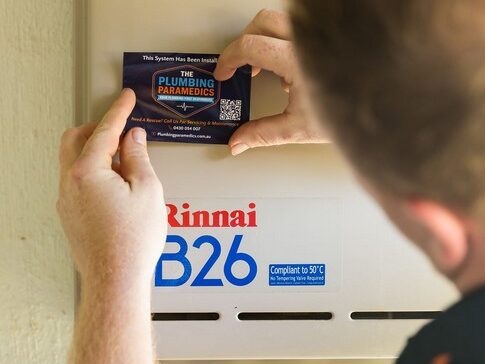
To find the installation date, check the compliance plate or sticker on the unit. If it is not visible, we can identify most systems from the model number during our visit.
What Component is Malfunctioning?
Understanding the specific fault is just as crucial as knowing the age of the system. Some issues are inexpensive to fix, while others signal that the tank has reached the end of its life.
Repairs That Are Worth Considering
Common repairs include replacing a heating element or thermostat in an electric system. In gas storage or continuous flow units, issues like a faulty thermocouple, pilot assembly, or igniter can also be resolved. A leaking tempering valve or pressure relief valve (the small valve that drips into a drain line) is typically a simple part replacement rather than requiring a new system.
These scenarios clearly favour repair, as the tank is still in good condition and we are simply replacing a worn-out component.
When to Replace the Tank
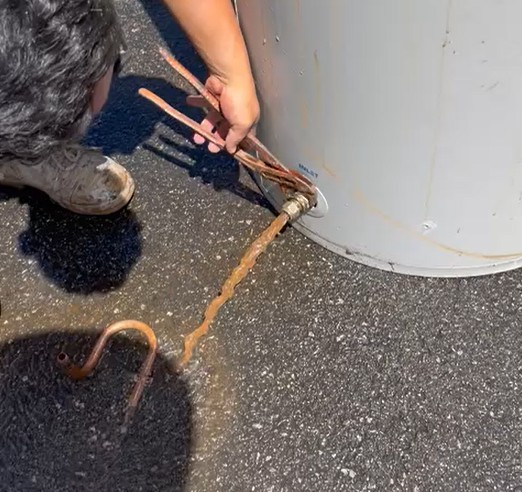
If the tank is leaking, showing signs of rust, or if water is pooling around the base with no visible loose fittings, this indicates internal corrosion. A rusted tank cannot be repaired. Once the steel structure fails, the only solution is to install a new unit.
In some cases, a failed sacrificial anode can be replaced to extend the life of the tank by a few additional years, but this must be done before significant corrosion occurs. Once the tank begins to weep, that opportunity has passed.
How Does Repair Cost Compare to New System Pricing?
Utilise the half-rule: if the repair approaches about half the cost of a new unit, replacement is generally the more prudent choice, particularly for older systems. Investing $700 into a 13-year-old tank that may fail again within eight months is not a saving.
We do not provide fixed prices since costs vary based on the type of system, the specific part needing replacement, and accessibility. For example, a simple element replacement on an easily accessible electric unit is at the lower end of the price spectrum. In contrast, a full replacement, especially for gas, solar, or heat pump systems requiring new connections, will be significantly higher. We offer free quotes for both options when feasible, allowing you to compare costs before making a decision.
You can learn more about the systems we install and service on our hot water services page.
Does the Type of System Influence Your Decision?
Absolutely. The financial implications differ across the four main types of systems.
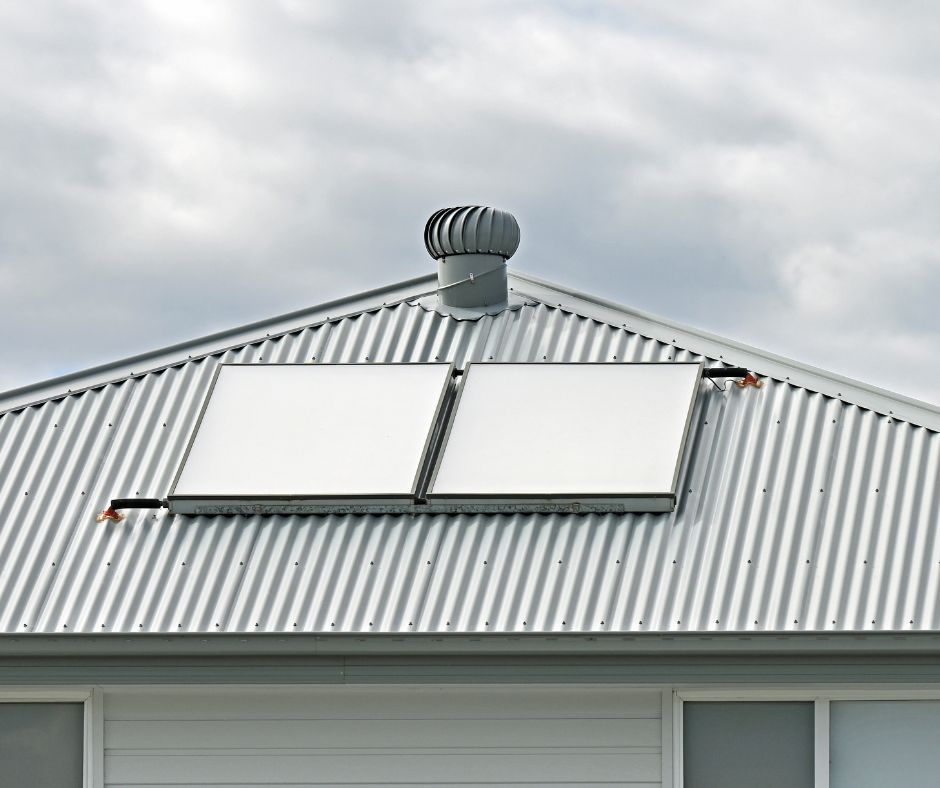
Electric storage systems are the least expensive to replace, so the threshold for replacing rather than repairing is lower. Gas storage and continuous flow systems require more consideration, as detailed on our gas hot water page, and a high-quality continuous flow unit may be worth repairing even later in its lifespan. Solar and heat pump systems have higher upfront costs, making component repairs on a functioning unit typically more advantageous than a full replacement.
One crucial rule applies to all types: installation and replacement of hot water systems in NSW must be performed by a licensed plumber, and any gas work must be carried out by a licensed gas fitter. This is a legal requirement, not a suggestion. We possess both NSW Fair Trading licenses in-house.
When Should You Opt for Immediate Replacement?
There are specific scenarios where replacement is undoubtedly the wiser financial decision.
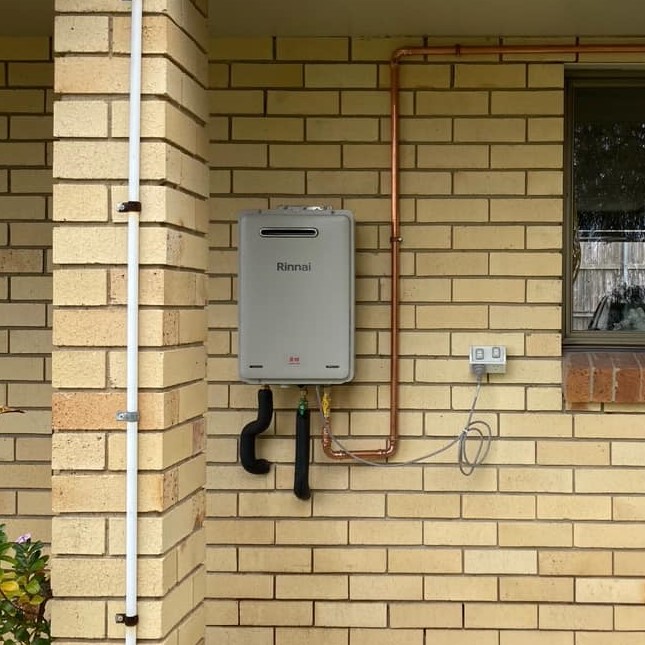
If the tank is leaking, the unit is over 12 years old, has already undergone a repair, is providing rusty or discoloured water, or cannot keep up with household demands (leading to cold showers for later users), it is time to consider replacement. If the repair estimate exceeds half the cost of a new unit and the system is well beyond its prime, replacement is usually the best option.
If you are contemplating an upgrade, this is also a good opportunity to evaluate a more energy-efficient system. We discuss this in detail during our quoting process.
Common Questions Answered
What is the Typical Lifespan of a Hot Water System in Sydney?
Most storage hot water systems in Sydney homes last approximately eight to twelve years, whether they are electric or gas. Continuous flow (instantaneous) gas units may last slightly longer with regular servicing. Factors such as water quality, the workload on the system, and timely replacement of the sacrificial anode affect the actual lifespan. Once a unit surpasses ten years, failures become more frequent, and replacement generally offers better financial sense than ongoing repairs. To find the age of your unit, check the compliance plate for the installation date, or we can determine it from the model number during our visit. Knowing the age is crucial when deciding whether to repair or replace.
Is Repairing a Ten-Year-Old Hot Water System Worth It?
It can be worthwhile, but only if the issue is confined to a single part and the tank is still in good condition. Replacing a thermostat, element, thermocouple, or pressure relief valve on a ten-year-old system can be a reasonable choice if the tank shows no rust or leaks. investing heavily in repairs for a tank that is corroding is usually not advisable, as subsequent failures are likely to arise within a year. As a guideline, if repair costs approach half the price of a new system for a unit of this age, replacement is the more sensible option. We provide quotes for both repairs and replacements side by side when feasible, allowing you to see the figures clearly and make an informed decision.
What Indications Suggest My Hot Water System Needs Replacing?
The most obvious sign is if water is pooling or leaking from the tank, indicating that the steel has corroded and cannot be repaired. Other warning signs include rusty or discoloured hot water, the system failing to meet household demands, unusual banging or rumbling noises from the tank, and the unit being over 12 years old with a malfunction. A single failed part in a younger, well-maintained tank typically indicates repair rather than replacement. if you notice multiple issues together—age, leaks, and poor performance—it is often more cost-effective to replace the unit rather than continue patching it. We can evaluate the situation on-site and provide a free quote for either option, with no obligation to proceed.
Can I Install My Own Hot Water System?
No, you cannot. In NSW, installation and replacement of hot water systems must be conducted by a licensed plumber, and any gas connections must be done by a licensed gas fitter. This is not merely a recommendation, it is the law. Attempting DIY installation can void your home insurance and the manufacturer's warranty, and it presents significant safety risks involving gas, scalding water, and pressure. All components, including tempering valves and pressure relief valves, must comply with plumbing standards. You can safely check the age on the compliance plate and look for leaks around the base before making a call. We hold the relevant NSW Fair Trading plumbing and gas fitting licences, enabling us to manage the entire job efficiently.
What is the Cost of Replacing a Hot Water System?
We do not provide fixed prices since costs vary significantly based on the system type and installation specifics. Electric storage systems are the most affordable to replace, while gas, solar, and heat pump systems tend to have higher initial costs but can reduce running expenses over time. The total cost is influenced by the chosen unit, whether it entails a straightforward replacement or a transition to a different type of system, the installation location (internal versus external, accessibility), and any new water or gas connections needed. The most effective way to get an accurate price is to request a free quote tailored to your situation. We will assess your current setup and your desired options before providing a clear, fixed figure with no hidden surprises. Guessing online prices rarely reflects the actual job requirements.
How Long Does It Take to Replace a Hot Water System?
A straightforward like-for-like replacement typically takes just a few hours and can often be completed on the same day, provided we have the correct unit available. The process takes longer if changing system types, such as from electric to gas or from storage to continuous flow, as this may involve new connections and possibly relocating the unit. Accessibility is also a factor: a unit located in a tight space or up a flight of stairs will require more time than one situated in an open area. If you are currently without hot water, we will provide you with a realistic timeframe before commencing work. We keep common systems on hand, allowing for same-day replacements whenever possible to avoid leaving you without hot water for long. In emergencies, we prioritise swift responses.
Need Professional Guidance on Your Hot Water System?
If you are experiencing issues with your hot water system, the most efficient approach is to let us examine it. We will provide an honest assessment of whether repair or replacement is necessary, offer quotes for both options when appropriate, and we are fully licensed to handle the entire job from start to finish.
Contact The Plumbing Paramedics at 0430 054 007 for a complimentary quote, or explore our hot water services and electric hot water options.
Original Article First Published At: Hot Water System Repair vs Replace — When Each Makes Sense