

If your optometrist has recommended heat therapy for your dry eyes, you might have already spent considerable time scouring the internet for the best eye masks. With a multitude of options available, prices can range from $15 to $150, and they vary in functionality: some require plugging in, while others can be heated in the microwave. The appearance of these masks also differs significantly; some resemble sleep masks while others look like medical devices designed for serious treatments.
As optometrists who actively stock and utilise these products in our practice, we receive questions about which mask to purchase almost every week. Here’s our straightforward advice.
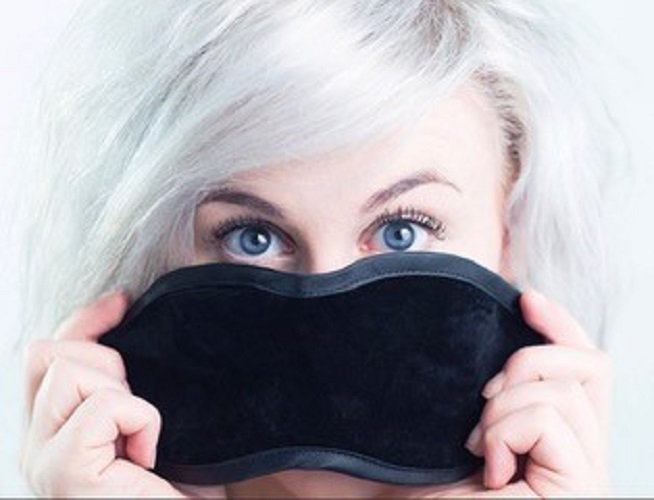
Understanding Why A Warm Washcloth Falls Short For Dry Eye Relief
The meibomian glands, located in your eyelids, are responsible for producing a thin layer of oil that sits atop your tears, effectively preventing them from evaporating too quickly. When these glands become blocked, the condition referred to as meibomian gland dysfunction (MGD) arises, and it stands as the primary cause of evaporative dry eye in Australia.
The essence of heat therapy is to soften the hardened oils obstructing these glands so that they can resume normal functioning. This process requires sustained, even heat maintained at approximately 40 to 45 degrees Celsius for a minimum of 8 to 10 minutes.
A warm washcloth from the tap loses its heat rapidly, often within about 30 seconds. By the time it remains warm enough for comfort, it has already cooled down to a temperature that offers little therapeutic benefit. Consequently, many individuals who claim, “I tried a warm compress, and it didn’t work,” were likely not effectively treating MGD. They were merely holding a cooling flannel against their face.
A properly designed heated eye mask, however, maintains the therapeutic temperature for the entire 10 minutes, and this is where the key difference lies.
Identifying Key Factors When Selecting A Heated Eye Mask
Most masks may appear similar in photographs, but what truly matters is their performance when worn.
Temperature Regulation. The mask must reach and sustain a temperature of 40 to 45°C for at least 10 minutes. If it cools off after three minutes, you've wasted your time.
Comprehensive Coverage. The heat should adequately reach both the upper and lower eyelids. Many more affordable masks only cover the upper lid, neglecting a significant portion of the glands you're aiming to unblock.
Hygiene Considerations. Any warm, moist item that comes into contact with your eyelids can become a breeding ground for bacteria. Seek out masks that feature antibacterial treatments or those that you can easily clean and replace.
Comfort Level. You will be wearing this mask for 10 minutes at a time, ideally on most days. If it feels heavy, slippery, or irritates your skin, you may be less inclined to continue using it. Consistency is crucial for achieving results, not merely the brand name.
Ease of Use. A mask that requires a microwave, a timer, a towel underneath, and multiple hands is unlikely to be used regularly. The simpler the process, the more likely you are to complete the treatment consistently.
Comparing The Main Types Of Heated Eye Masks
Microwaveable Bead Or Gel Masks
These are the most commonly used type of heated eye mask. You simply heat them in the microwave for 20 to 30 seconds and then wear them for about 10 minutes.
What We Appreciate: They are uncomplicated, affordable, and reusable for several months without the need for cords.
What To Consider: The heat tends to dissipate towards the end of the session. You can easily overheat them if you leave them in the microwave for too long. Additionally, the beads may eventually lose their heat-retention capacity, necessitating replacement every 6 to 12 months.
USB Or Electric Heated Masks
These masks plug in and maintain a consistent temperature throughout the entire treatment session.
What We Appreciate: They provide a constant temperature, eliminating guesswork, and some models feature adjustable settings.
What To Consider: They typically come with a higher initial cost, are less portable, and require a power source.
Single Use Disposable Warming Masks
These masks are activated by opening the packet and have gained popularity in Japan, with increasing availability in Australia.
What We Appreciate: They are hygienic, deliver consistent heat, and are excellent for travel.
What To Consider: The costs can accumulate quickly if used daily. They are not adjustable and contribute to waste.
Overnight Moisture Chamber Masks
While these masks are not heated, they warrant discussion. They seal around your eyes during sleep, creating a high-humidity environment that prevents tear evaporation.
What We Appreciate: For individuals who wake up with gritty, crusty eyes, these masks can significantly improve comfort within a week.
What To Consider: They do not provide the same benefits as heated masks; they serve a different purpose in addressing dry eye issues.
Our Recommended Heated Eye Masks And Their Benefits
We do not aim to stock every heated mask available on the Australian market. Instead, we focus on recommending the masks that we trust for our patients on the Central Coast, as well as those we use in our practice.
For Daily Home Treatment: The Eye Doctor Premium Antibacterial Eye Compress
This microwaveable mask retains heat exceptionally well throughout a full 10-minute session and incorporates Sterileyes antibacterial technology, ensuring it remains hygienic between uses. We frequently recommend this mask to new MGD patients as a starting point because, based on our experience, it encourages compliance due to its simplicity.
For Travel, The Office, Or Anywhere Without A Microwave: The Eye Doctor Click And Go
This reusable, portable mask activates without requiring a microwave. We recommend this as a secondary mask for patients who travel often or want to keep one at their workplace. While it is not a substitute for the home version, it effectively addresses situations where a microwave is unavailable.
For Overnight Dry Eye Relief: EyeSeals 4.0
This mask is not heated; instead, it functions as a moisture chamber worn overnight to maintain humidity around your eyes while you sleep. If you often wake up feeling like your eyelids are glued to your eyeballs, this mask addresses a different issue than heat therapy, but many patients benefit from using both.
For A More Comprehensive Home Treatment: EyeCloud Home Treatment Kit
This option is an upgrade from basic heated masks. The EyeCloud combines controlled warmth with guided meibomian gland expression in a single device, allowing the heat to soften blockages while the expression clears them. Both elements of treatment can be completed in one session. With a recent price reduction, this device has become more accessible, making a comprehensive home routine achievable for more patients. It's worth considering if your MGD has not responded to basic masks or if you prefer a more structured approach. Feel free to pop in or call us if you would like to see one before making a decision.
As A Complementary Daily Tool: NuLids Dry Eye System
While this is not a heated mask, it serves as a daily eyelid stimulation device that gently massages the lid margin, aiding in expressing the meibomian glands. We mention this because patients who utilise heat therapy in conjunction with NuLids often experience better results than those using heat alone for stubborn MGD. Consult with us before adding this to your routine, as it may not be suitable for every dry eye case.
Understanding That Heat Therapy Is Just One Component Of Dry Eye Management
A heated eye mask effectively addresses blockages within the meibomian glands. For most dry eye patients, it should be used alongside other treatments rather than as a standalone solution.
- Preservative-Free Lubricant Eye Drops provide daytime symptom relief between heat therapy sessions. Your optometrist can recommend the most appropriate drops based on your tear film.
- Dry Eye Supplements support tear quality from within. Our comparison of Lacritec and DryEye Forte covers the two brands we stock most frequently, and Macutec Once Daily is recommended when macular health is a concern.
- Eyelid Hygiene. A dedicated lid cleanser (as opposed to a face wash) helps maintain cleanliness along the lid margin between heat sessions, which is more critical than many individuals realise.
Heat therapy directly tackles the blockage. These additional tools help maintain overall eye health. When discussing your dry eye condition with us, we will guide you through a comprehensive routine tailored to your specific needs, rather than solely recommending a mask.
Essential Steps To Effectively Use A Heated Eye Mask
Implementing heat therapy requires commitment; it is not a one-time solution. Here’s the routine we encourage patients to adopt:
Daily For The First 2 To 4 Weeks. This is considered the loading phase. Consistency during this initial period is vital for effectively addressing blockages.
Transition To 3 To 4 Times A Week Afterwards. This level of maintenance proves effective for most individuals. However, some patients with chronic MGD find that daily treatment remains beneficial in the long term.
10 To 15 Minutes Per Session. Sessions shorter than 10 minutes may not soften the oils sufficiently, while exceeding 15 minutes does not provide additional benefits and may even dry out the skin around your eyes. Following heat application with gentle lid massage yields the best results.
Incorporate Gentle Lid Massage Or Expression. The heat softens the blockage, while the massage facilitates its removal. Your optometrist can demonstrate this technique; it's straightforward and easy to implement.
Prioritise Cleaning Your Lids First. Combining heat therapy with a proper eyelid cleansing routine is crucial, especially if you wear eye makeup or have any lid inflammation. Clean lids enhance the effectiveness of the heat.
The finest mask available will not yield results if you only use it a couple of times before giving up. The best choice is one that you will consistently use every night.
Are You Still Unsure Which Heated Eye Mask To Start With?
We regularly see patients with MGD, and the ideal starting point varies based on what is causing your dry eye. Schedule an appointment at our Central Coast practice, and we will assess your tear film, examine your meibomian glands, and provide specific recommendations on which mask suits your needs best, along with guidance on whether heat therapy is the appropriate initial step.
Explore Our Range Of Heated Eye Masks At Eyes By Design
Schedule An Appointment With Our Experienced Optometrists
Frequently Asked Questions About Heated Eye Masks
Do Heated Eye Masks Actually Provide Relief For Dry Eye?
Absolutely, particularly when the dry eye condition stems from meibomian gland dysfunction, as is the case with most evaporative dry eye scenarios. Sustained warmth effectively softens the blocked oils in the glands, enabling them to flow freely again. Research highlighted by the Tear Film and Ocular Surface Society (TFOS) supports warm compress therapy as a primary treatment for MGD. The crucial element is maintaining consistent heat at 40 to 45°C for a minimum of 10 minutes per session.
How Long Should A Heated Eye Mask Be Worn?
The ideal duration for wearing a heated eye mask is between 10 to 15 minutes per session. Sessions shorter than 10 minutes may not sufficiently soften the oils to clear blockages, while exceeding 15 minutes does not provide additional benefits and could dry the skin surrounding your eyes. Following heat application with gentle lid massage ensures optimal results.
Can You Use A Heated Eye Mask Daily?
Yes, daily use is advisable for the first 2 to 4 weeks of treatment to effectively eliminate existing blockages. After this initial period, most patients can reduce usage to 3 to 4 times a week for maintenance. Patients with chronic or severe MGD often find continued daily use beneficial over the long term. Consult your optometrist to determine the right regimen for your individual situation.
Is A Heated Eye Mask Superior To A Warm Washcloth?
In most instances, yes. A warm washcloth loses its heat within approximately 30 seconds and seldom reaches the therapeutic temperature necessary for long enough to effectively soften the meibomian gland oils. A well-designed heated mask maintains a temperature of 40 to 45°C for the entire 10-minute session. If a washcloth is your only option, it is better than nothing; however, it cannot serve as a long-term replacement for an appropriate heated mask.
What Is The Cost Range For A Quality Heated Eye Mask In Australia?
Prices can vary considerably based on the type of mask and the technology incorporated. Reusable microwaveable masks represent the entry-level option, while electric and moisture chamber masks are positioned at a higher price point. Multi-functional systems that integrate heat with guided expression typically fall within the premium range. Current pricing information is available on each product page within our heated eye mask collection, or you can contact us for direct assistance in choosing the most suitable option for your needs.
Can Individuals With Sensitive Skin Or Rosacea Use A Heated Eye Mask?
In many cases, yes, but with caution. Patients who have ocular rosacea or facial rosacea often respond positively to heat therapy, as MGD is prevalent among those with rosacea. However, the skin surrounding the eyes may be more sensitive. Start with a single session, monitor for any signs of redness or irritation, and consult your optometrist or dermatologist before committing to daily use. Some patients find that moisture chamber masks used at night are more tolerable than daily heated masks.



You’ve raised some important points about the complexities of choosing the right heat mask for dry eyes. I found your discussion on the necessity of targeted heat therapy particularly enlightening. While it’s tempting to resort to everyday alternatives like a warm washcloth, I experienced firsthand how ineffective that can be for truly addressing my dry eye issues. My optometrist recommended a heated mask specifically designed for this purpose, and I’ve noticed a significant difference since incorporating it into my routine.
It sounds like you’ve had quite the journey with your dry eyes. It’s interesting how something as simple as a heated mask can make such a difference. The idea of using a warm washcloth seems convenient, but it often falls short when it comes to providing the consistent and targeted heat that specialized masks can deliver.
This topic resonates with me because I’ve struggled with dry eyes for a while now, and I can definitely relate to the frustration of trying to find the right solution. I’ve tried using warm washcloths, but they just don’t seem to provide the consistent warmth needed to really help with meibomian gland function.
I appreciate the thorough exploration of heat therapy for dry eyes in your post. It’s puzzling how something as seemingly simple as a heated mask can be so varied in design, functionality, and price. It raises an interesting question about consumer behavior in health and wellness products, and how marketing plays a role in our choices.
You’ve touched on a really interesting point about how health and wellness products, like heated masks, come in so many shapes and sizes. It’s fascinating to think about why that is. Consumers are often drawn to the sleek designs or celebrity endorsements without digging into what actually makes one product effective over another.
Your insights on the importance of targeted heat therapy for dry eyes resonate with many, especially considering how frustrating this condition can be. It’s interesting how often we overlook the functionality and mechanics of devices that seem deceptively simple, like eye masks. While a warm washcloth might provide temporary relief, it lacks the consistency and the targeted heat necessary to properly address the blockage in the meibomian glands.