

Rats nesting in roofs represent a significant concern for many households in Sydney. Fortunately, addressing this issue doesn't have to involve harming native wildlife or pets in your vicinity. The most humane strategy for managing rats involves preventing their entry, eliminating attractants, and employing well-constructed snap traps for any rodents already present. Methods like glue boards and anticoagulant poisons lead to slow and painful deaths, which the RSPCA Australia deems inhumane.
This guide provides insights on identifying rat presence in your roof, effective non-toxic removal methods, humane trapping options, and guidance on when to seek assistance from a licensed pest control professional.
Essential Insights on Managing Rats Humanely
- Sealing entry points is crucial to preventing rats from returning.
- According to RSPCA Australia, properly utilised snap traps deliver a swift end to rodent issues.
- Anticoagulant poisons can take up to a week to kill, and the APVMA restricted the strongest formulations in March 2026.
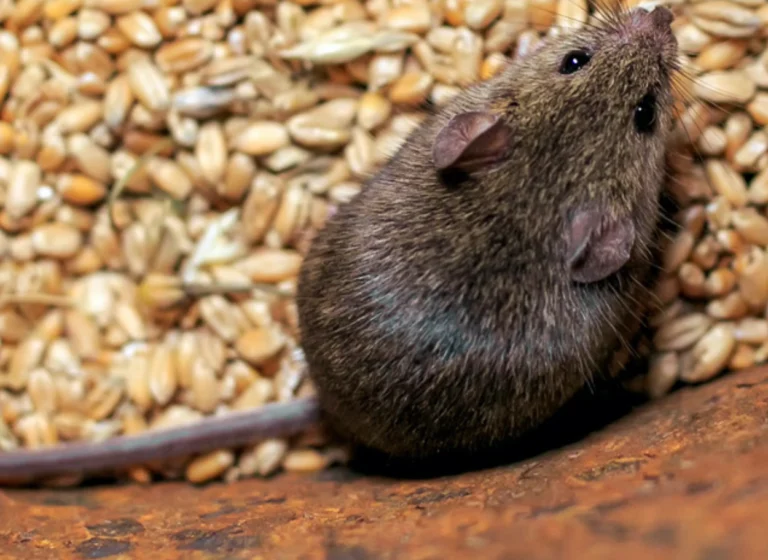
What Is the Most Effective and Humane Method for Eliminating Rats?
The RSPCA Australia recommends a two-pronged approach for humane rat control: firstly, preventing the entry of rats and mice into your home, and secondly, using methods that ensure a quick death when necessary. Their guidelines highlight that well-designed snap traps, when correctly set, provide a rapid solution and can be cleaned and reused.
Effective humane rat control involves two key strategies. The first is to keep new rats out by sealing potential entry points and removing food and shelter sources. The second is addressing the issue of any rats that have already made their way into your roof, garage, or shed. Focusing solely on the latter without addressing the former will only invite new rats through the same gaps.
How Can You Identify the Presence of Rats in Your Roof?
One of the most telling signs of rats in your roof is the sound of scratching or scurrying noises within the ceiling or walls during the night. Our rodent control specialists also look for the following indicators during inspections:
- Droppings found in the kitchen, along skirting boards, or in storage spaces.
- Gnaw marks on electrical cables, furniture, or food containers.
- An unpleasant or musty odour in concealed areas.
- Visible activity in the roof void, garage, or around rubbish bins.
Rats can cause significant damage by chewing through electrical wiring, furniture, and insulation, and their urine and droppings can contaminate food preparation areas. Being excellent climbers, rats often access ceilings via roof lines, broken tiles, or gaps where the eaves meet the walls.
Effective Methods for Removing Rats from Your Roof Without Toxic Poisons
To remove rats from your roof without resorting to poisons, identify and seal the gaps they are using while setting traps for any remaining rodents. A mouse can squeeze through an opening the size of your fingertip, so a thorough inspection of both the interior and exterior of your home is essential.
Common entry points for rats and mice into Sydney homes include:
- Weep holes in brickwork that allow young rats and mice to enter easily.
- Gaps beneath garage roller doors and back doors.
- Holes created where pipes and cables penetrate the walls.
- Lifted or broken roof tiles and spaces along the eaves.
Rats can easily chew through standard caulk, putty, and plastic covers, so it is essential to use steel materials for sealing. We recommend installing metal weep hole covers, door brush seals, rodent-proof mesh, and sealant around all pipe and cable entry points. Blocking holes with furniture or boxes is ineffective, as rats can navigate around them. trim back any branches or hedges that touch your roof, as they provide a direct pathway for rats into your gutters and roof void. For more detailed guidance, refer to our comprehensive article on preventing rats and mice from entering your home.
Humane Trap Options: Snap Traps, Live Traps, and Why to Avoid Glue Boards
RSPCA Australia considers well-designed snap traps to be more humane and effective than live traps. When selecting a trap, ensure it is appropriate for the size of the rats or mice you are dealing with and that it closes fully with the animal's head inside the trap area. Here are some essential tips for setting snap traps:
- Use fresh bait, such as peanut butter, dried fruit, or bread, exclusively in the designated bait area.
- Position the trap parallel to a wall and in contact with it, in areas where rats are known to travel.
- Inspect each trap every morning, replacing any that do not perform with one of a superior design.
Live traps can catch a rat without killing it, but the RSPCA warns that relocated animals often have a low survival rate, making release unlikely to be more humane than a swift death. If you choose to use a live trap, check it daily and arrange for the rat to be taken to a veterinary clinic for humane euthanasia as soon as possible. Always inquire with the clinic beforehand to confirm they can assist.
It is best to avoid glue boards altogether. The RSPCA opposes their use due to the suffering they inflict on trapped animals, which can endure prolonged distress before dying from starvation, exposure, or dehydration. glue boards can inadvertently trap native animals and birds. For more information, refer to the RSPCA's explanation of why glue boards are considered inhumane.
Understanding Why Rat Poison Is Not a Humane Solution
Anticoagulant rat poisons work by preventing blood from clotting, leading to a prolonged and painful death that can take up to a week. The RSPCA does not view these poisons as humane due to the suffering they cause. native wildlife that consumes a poisoned rat may also fall victim to the toxins, as detailed in the RSPCA's report on the risks posed to native wildlife from rodenticides.
On 10 March 2026, the Australian Pesticides and Veterinary Medicines Authority (APVMA) determined that second-generation anticoagulant rodenticides should be classified as restricted chemical products. Registration for all products containing these substances was suspended for one year, starting 24 March 2026. The APVMA recognised that current usage posed unacceptable risks to non-target animals, including native species. You can learn more about the implications for homeowners in our guide to the new regulations on rat baits in Australia.
How to Make Your Home and Yard Less Appealing to Rats
Rats are drawn to areas where they can find food, water, and nesting materials; thus, eliminating these resources significantly reduces the attraction of your home. Rats are particularly fond of leftover food, pet food, and bird seed.
- Feed pets indoors or promptly remove their bowls after meals.
- Store dry food in airtight containers and ensure bin lids are secure.
- Maintain cleanliness in chicken runs and aviaries, keeping feed in sealed bins and securing gaps into the coop.
- Regularly mow the lawn and trim hedges to minimise hiding spots for rats.
- Clear out any stored furniture, timber, and boxes from under the house, in the shed, garage, and spare rooms.
If your neighbour's yard is attracting rats, consider discussing the issue with them first. If that does not resolve the problem, reach out to your local council for assistance.
When Is It Time to Contact So Pest Off for Professional Rodent Control?
If you continue to hear rat activity after sealing entry points and setting traps, it is possible that the rodents are accessing your property through unseen or inaccessible entry points. So Pest Off offers a comprehensive rodent control programme for both residential and commercial properties across Sydney. We do not undertake one-off rodent baiting jobs, as effective baiting requires regular assessment, and a singular treatment leaves entry points unaddressed.
Our programme begins with a thorough inspection of the roof void, wall cavities, subfloor, and external access points. We then establish secure, tamper-resistant bait stations where rat activity is confirmed, and these stations remain on-site. We utilise Selontra, a professional-grade bait from BASF, which contains cholecalciferol, a form of vitamin D3. Unlike anticoagulants, Selontra does not accumulate in animal tissue, significantly reducing the risk of secondary poisoning. Alongside baiting, we also fortify entry points to prevent new rats from entering. For commercial clients, our Bluetooth-monitored bait stations track rodent movement between visits.
If you discover that the noise in your roof is actually from a possum, please remember that possums are protected under Australian law and cannot be baited or harmed. For assistance, refer to our possum removal service. To arrange a rodent inspection, review our pricing options, or contact So Pest Off at 0410 244 244 to discuss your observations and concerns.
Common Questions About Humanely Managing Rat Issues
Is it possible to catch a rat and release it elsewhere?
You can, but the RSPCA Australia advises that relocated animals often face a low survival rate, making this option unlikely to be more humane than a quick death. If you opt for a live trap, ensure you check it every morning and transport the captured rat to a veterinary clinic that is willing to provide humane euthanasia.
Are glue traps considered a humane method for catching rats?
No. RSPCA Australia strongly opposes glue boards as trapped rats can endure significant suffering for hours or even days before succumbing to starvation, exposure, or dehydration. glue boards can capture native animals, birds, and pets, and do not prevent new rats from entering your home.
Does So Pest Off offer one-off rat treatments?
No, we provide rodent management through an ongoing programme, which includes regular visits to check each bait station, remove any deceased rodents, and adjust baiting strategies. If rat activity diminishes to zero and remains there, we will discuss whether the programme can be scaled back.
Original Article First Published At: How to Get Rid of Rats Humanely, Including Rats in the Roof: A Guide from So Pest Off