

Woke up to cold water in the shower? Discovered that the pilot light has gone out? Before you reach for your phone to call for help, there are several easy checks you can perform safely on your own.
Not every issue requires the expertise of a plumber. However, gas work is strictly regulated in NSW, and attempting to do it yourself can pose significant risks. This comprehensive guide outlines the steps you can take at home, what to look for, and when it is essential to contact a licensed gas fitter for assistance.
Essential Safety Checks Before Proceeding
Before you attempt any adjustments on the unit, complete these three critical safety checks first. Each of these checks takes less than a minute and is absolutely essential for your safety.
1. Detect Any Gas Odours Around the Unit.
Approach the hot water system carefully and take a slow, deep breath through your nose. Natural gas is odourless by itself; however, gas suppliers add a chemical known as mercaptan, which has a distinctive smell reminiscent of rotten eggs. If you notice this smell, even slightly, cease all actions immediately. Do not attempt to relight the pilot. If it is safe to do so, turn off the gas supply at the meter, evacuate everyone from the house, and leave doors and windows open as you exit. Call the gas emergency line or dial 000 from outside.
This precaution is not an overreaction. Although gas leaks are infrequent, they can be extremely serious. Always perform this check before proceeding.
2. Inspect the Area Surrounding the Unit.
Examine the ground around the base of the hot water system for any signs of pooling water, scorch marks, or visible damage to the flue pipe or casing. Any indication of issues, such as corrosion, dented panels, or burn marks, signifies the need for professional inspection. Do not investigate further on your own, as this could exacerbate the problem.
3. Ensure Adequate Ventilation.
Gas hot water systems require proper airflow to function safely. Check for any obstructions around the unit, such as boxes, garden furniture, or tarps. Removing these items is critical because blocked ventilation can lead to incomplete combustion, resulting in the production of carbon monoxide. This gas is both odourless and colourless, making it vital to maintain a clear area around your hot water system.
If you have passed all three safety checks, you can now move on to checking some straightforward components.
Is Your Gas Supply Actually On?
This may seem like an obvious step, yet it's a common oversight that catches many people off guard.
Your gas hot water system is equipped with its own isolation valve, which is a small tap or lever located on the gas line leading to the unit. Typically, this valve is situated within a metre of the system itself. Ensure that it is in the open position; usually, when the handle aligns parallel to the pipe, it indicates that the gas is on, while perpendicular means it is closed.
If you are connected to mains gas, also verify the status of the gas meter. Some meters are fitted with a main shut-off valve that may have been inadvertently turned off, possibly during previous maintenance or by a former tenant.
If you rely on LPG bottles, check the status of the bottle by lifting it or giving it a gentle shake. If it feels lightweight, switch to your reserve bottle (most LPG setups include two) and open the valve. Should both bottles appear empty, you have identified the issue — contact your LPG supplier for a refill instead of a plumber.
This simple check can resolve approximately one in ten “my pilot light won’t work” calls we receive throughout Sydney. Investing five seconds to inspect a valve may save you an unnecessary service call.
Follow the Relighting Instructions Specific to Your Unit
Every gas hot water system sold in Australia has clear relighting instructions affixed to the unit itself, typically found on a label on the front panel or inside the access door. It is crucial to read these instructions because they are tailored to your specific brand and model, and the steps can differ significantly.
While here’s a general guide, always prioritise your unit's instructions:
- Turn the gas control knob to the OFF position. Wait a full five minutes. This waiting period allows any residual gas within the burner compartment to dissipate. It is essential not to skip this step.
- Switch the knob to the PILOT position.
- Press and hold the knob down (some models may have a dedicated pilot button — refer to your label).
- While keeping the knob pressed, push the piezo igniter button. You should hear a clicking sound and see a small flame appear through the viewing window. If your unit lacks an igniter, use a long-reach barbecue lighter at the pilot opening.
- Continue to hold the knob down for 30 to 60 seconds. This action heats the thermocouple, which is the safety sensor that informs the gas valve that the pilot light is lit and it is safe to continue gas flow.
- Gradually release the knob. If the pilot remains lit, turn the knob to the ON position and set your desired temperature.
If successful, that’s all you need to do. Run a hot tap for a few minutes to confirm that the water heats up. If it does, your pilot light simply required relighting — no plumber needed.
If the pilot fails to stay lit after two or three attempts, stop immediately. Continuing to try relighting could indicate a more serious internal issue with the unit, and it is time to call a licensed gas fitter for assistance.
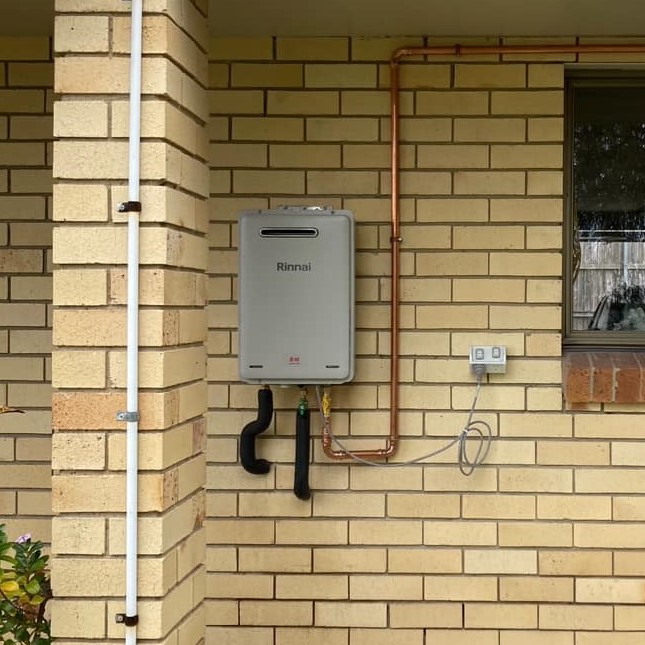
Evaluating the Condition of the Pilot Flame
If you manage to light the pilot — even for a brief moment — take a close look at the flame through the viewing window. The characteristics of the flame can provide crucial insights into the health of your system.
Healthy pilot flame: The flame should be small, steady, and predominantly blue with a small yellow tip. It should be in contact with the thermocouple, which is the thin metal rod nearby. If this is what you observe, your system is functioning normally.
Weak or flickering flame: If the flame appears weak, lazy, or flickering, this could indicate that the pilot burner orifice is partially obstructed with dust or debris. This is a common problem in homes throughout Sydney, particularly in areas with dense tree coverage like Wahroonga, Turramurra, and Beecroft, where spiders and insects can infiltrate the burner compartment. Cleaning the orifice is a job best left to a qualified gas fitter.
Yellow or orange flame: If the pilot flame appears entirely yellow or orange rather than blue, this signifies incomplete combustion and suggests that the gas is not burning cleanly. This can lead to the production of carbon monoxide, which is a serious concern. Do not take this lightly; switch off the unit at the gas isolation valve and contact a licensed gas fitter immediately.
Flame lights but extinguishes immediately upon releasing the knob: This typically indicates that the thermocouple is malfunctioning. It is likely worn out and unable to generate the necessary electrical signal to keep the gas valve open. This issue is the most common reason for pilot light failures, and it is a straightforward fix for a qualified gas fitter.
Assessing the Surroundings of Your Hot Water Unit
The location of your hot water system is significant. A quick inspection of the area can help you understand why the pilot light may have extinguished.
Wind exposure: Is your unit situated in a location that experiences significant wind? Areas such as narrow passages between houses, under eaves that channel gusts, or near open carports are common spots where wind can blow out the pilot light. If you live in a suburb that frequently receives strong winds from the harbour or the coast — such as Manly, Cronulla, or Maroubra — wind exposure could be the primary cause of your issues. Installing a draught guard around the burner compartment can effectively mitigate this problem.
Debris around or inside the unit: Accumulations of leaves, cobwebs, or dirt around the base or within the access panel can obstruct airflow and partially block the burner. If you notice any visible debris on the unit's exterior, gently clear it away. However, do not reach inside the burner compartment; this task should be left to a trained gas fitter.
Flue condition: The flue is the metal pipe or cowl located on top of the unit that vents combustion gases. If it appears dented, rusted, disconnected, or obstructed by a bird's nest, it could negatively impact the system's functionality. You can visually inspect the flue, but refrain from attempting any repairs yourself, as flue work must comply with gas installation standards.
Checking Other Gas Appliances Within Your Home
This is a straightforward check. Activate your gas cooktop. Does it ignite? Is the flame strong and blue, or does it appear weak and yellow?
If all your gas appliances are underperforming — such as a weak cooktop flame, a gas heater that barely warms up, or a hot water pilot that won’t stay lit — the problem may not originate from the hot water system itself. It could indicate a gas supply or pressure issue further upstream. A gas fitter can evaluate line pressure quickly using a manometer to determine the source of the problem.
If the cooktop operates perfectly while the hot water unit is the only malfunctioning appliance, the issue is likely confined to that unit.
Understanding Your Boundaries: DIY Versus Professional Gas Fitter Work
This section is of utmost importance.
Tasks You Can Safely Complete Yourself:
- Check for any gas odours (and evacuate the area if detected)
- Verify that the gas isolation valve is in the open position
- Inspect LPG bottles to ensure they are not empty
- Remove any debris surrounding the unit
- Follow the manufacturer’s instructions to relight the pilot
- Examine the colour of the pilot flame through the viewing window
- Assess the performance of other gas appliances to check for system-wide issues
Tasks That Require a Licensed Gas Fitter — No Exceptions:
- Replacing a thermocouple
- Cleaning or replacing the pilot burner assembly
- Adjusting gas pressure
- Repairing or replacing the gas valve
- Any work related to the flue
- Any work involving gas lines or fittings
- Any internal component repairs or replacements
- Complete system replacements
In NSW, any gas work beyond merely relighting a pilot must be conducted by a tradesperson holding a Gas Work Licence issued by NSW Fair Trading. All work must adhere to AS/NZS 5601 (the Australian standard for gas installations), and a compliance certificate must be issued upon completion.
This regulation is not just bureaucratic red tape; improperly executed gas work can lead to gas leaks, carbon monoxide poisoning, fires, or explosions. It can also void your home insurance and the manufacturer’s warranty. Additionally, it is illegal. The compliance certificate serves to protect you, providing proof that the work was completed safely, to standard, and by a qualified professional.
If a tradesperson performs gas work without offering a compliance certificate, consider that a significant warning sign. Do not engage their services again.
What Are the Costs for Repairs?
In truth, the cost to fix the issue depends on the specific problem. Different brands utilise various parts, and access to the unit can influence labour time. If the system is older and multiple components are failing simultaneously, the discussion may shift from repair to replacement.
We will not speculate on a numerical estimate here, as that would be meaningless without understanding your unique circumstances. Instead, we commit to providing you with a clear explanation — either over the phone or on-site — of what the issue is, the expected costs, and whether a repair makes sense or if you would be better off investing in a new system.
Contact us for a transparent assessment. No runaround.
Common Inquiries Regarding Gas Hot Water Systems
Is it Dangerous if My Gas Hot Water Pilot Light Goes Out?
Not immediately. Modern gas hot water systems are engineered to automatically shut off the gas supply when the pilot light extinguishes. The thermocouple, a safety sensor located in the pilot flame, cools down when the flame goes out. Once it cools, it ceases sending the electrical signal that keeps the gas valve open, causing the valve to close within seconds. Gas does not continue to flow simply because the pilot light is off. However, it is crucial to conduct a smell check around the unit before attempting to relight it. If you detect a rotten egg odour at any point, indicating the presence of mercaptan in natural gas, do not touch the unit, do not flip any switches, evacuate everyone from the house, and call 000 or the gas emergency line from outside. The pilot light going out is typically harmless; the smell of gas is never harmless.
Can I Relight the Pilot Light Myself, or Do I Need a Licensed Gas Fitter?
You are permitted to relight the pilot light yourself — this is the one task on a gas hot water system that homeowners can perform without a licence. Every unit comes with specific relighting instructions printed on a label located on the front panel or inside the access door. Adhere to these instructions for your specific model, as the process can differ across brands. Generally, the steps are as follows: turn the gas knob to off, wait five minutes for any residual gas to clear, switch to the pilot setting, press and hold the knob while activating the igniter, maintain pressure for 30 to 60 seconds, and then slowly release the knob. If the pilot stays lit, turn the knob to on and you are finished. If the pilot fails to stay lit after two or three attempts, that signals that something internal has failed — such as a worn thermocouple, a faulty gas valve, or a blocked pilot orifice — and diagnosing or repairing any of these issues necessitates the involvement of a licensed gas fitter under NSW law.
What Should I Verify Before Calling a Plumber About My Pilot Light?
Start with essential safety checks — smell for gas around the unit and inspect for visible damage, scorch marks, or water pooling at the base. If everything appears normal, check that the gas isolation valve on the pipe leading to the unit is in the open position. For LPG users, verify the status of the bottles to ensure they are not empty. Next, attempt to relight the pilot following the manufacturer’s instructions on the unit label. If the pilot lights and stays lit, run a hot tap to confirm the water heats up — you have successfully resolved the issue on your own. If the pilot fails to remain lit, observe the flame colour through the viewing window. A yellow or orange flame indicates incomplete combustion, and you should turn off the unit. Also, check whether other gas appliances in your home are functioning normally; if all appliances are underperforming, the issue may lie with gas supply pressure rather than the hot water unit itself. These checks require only five minutes and can assist your plumber in diagnosing the situation more efficiently if you need to make a call.
How Can I Tell if My Thermocouple is the Problem?
The classic indication is when the pilot flame ignites while you hold down the knob but extinguishes within a few seconds of releasing it. The thermocouple, a slender metal rod located directly in the pilot flame, generates a tiny electrical signal — measured in millivolts — that informs the gas valve to remain open. Over time, the thermocouple tip degrades due to consistent heat exposure, producing a weaker signal. Eventually, it may fail to keep the gas valve open independently, leading to the pilot light extinguishing as soon as you release the knob and remove the manual override. Thermocouples are considered wear items, typically lasting between five to ten years, depending on usage and system conditions. Replacing a thermocouple is a straightforward task for a licensed gas fitter and is among the most common repairs we perform on gas hot water systems across Sydney. If your unit is otherwise in good shape, replacing the thermocouple is a worthwhile investment.
Why Does My Pilot Light Keep Going Out in the Same Spot Every Winter?
Wind is likely the culprit. During the cooler months in Sydney, wind patterns shift, and certain areas around a house become natural wind tunnels — such as narrow side passages, spots beneath eaves, or locations near open carports or garages. If your hot water unit is positioned in one of these locations, gusts can blow air into the burner compartment, extinguishing the pilot flame. This issue is particularly prevalent in exposed coastal suburbs such as Manly, Dee Why, Cronulla, and Coogee, as well as in elevated areas that experience cross-winds like Castle Hill and Hornsby Heights. Installing a draught guard or wind shield around the burner compartment is a simple solution that your gas fitter can implement during a service call. If the pilot goes out only once after a significant storm, that can be attributed to the weather. However, if it extinguishes repeatedly through winter, addressing wind protection will likely resolve the issue permanently.
Do I Need a Compliance Certificate for Gas Hot Water Repairs in Sydney?
Yes, a compliance certificate is a legal requirement under NSW gas safety regulations following any completed gas work. This includes repairs, replacements, new installations, and modifications to gas lines or appliances. The certificate confirms three critical points: the work was executed by a licensed professional holding a Gas Work Licence from NSW Fair Trading, it adheres to the standards set by AS/NZS 5601 (the Australian standard for gas installations), and the system is safe for operation. Your gas fitter should provide this certificate upon job completion — you should never need to ask for it. Retain it with your home records, as you may need it for insurance claims, property sales, or warranty work on the appliance. If a tradesperson completes gas work without supplying a compliance certificate, it raises serious concerns regarding their licensing and the safety standards of the work conducted.
Need Assistance? Contact CS Plumbing Today!
If you have performed all the checks mentioned above and the pilot still refuses to stay lit, or if you have noticed anything unusual, do not hesitate to reach out to us. We are licensed plumbers and gas fitters servicing the Sydney area, and we will provide you with an accurate diagnosis of the problem, the anticipated costs, and whether the repair is worthwhile.
Experience no guesswork, no pressure, and no unexpected surprises.
Contact CS Plumbing — 0416 101 022 — or visit csplumbingservices.com.au



This is such a practical guide! I’ve definitely been there—waking up to a freezing shower was not my idea of a good start. It’s interesting how many people underestimate the importance of these safety checks. I remember a friend who smelled gas once and ignored it, thinking it was nothing. Thankfully, she decided to call a professional and avoided what could have been a serious situation.
Having dealt with a few frustrating hot water issues myself, I really appreciate this guide! It’s so true that not every problem warrants a call to the plumber, and it feels empowering to take those initial safety checks into my own hands.
It’s intriguing how something as routine as a hot shower can suddenly remind us of our relationship with technology and the systems that support our everyday comforts. Your guide brings to light the importance of not only understanding how our appliances work but also emphasizing the crucial aspect of safety. I’ve often found myself leaning on the convenience of calling for help without really thinking through the simpler steps I could take first.
Ah, the joys of waking up to an ice-cold shower—just another form of character building, right? It’s like Mother Nature’s way of reminding us who’s really in charge! But seriously, those safety checks are a game changer.
It’s interesting how often we take our hot water systems for granted until things go awry, like waking up to a freezing shower. The checklist you’ve provided is a crucial first step not just for practical troubleshooting but also for safety. Detecting gas odors, in particular, highlights an aspect many might overlook.
It’s funny how we often take hot water for granted until that unexpected cold shower pretty much shocks us awake! I really appreciate these practical tips you’ve shared, especially the safety checks. Just the other day, I had a similar scare; I stepped into what I thought would be a warm and relaxing shower, only to have reality hit me with icy water because of an issue with the hot water system. I’m sure I’m not the only one who has experienced that rush of panic mixed with frustration!
This is such an important topic, and you bring up a crucial aspect of home maintenance that often goes overlooked. The mention of pilot lights and gas safety really resonates with me because, like many, I’ve had my fair share of unexpected encounters with gas appliances. I distinctly remember a morning when I was suddenly greeted by frigid water during a shower—talk about an unwelcome surprise! It turned out that my pilot light had gone out, and while I initially panicked, your reminder to perform safety checks first is spot on.
I appreciate you sharing that experience; it really highlights how easily we can overlook the importance of routine checks around gas appliances. A cold shower can definitely catch you off guard, especially when you’re not expecting it. Your story makes a great point about how vital it is to stay proactive with our home maintenance.
It’s interesting to see how many people overlook the importance of safety checks around gas appliances. Your post highlights a crucial point that resonates with anyone who has faced these kinds of household issues. Maintaining our gas systems isn’t just about convenience; it’s deeply tied to overall safety in our homes.
This is such an important discussion, especially for those of us who sometimes feel inclined to tackle home repairs ourselves. I completely agree with the emphasis on safety checks before attempting any adjustments. It’s interesting how something as routine as getting into a warm shower can quickly turn into a situation that puts us on alert.