


Your optometrist may have suggested that you “take an omega supplement for your dry eyes.” However, if you've stepped into a chemist and found yourself overwhelmed by numerous fish oil options, you're not alone. Many people face this dilemma, often walking out without making a purchase because none of the bottles specifically mention “dry eye” on their labels. This common experience has prompted us to stock a curated selection of supplements that genuinely support dry eye, rather than generic wellness products rebranded for eye health.
We understand that navigating the world of supplements can be confusing, which is why we aim to clarify what each product contains, its purpose, and how you can determine which one is the best fit for your unique needs.

Understanding How Dry Eye Supplements Provide Relief
Dry eye supplements function from within the body. Most of these products contain omega fatty acids, particularly omega-3, as clinical research has shown that omega-3 supplementation is effective for dry eye disease, especially in cases caused by meibomian gland dysfunction (MGD). The benefits of omega-3s are twofold: they help alleviate inflammation that exacerbates dry eye symptoms, and they enhance the quality of oil produced by the meibomian glands, contributing to a more stable tear film that evaporates at a slower rate.
It is important to note that these supplements do not provide instant relief. Most individuals require 6 to 12 weeks of consistent daily usage before experiencing significant improvements. For optimal results, it is advisable to combine these supplements with other therapeutic measures your optometrist may recommend, such as warm compresses, eyelid hygiene, and appropriate lubricating drops. Furthermore, while supermarket fish oil can be beneficial, it does not equate to a targeted supplement specifically designed for tear film support.
Discover the Top Three Dry Eye Supplements We Offer
We provide three key supplements that address most cases of dry eye. Each product targets distinct issues, and we tailor our recommendations to fit the individual patient rather than forcing a one-size-fits-all approach.
Lacritec: The Ideal Choice for MGD and Evaporative Dry Eye
Read Our Full Lacritec Review
What It Is: Lacritec is a carefully formulated blend of omega-3 (sourced from fish oil and flaxseed oil) and omega-6 (derived from borage oil) fatty acids, specifically designed for tear film support. The recommended dosage is two capsules daily for the first 12 weeks, followed by one capsule for maintenance.
What It Targets: This supplement focuses on enhancing the oil layer of the tear film. The unique ratio of omega-3 to omega-6 fatty acids is optimally calibrated for the functioning of the meibomian glands, distinguishing it from standard omega supplements.
When We Recommend It: We typically suggest Lacritec for patients suffering from evaporative dry eye caused by MGD, as this condition is the most prevalent type of dry eye we encounter, making Lacritec our most frequently recommended supplement.
What Sets It Apart: Lacritec is specifically formulated for dry eye by researchers in Australia. It is not merely a multipurpose wellness supplement with a dry eye label slapped on it. The carefully balanced fatty acid ratio is crucial for enhancing tear film quality, and Lacritec is purpose-built for this task.
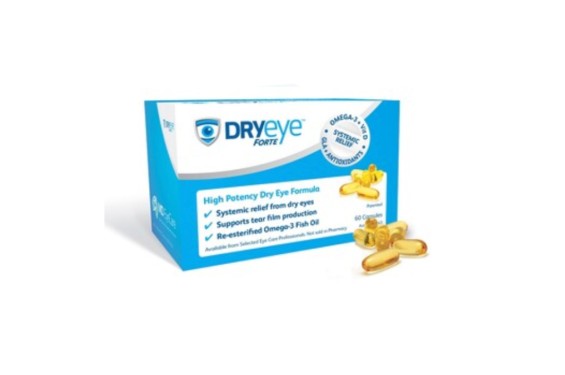
DryEye Forte: Targeting Inflammatory Dry Eye
Read Our DryEye Forte Explainer And Check What To Know About Side Effects
What It Is: This supplement contains a high concentration of omega-3 (EPA and DHA from fish oil) along with vitamin D3. The recommended dosage is two capsules daily with meals.
What It Targets: DryEye Forte aims to combat systemic inflammation that contributes to dry eye symptoms. The high dosage of omega-3 helps reduce inflammatory markers throughout the body, including in the lacrimal and meibomian glands. Moreover, vitamin D3 addresses an often-overlooked factor, as low vitamin D levels have been linked to increased severity of dry eye, a condition that many Australians experience despite our sunny climate.
When We Recommend It: We suggest DryEye Forte for patients presenting with inflammatory dry eye, those with autoimmune conditions such as Sjögren’s syndrome, or individuals whose symptoms indicate that systemic inflammation may be a contributing factor.
What Sets It Apart: The inclusion of vitamin D3 is a significant advantage of DryEye Forte. Many dry eye supplements focus solely on omega-3. When we suspect that vitamin D deficiency is part of the issue, particularly in Australia where indoor lifestyles and sunscreen use contribute to lower levels, the combined formulation often proves more effective than omega-3 alone.
Lacritec vs. DryEye Forte: Which One Should You Choose?
See Our Detailed Head To Head Comparison
In short, Lacritec is our preferred option for classic MGD and evaporative dry eye, while DryEye Forte is more suitable when inflammation is a key concern, or when we suspect vitamin D deficiency might be contributing to the issue. Our comprehensive comparison article delves into each aspect in detail.
MD Eyes: Comprehensive Nutritional Support for Eye Health
What It Is: MD Eyes is a blend of fish oil omega-3, evening primrose oil (providing omega-6 GLA), vitamin D, and a range of antioxidants, including vitamin E and zinc.
What It Targets: This supplement provides both tear film support and general nutritional health for the eyes in one convenient product. It not only addresses the omega fatty acid layer but also adds antioxidants that help protect tear-producing cells from oxidative stress.
When We Recommend It: MD Eyes is ideal for patients seeking a broader spectrum supplement rather than needing to take Lacritec for dry eye alongside a separate multivitamin. It is also beneficial for those experiencing both dry eye and early signs of age-related eye changes.
What Sets It Apart: MD Eyes offers the most comprehensive formula of the three. It encompasses omega fatty acids, fat-soluble vitamins, and antioxidants within a single capsule, making it a practical choice for patients who prefer not to manage multiple products in their daily regimen.
Quick Comparison of Our Dry Eye Supplements
| Lacritec | DryEye Forte | MD Eyes | |
| Primary Target | Meibomian gland oil quality | Systemic inflammation | Broad tear support and nutrition |
| Omega-3 | Yes (balanced with omega-6) | Yes (high dose) | Yes |
| Omega-6 | Yes (borage oil) | No | Yes (evening primrose) |
| Vitamin D3 | No | Yes | Yes |
| Antioxidants | No | No | Yes (E, zinc) |
| Best Suited For | MGD and evaporative dry eye | Inflammatory dry eye | Dry eye plus general eye nutrition |
| Time To Results | 8 to 12 weeks | 8 to 12 weeks | 8 to 12 weeks |
| Daily Dose | 2 caps (loading), 1 cap (maintenance) | 2 caps with food | Follow pack |
Exploring Supplements for Other Eye Conditions
Not all eye supplements offered by us are specifically for dry eye. If you've landed here through a general search, here are additional options available:
- Macutec Once Daily Vs Macu Vision Plus for Macular Degeneration: These AREDS2 based formulas are designed for age-related macular degeneration (AMD) and do not target dry eye. If you have been diagnosed with AMD or have a family history of it, this is the category you should consider.
- Vitrocap N for Persistent Eye Floaters: This supplement takes a nutritional approach to managing vitreous floaters. It operates on a different mechanism, belongs to a different product category, and may require a longer timeframe (3 to 6 months) for noticeable effects. It is worth exploring if floaters are your primary concern.
Can I Just Use Fish Oil From The Chemist for Dry Eye Relief?
Yes, in theory, you can. However, there are several reasons why we typically do not recommend this as the primary solution.
Dose: Fish oil sold in supermarkets generally has a lower concentration than specially formulated dry eye supplements. To achieve the same therapeutic effect, you would likely need to consume multiple capsules.
Ratio: The balance of omega-3 (EPA and DHA) to other fatty acids is crucial for maintaining tear film quality. Standard fish oil is not designed with this specific purpose in mind.
Quality: Targeted supplements often utilise higher quality, pharmaceutical-grade fish oil that boasts better purity, freshness, and absorption rates. In contrast, cheaper capsules may fall short in these areas.
Additional Ingredients: Unique components in DryEye Forte’s vitamin D, MD Eyes’ antioxidants, and Lacritec’s omega-6 are included in these formulations because research supports their roles in enhancing tear film health. Generic fish oil does not typically contain these beneficial ingredients.
If budget constraints are a concern, taking high-quality fish oil is certainly better than taking no supplement at all. However, for effective, targeted support for dry eye conditions, the specially formulated options yield more consistent results.
Determining the Right Supplement for Your Needs
It is best to start by consulting with your optometrist. Dry eye can arise from several underlying causes, and the correct supplement will depend on the specific issue affecting you.
- MGD or Evaporative Dry Eye (The Most Common Type): Lacritec is typically our starting point.
- Inflammatory Dry Eye, Autoimmune Issues, or Suspected Vitamin D Deficiency: DryEye Forte is usually more effective in these cases.
- Broad Nutritional Support With Dry Eye as One of Several Concerns: MD Eyes offers the most comprehensive coverage in a single product.
- Floaters Instead of Dry Eye: Vitrocap N is the recommended option.
- Macular Degeneration: Consider AREDS2 based supplements like Macutec, which are not intended for dry eye.
Supplements are just one component of an effective treatment plan for dry eye. They yield the best results when combined with a consistent eyelid hygiene routine, warm compresses using a proper heated eye mask, and the appropriate lubricating drops tailored to your needs. No supplement alone will resolve dry eye issues for most patients, and if your optometrist recommends a supplement in isolation, it may be worth discussing further.
Explore Our Dry Eye Bundles for a Simplified Approach
If you prefer not to assemble your treatment routine independently, we offer ready-made bundles that correspond to the severity of dry eye conditions we most frequently encounter. Each bundle pairs the appropriate supplement with compresses, cleansers, and drops that complement it, providing you with a complete routine in a single order.
- Mild Dry Eye Bundle: Tailored for early or intermittent symptoms. This is a foundational bundle for patients experiencing dryness without active flare-ups.
- Moderate Dry Eye Bundle With Lacritec: Designed for moderate evaporative dry eye driven by MGD, this bundle pairs Lacritec with essential components of the daily routine.
- Moderate Dry Eye Bundle With DryEye Forte: Similar to the previous bundle but centred around DryEye Forte for patients whose symptoms are primarily related to inflammation.
- Severe Dry Eye Bundle With Lacritec: For individuals experiencing established, persistent dry eye, this Lacritec-based bundle is recommended.
- Severe Dry Eye Bundle With DryEye Forte: A corresponding severe bundle that utilises DryEye Forte as the key supplement.
- Severe Dry Eye Bundle (Stye Package): For patients dealing with recurrent styes or significant blepharitis, this bundle includes products that we frequently recommend in such scenarios.
If you're uncertain about which bundle aligns with your particular situation, we invite you to book an appointment, and we will help you identify the most suitable option or create a custom combination if none of the standard bundles seem appropriate.
Need Help Figuring Out the Right Supplement for You?
The reality is that the ideal supplement will depend on the underlying cause of your dry eye, which is not something you can discern solely from an online article. Book an appointment with us, and we will assess your tear film, examine your meibomian glands using a slit lamp, and recommend the most appropriate supplement based on our findings rather than relying solely on what the packaging claims.
Shop Our Selection of Dry Eye Supplements at Eyes By Design
Schedule an Appointment with Our Experienced Optometrists
Frequently Asked Questions About Dry Eye Supplements
How Long Does It Take for a Dry Eye Supplement to Start Working?
Most patients observe a significant change after approximately 8 to 12 weeks of consistent daily use. Some may notice minor improvements earlier, such as reduced grittiness or less burning throughout the day. However, the desired changes in tear film quality typically require two to three months to manifest. Consistency is crucial; taking a supplement for just two weeks and then discontinuing it will not yield results.
Can I Take Dry Eye Supplements Alongside Other Medications?
Omega-3 supplements have a mild blood-thinning effect, so if you are on blood thinners like warfarin or aspirin, it is advisable to consult your GP before starting. Most other medications can be safely taken with these supplements, but it is wise to mention any new supplement to your GP or pharmacist, particularly if you are on multiple prescription medications.
Is Fish Oil from the Chemist as Effective as a Purpose-Built Dry Eye Supplement?
Not exactly. Fish oil found in supermarkets is usually of lower dosage, less targeted, and may lack additional beneficial ingredients such as vitamin D3 or omega-6 GLA that specific dry eye formulations include. If budget constraints are a concern, quality fish oil is certainly better than no supplement at all. However, for targeted support, purpose-built supplements offer more reliable outcomes.
Do I Need to Continue Taking a Dry Eye Supplement Indefinitely?
For the majority of patients dealing with chronic MGD or inflammatory dry eye, the answer is yes. Ongoing supplementation is generally recommended, as dry eye is often a chronic condition. Supplements provide continuous support to the system. Once symptoms stabilise, some patients may transition from a loading dose (2 capsules) to a maintenance dose (1 capsule). Your optometrist will assist you in determining the appropriate long-term plan during follow-up reviews.
Can I Take Multiple Eye Supplements Simultaneously?
This is usually unnecessary and can sometimes be counterproductive. For instance, taking Lacritec and DryEye Forte at the same time would result in excessively high omega doses. Similarly, combining MD Eyes with another dry eye supplement may lead to overlapping ingredients. The general rule is to take one dry eye supplement at a time, unless you are also taking a supplement for a different condition entirely, such as Macutec for AMD, which has a different formulation and target.
Why Is Vitamin D Necessary in a Dry Eye Supplement?
Research has established a link between low vitamin D levels and more severe dry eye symptoms and poorer tear film quality. Despite Australia's sunny reputation, many patients we encounter are vitamin D deficient, particularly those who work indoors, use sunscreen regularly, or have darker skin tones. Both DryEye Forte and MD Eyes include vitamin D3 for this reason. If your GP has indicated low vitamin D levels in your blood test, the combined supplements often provide greater benefits than omega-3 alone.



Navigating the world of dietary supplements can indeed feel like wandering through an uncharted jungle, especially for those of us seeking specific solutions like relief from dry eyes. I resonated with your thoughts on the overwhelming choices available at pharmacies, where it seems every product is marketed for “eye health” but lacks clarity on how it specifically addresses conditions like dry eyes. There’s a disconnect in labeling and marketing that often leads patients to second-guess their choices and ultimately leave empty-handed.
Navigating the world of supplements, especially when it comes to something as delicate as eye health, can indeed feel like standing in front of an overwhelming wall of choices. I can very much relate to the experience of entering a store with the intention to find something beneficial, only to be met with a labyrinth of labels and options that leave you feeling more perplexed than informed. It’s a reminder of how important it is for both suppliers and consumers to engage in this dialogue about health solutions that are as specific as possible to our needs.
I completely understand where you’re coming from. It can be overwhelming to navigate through the sea of supplements, especially when we’re trying to prioritize something as crucial as our eye health. I remember walking through a health store for the first time and being struck by the sheer number of options—each label claiming to be the ultimate solution. It really puts into perspective how important it is to have clear, concise information.