

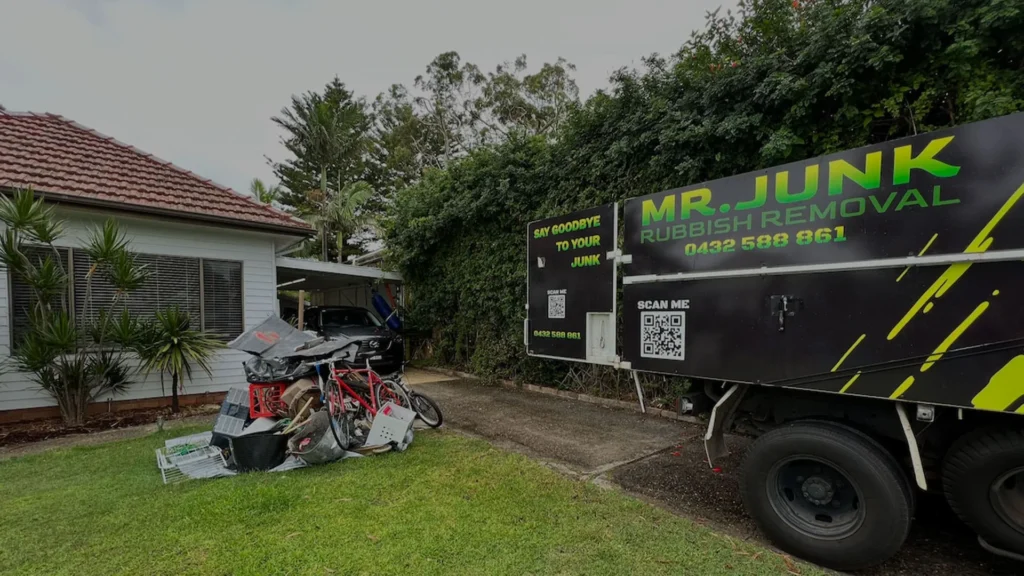
Clearing the home of a parent or relative can feel overwhelming and daunting. This responsibility often falls to a single family member, frequently during a challenging time, and it comes with the urgency of needing to sell, settle, or return the property.
This guide outlines the process of managing a deceased estate clean-out, highlighting the typical sequence of events. By understanding what lies ahead, you can approach the task with a clearer mindset rather than figuring things out on the fly.
Key Steps Before Clearing the Contents
The most crucial aspect is to take a moment to pause at the beginning, even when facing time constraints.
Once a house is cleared, it cannot be restored to its previous state. The items of significance are often not the ones that are immediately apparent. Important documents may be hidden in old biscuit tins, jewellery might be stashed at the back of wardrobes, and photographs could be tucked away in boxes that appear to be rubbish from a distance.
The first step is not to hire a truck, but to determine who has the authority to make decisions regarding the contents of the estate and ensure that this has been formally established.
Understanding the Legal Status of the Estate
Understanding the legal standing of the estate is essential, as it dictates who can authorise the clearance.
If a will exists, the named executor holds the authority to manage the estate's assets. In New South Wales, this is typically confirmed through a grant of probate issued by the Supreme Court. In cases where no will is present, an administrator is appointed to oversee the estate.
For a successful clean-out, it's vital to confirm that the person coordinating the clearance has the right to do so, and that all family members are informed of the process. Most disputes that arise during these clean-outs stem from someone discovering the situation after the fact.
If you are uncertain about the legalities, a quick call to the estate's solicitor can clarify matters in just a few minutes. This step is worthwhile before proceeding with any physical labour.
Conducting an Initial Walkthrough of the Property
Before any clearing begins, take the time to walk through the property with another person, focusing on categories that often lead to regret later:
- Important Documents: This includes wills, deeds, insurance policies, share certificates, bank statements, tax records, and war service papers.
- Photographs and Correspondence: Look for these in drawers, albums, and behind picture frames.
- Jewellery and Small Valuables: These items are often stored in places that would not typically attract a burglar's attention, making them harder to locate.
- Sentimental Items: These are often family heirlooms or items of little monetary value that hold significant emotional worth, identifiable only by family.
- Items with Serial Numbers or Titles: This category includes vehicles, trailers, firearms, and valuable tools.
Note that firearms have specific regulations in New South Wales and must be handled through the police, not as part of a general clearance. If you come across one, stop and contact them immediately.
Gather the items you wish to keep in bags or boxes and physically relocate them out of the house or into a designated, clearly marked room. Anything left among the general contents on clearance day is at risk of being removed, regardless of how careful everyone may be.
Determining the Fate of Remaining Items
Once you have removed the items you wish to keep, the remaining belongings typically fall into four categories: items the family wants, items of potential sale value, items suitable for donation, and items designated for clearance.
Be realistic when considering the latter two categories. Families often overestimate the value of long-held furniture, which may not be worth the effort to sell. Auction houses and second-hand dealers can provide quick assessments, and the reality is that only a few items are usually of interest.
Charities will accept good-quality furniture and household goods, but many have strict criteria and will not collect items from a property that has not been sorted first.
What remains typically requires clearance, which often constitutes the bulk of the estate.
Arranging the Clearance Process
This is where our services come into play, and it’s beneficial to know what information to have ready.
It helps to inform us upfront about the number of rooms, whether there is a garage, shed, or yard, if there are stairs or access challenges, whether the power is still connected, and if any items will be left behind for family members to collect later.
Coordinating access and timing often involves more people than expected. Real estate agents typically want the property to be presentable by a specific date, solicitors follow their own timelines, and family members may wish to do a final walkthrough before the clearance. It is much easier to arrange these details before setting a date than to try to reschedule a booked crew.
If the house is on the market, clearing it well ahead of the first inspection significantly improves its presentation.
Understanding the Clearance Day Process
The clearance operates room by room, with contents being loaded onto the truck in batches while items designated for keeping remain untouched.
Many families opt not to be present throughout the entire day, which is entirely reasonable. Some prefer to be there at the start or the end, and either choice is acceptable. It’s best to make this decision in advance rather than on the morning of the clearance.
If any personal or valuable items appear that were not included in the initial instructions, the best approach is to pause and inquire. This scenario is common during estate jobs, as the first walkthrough rarely uncovers everything.
It’s important to clarify where our responsibilities end. We focus on clearing the contents and ensuring the rooms are left empty. Cleaning, carpet removal, painting, and repairs fall under separate services that occur afterward. For properties being prepared for sale, agents usually have their preferred contractors for this stage.

Navigating Life After the Home is Cleared
Walking into an empty house can evoke an unexpected emotional response. Many people are unprepared for the feelings that arise, even following a smooth clearance.
Practically, it’s essential to have arrangements in place for storing the items you are keeping, to schedule a clean, and to address any final utility readings or disconnections. If the property is being sold, the real estate agent typically takes over at this stage.
There is no definitive timeline for this process. Some families manage to clear a house in a week, while others take six months, and both scenarios are entirely normal.
How to Arrange a Deceased Estate Clearance in Sydney
If you find yourself in this situation and want the clearance handled professionally, our deceased estate removal service operates throughout Sydney. We frequently collaborate with solicitors, executors, and real estate agents.
For properties requiring a more extensive clean-out, our household rubbish removal service can tackle the entire house at once. In instances where contents have accumulated over many years, our hoarding clean-out service effectively addresses more complex situations.
Contact us when you are ready to discuss where you currently stand in the process. There is no urgency on our side; we prefer that you make the keep decisions first.
For further reading, check out our articles on handling rubbish and junk left behind when a property was tenanted, as well as tips on how to dispose of a piano, which often comes up in estate clearances more frequently than you might expect.
Original Article First Published At: Deceased Estate Clean-Out in Sydney: A Sensitive Step by Step



This post strikes a deep chord with many of us who have faced the difficult task of clearing a relative’s estate. The notion of pausing at the beginning is particularly resonant. In my experience, taking a moment can help you approach the task with more sensitivity and mindfulness. After my grandmother passed, I found myself overwhelmed not just by the sheer volume of items but by the memories associated with them.