

When embarking on a bathroom renovation, one of the most crucial decisions you will encounter is selecting the ideal tiles and fittings.
Our extensive experience in tiling fuels our passion for this essential aspect!
As the focal point of a custom bathroom, tiles can significantly enhance the space’s aesthetic, functionality, and overall value. At BBT Renovations, we specialise in transforming bathrooms into exquisite retreats, so we’re excited to share expert insights to assist you in making informed choices for your Brisbane home.
Explore the Evolution of Bathroom Styles in Australia
The styles of bathrooms in Australia have experienced an intriguing transformation over the years, and we witness bathrooms of all eras awaiting revitalisation.
- 1950s-1960s: This era prioritised functionality, with pastel-hued tiles like mint green and pale pink dominating the scene. Bathrooms were compact, commonly featuring terrazzo flooring.
- 1970s-1980s: The trend shifted to earthy tones like browns and oranges, alongside the adoption of natural materials such as timber. The spa bath emerged as a symbol of luxury.
- 1990s: Neutral tones and minimalist designs gained traction, focusing on expansive mirrors and practical layouts. White tiles with coloured feature strips became a hallmark of this decade.
- 2000s: Open-plan bathrooms became increasingly popular, often incorporating frameless shower screens and large tiles. Beige and neutral palettes continued to dominate.
- 2010s: Contemporary bathrooms embraced sleek, monochromatic aesthetics, seeing a rise in matte finishes, geometric tiles, and freestanding bathtubs.
Discover the Latest Bathroom Renovation Trends
Modern Australian bathrooms are centred around the harmonious blend of luxury and sustainability.
We are currently observing three distinct styles of bathroom renovations –
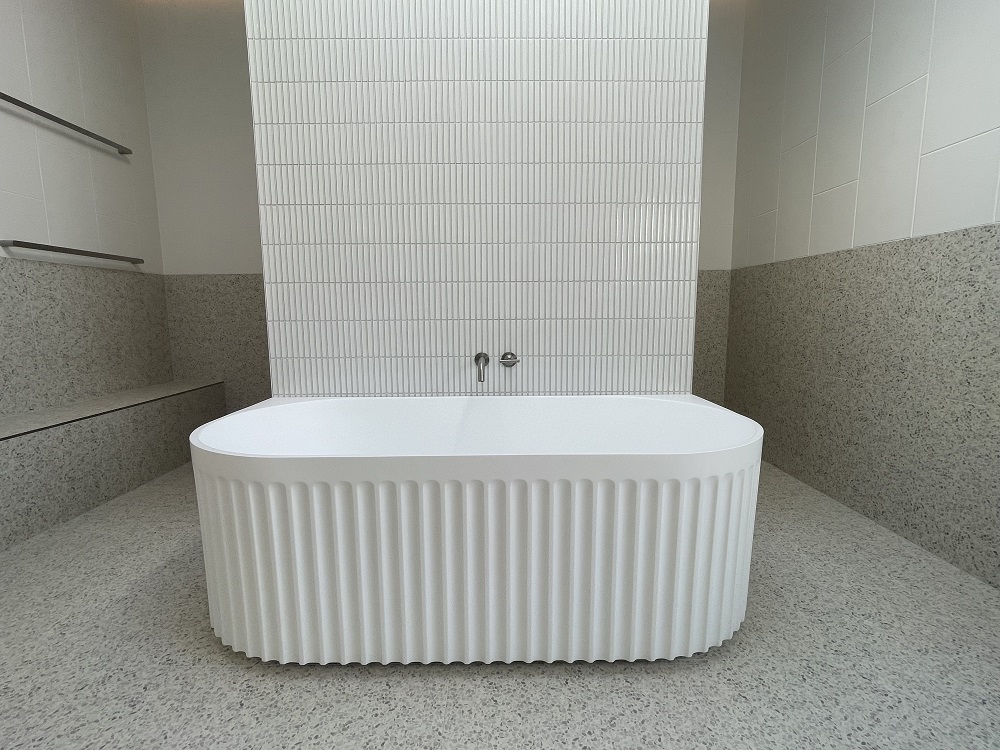
The Ultra Luxe Spa Experience – Ensuites are now featuring freestanding baths and comfortable seating arrangements.
Sleek and Modern – Designed for busy family life, these bathrooms prioritise efficiency and style.
Nod to Yesteryear – These renovations pay homage to the traditional Queenslander style, incorporating pastel vintage elements.
Essential Features to Include in a Contemporary Bathroom
- Natural Elements: Integrate stone, timber, and greenery to create a calming, spa-like atmosphere.
- Bold Feature Tiles: Utilise textured or patterned tiles to create striking feature walls or floors.
- Neutral and Earthy Tones: Embrace soft, earthy palettes including sandy beige, sage green, and terracotta.
- Smart Technology: Incorporate modern conveniences like heated flooring, touchless taps, and LED lighting.
- Sustainability: Opt for water-efficient fixtures, recycled materials, and eco-friendly tiles.
- Freestanding Baths and Open Showers: These features contribute a sense of luxury and spaciousness.
1. Identify and Define Your Unique Bathroom Style
The first crucial step in selecting tiles is to clarify the overall look and feel you aspire to achieve for your bathroom. Are you aiming for a modern, minimalist aesthetic, a timeless classic, or perhaps something bold and luxurious? Take into account your home’s overall aesthetic and select tiles that will harmonise with it.
Gather inspiration from a variety of sources, including magazines, websites, or social media platforms such as Pinterest, to help refine your vision.
2. Ensure Functionality is a Priority in Design
Given that bathrooms are high-moisture environments, prioritising functionality is just as vital as aesthetics. Choose non-slip tiles for the flooring to guarantee safety, especially in wet areas. Porcelain or ceramic tiles are excellent options due to their durability and water resistance. For wall applications, glossy tiles can create an illusion of spaciousness and are also easier to maintain and clean.
3. Assess the Impact of Tile Size on Your Bathroom’s Aesthetics
The size of your tiles can greatly influence your bathroom's overall visual appeal. Larger tiles can foster a seamless and spacious appearance, while smaller mosaic tiles introduce intricate detail and texture. In compact bathrooms, opting for large-format tiles can minimise grout lines, thereby making the space feel larger. Conversely, smaller tiles are ideal for creating distinctive feature walls or decorative accents.
4. Select a Striking Feature Tile to Enhance Your Design
Make your tiles the centrepiece of your bathroom by choosing a standout feature. Whether it’s a bold pattern, a vibrant colour, or a textured design, feature tiles can inject personality and visual allure into the space. Consider placing them on a shower wall, behind a vanity, or as a statement floor to create a striking visual effect.
5. Understand the Significance of Feature Tiles in Design
Feature tiles play a pivotal role in crafting a unique and visually captivating bathroom design. Here are several key criteria to consider when selecting your feature tiles:
- Bold Patterns or Colours: Seek out tiles that stand out, featuring intricate designs, geometric shapes, or vibrant hues.
- Texture: Textured tiles provide depth and a tactile element that enhances the bathroom's character.
- Material and Finish: Glossy tiles lend a sleek appearance, while matte or stone finishes offer an understated elegance.
Strategic Placement of Feature Tiles:
- Shower Walls: Create a focal point by incorporating feature tiles in the shower area.
- Behind the Vanity: A feature wall behind the vanity can significantly elevate the overall design.
- Accent Strips: Use feature tiles as decorative strips amongst plain tiles to introduce subtle detail.
Determining the Number of Different Tiles to Use:
- Limit yourself to two to three different types of tiles to maintain a cohesive and harmonious design. For instance, select one type for the floors, another for the walls, and a third for feature areas. Using too many varieties can clutter the space and detract from overall appeal.
The image below showcases three tile types: elegant marble floor tiles, sleek white wall tiles, and a dramatic feature wall adorned with dark marble tiles.

6. Achieve a Harmonious Balance with Colours and Patterns
While feature tiles can be bold and eye-catching, it is essential to balance them with neutral or complementary tones. Overloading the space with numerous patterns or colours can create a chaotic atmosphere. A well-coordinated colour palette ensures harmony and sophistication, allowing your standout features to take centre stage without overwhelming the senses.
7. Choose the Right Grout for a Polished Finish
Grout serves not only as a functional necessity but also as a design element that can enhance or detract from your tiles. For a seamless appearance, select a grout colour that matches your tiles. If you prefer to highlight the tile pattern, consider using contrasting grout. Always ensure that the grout is waterproof and mould-resistant to maintain its integrity over time, especially in wet areas.
8. Factor in Texture for Added Depth
Textured tiles contribute depth and character to a bathroom, making them perfect for feature walls or floors. They provide a tactile and visual element that enriches the space and enhances the overall luxury feel. However, textured tiles may require more maintenance compared to smooth options, so it’s crucial to consider their placement thoughtfully.
9. Prioritise Ease of Maintenance in Your Bathroom Design
Your bathroom should be as easy to maintain as it is visually appealing. Select tiles that are durable, stain-resistant, and simple to clean. Avoid using porous materials such as natural stone in areas prone to water exposure unless they are properly sealed to prevent damage and deterioration.
10. Consider Floor Safety in Your Bathroom
Ensuring safety is an essential consideration when selecting floor tiles, particularly in a family-oriented bathroom. Non-slip tiles are imperative for minimising the risk of slips and falls. Look for tiles that boast a high slip-resistance rating (often indicated as R-ratings) to guarantee safety.
- Ceramic Tiles: These are robust and come in various finishes, including matte and textured surfaces, which provide excellent slip resistance. However, glossy ceramic tiles can become slippery when wet.
- Porcelain Tiles: Denser and more water-resistant than ceramic, porcelain tiles are an ideal choice for bathrooms. Textured porcelain or tiles with a matte finish offer better grip compared to their polished counterparts.
- Natural Stone Tiles: Materials like slate or textured travertine are naturally slip-resistant and impart a luxurious, earthy aesthetic. Keep in mind that natural stone requires proper sealing to avert water damage.
For wet areas, such as shower floors, consider opting for smaller tiles with more grout lines, as these provide additional traction and safety.

11. Engage Professionals for Flawless Tile Installation
Even the most beautiful tiles can fall short of their potential if not installed correctly. At BBT Renovations, our skilled tilers provide precise installation, ensuring a flawless finish. Proper tile laying and grout application are vital to achieving the polished appearance you desire.
12. Strategically Plan Your Renovation Budget
The cost of tiles can vary significantly, making it essential to establish a budget. Don’t forget to include expenses for grout, adhesives, and professional installation within your budget. While it may be tempting to skimp on costs, investing in high-quality materials and skilled workmanship will pay dividends in the long run.
Elevate Your Bathroom Experience with BB&T Renovations
Are you ready to bring your dream bathroom to life? BBT Renovations offers expert tiling and comprehensive bathroom renovation services throughout Brisbane. Our dedicated team will guide you through every step of the process, from selecting the perfect tiles to professional installation, ensuring a space that truly reflects your unique style and meets your specific needs.
At BBT Renovations, we remain at the forefront of trends to create bathrooms that are both stylish and enduring.
Contact us today to kickstart your bathroom transformation.


It’s fascinating to see how bathroom styles have evolved through the decades! The shift from the functionality of the 1950s to the earthy tones of the 70s reflects broader cultural changes and an increasing appreciation for individual expression in home design. Personally, I love the idea of incorporating vintage tiles from earlier eras into modern renovations. It not only adds character but also creates a unique storytelling element in the space.
Oh, the nostalgia of the 50s and 60s tile choices! Who knew mint green and pale pink could take us back to childhood bath times? It’s like stepping into a pastel kaleidoscope! I sometimes wonder if those vibrant colors were meant to distract from the slightly questionable plumbing—“Look at these gorgeous tiles! Never mind the fact that the shower has the mobility of a brick wall!”
The evolution of bathroom styles in Australia is fascinating, particularly how trends reflect societal changes over the decades. For instance, the shift from the functional pastel hues of the 1950s-1960s to the earthy tones of the 1970s-1980s mirrors a broader movement towards embracing natural aesthetics and a connection to the outdoors, which is quite relevant today.
I really enjoyed reading about the evolution of bathroom styles in Australia! It’s fascinating how each decade reflects broader cultural trends and preferences. The shift from the pastel hues of the 50s and 60s to the earthy tones of the 70s and 80s feels so indicative of the era’s attitudes toward home design.
I’m glad you enjoyed it! The transition in bathroom styles really does highlight so much about the cultural psyche at various points in time. The pastel hues of the 50s and 60s evoke such a sense of charm and nostalgia, don’t you think? They were all about optimism and the post-war boom, where home design focused on comfort and family life.
You make a great point about how those pastel hues really create a unique vibe. It’s fascinating to see how bathroom design reflects broader social changes. The 50s and 60s weren’t just about colors; they were a celebration of simplicity and a desire for comfort in the home as life started to settle after the chaos of the war. People were looking for ways to express happiness and stability, and those soft pastel shades were about creating a cozy, inviting atmosphere.
Your exploration of the evolution of bathroom styles in Australia is both informative and enriching. It’s interesting to see how our bathrooms reflect broader societal shifts in functionality, aesthetics, and even cultural values over time. The shift from the pastel colours of the 1950s and 60s—often associated with the post-war optimism and femininity of the era—to the earthy tones seen in the 70s and 80s, offers insight into how design elements can encapsulate the zeitgeist of their time.
Ah, the nostalgic journey through bathroom styles! I can’t help but chuckle at the thought of mint green and pale pink tiles having their heyday in the ‘50s and ‘60s—it’s a bit like stepping into a pastel time machine! I often wonder how many unfortunate arguments arose over who had to scrub those vibrant tiles clean. And terrazzo flooring? It’s like the original “oops, I spilled coffee” vibe in the bathroom!
I completely agree that selecting the right tiles and fittings is vital for a bathroom renovation—it’s akin to choosing the perfect frame for a beautiful painting! The evolution of bathroom styles you’ve highlighted is truly fascinating, showcasing how our preferences and needs change over time.
You make such a great point about the importance of tiles and fittings. They really do set the tone for the entire space, much like a frame can enhance a piece of art. It’s interesting how bathroom design has shifted over the years—from functional spaces to personal retreats.
It’s fascinating to see how bathroom design has evolved over the decades, reflecting broader cultural shifts and lifestyle changes. The pastel tiles of the 50s and 60s certainly convey a charm that feels both nostalgic and timeless. I’ve often wondered how these styles influence not just aesthetics but also our emotional well-being—there’s something soothing about those soft colors.
I found your insights on the evolution of bathroom styles in Australia so fascinating! It’s interesting to see how trends reflect broader societal shifts. The retro pastel tiles from the 50s and 60s evoke such a nostalgic feel, while the earthy tones of the 70s and 80s remind me of the natural materials gaining popularity in eco-friendly designs today.
What a delightful stroll down memory lane! The evolution of bathroom styles is almost as fascinating as the evolution of fashion trends—who could forget the horrors of ‘70s avocado green and the subsequent brave souls that dared to bring back the pastel of the ‘80s? I often wonder if there’s a hidden society of bathrooms in Australia, each sporting their own decade’s charm. Can you imagine a ‘60s mint green bathroom hosting a ‘90s makeover party? They’d be serving retro cocktails in those dainty pastel hues while debating the merits of patterned wallpaper versus modern minimalist designs!
It’s fascinating to see how bathroom aesthetics have evolved in Australia, reflecting broader societal changes and preferences over time. The shift from the pastels of the 1950s to the earthy tones of the ’70s really illustrates how design trends mirror lifestyle shifts and the values of each era. For instance, the focus on functionality in those early years likely stemmed from a post-war practicality, while the bold colors of the ’70s brought a sense of vibrancy and individual expression to the home.
It’s fascinating to see how bathroom styles have evolved in Australia, reflecting broader societal changes and design trends. The pastel hues of the 50s and 60s really evoke a sense of nostalgia for a simpler time, while the earthy tones of the 70s and 80s captured the growing appreciation for nature and organic aesthetics.
You’re spot on about how bathroom styles reflect bigger trends and changes in society. Those pastel shades definitely bring back memories for many, and there’s something charming about how they created a feeling of simplicity. The earthy tones that followed were all about connecting back to nature, right? It’s interesting to think how those designs were influenced by the social movements of their times, like the push for sustainability in the 70s.