

If you operate a business in the Moreton Bay region and have plumbing linked to the public water supply, you must comply with legal obligations regarding backflow prevention and thermostatic mixing valve (TMV) testing. These requirements are not optional; they are mandated under Queensland’s Plumbing and Drainage Act 2018 and the associated regulations.
Failing to comply can lead to various consequences, including council notices, fines, and complications with insurance. if a backflow incident contaminates the water supply, the potential liability can be enormous. Here’s what you need to understand about these important regulations.
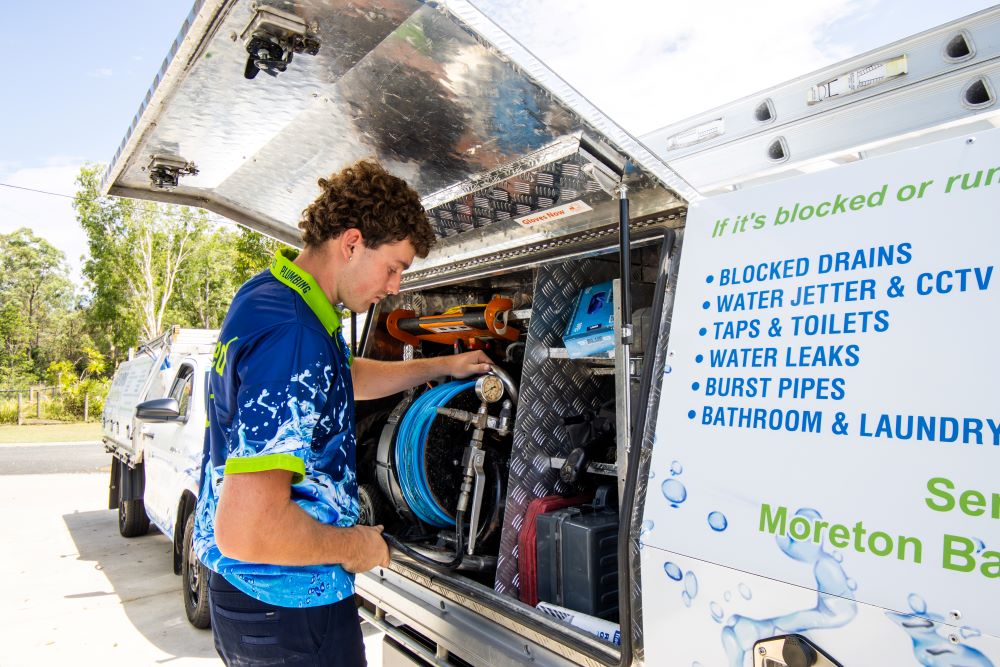
Understanding Backflow Prevention: Importance and Mechanisms
Backflow occurs when water reverses direction in the plumbing system, flowing from your property back into the public water supply. This scenario poses a serious contamination risk, as the reversed flow may carry harmful chemicals, bacteria, or other pollutants. Here are some common backflow risks associated with commercial properties:
- Chemical storage and mixing areas: Cleaning or industrial chemicals connected to hoses that also link to the water supply
- Irrigation systems: Garden and lawn irrigation connected to the mains can draw contaminated water back if there is a drop in pressure
- Fire services: Fire hydrants and sprinkler systems that are linked to the mains supply
- Commercial kitchens: Dishwashers, pre-rinse sprays, and food preparation equipment connected to the water supply
- Medical and dental practices: Equipment using water for cooling or flushing purposes
- Hairdressers and beauty salons: Basins and equipment that may experience chemical backflow
Determining the Right Backflow Prevention Devices for Your Needs
The appropriate type of backflow prevention device depends on the level of hazard:
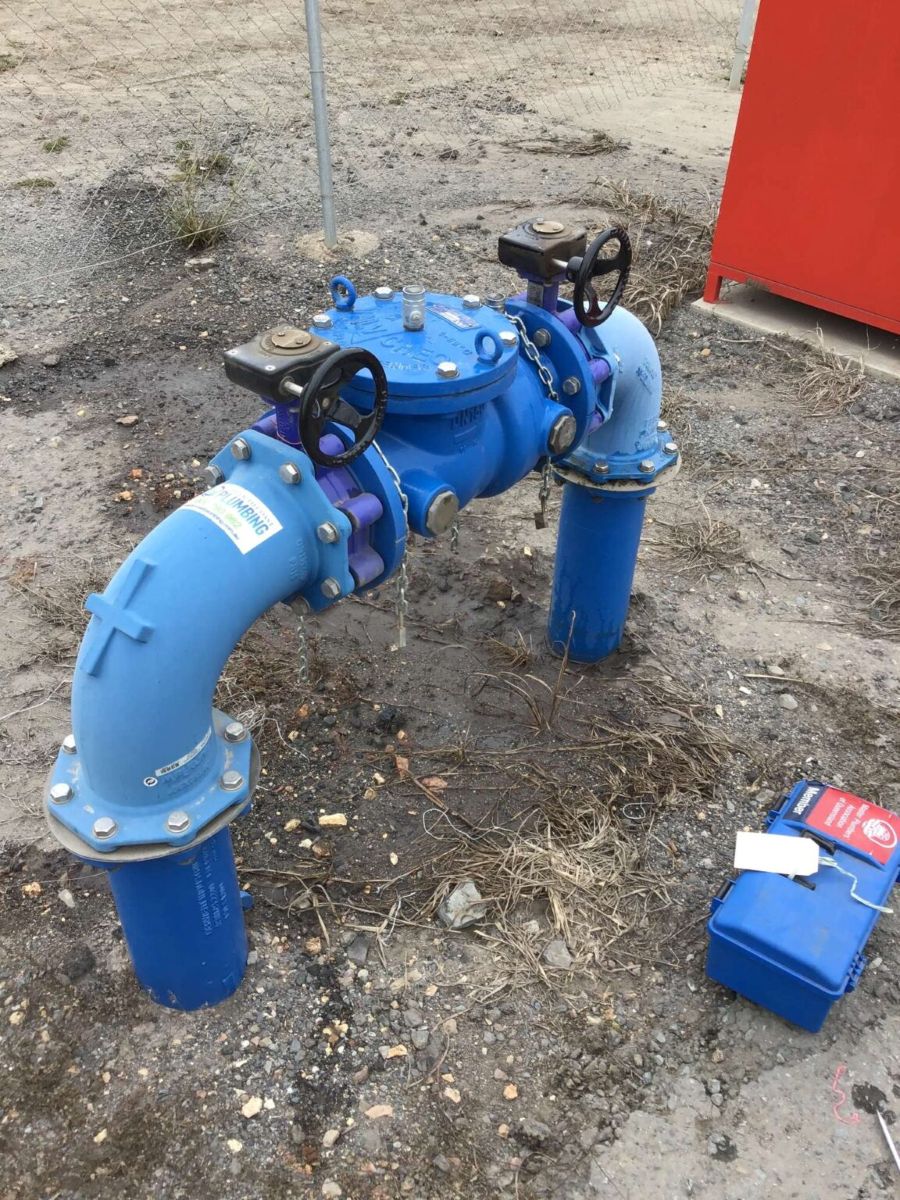
- High hazard (RPZ valves): Necessary when a backflow incident could introduce health-threatening substances, such as in chemical storage areas, medical facilities, and commercial kitchens using chemical dispensers. RPZ (Reduced Pressure Zone) valves are the most sophisticated devices, providing the highest level of protection.
- Medium hazard (double check valves): Required where backflow may affect taste, odour, or appearance but does not pose an immediate health risk, such as irrigation systems, fire services, and general commercial connections.
- Low hazard (atmospheric gap or dual check): Suitable for connections with minimal contamination risk.
Mandatory Annual Testing of Backflow Prevention Devices
According to Queensland regulations, licensed plumbers with qualifications in backflow testing must conduct annual tests on backflow prevention devices. This requirement is not merely a suggestion; it is a legal obligation. The annual test serves to verify:
- Correct device operation: Ensures that check valves seal properly, relief valves discharge at the appropriate pressure, and all components operate as intended.
- No bypass exists: Confirms that water cannot bypass the device due to plumbing alterations or valve positions.
- Device accessibility: Ensures that no physical barriers, such as walls or cupboards, obstruct access to the device, which is crucial for compliance.
- Documentation: Each test results in a Form 9 (Test Report for Backflow Prevention Device) that must be submitted to the Moreton Bay Regional Council.
Ensuring Temperature Safety with TMV Testing
Thermostatic mixing valves regulate the temperature of hot water supplied to taps and showers. These valves are required by the Queensland Plumbing Code at fixtures where there is a risk of scalding. Here are the temperature requirements:
- Maximum 50°C at general outlets: Basins, showers, and baths in commercial environments must be tempered to no more than 50 degrees.
- Maximum 45°C for vulnerable users: Facilities catering to children, the elderly, or individuals with disabilities—including childcare centres, aged care facilities, schools, and disability accommodation—must adhere to this temperature limit.
- Hot water stored at a minimum of 60°C: The system must store water at 60 degrees or above to prevent legionella, while the TMV mixes it down to a safe delivery temperature.
TMVs must undergo annual testing. Over time, scale buildup (especially in Caboolture’s hard water), component wear, and seal degradation can cause TMVs to deviate from specifications. A TMV that delivers water above the recommended temperature poses a scalding risk, while one that dispenses water below the required temperature from a system stored below 60 degrees presents a legionella risk.
Registration Requirements with Moreton Bay Council
Moreton Bay Regional Council maintains a register of backflow devices within its jurisdiction. Property owners and managers are obligated to:
- Register all backflow devices: Any newly installed device must be registered with the council.
- Submit annual test reports (Form 9): After each annual test, the completed Form 9 must be submitted. The council monitors compliance and follows up on any overdue tests.
- Notify council of changes: If a device is replaced, removed, or modified, the council must be informed.
Neglecting to submit test reports can lead to follow-up notices from the council, which may escalate to compliance actions if ignored.
Understanding the Consequences of Non-Compliance
- Council notices and fines: Late test reports can trigger follow-up actions, including improvement notices and financial penalties.
- Insurance implications: If a backflow incident occurs and your device wasn’t tested or maintained, your business insurance may not cover the resulting claims.
- Liability for contamination: A backflow incident that introduces contaminants into the public supply can impact neighbouring properties and the broader community, leading to the responsible party being held liable for remediation costs.
- Health and safety risks: A TMV that is out of specification poses a direct injury risk, whether through scalding burns or legionella exposure, both of which carry substantial liability.
Expert Compliance Management Tailored for Your Business
We specialise in providing annual backflow and TMV testing for commercial clients throughout the Moreton Bay region. We handle the scheduling, testing, Form 9 submission, and record-keeping so that you can focus on your business:
- Annual reminders: We will reach out to you when testing is due, ensuring nothing slips through the cracks.
- On-site testing: All testing is conducted at your premises with minimal disruption to your operations.
- Form 9 submission: We complete and submit the test reports to the council on your behalf.
- Repair and replacement: If a device fails, we will repair or replace it and retest during the same visit whenever possible.
- Compliance records: We maintain testing records for insurance, council, and audit purposes.
Contact us at 1300 793 962 or reach out to us to arrange annual backflow and TMV testing for your business.
Common Inquiries About Backflow and TMV Testing
How frequently should backflow devices be tested?
Annual testing is required by law in Queensland. Certain high-hazard installations might necessitate more frequent testing based on the plumbing approval conditions. We organise your annual test and provide reminders to ensure you never miss a deadline.
What is a Form 9?
A Form 9 serves as the official test report for a backflow prevention device according to the Queensland Plumbing and Drainage Regulation. It documents the device details, test results, and whether the device passed or failed. This form must be submitted to the local council after each annual test.
Can any plumber perform backflow device testing?
No, backflow device testing must be carried out by a plumber who holds a valid backflow prevention testing endorsement on their licence. This endorsement requires specific training beyond the standard plumbing licence. We possess the necessary endorsements for all types of backflow testing.
What happens if my backflow device fails the annual test?
If a device fails, it must be repaired or replaced and retested before the Form 9 can be submitted as a pass. Common issues leading to failure include worn check valve seals, stuck relief valves, and damaged diaphragms. We stock common repair parts and can typically resolve issues and retest during the same visit.
Do residential properties also require backflow testing?
Most residential properties do not require registered backflow devices unless they include specific installations, such as irrigation systems connected to the mains supply, swimming pool auto-fill systems, or rainwater tank connections with mains backup. If your home has any of these features, a testable backflow device may be necessary.
Original Article First Published At: Backflow and TMV Testing for Moreton Bay Businesses: What’s Required



The emphasis on backflow prevention and TMV testing is critical, especially given how interconnected our water systems are. I’ve seen firsthand in my own business how vital it is to remain compliant with regulations; neglecting these can indeed lead to dire consequences. For instance, I once witnessed a backflow incident in a neighboring business that resulted in not only heavy fines but also significant public health concerns. This experience highlighted how unaware some business owners can be about the risks they face and the potential impact on their customers and the environment.