

Indeed, it matters significantly. By the time visible signs of leakage appear, water has often been seeping past the seal for months. We frequently receive calls from residents across the Hills District, the North Shore, and Western Sydney regarding this issue, and the damage is almost always more extensive than the homeowner realises.
Let’s explore what is happening behind the tiles and how to determine the extent of the damage.
Understanding the Causes of a Leaking Shower
Many people imagine a burst pipe when they think of shower leaks. this is rarely the case. A tiled shower is designed to prevent water from escaping in two ways: first at the surface, through the grout and silicone, and second, behind the tiles, through a waterproof membrane.
When the surface seal fails, water permeates the grout lines, moves through the underlying bed, and eventually escapes into the wall cavity, subfloor, or adjacent rooms. The tiles may appear perfectly intact during this time. the first indication of a problem often appears elsewhere, such as damp skirting boards in the hallway or stains on the ceiling below.
Unseen Damage from Water Intrusion
Moisture trapped within a wall cavity does not dry out on its own. Instead, it lingers and causes damage to any materials it contacts.
- Ceilings: The plasterboard beneath an upstairs shower sags and stains over time, eventually collapsing.
- Framing and floor bearers: Timber remains damp, leading to softening and rotting, with repair costs far exceeding the price of sealing.
- Floors in adjacent rooms: Carpets develop unpleasant odours, while floating floorboards can lift and warp along their edges.
- The tiles: As the underlying bed shifts, grout may crack, and tiles can sound hollow when tapped.
None of these issues may seem severe initially, which is the underlying problem.
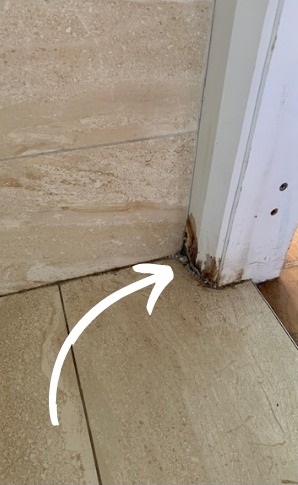

The Underestimated Risks of Mould Growth
A persistently damp wall cavity creates an ideal environment for mould growth. NSW Health outlines the potential health effects of mould exposure, which include a runny or blocked nose, skin and eye irritation, and even wheezing. Inhaling mould spores can provoke asthma attacks in individuals with asthma.
Importantly, mould is likely to return unless the root cause is addressed. Simply scrubbing mould off grout while the leak persists only delays the inevitable.
How Does a Shower Leak Affect Your Water Bill?
Much of the advice found online about water bills in relation to shower leaks is misleading. A faulty shower seal typically does not result in a noticeable spike in your bill because the water is still draining; it's simply infiltrating your home in the process.
A sudden increase in your bill, without any change in water usage, points to a pipe or waste issue rather than a grout problem. Different issues require different trades, and it’s essential to know this before scheduling service.
Prioritising Safety: Water and Electricity Don't Mix
If you notice staining near a downlight, around a light fixture, or at a power point on the opposite side of the shower wall, cease using the shower immediately. Contact a licensed electrician right away to prevent further complications. This is outside our realm of expertise and should not be delayed.
Is the Problem with the Shower or the Plumbing?
Determining the source of the leak is essential before receiving quotes, as it influences who you should contact for repairs.
- Surface seal issues: If the leak appears after someone has showered and the grout or silicone in the corners is cracked, missing, dark, or crumbling, the problem likely lies here.
- Plumbing issues: If water is present when the shower hasn't been used or worsens when the tap is running without anyone in the recess, this indicates a problem with a pipe or waste. In this case, you should consult a licensed plumber, as we do not handle plumbing issues.
- Waterproofing failure: If the membrane behind the tiles has failed, it falls under the AS 3740 standard for domestic wet areas. This is a licensed trade and requires tile removal, which we do not perform.
We prefer to direct you to the appropriate tradesperson rather than sell you a regrout that won't resolve the issue.
Restoring Watertight Integrity Without Tile Removal
Most leaking showers we encounter in Sydney can be repaired without dismantling the bathroom. If the membrane underneath is still intact and the failure is at the surface level, we can regrout and reseal effectively.
- Rake out: We remove the old grout from the tile joints and cut out the deteriorated silicone from the corners and the floor-to-wall junctions.
- Refill: The cleaned joints are filled with fresh grout.
- Reseal the moving joints: Internal corners and junctions receive a flexible sealant instead of grout, as these joints experience movement and are typically where showers fail first.
- Cure: The shower is left undisturbed to cure before being put back into service.
The tiles remain intact, eliminating the need for demolition or skip bins, and the bathroom will not be out of action for an extended period.

How Urgent is the Situation?
In all honesty, if you notice a stain on the ceiling or a soft skirting board, it indicates the seal has been compromised for some time. While a regrout and reseal can still prevent further water damage at this stage, you may also need to arrange for a plasterer or carpenter to address the existing damage.
If caught early, when the corner silicone is merely beginning to darken and crack, the repair is straightforward. If you’re uncertain about what you’re dealing with, send us a photo. It’s free to ask, and we will provide a clear assessment.
Frequently Asked Questions
Is it possible to regrout the shower myself?
You can attempt this, and if it’s just one cracked joint on a wall, it may be worth trying. most DIY efforts overlook the floor-to-wall junction and internal corners, which require flexible sealant rather than grout due to movement. Using grout in these joints will lead to cracks reappearing within months.
Will replacing the silicone alone resolve the issue?
Occasionally, if the grout remains sound and only the silicone has deteriorated, it may help. More often, the silicone merely masks a deeper issue, as the grout lines may have become porous too. In this case, new silicone will only provide a temporary solution.
How can I determine if the waterproofing behind the tiles has failed?
Common indicators include tiles sounding hollow when tapped, movement underfoot, or persistent leaks even after a proper regrout and reseal. If you observe these signs, the membrane is likely compromised, and you will need a licensed waterproofer, which is not a service we provide.
What is the duration of the shower being out of service?
In most cases, residential showers can be repaired in a single day, followed by a curing period before they are used again. We will provide you with a precise timeframe after assessing the situation.
Are repairs advisable before selling my property?
A leaking shower that has penetrated the structure is often detected during building inspections. Addressing the issue before listing your property is far easier than managing it during negotiations.
Schedule a Professional Assessment
If your shower is leaking or you have an unexplained stain, arrange for an onsite evaluation. We will determine whether you require a regrout and reseal, or if you need to contact a plumber or waterproofer instead. Every job is quoted onsite, as factors such as shower size, tile condition, and the extent of grout deterioration all influence the work required. You can also find more information about leaking shower repairs or shower regrouting.
Book an appointment and we will determine what your shower needs. We proudly serve three areas in Sydney: Western Sydney, The Hills District, and The North Shore.
Andreas Jagle operates Leaking Showers Sealed and has been regrouting and resealing showers throughout Sydney for 26 years. NSW Fair Trading Contractor Licence 89111C, verifiable on the NSW public register. Accredited by Ardex Academy. Serving the Hills District, the North Shore, and Western Sydney. 1300 815 512.
Original Article First Published At: Is A Leaking Shower Really A Big Deal?


It’s such an eye-opener to realize how hidden leaking showers can be! I’ve seen a few friends face this issue, and it’s amazing how quickly small problems can snowball into major repairs. Your point about the waterproof membrane is crucial; many homeowners aren’t aware of the complexity behind their tiled showers. It also makes me think about the importance of regular maintenance and checking for those subtle signs of water damage before they escalate. Have you ever come across innovative technologies or methods for early detection of such leaks? It would be great to explore solutions that help homeowners catch these issues earlier and save them from larger headaches down the line.