

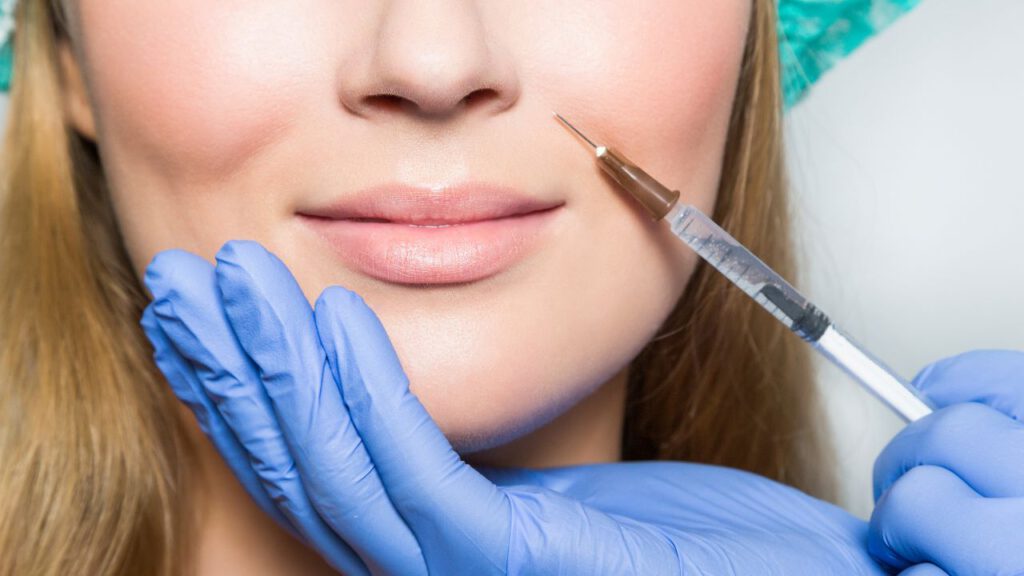
While much of the information available online about cheek fillers focuses on their benefits, it is essential to consider another important question: is this the right moment for you to proceed with the treatment?
Sometimes the most beneficial advice a provider can offer is to suggest waiting. Here are four indicators that postponing your cheek filler appointment may be the wiser choice, along with what you can anticipate during a cheek filler consultation when you are ready.
Why Might a Clinic Advise You to Delay Cheek Filler Treatment?
The planning of cheek filler treatment revolves around your current facial structure. If your appearance, goals, or upcoming schedule are about to change, the initial plan may not yield the desired results.
The FDA has approved dermal fillers for individuals aged 22 and over, including for enhancing the cheeks, lips, chin, and back of the hands. It is also important to note that some fillers are gradually absorbed by the body, which means you may need to schedule follow-up treatments. According to the American Academy of Dermatology, hyaluronic acid gel fillers can last anywhere from 4 to 12 months.
Choosing to have cheek filler is not a decision to be taken lightly; it often initiates a series of treatments that require maintenance over time. If you start your filler journey at an inappropriate time, you risk an outcome that may no longer align with your expectations a few months down the line.
Should You Choose Botox or Filler for Cheek Enhancement?
When it comes to increasing the volume in your cheeks, fillers are specifically designed for this purpose. Botox, however, serves a different function. The Cleveland Clinic explains that Botox works by blocking nerve signals to muscles, preventing them from contracting, while dermal fillers provide the necessary volume.
These two treatments address different concerns. Botox focuses on muscle movement, while fillers concentrate on the fullness of the cheeks. If your reflection reveals flatter or hollower cheeks than before, this is a volume-related issue, making fillers the appropriate choice. If you are uncertain about which treatment best addresses your concerns, a consultation can clarify your options.
Indicator One: Your Weight Is Still Fluctuating
If you are currently losing weight, your facial structure is also undergoing changes. The Cleveland Clinic explains that rapid weight loss can lead to a decrease in fat beneath the skin of your face and neck, with more dramatic weight loss resulting in more noticeable facial changes.
A 2025 international consensus study published in the Journal of Cosmetic Dermatology examined aesthetic treatments for individuals losing weight due to prescription medications. The panel concluded that the skin and both superficial and deep fat layers of the face are the most affected areas. a significant concern for these patients is the fear of looking as though they have gained weight after treatment, highlighting the importance of timing when planning aesthetic procedures during weight loss.
When filler is applied while your facial structure is still changing, it targets a moving goal. If you are on a GLP-1 medication or striving for a specific weight, be sure to mention this during your consultation to ensure the timing of your treatment aligns with your situation. For further insights on how fast weight loss impacts facial appearance, refer to “Ozempic Face, Taken Apart: What Changes and What Can Help.”
Indicator Two: Your Main Concern Is Skin Quality, Not Cheek Volume
Fillers are intended to enhance volume. If your primary concern when looking in the mirror is skin texture, pigmentation, redness, or skin that feels thin and loose, cheek fillers may not address those issues effectively.
It is common to confuse tired-looking skin with a need for volume. Sometimes, the cheeks may appear fine, but the skin on top requires attention. A simple way to evaluate this is to compare a recent photo with one from a few years ago. Consider whether your cheeks appeared fuller or if your skin simply looked smoother and more radiant. If the latter is true, starting with a skin treatment would likely be more beneficial. ZenVita offers various options, including SkinPen microneedling, Morpheus8, Lumecca IPL, chemical peels, and Hyperdilute Radiesse. A consultation will help determine which treatment suits your needs best.
Indicator Three: You Have an Upcoming Event
If there is a significant event, such as a wedding, photo shoot, or travel plans within the next few weeks, it is advisable to wait until after the event or schedule your appointment well in advance. The American Academy of Dermatology lists redness, swelling, tenderness, and occasional bruising as common minor side effects following filler treatment. These side effects typically resolve within 7 to 14 days, if not sooner.
Most individuals can return to their regular activities immediately following treatment. The Academy recommends refraining from exercise or strenuous activities until the following day and avoiding contact with the treated area for three days. While this may seem manageable during a typical week, it becomes more critical during the week of an important event.
As a general guideline, allow at least two weeks between your cheek filler appointment and any event where you will be photographed. This timeframe provides ample opportunity for swelling to subside and offers the option for a follow-up visit if desired.
Indicator Four: You Are Seeking a Filtered Appearance
Filters on phones do not adhere to the anatomical realities of a human face. In 2018, researchers from Boston Medical Center published findings in JAMA Facial Plastic Surgery regarding patients who sought treatments to emulate their filtered images. Their news release highlighted that 55 percent of plastic surgeons reported an increase in patients desiring to look better in selfies.
It is perfectly fine to appreciate how you appear with a filter. complications arise when a filtered image becomes the standard for your treatment. Fillers enhance the volume of a real face, which is subject to actual bone structure, skin, and movement, unlike a filter that bypasses these factors.
If you plan to show a reference photo, opt for an unfiltered one. A recent photograph of yourself or a natural image of someone with a similar facial structure can provide your provider with a realistic benchmark.

Are You Prepared? A Quick Checklist for Cheek Filler Readiness
Before scheduling your appointment, consider these four essential questions:
- Weight: Has my weight remained stable for a significant period?
- Concern: Is my primary issue the fullness of my cheeks rather than my skin condition?
- Calendar: Do I have a clear two-week window before my next major event?
- Reference: Is the desired look based on a real, unfiltered image of myself?
If you answered affirmatively to all four questions, you are likely ready to consult a provider. If any response raised a concern, it is important to discuss it during your consultation rather than disregarding it.
What to Expect During a Comprehensive Cheek Filler Consultation
For many, the desire for cheek fillers is straightforward, although a thorough consultation should address the same key areas each time:
- Your health history: The FDA recommends that you disclose any active skin inflammation or infection, bleeding disorders, severe allergies, or a history of anaphylaxis to your provider. the safety of fillers during pregnancy is still uncertain.
- The product and its longevity: Inquire about the specific filler being used and how frequently you can expect to need touch-ups.
- The risks involved: According to the FDA, inadvertent injection into a blood vessel poses the most significant risk associated with fillers, with potential complications including tissue necrosis, vision impairment including blindness, and stroke. Ask your provider how they administer fillers and what measures are in place if the results are not as expected.
- Who will perform the injection: The FDA advises that a licensed healthcare provider use FDA-approved products, and cautions against purchasing fillers online. The American Academy of Dermatology warns against receiving fillers in non-medical settings such as parties, salons, or private homes.
- Aftercare instructions: Understand what activities to avoid in the initial days following treatment and when to return for a follow-up appointment.
ZenVita, a nurse practitioner-led medspa located in Aurora, invites you to learn more about dermal fillers on our website before your visit. If you have evaluated the four indicators and seek a second opinion on your timing, schedule a consultation at ZenVita in Aurora. We will assess your cheeks and discuss your goals with you, and if waiting proves to be the better option, we will communicate that clearly.
Common Questions About Cheek Fillers
Will Cheek Filler Dissolve Over Time?
Most cheek fillers are temporary in nature. The American Academy of Dermatology notes that hyaluronic acid gel fillers typically last between 4 to 12 months, with most requiring repeat treatments to maintain the desired effect. The FDA also points out that some fillers are gradually absorbed over time. The longevity of your results will depend on the specific product used and individual factors, so be sure to discuss touch-up timing during your consultation.
How Long Does Swelling Last After Cheek Filler?
The American Academy of Dermatology states that common minor side effects such as redness, swelling, tenderness, and occasional bruising usually resolve within 7 to 14 days, if not sooner. It is advisable to wait until the following day to engage in exercise and to avoid touching the treated area for three days. If you have an event on the horizon, ensure you leave at least two weeks between your treatment and the occasion.
Is It Advisable to Get Cheek Filler While Losing Weight?
This is a topic worth discussing prior to treatment. The Cleveland Clinic explains that rapid weight loss can lead to a decrease in facial fat, and a 2025 consensus study published in the Journal of Cosmetic Dermatology emphasised the importance of timing when planning aesthetic care during weight loss driven by medication. Inform your provider if you are on a GLP-1 medication or actively working towards a goal weight to ensure your treatment plan accommodates your current situation.
Is Cheek Filler Safe?
The FDA has approved dermal fillers for cheek augmentation in adults aged 22 and older. Like any injectable treatment, fillers carry associated risks. Minor swelling and bruising are common, while the FDA identifies injection into blood vessels as the most serious risk. It is crucial to consult with a licensed healthcare provider who uses FDA-approved products, and to discuss your health history thoroughly before undergoing any treatment.
Original Article First Published At: Not Ready for Cheek Filler Yet? Four Signs to Wait