

Demodex mites are frequently responsible for anterior blepharitis, a type of eyelid inflammation affecting the lash line, often alongside bacterial infections. This insight comes from an Australian optometrist featured in the optometry trade publication, mivision. If you suspect demodex mites may be impacting your eyelids, an optometrist can assess your condition. This guide discusses the symptoms to watch for, outlines effective daily eyelid hygiene practices, and explains the differences between the eyelid cleansers we offer.
What Are the Symptoms of Blepharitis and Demodex Mites on Your Eyelashes?
According to the Royal Victorian Eye and Ear Hospital, blepharitis is a chronic inflammation of the eyelids that typically affects both eyes. The symptoms include:
- Itchiness or discomfort: You may experience itchy or sore eyelids or the sensation of having something in your eye.
- Increased tearing and blinking: Your eyes might water excessively, leading to frequent blinking.
- Visual changes: The edges of your eyelids may appear red and thickened.
- Other symptoms: You might also experience light sensitivity and dryness in your eyes.
The hospital's clinical guidelines also note crusting along the lid margins and the presence of scales at the base of the eyelashes. An article by Optometry Australia highlights that collarettes—cylinder-shaped crusts around the lashes—are a distinct indicator of demodex. If you notice persistent crusting at your lash line, it’s advisable to schedule an appointment with your optometrist.
Why You Should Consult an Optometrist About Demodex Mites
Itchy, crusty eyelids can arise from various causes. An optometrist can thoroughly examine your eyelids and lashes, provide insights on your condition, and recommend the most suitable eyelid cleanser and the appropriate frequency of use. The hospital cautions against rubbing or scratching itchy eyelids, as this can exacerbate inflammation; instead, a warm compress is recommended.
It’s essential to seek professional advice rather than waiting. The Royal Victorian Eye and Ear Hospital outlines potential complications if blepharitis is left untreated, including styes or chalazia (inflamed eyelid glands), conjunctivitis, or inward-turning eyelashes that can irritate the eye. For dry eye symptoms associated with blepharitis, artificial tears from your local pharmacy can help, and our guide on eye drops for dry eyes offers further information.
Effective Daily Eyelid Hygiene Using an Eyelid Cleanser
Both of the Australian eye hospital guidelines we reviewed endorse daily eyelid cleaning for managing blepharitis. The Royal Victorian Eye and Ear Hospital recommends cleaning your eyelids twice daily for three to four weeks, followed by twice weekly maintenance. If symptoms reappear, return to daily cleaning. A NSW Health document from Sydney Eye Hospital suggests using a warm compress, followed by gently wiping the base of the eyelashes once or twice daily. Both sources emphasise that blepharitis is an ongoing concern.
Healthdirect also recommends eyelid hygiene and warm compresses as part of self-care, especially for blepharitis or issues with the oil glands in your eyelids. The Royal Victorian Eye and Ear Hospital points out that contact lenses and eye makeup can worsen blepharitis and should be avoided while symptoms persist.
Explore the Range of Eyelid Cleansers We Offer
Convenient Eyelid Wipes and Pads for Daily Use
I-LID ‘N LASH wipes do not contain tea tree oil and do not require rinsing. OCuSOFT Lid Scrub Original pads are designed for single use per eye and also do not require rinsing. Similarly, Lid Scrub Plus pads can be used without rinsing, but contact lenses should be removed beforehand.
Foams and Micellar Cleansers for Eyelid Care
OCuSOFT Lid Scrub Plus foam is recommended for use once or twice daily, left on briefly, then rinsed or wiped away. The Australian instructions advise keeping it out of the eye and using it before inserting contact lenses. The Eye Doctor Lid Cleanser is a micellar water enriched with coconut and argan oils, suitable for use in the morning and evening without rinsing.
Eyelid Sprays Featuring Hypochlorous Acid: Avenova and Hypochlor
Some eyelid cleansers are available in spray form. Avenova contains 0.01% hypochlorous acid in a 40ml spray bottle. An article in an Australian optometry trade publication suggests spraying it on closed eyelids and wiping dry within approximately 15 seconds. OCuSOFT Hypochlor is a 0.02% hypochlorous acid spray. Australian retailers provide two methods for application: spraying directly onto closed eyelids or onto a cotton pad first; always follow the instructions on your packaging.
Eyelid Cleansers with Tea Tree Oil: Oust and I-LID ‘N LASH PLUS
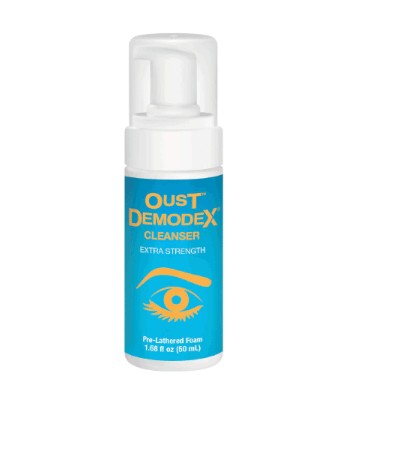
OCuSOFT Oust Demodex Cleanser is a foam formulated with tea tree leaf oil and coconut oil. An Australian retailer recommends it for once-daily use or as advised by your eye care professional. The Oust Demodex pads come individually wrapped, containing tea tree, aloe, and glycerin. One Australian seller suggests using a fresh pad for each eye once daily, rinsing thoroughly afterwards, and removing contact lenses beforehand.
I-LID ‘N LASH PLUS wipes combine 5% tea tree oil with hyaluronic acid. Each pack contains 60 wipes, and you use one wipe per eye once a day, with no rinsing required.
Comparison of Eyelid Cleansers
| Format | Contains Tea Tree | Rinse Off? | |
|---|---|---|---|
| I-LID ‘N LASH | 60 wipes | No | No |
| OCuSOFT Lid Scrub Original pads | 30 pads | Check the pack | No |
| OCuSOFT Lid Scrub Plus pads | 30 pads | Check the pack | No |
| OCuSOFT Lid Scrub Plus foam | Foam, 50ml | Check the pack | Rinse or wipe away |
| The Eye Doctor Lid Cleanser | Micellar water, 100ml | Check the pack | No |
| Avenova | Spray, 40ml | Check the pack | Wipe dry |
| OCuSOFT Hypochlor | Spray, 59ml | Check the pack | Check the pack |
| OCuSOFT Oust Demodex Cleanser | Foam, 50ml | Yes | Check the pack |
| OCuSOFT Oust Demodex pads | 30 wrapped pads | Yes | Check the pack |
| I-LID ‘N LASH PLUS | 60 wipes | Yes, 5% | No |
Step-by-Step Guide to Using an Eyelid Wipe or Cleanser
Always start by following the pack directions. The cleaning routine recommended by the Royal Victorian Eye and Ear Hospital provides an effective order to follow.
- Wash your hands: Start by thoroughly washing both hands and removing contact lenses.
- Clean one eye at a time: Focus on one eye, then clean the other.
- Warm compress: Apply a warm compress to the closed eyelid and gently massage the lid edges for two minutes.
- Clean: With your eye closed, gently wipe the lid and lashes. The NSW Health guidelines suggest spending about 20 seconds at the base of the lashes.
- Fresh pad: Use a clean pad or wipe for the second eye.
- Rinse or not: The hospital's routine concludes with a rinse using warm water and a careful pat dry, but some cleansers are designed to remain on the skin, so consult your pack.
Cautions When Using Tea Tree Eyelid Wipes and Cleansers
Tea tree oil is an essential oil. WA Health advises that essential oils in the eye can lead to redness, irritation, or pain, with immediate first aid involving rinsing the eye with water for 15 minutes. Only use tea tree eyelid products as directed on the packaging, applying them along the lash line with your eyes closed. Never apply neat tea tree oil near your eyes. If a cleanser causes stinging or prolonged irritation, discontinue use and consult your optometrist.
Choosing the Right Eyelid Cleanser
- If your optometrist recommends tea tree: Consider Oust foam or pads, or I-LID ‘N LASH PLUS wipes if you prefer a no-rinse option.
- If you want to avoid tea tree: I-LID ‘N LASH wipes contain no tea tree in their formulation.
- If you prefer a spray option: Look for Avenova or OCuSOFT Hypochlor.
- If portability is a concern: Individually wrapped pads, such as the Oust pads, are ideal.
- If you wear contact lenses: Always remove them before cleaning and check the instructions on each product before reinserting them.
Establishing a Consistent Eyelid Cleanser Routine
Since symptoms can recur, the Royal Victorian Eye and Ear Hospital recommends a consistent long-term eyelid care routine. Initially cleaning twice daily should transition to twice weekly after the first three to four weeks. If crusting or itching returns, increase to daily cleaning and inform your optometrist.
Combining Eyelid Cleansers with Warm Compresses
Both hospital guidelines recommend starting with a warm compress before eyelid cleaning. Our guide on heated eye masks for dry eyes discusses the compresses we provide, while our eyelid gel guide covers leave-on gels for post-cleaning care.
When to Seek Medical Attention for Sore, Crusty Eyelids
Consult your optometrist if you experience recurring crusting at your lashes or if your eyelids remain itchy or sore. The NSW Health guidelines suggest seeing your doctor if symptoms worsen or do not improve. healthdirect advises contacting your doctor if the shape of your eyelids changes, and to seek immediate help if you experience pain, redness, vision changes, or light sensitivity.
You can find all the eyelid cleansers mentioned in this guide within our lid care range.
Original Article First Published At: Demodex Mites on Your Eyelashes: Eyelid Cleansers Explained