
Addressing a water damaged ceiling requires immediate action: ensure people and power are kept clear, stop any ongoing water intrusion, and document the damage with photos before any cleanup or repairs begin. After these steps, it's crucial to allow the ceiling to dry thoroughly to assess whether it needs patching, repainting, or complete replacement of the plasterboard.
On the Gold Coast, water damaged ceilings typically result from summer storms, blocked gutters, or leaks from upstairs bathrooms. The first indication of trouble often appears as a stain. In some cases, the ceiling may already feel soft or show signs of sagging by the time it is noticed.
Follow this sequence of actions for the best results.
What Signs Indicate a Water Damaged Ceiling?
Water doesn’t always drip directly through the ceiling. Often, it spreads across the plasterboard, appearing in areas away from the source of the leak. Be on the lookout for the following signs:
- Brown or yellow rings: These stains, especially with darkened edges, indicate repeated soaking and drying of the material.
- Bubbling or peeling paint: Paint lifts due to moisture affecting the plaster beneath.
- A soft or spongy patch: Gently press with a broom handle; if it gives way, the integrity of the board is compromised.
- Sagging between the joists: This indicates the sheet is detaching from the framing; avoid this area.
- Cracks along the joins: Wet plasterboard shifts, causing the joints to crack.
- A musty odour: Damp plaster and insulation can retain moisture long after the rain has stopped.
A single stain may not signal an urgent issue. any sagging, soft patches, or water near electrical fittings requires immediate attention, prioritising safety.
How to Ensure Safety with a Water Damaged Ceiling
If the ceiling is sagging or bulging due to water accumulation, keep everyone out of that room. Relocate furniture if it can be done safely without standing beneath the affected area. Remember, a wet plasterboard can be surprisingly heavy and may fall unexpectedly.
Navigating Water Damage Near Electrical Fixtures
The combination of water and electrical wiring poses significant risks. According to Queensland’s Electrical Safety Office, avoid switchboards that have been compromised by water. Always consult a licensed electrician for any electrical repairs rather than attempting DIY fixes (Electrical Safety Office, Electrical safety during storms). If water is leaking near downlights, ceiling fans, or switches, refrain from touching these areas until a professional can assess the situation.
Identifying Asbestos in Older Water Damaged Ceilings
If your property on the Gold Coast was constructed before 1990, exercise caution with any fallen ceiling materials. The Queensland Government advises that homes built before this date are likely to contain asbestos, and it’s best to assume any suspect material does (Queensland Government, How to handle asbestos safely after a storm). Avoid breaking, sanding, or sweeping old sheeting until you have confirmed its composition.
How to Stop the Leak Causing the Water Damage
Repairing the ceiling without first addressing the leak is counterproductive. Resolve the source of the problem first, typically involving a roofer or plumber rather than a plasterer.
Common sources of water intrusion affecting Gold Coast ceilings include:
- Storm damage: Lifted tiles, cracked flashing, or dislodged roofing materials can allow water in during high winds.
- Blocked gutters and valleys: Accumulated leaves can obstruct drainage, causing water to back up and enter the home.
- Upstairs bathrooms: A deteriorated shower seal or leaking pipe can saturate the ceiling below for an extended period before visible damage appears.
- Air conditioning units: A clogged drain line may cause dripping into the ceiling space.
If you are unsure of the source of the leak, inform your roofer or plumber about the location of the stain and its appearance patterns. If it only develops after rain, the issue likely originates from the roof. If it appears after showers, focus on the bathroom.
Why You Should Document Damage to Your Water Damaged Ceiling
If you intend to file an insurance claim, taking photos is essential. The Queensland Government recommends capturing images and videos of the damage and consulting with your insurer before proceeding with significant repairs (Queensland Government, Insurance). A smartphone is adequate for this purpose. Ensure you take a wide shot of the entire room, close-ups of the stain and any sagging areas, and photos of the water entry point if visible and safe to do so.
Your insurance policy details are between you and your insurer. Request a written repair quote to ensure you have documentation of the damage and the proposed repairs for your discussions.
Allow Time for the Water Damaged Ceiling to Dry Before Repairing
A damp ceiling may appear worse or better than its actual condition. Occasionally, plasterboard that has been wet once can be salvaged. if it remains wet for several days or has absorbed water multiple times, replacement is usually necessary.
Give the ceiling ample time to dry and ensure proper airflow. Open windows when possible, use fans, and maintain ventilation in the room. Depending on factors such as humidity and the extent of water intrusion, drying may take days rather than hours (Gold Coast's summer humidity complicates this). If the insulation above is saturated, it may need removal to facilitate drying from both sides.
Should You Repair or Replace a Water Damaged Ceiling?
Once the ceiling has dried and the leak is resolved, you will typically classify the damage into one of three categories.
When Only the Ceiling Shows a Water Stain
If the plasterboard remains firm and flat, with only the paint affected, you can simply apply a stain-blocking sealer followed by a repaint. Avoid painting directly over the stain with standard ceiling paint, as this can allow the mark to bleed through again, making the sealing step crucial. To ensure a uniform appearance, it’s often preferable to repaint the entire ceiling.
When Partial Ceiling Repair is Needed
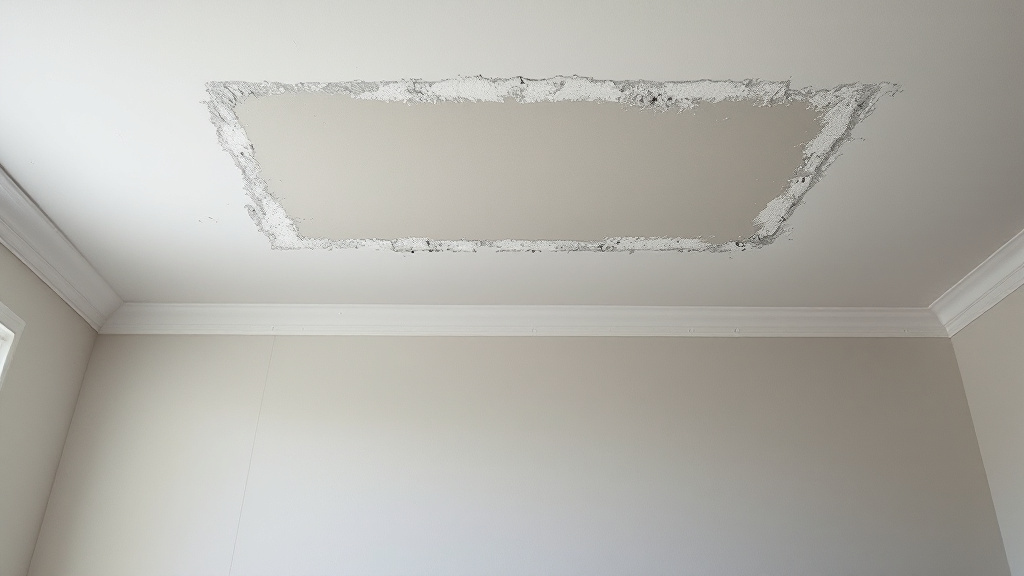
If only a section of the ceiling is soft, cracked, or sagging but the remainder is intact, the damaged area should be cut back to the framing. New plasterboard can then be installed, the joints set, and the area finished for painting. If done correctly, the patch should blend seamlessly with the rest of the ceiling once painted.
When Full Ceiling Replacement is Necessary
If sagging extends across multiple joists, the plasterboard has deteriorated, mould is present, or the room has experienced repeated water exposure, replacing the ceiling is typically the most effective solution. A patch on a compromised ceiling is likely to lead to further cracking around its edges. For detailed information on ceiling replacements and water damage repairs for Gold Coast properties, visit our residential plastering page.
Factors Influencing the Cost of Repairing a Water Damaged Ceiling
Two ceilings displaying the same stain may require vastly different repair approaches, which will affect the overall cost. Key elements that can influence the quote include:
- Extent of the damage: A small patch versus a complete room needing new plasterboard.
- Height and accessibility: High ceilings, stairwells, and raked ceilings require additional setup time.
- Cornice condition: Whether the cornice has been damaged and needs replacement or matching.
- Framing integrity: Wet battens or joists may need replacement prior to installing new plasterboard.
- Painting requirements: Whether the entire ceiling needs sealing and repainting to hide the repair.
- Asbestos concerns: Older ceilings may require testing before work commences.
The most efficient way to determine the required repairs is to request a free quote. Please reach out with photos, your suburb, and a brief description of the event and the timing. We’ll provide a detailed explanation of the recommended repairs and their rationale.
Gold Coast Plastering. Call (07) 5315 8349. QBCC Licence 15576119 (MGH Contracting) and QBCC Licence 15511709 (All Paintworx).
Original Article First Published At: Water damaged ceiling: what to do first on the Gold Coast