

Resealing your balcony is an essential task because the grout and silicone on its surface are vital for preventing rainwater from penetrating the slab and the room below. When these seals crack or detach, water seeps in with every rainfall. A proper reseal restores the watertight nature of the tiled surface without the need to remove any tiles, and most residential balconies can be completed in just one day.
In the following sections, we will delve into the reasons balcony seals fail, the consequences of water intrusion, the warning signs to watch for, and one specific situation where resealing may not be the solution. If you already suspect your balcony requires attention, our detailed balcony resealing guide outlines the step-by-step process we follow.
Understanding the Importance of Balcony Resealing Before Leaks Occur
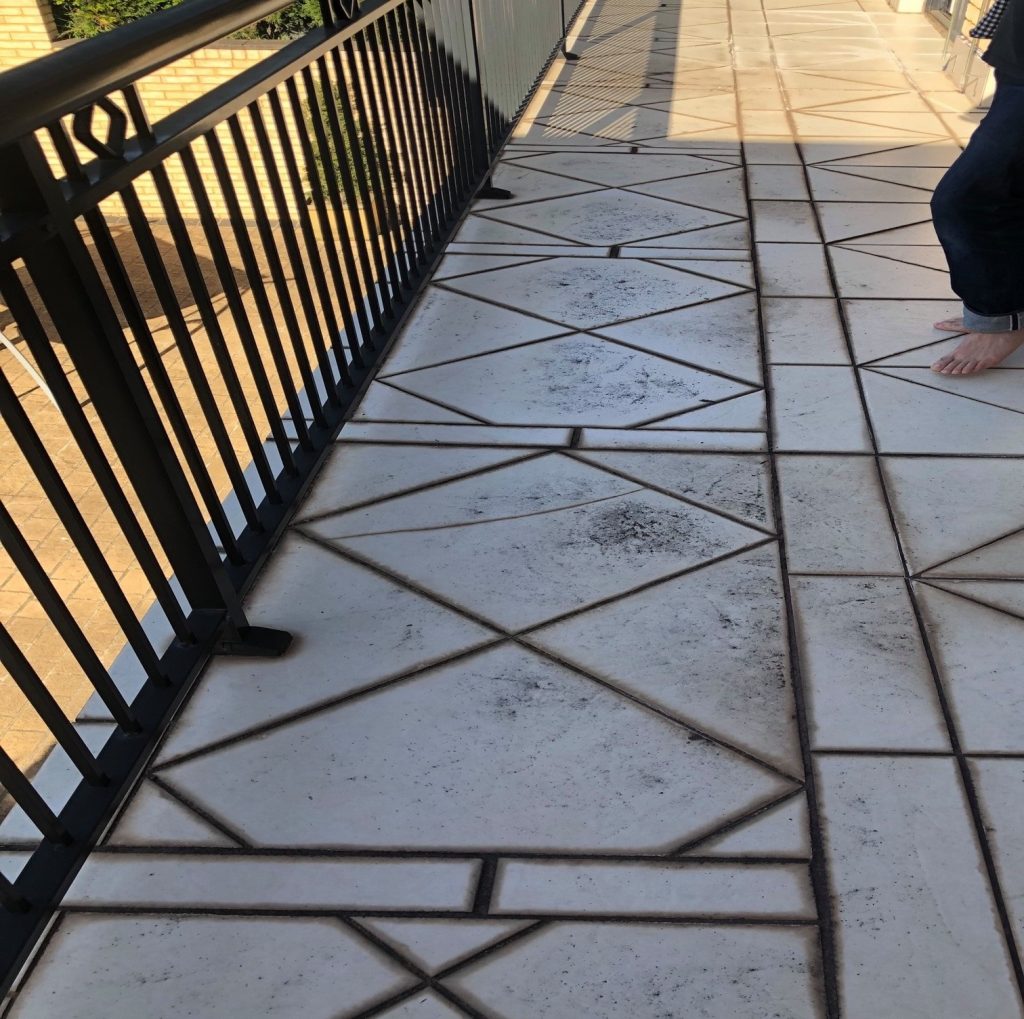
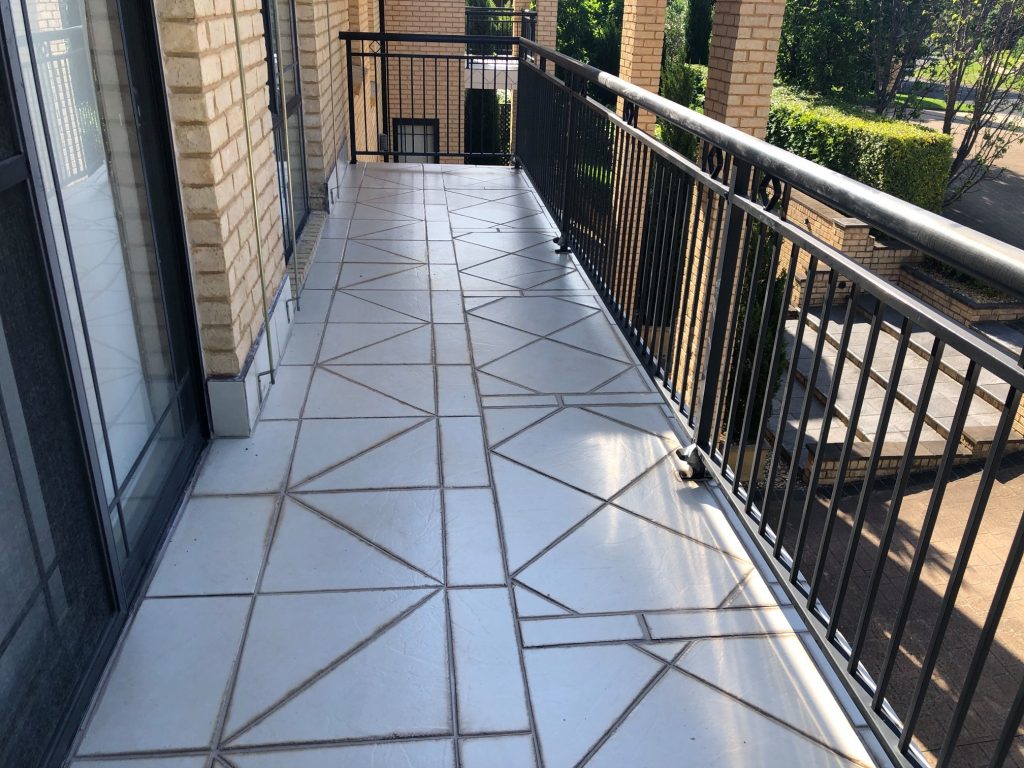
Balconies endure daily exposure to sunlight, rain, and fluctuating temperatures, while the underlying slab constantly shifts. This movement affects the joints between the tiles and along the edges, leading to cracked grout and deteriorating silicone. Often, issues become apparent in the room below before they are noticeable on the balcony itself, typically manifesting as stains on the ceiling.
Addressing balcony resealing while the damage remains superficial is a quick fix, usually taking only a day. Delaying repairs until water has penetrated the structure can result in the necessity to remove all tiles, repair the underlying damage, and then re-waterproof and retile the surface. This extensive process requires both a waterproofer and a tiler, taking several weeks compared to the single day needed for a reseal.
Identifying Why Balcony Seals Fail and Allow Water In
Leaks in balconies typically originate at the edges rather than the centre of the floor. The joints at the perimeter—where the floor meets the wall, the balustrade base, and the outer edge of the slab—experience the most movement, making them prone to cracking. the joint beneath and around the door leading to the balcony is critical for maintaining a watertight seal.
The type of grout used also plays a significant role. Standard cement grout is porous, allowing water absorption and providing an environment for mould growth. When we regrout a balcony, we opt for epoxy grout, which is non-porous and more resistant to mould. Our guide comparing epoxy grout to cement grout offers valuable insights on these materials.
The Impact of Water Intrusion from a Leaking Balcony on Your Home
Water that bypasses a compromised balcony seal can infiltrate the ceiling and wall cavities of the space below. It does not stop at the surface paint; given enough time, it can damage timber framing and plasterboard, creating damp conditions that encourage mould growth.
Ensuring the balcony surface remains watertight is crucial for protecting everything beneath it, including the waterproofing membrane under the tiles. A robust surface seal prevents moisture from reaching the membrane, highlighting the financial benefits of early resealing for balcony maintenance.
Recognising the Signs That Your Balcony Requires Resealing
Often, you can detect a failing balcony seal from inside your home before any visible signs appear on the balcony. Keep an eye out for the following indicators beneath the balcony:
- Water stains or tide marks on the ceiling below
- Bubbling, blistering, or flaking paint on the ceiling or top of an internal wall
- A persistent damp, musty odour in the room below
- Rust stains or white chalky deposits on the underside of the slab or at the balcony edge
On the balcony itself, look for these signs:
- Cracked, crumbling, discoloured, or missing grout between tiles
- Silicone that appears blackened, hardened, or is peeling away from edges
- Tiles that feel hollow or shift slightly underfoot
- Water pooling on the surface long after rainfall
- Mould growth in the grout lines or along the edges
Even one of these signs warrants an inspection. If you notice two or more, it typically indicates that the surface seal has failed and water has been penetrating for some time. Dirty grout alone is a separate issue, and our tile and grout cleaning service addresses both balcony and outdoor tiles, in addition to bathrooms.
The Process of Balcony Resealing Explained
Balcony resealing encompasses more than just the grout lines in the centre of the floor. Our process includes cleaning the tiled surface, removing old silicone and damaged grout, and regrouting the floor joints with epoxy grout. We also reseal edge joints, door thresholds, and the exterior face of the slab edge, finishing with a flexible sealer along the balcony edge to allow for movement without causing splits.
Your tiles remain undisturbed throughout the repair process. Most residential balconies can be completed within one day, and we will inform you during the quote about how long to avoid the new grout while it cures. Our services also extend to resealing shower tiles.
Is DIY Balcony Resealing an Option?
While grout sealers and silicone are readily available at hardware stores, these products won’t rectify grout that is already cracked, crumbling, or missing. Sealers simply coat the joint and do not reconstruct it. new silicone is likely to fail quickly if the old silicone isn’t completely removed and the surface isn’t thoroughly cleaned beforehand.
While hiring a professional to reseal may be pricier than a DIY approach, it ensures that all failed grout and silicone are entirely removed before applying new materials.
When Resealing Is Not Sufficient to Fix a Leaking Balcony
Resealing addresses a failed surface seal, which is the most common issue with leaking balconies. if the waterproofing membrane beneath the tiles has deteriorated, the tiles must be removed to allow for proper waterproofing. This task requires a licensed waterproofer and a tiler. We do not remove tiles, so during our inspection of your balcony, we will clarify the issue before you incur any costs.
Expert Balcony Resealing Services in the Hills District, North Shore, and Western Sydney
Located in North Richmond, we provide balcony resealing services throughout the Hills District, North Shore, Western Sydney, and Hawkesbury regions. Our balcony work is backed by a 10-year warranty on grout and a 5-year warranty on workmanship, provided in writing. We also specialise in regrouting and resealing showers. If your shower is leaking, our leaking shower repairs page outlines how we address the issue without removing tiles.
To schedule a complimentary onsite quote, call 1300 815 512 or contact us with details of what you've observed and the location of your balcony.
Balcony Resealing: Answers to Common Questions
Is it necessary to remove tiles to reseal a balcony?
No. Resealing is a surface-level procedure. We remove old silicone and damaged grout, grind out excessively worn joints, then regrout and reseal, keeping all tiles intact.
Can a leaking balcony cause damage to the rooms below?
Yes. Water that infiltrates through a compromised balcony seal can reach the ceiling and wall cavities beneath. If left untreated, it can damage timber framing and plasterboard, leading to visible issues in the ceiling of the room below.
How long does the balcony resealing process take?
Most residential balconies can be resealed in a single day. Larger balconies or those with significant failed edge joints and door thresholds may take longer, and we will provide an estimated timeframe during the quote.
What distinguishes balcony resealing from balcony regrouting?
Regrouting specifically addresses cracked or missing grout between tiles. Resealing is a comprehensive repair that includes the grout lines, silicone, and a flexible sealer in edge joints, perimeter areas, and junctions with walls, doors, and windows.
Andreas Jagle is the owner of Leaking Showers Sealed and has over 26 years of experience in regrouting and resealing showers and balconies in Sydney. NSW contractor licence 89111C. Ardex Academy accredited. Serving North Richmond, the Hawkesbury, the Hills District, the North Shore, and Western Sydney. Call 1300 815 512.
Original Article First Published At: Why Balcony Resealing Is A Great Idea