
A refrigerated reverse cycle heating and cooling system is an electric air conditioning solution that effectively manages both heating and cooling in your home using the same equipment. Unlike traditional heating methods that combust fuel, it utilises a refrigerant to transfer heat: in winter, it draws warmth from the outside air and brings it indoors, while in summer, it expels heat from inside your home to the outside environment.
This innovative system enables Melbourne residents to enjoy comfortable indoor temperatures year-round. In this guide, we will clarify the meaning of “refrigerated,” outline how the refrigeration cycle operates in different seasons, describe the function of each component of the system, and offer key considerations to help you select the right system for your home.
- A reverse cycle system transfers heat instead of generating it, allowing a single unit to provide both heating and cooling functions.
- The Australian Government’s energy.gov.au reports that reverse cycle air conditioners available in Australia achieve efficiency ratings of 300% to 600%.
- Energy.gov.au recommends selecting a model that matches the specific capacity requirements of your home and its layout.
What Is Refrigerated Heating and Cooling?
In Australia, refrigerated heating and cooling refers to air conditioning systems that operate using a refrigerant, similar to the technology found in your refrigerator. According to the Australian Government’s energy advice website, energy.gov.au, reverse cycle air conditioning is defined as “an electrical climate-control system that provides both heating and cooling.” The term “refrigerated” differentiates these systems from evaporative coolers, which rely on water to cool the air and do not have the capability to heat a home.
If you're considering both options, our guide on the differences between refrigerated reverse cycle and evaporative air conditioning offers a detailed comparison.
How Does a Reverse Cycle Air Conditioner Operate?
A reverse cycle air conditioner functions by circulating refrigerant through a closed loop that connects an indoor unit to an outdoor unit. Energy.gov.au explains that air conditioners “do not use electrical power to create heating or cooling; instead, they use electricity to transfer heat,” allowing one unit of electricity to deliver three to six times as much heating or cooling energy.
The refrigerant is the key player in this process. As it transitions from a liquid to a gas, it absorbs heat from the surrounding air near the coil. When the compressor compresses this gas, its temperature increases, and it releases the absorbed heat upon condensing back into a liquid at the other coil. The refrigerant then flows through an expansion valve, where it experiences a drop in pressure and temperature, restarting the cycle.
Cooling Mode During Summer
In cooling mode, the indoor coil serves as the cold side. Warm air from your living spaces passes over the coil, allowing the refrigerant to absorb heat and returning cooled air back into the house. The compressor then transfers the absorbed heat to the outdoor unit, where the outdoor coil expels it into the external atmosphere. as the system cools the air, it also removes moisture, reducing humidity levels on hot, sticky days.
Heating Mode During Winter
In heating mode, the reversing valve changes the direction of the refrigerant flow. The outdoor coil becomes the cold side, extracting heat from the outside air, even on chilly Melbourne mornings. The compressor then elevates the temperature of this heat, which is subsequently released into your home through the indoor coil. The reversing valve is what facilitates the “reverse” operation in reverse cycle systems.
Essential Components of a Refrigerated Reverse Cycle System
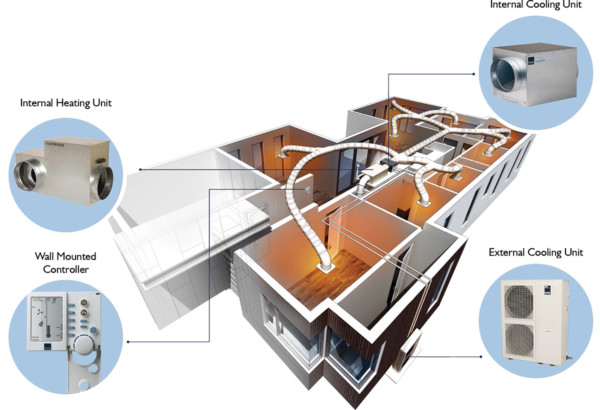
A refrigerated reverse cycle system comprises two units connected by refrigerant pipes. Energy.gov.au characterises split systems as “an exterior compressor and an interior unit,” where the interior unit can be wall-mounted or ducted within the roof space, distributing air through ductwork into various rooms. Each component below plays a crucial role in the refrigeration cycle.
- Compressor: Located in the outdoor unit, it compresses the refrigerant gas, increasing its temperature and ensuring its circulation in the system.
- Indoor and outdoor coils: Acting as heat exchangers, one coil absorbs heat while the other releases it, swapping roles depending on whether the system is heating or cooling.
- Expansion valve: This component reduces the pressure of the liquid refrigerant, enabling it to cool sufficiently to absorb heat again.
- Reversing valve: This valve alters the refrigerant's flow direction, allowing the system to provide heating in winter and cooling in summer.
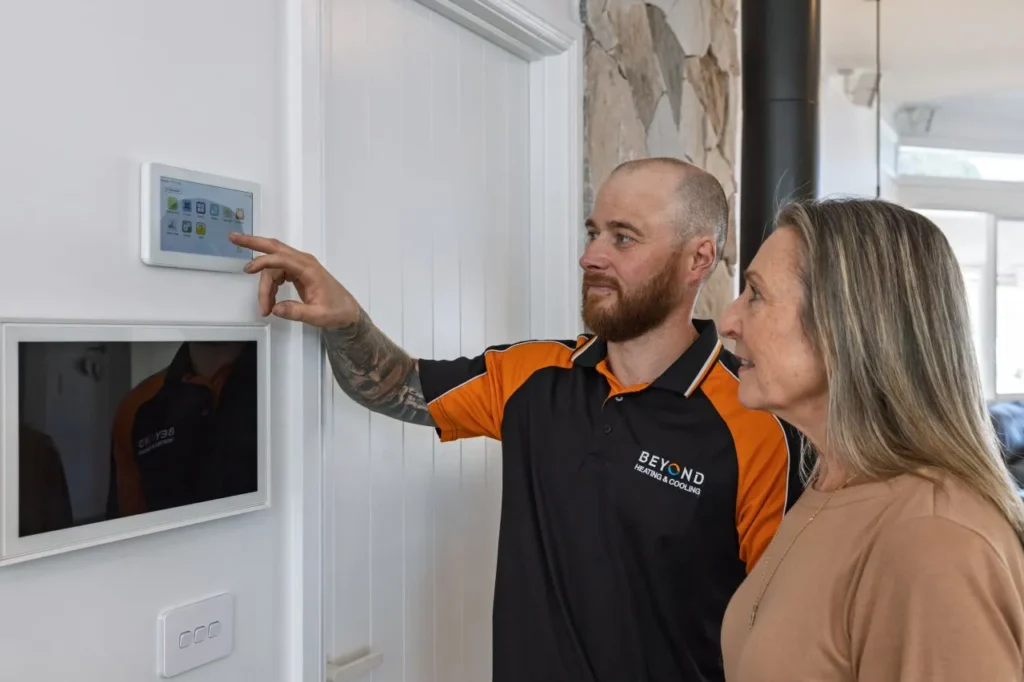
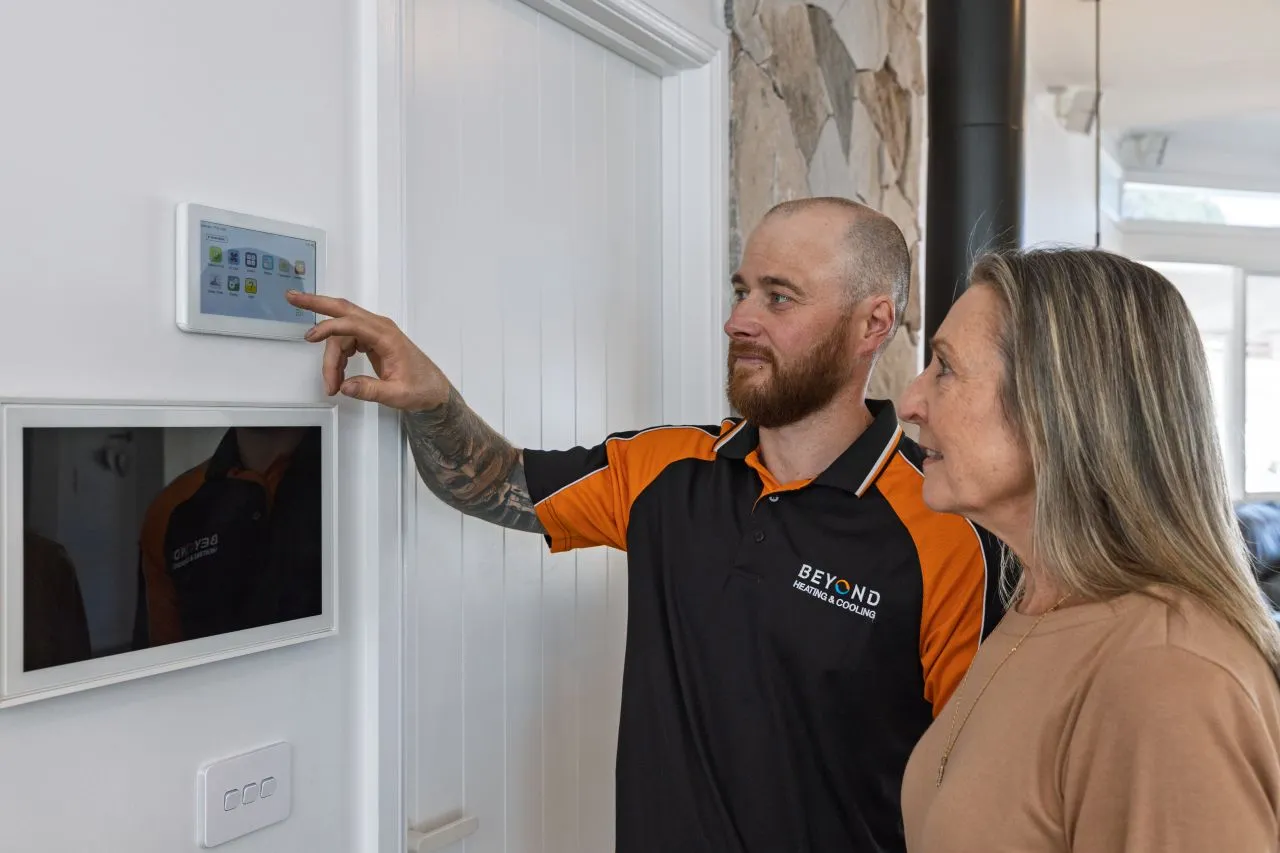
- Controller: The wall-mounted controller or mobile app regulates the system's operation and maintains desired temperatures in each room or zone.
Energy.gov.au recommends consulting an ARCtick registered licensed technician regarding the optimal placement of the indoor and outdoor units and how to efficiently operate a new system. Beyond Heating and Cooling holds an Australian Refrigeration Council licence, and our licence number can be found at the bottom of every page on this site.
Are Reverse Cycle Heating and Cooling Systems Energy Efficient?
Absolutely. According to Energy.gov.au, “the energy efficiency of reverse-cycle air conditioners on the Australian market ranges between 300% to 600%,” since these systems transfer heat rather than producing it. In contrast, a conventional heater that directly converts electricity to heat cannot generate more thermal energy than the electricity consumed.
The same government resource provides a realistic comparison for ducted systems. It notes that ducted systems “are generally less efficient than wall-mounted units due to the use of larger fans and heat loss through ductwork.” However, it also highlights that ducted systems “are more cost-effective than gas heating.” This consideration prompts many Melbourne households with outdated gas ducted heating systems to contemplate switching to electric heating as their old units reach the end of their lifespan.
For wall-mounted units, Energy.gov.au indicates that non-ducted models feature a Zoned Energy Rating Label that assesses efficiency across hot, average, and cold climate zones. When comparing models for a split system installation, focus on the rating appropriate for your home’s climate zone rather than solely the highest figure on the label.
Understanding Zoning in a Ducted Reverse Cycle System
Zoning allows a ducted reverse cycle system to be divided into distinct areas of your home, enabling you to turn on, off, or adjust the temperature in each section independently. Motorised dampers within the ductwork open and close to direct airflow only to designated spaces.
Consider a two-storey home with an expansive living area downstairs and bedrooms upstairs. During the day, you can operate the system solely for the living area, and at night, switch it to heat or cool the bedrooms. This strategy prevents unnecessary energy expenditure on unused rooms, allowing each area to maintain a comfortable temperature tailored to its occupants.
For more information about comprehensive home systems, visit our ducted air conditioning Melbourne page.
Tips for Selecting the Right Reverse Cycle System for Your Home
Choosing the appropriate reverse cycle system involves selecting one that is tailored to your home’s dimensions and layout, rather than opting for the largest available unit. Energy.gov.au recommends that buyers seek “the model that best fits the layout of their house and has the appropriate capacity for their needs.” An undersized system will struggle during extreme temperatures, while an oversized system will incur higher purchase costs and operate less efficiently.
Several factors influence the required capacity for your home:
- The dimensions of each room and the height of ceilings
- The orientation of windows and the type of window coverings
- Whether you aim to cover just one living area or the entire house
- The placement of the outdoor unit, ensuring noise is minimised for bedrooms and neighbours
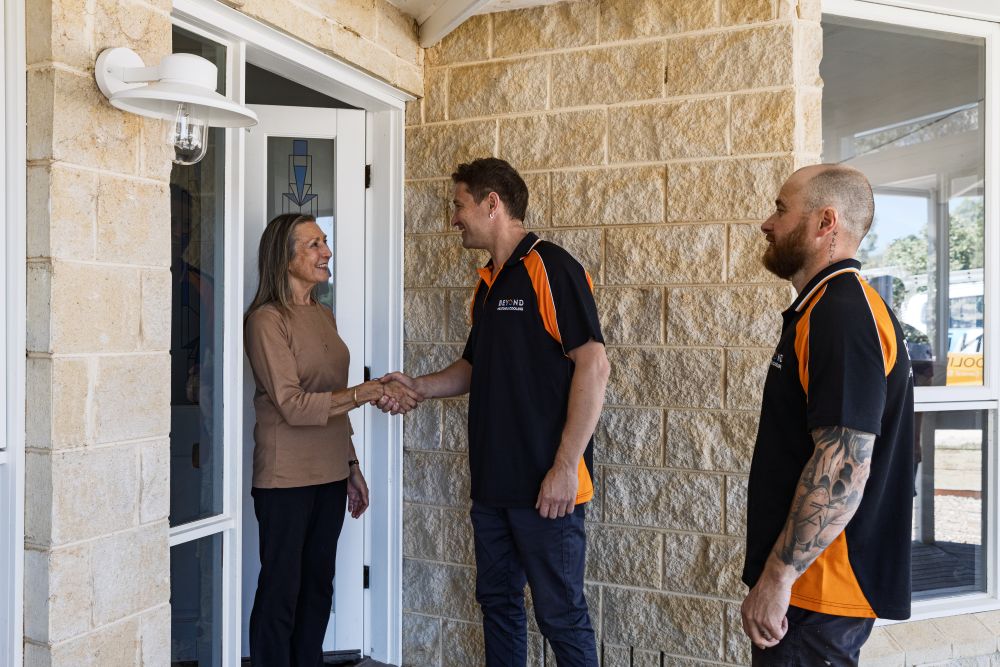
Beyond Heating and Cooling provides a complimentary walkthrough of your home to assist with planning a new installation. During this visit, we assess room sizes, evaluate potential locations for indoor and outdoor units, and discuss which system type best suits your layout, whether it be a ducted system, a single split system, or multiple wall units. Our guide on sizing a ducted heating system for your Melbourne home offers further insights into this important process.
Consult Beyond Heating and Cooling for Your New Reverse Cycle System
If you are considering a new refrigerated reverse cycle system for your Melbourne residence or wish to replace an old heater and cooler with a single electric system, reach out to Beyond Heating and Cooling to schedule a walkthrough. We service Melbourne from three locations: Craigieburn and Fawkner.
Source: Australian Government, energy.gov.au, “Heating and cooling” (https://www.energy.gov.au/households/heating-and-cooling), retrieved 30 September 2026.
Original Article First Published At: How Does A Refrigerated Reverse Cycle Heating And Cooling System Work?