
Dealing with a blocked toilet is a task many Sydney homeowners attempt before reaching out to a plumber. In most instances, this approach is sensible. A flange plunger and a bit of perseverance can effectively resolve most common clogs.
If your efforts don’t eliminate the blockage or if it recurs frequently, it's time to contact us for professional assistance in identifying the underlying issue causing the blockage.
Essential Insights
Which Plunger is Most Effective for a Toilet?
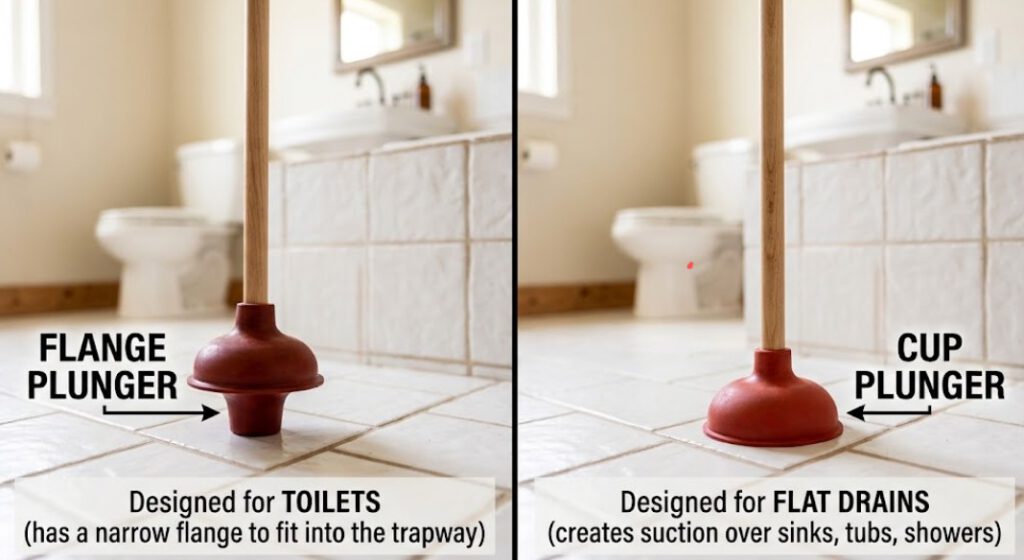
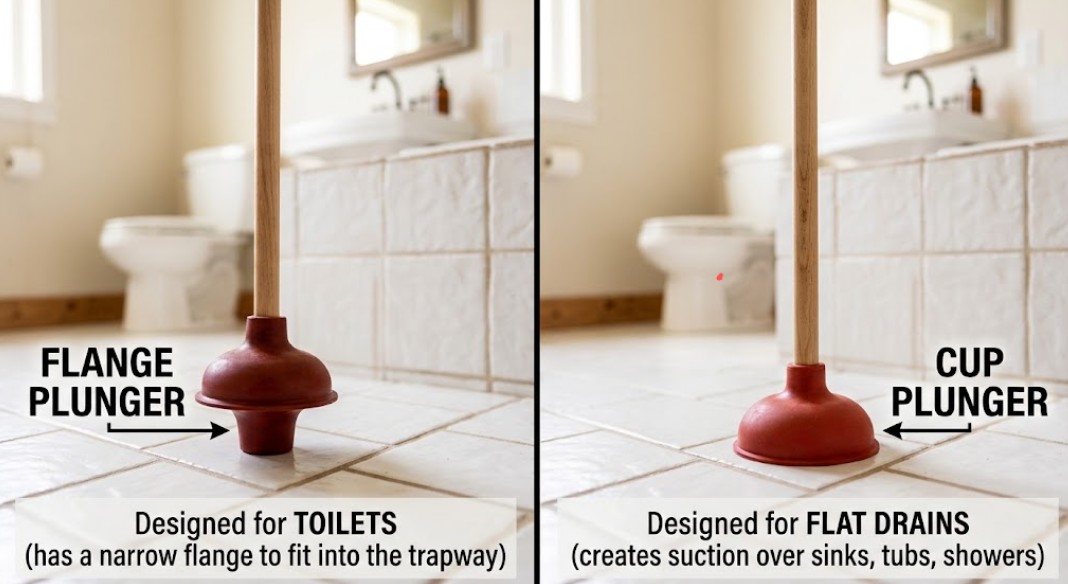
The flange plunger, distinguished by its additional fold of rubber at the base, is specifically designed to create a tight seal around a toilet's outlet. In contrast, the flat, cup-shaped sink plunger typically found on store shelves fails to form an airtight seal against the curved toilet bowl, resulting in a significant loss of force before it reaches the blockage.
To use the flange plunger effectively, extend the flange, lower the plunger fully into the water until the cup submerges, and press down gently the first time to release any trapped air before you commence plunging.
What Are the Correct Steps to Plunge a Toilet?
Step 1: Position the plunger over the toilet outlet and apply downward pressure slowly to expel trapped air.
Step 2: Use firm, steady plunging motions for 15 to 20 seconds, maintaining a solid seal throughout the process.
Step 3: Perform a low-volume flush to check if the blockage has cleared before attempting a normal flush.
If there’s no improvement after two or three thorough attempts, cease plunging. Continuing to plunge a blockage that the plunger cannot reach may lead to water overflowing from the bowl.
What Should You Do if Plunging Fails?
A toilet auger, also known as a closet auger, is a flexible tool designed to navigate past the trap where a plunger cannot reach. Gently insert the cable, rotate the handle to maneuver it around bends, and slowly retract it once you encounter resistance that indicates the blockage has been cleared.
An auger can resolve most blockages that a plunger cannot, including solid objects lodged in the trap. If you encounter substantial resistance that does not yield, stop. Forcing the auger further could damage the bowl or push the obstruction deeper instead of removing it.
When Is It Time to Call a Plumber?
Certain signs indicate it’s wiser to call a plumber rather than continue attempting to clear the blockage yourself. These include water rising close to the rim after a single flush, recurring blockages within a week or two, multiple fixtures draining slowly at the same time, or gurgling noises from other drains when the toilet is flushed.
When several drains are slow simultaneously, it often suggests a blockage further down the shared drainage line rather than in the toilet trap. This situation requires a professional drain inspection, rather than another futile attempt with a plunger. Blue Rhino Plumbing offers CCTV drain inspections throughout Sydney to accurately identify the cause of the problem before any repairs are undertaken.
For toilets that frequently block, exhibit cracks, or leak after the clog has been cleared, our team specialising in toilet repairs and installations can assess whether the toilet itself is to blame.
Is a Blocked Toilet Considered an Emergency Situation?
An overflowing toilet or sewage backing up into a shower or floor drain is indeed an emergency. First, turn off the water supply valve at the base of the toilet to prevent further overflow, and then contact us. Blue Rhino Plumbing provides emergency plumbing services across Sydney, available 24/7 at 0468 014 771.
For blockages located further down the drainage system rather than within the toilet itself, our dedicated page on blocked drains and toilets details the clearing methods we employ, including hydro jetting and CCTV inspections.
Common Questions About Blocked Toilets
Can Dish Soap Help Unblock a Toilet?
Yes, dish soap can be helpful as a supplementary aid, but it should not be relied upon as a standalone solution. A small quantity of dish soap combined with hot (but not boiling) water can assist in lubricating a minor blockage while you use a plunger. it will not resolve a significant obstruction by itself; pairing it with a flange plunger is advisable.
Why Does My Toilet in Sydney Keep Getting Blocked After I Clear It?
Recurring blockages typically indicate a partial obstruction remaining in the trap, an older toilet with a narrow trapway, or tree roots or pipe defects further along the line that are catching waste. A licensed plumber can determine the precise cause using a camera inspection rather than relying on guesswork.
Is It Safe to Use Chemical Drain Cleaners on a Blocked Toilet?
No, we advise against using chemical drain cleaners. These products are formulated for sinks and can damage the wax seal, rubber parts, or older piping within a toilet. They also pose a safety hazard should you need to plunge or auger the toilet afterward.
What Is the Cost of Hiring a Plumber for a Blocked Toilet in Sydney?
Costs vary based on the blockage's nature. Clearing a straightforward blockage with an auger or drain machine is less expensive than a job requiring a camera inspection or pipe repair. For a clear estimate regarding your specific situation before scheduling any service, please call 0468 014 771.
Will a Plumber Need to Remove the Toilet to Clear a Blockage?
Typically, no. Most blockages can be cleared with an auger or drain machine without removing the toilet. Removal is only necessary when an object is lodged beyond the reach of the auger, or if the toilet itself needs replacement.
Is your plunger not doing the trick? Contact Blue Rhino Plumbing at 0468 014 771. We aim to provide same-day service whenever possible, and we offer straightforward answers regarding your plumbing needs.
Original Article First Published At: How to Unblock a Toilet Bowl (and When It’s Time to Call a Plumber)