
Understanding How Termite Barriers Operate and Choosing the Best Option for Your Home
Termite infestations lead to significant financial losses for homeowners in Sydney, but many of these damages can be avoided with the implementation of an effective termite barrier system. A professionally installed termite barrier remains the most dependable method to prevent termites from accessing your home’s timber before any damage occurs. Whether you are constructing a new home or safeguarding an existing one in the Hills District or Northern Beaches, it is essential to understand how various termite barrier types perform.
In Australia, there are two primary categories of termite protection: physical termite barriers and chemical termite barriers. Many homes in Sydney utilise one or a combination of these methods, depending on the type of construction.
Exploring the Benefits of Physical Termite Barriers
A physical termite barrier is a robust, non-toxic system designed to prevent termites from gaining hidden access to a building. These barriers are installed during the construction phase, serving as a tangible obstacle that termites cannot bypass without detection.
Physical termite barriers encompass various products such as stainless steel mesh systems, graded stone barriers, and other approved termite management solutions. Since they are chemical-free, these barriers offer a sustainable long-term option. They are typically more economical and straightforward to install during the building process than to retrofit at a later stage. If you are considering using treated pine framing for additional protection, it’s beneficial to review our analysis on whether termites actually consume treated pine.
Understanding Chemical Termite Barriers
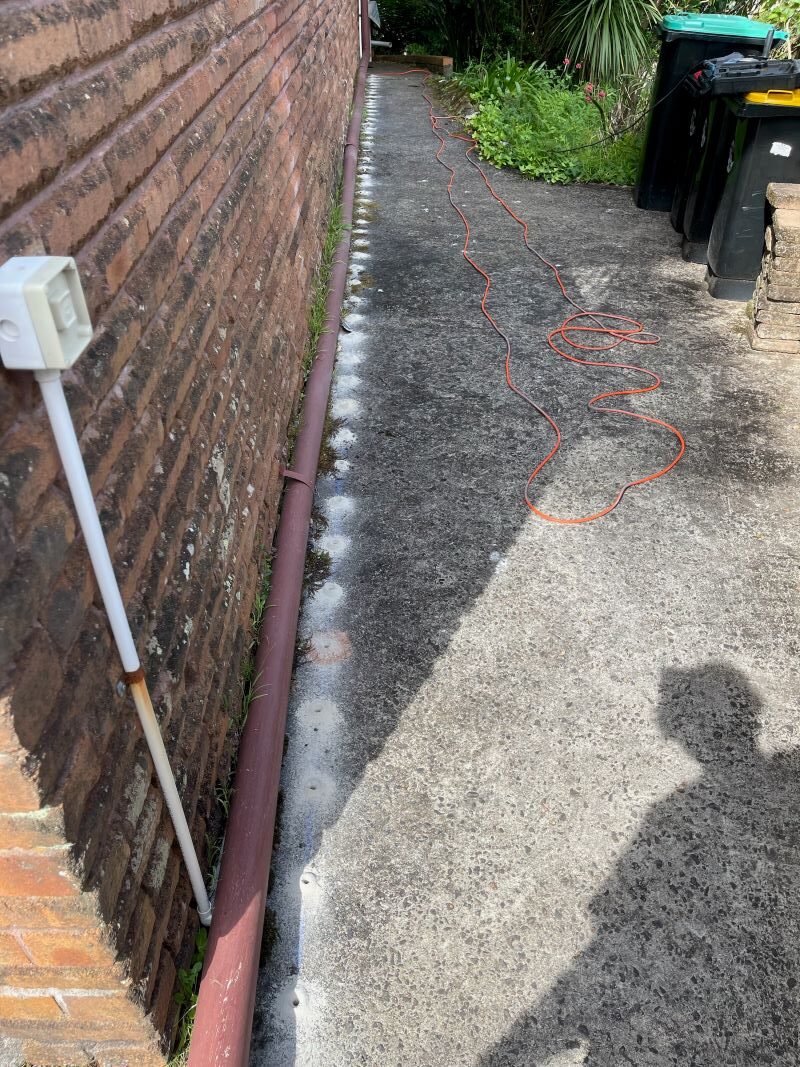
A chemical termite barrier involves the application of professional-grade termiticide to the soil surrounding your home’s foundations. This creates a treated area that either repels termites or eliminates them before they can access the structure.
Chemical barriers are prevalent and effective for existing homes. Modern non-repellent termiticides allow termites to traverse the treated zone without sensing it, enabling them to transport the active ingredient back to their colony, providing control beyond just the immediate area.
Detailed Overview of Termite Baiting and Monitoring Systems
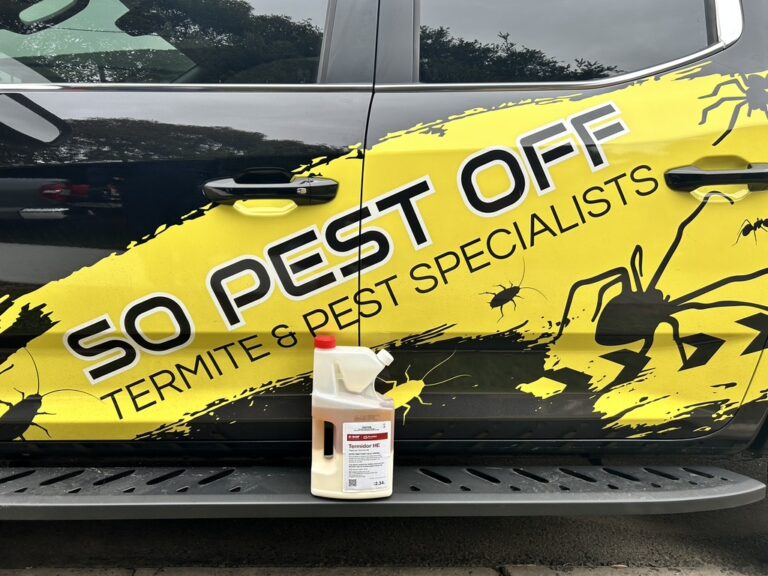
An important option to consider is the Trelona® Advanced Termite Baiting System, part of the Termidor® termite protection range.
A professional termite baiting and monitoring system is among the most effective methods for identifying and controlling termite activity before any substantial damage occurs. At So Pest Off Pest Control, we install and endorse the Trelona® Advanced Termite Baiting System (ATBS).
Reasons to Choose Trelona® Termite Baiting Systems
The Trelona® termite baiting system serves dual purposes, which is why we recommend it.
Firstly, it functions as an ongoing termite monitoring system, detecting termite activity around your property before they can reach your home.
Secondly, it operates as an active baiting system. Termites consume the bait in the stations and transport the active ingredient back to their colony, which facilitates colony suppression rather than merely eliminating visible termites.
This combination of continuous monitoring and baiting is why Trelona® stands out as one of the more effective termite management systems we implement in Australian homes.
Compatibility with Other Termite Protection Solutions
One of the significant advantages of the Trelona® ATBS System is its compatibility with other termite management methods.
Trelona® can be effectively installed alongside:
- Termidor® Chemical Soil Barriers
- Termite Reticulation Systems
- Existing termite management programs
- Annual termite inspection schedules
Integrating a termite baiting system with a chemical termite barrier provides your home with multiple protective layers, reducing the likelihood of a future infestation.
Ensuring Long-Lasting Termite Protection
The Trelona® ATBS stations are engineered to deliver long-term termite protection, with cartridges and bait replaced on a predetermined schedule to maintain efficacy in monitoring and colony suppression.
This design makes them a cost-effective solution for homeowners seeking continuous termite monitoring and management without the substantial upfront costs typically associated with chemical soil barriers.
Is a Termite Baiting System Suitable for Your Property?
Each property presents unique termite risks, construction styles, and environmental conditions. The best way to determine whether a termite baiting system, chemical termite barrier, termite reticulation system, or a combination thereof is appropriate for your home is through a professional termite inspection.
At So Pest Off Pest Control, we offer termite inspections, termite baiting systems, Trelona® ATBS installations, Termidor® termite barriers, and comprehensive termite management solutions across Sydney and the Hills District.
For dependable termite control, termite monitoring, or an affordable termite baiting system, contact So Pest Off Pest Control to discuss the best termite protection options for your property.
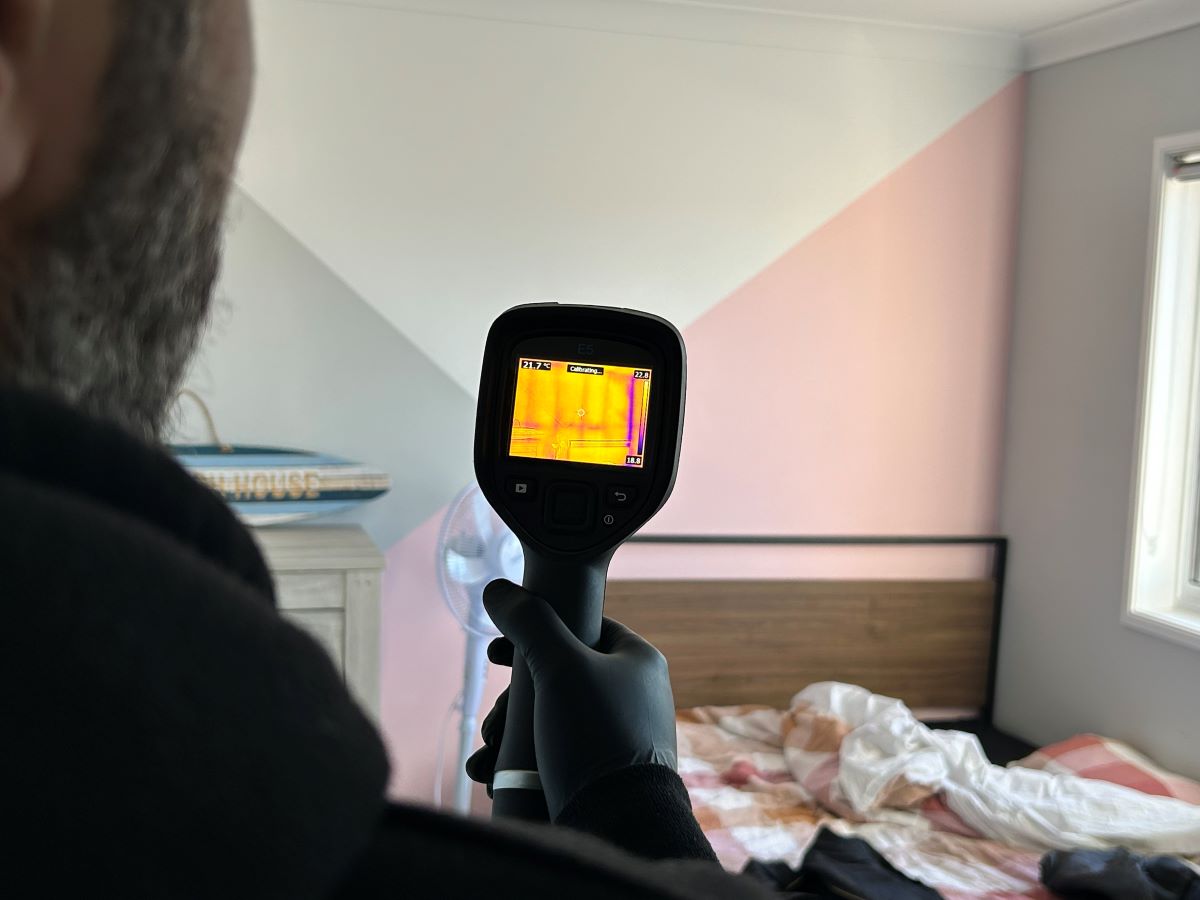
How do different termite prevention techniques compare against each other?
Below is a comparison of the primary termite prevention systems, highlighting their costs and effectiveness:
| Prevention Method | Initial Cost | Maintenance Cost | Effectiveness |
|---|---|---|---|
| Reticulation System | High | Moderate (regular refills) | High |
| Chemical Barrier | Moderate | Low (inspection costs) | High |
| Termite Baiting Systems | Low | High (frequent baits) | Moderate to High |
| Physical Barriers | High | Low (maintenance checks) | High |
Common Chemicals Used in Termite Control:
- Imidacloprid
- Bifenthrin
- Fipronil
- Termidor
So Pest Off’s Comprehensive Termite Treatments
The cost, type of system, and maintenance practices all influence the long-term effectiveness of your termite protection. A licensed termite technician can evaluate the specific conditions affecting your property and recommend the most suitable system, rather than offering a generic solution.
For optimal results in keeping your home free of termites, combining barriers with regular annual inspections is essential; relying on just one method alone is insufficient.
Addressing Common Questions About Termite Barriers
Here are straightforward answers to the most frequently asked questions regarding termite barriers and termite protection in Sydney.
What is the cost of chemical soil treatment?
The cost largely depends on the characteristics of your block. Properties with rocky or uneven terrain, common in the Upper Northern Beaches, tend to be more expensive to treat compared to the flatter blocks typically found in the Hills District. Due to this variability, we do not provide quotes over the phone. Instead, we conduct a free site inspection to evaluate the situation beneath your house. Call us at 0410 244 244 to schedule your inspection.
What is the expense associated with a reticulation system refill?
The refill cost varies based on the chemical used and the capacity of your system. Less expensive products may cost less per litre but require more frequent top-ups, whereas premium options like Termidor have higher upfront costs but last longer between refills. We provide a detailed breakdown of typical reticulation refill costs and influencing factors in our comprehensive reticulation refill guide.
What is the typical cost for installing a physical termite barrier?
The cost is influenced by your home’s size, whether it is built on a concrete slab or has an accessible subfloor, and the ease of access to the site. Generally, physical barriers are less expensive to install during the construction phase than to retrofit into an existing home. We will provide a precise quote after inspecting your property.
Can effective termite barriers be retrofitted into existing homes?
Yes, both physical and chemical barriers can be retrofitted into an existing home. Chemical barriers are more frequently used for retrofits since they do not require structural modifications, while physical barriers can also be added but typically involve more disruption.
How do termite barriers function in conjunction with a concrete slab foundation?
In a concrete slab, termite barriers act as a shield that termites cannot surpass without being detected. Physical barrier tape and mesh can be installed beneath the slab during construction, while chemical barriers are applied around the slab’s perimeter afterwards.
Are there specific termite barrier systems recommended for Australian homes?
Termidor is a well-established chemical barrier system used in Australian homes, and it is part of our installation offerings. It features low-toxicity, non-repellent termiticide, making it undetectable to termites, which allows them to transport it back to their colony, enhancing effectiveness. During your inspection, inquire about the specific protection duration of your system, as this can vary based on the application method and site conditions. You may also refer to our guide on termite reticulation systems to see how it compares to other long-term options.
Why is termite protection necessary?
Termite activity is prevalent throughout New South Wales, and the Hills District is one of the higher-risk areas that we frequently treat. The damage caused by termites is often hidden from view, manifesting as cracked paint or soft skirting boards, while the underlying costs can be extensive and structural. Once a licensed technician accesses a wall, the damage may amount to tens of thousands of dollars or more to repair.
If you want to assess your risk before it escalates into a significant problem, consult our guide on termite risk management for NSW homes or schedule a termite inspection.
Original Article First Published At: Types Of Termite Barriers