

Essential Guide to Metal Roof Inspections on the Central Coast: Frequency, Timing, and Importance
Your roof endures a barrage of weather conditions throughout the year, including intense summer heat, hail, strong winds, and heavy rain. It serves as the protective barrier, keeping everything beneath dry and secure, so investing a little effort into regular maintenance is crucial. A well-maintained metal roof can last for up to 50 years, and simple inspections are the most effective way to maximise its lifespan. On the Central Coast, this is even more critical. Proximity to the ocean exposes roofs to salt in the air, severe summer storms, and prolonged periods of intense sunlight. Understanding when to inspect your roof, what signs to look for, and why these inspections are essential empowers you to prevent unexpected issues.
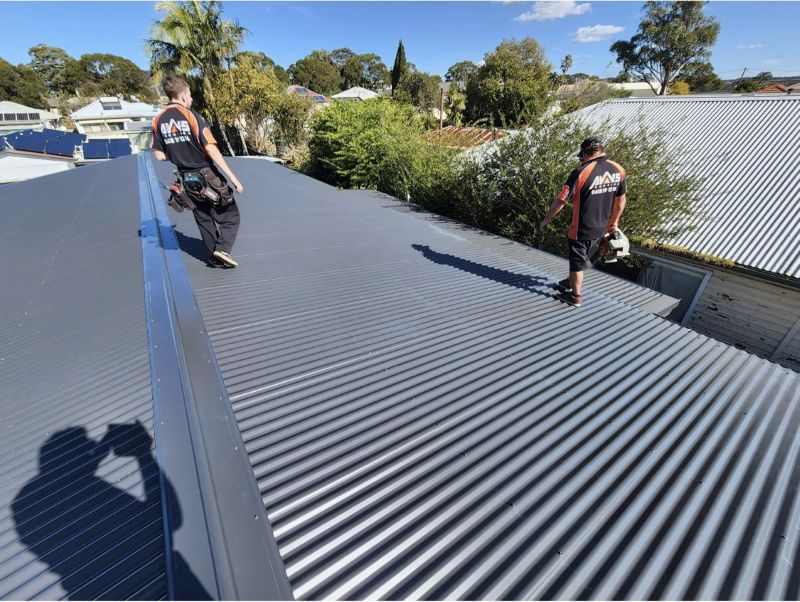
What Is the Recommended Frequency for Metal Roof Inspections?
Routine roof inspections often fall to the bottom of the to-do list until a significant issue arises. The frequency of your inspections depends on several factors, including the roof's age, the level of exposure your home has to harsh weather, and recent weather events. As a general guideline, conducting an inspection once or twice a year, along with a thorough check after any major storm, can help identify potential problems early. A newer roof located in a sheltered area may require less frequent inspections, while an older roof situated near the coastline or one that endures harsh sunlight and wind should be monitored more closely. Proactively addressing wear and tear is far more economical than waiting for issues to escalate.
What Key Indicators Should You Look For During a Metal Roof Inspection?
You don’t need to be a qualified roofer to perform a basic inspection, and developing this habit can be very beneficial. From the ground or safely on a ladder, you can observe many key indicators without any special equipment. While a professional can conduct a more thorough examination, spotting potential issues from the ground can alert you when it’s time to call for expert help. As you inspect your metal roof, keep the following factors in mind: pay particular attention to the critical sealing areas, including flashings around chimneys, vents, and skylights, the ridge capping along the apex, and the valleys where two roof planes converge. These areas are often the origins of leaks in an otherwise sound roof.
1. Inspect for Loose Fixings and Lifted Sheets
Start your inspection by checking for missing or loose screws, sheets that have lifted at the edges, and any signs of rust or corrosion. A missing screw can create a small opening, allowing water to penetrate during heavy rainfall. If multiple screws are loose, it can cause the sheets around them to shift. Lifted or rattling sheets are often a result of strong winds loosening the fixings. Rust is particularly concerning near coastal areas; it tends to begin at the fixings, cut edges, and points where sheets overlap and retain moisture. While surface rust can be managed, once it penetrates through a sheet, the roof’s integrity is compromised. If you can safely access the roof cavity on a sunny day, any daylight visible indicates a gap that requires immediate attention. Cleaning your gutters annually is an excellent opportunity to inspect the roof, including fascias and gutters. Identifying a loose fixing early can prevent minor issues from escalating into major problems.
2. Identify Signs of Moisture Intrusion
Next, look for any indicators of moisture intrusion, such as stains, mould, or that unmistakable discolouration on a ceiling. Sometimes, moisture issues can arise from a one-off event, such as wind-driven rain entering at an angle or a blocked gutter causing water to backtrack into the roof cavity. This highlights the importance of maintaining clear gutters. If you discover a leak, it's essential to approach the situation with a clear understanding. AWS Roofing does not handle repairs or leak detection, and often, this is the practical route: once a metal roof begins leaking at multiple points, tracking down the source can be more costly than a full replacement. A comprehensive assessment determines whether your roof still has significant life left or if a reroof is the more sensible choice.
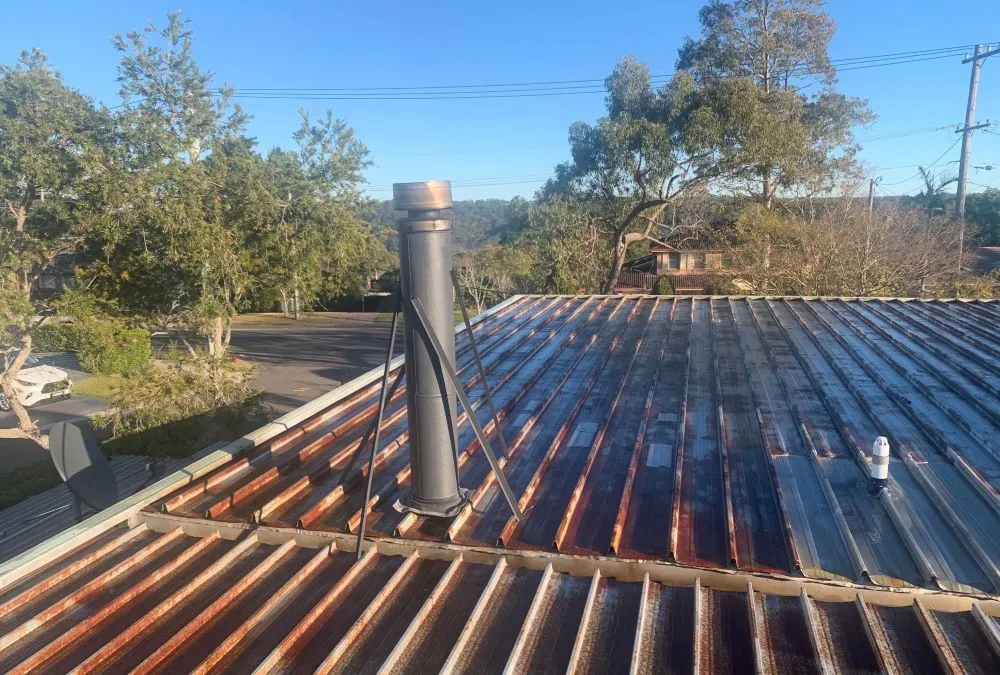
What Are the Key Reasons to Schedule Regular Roof Inspections?
Some inspections are routine, while others are conducted in response to specific events. Always inspect your roof following a significant storm, especially since the Central Coast experiences its fair share of them. Strong winds can displace metal sheets, loosen fixings, and bring down branches, leading to unseen damage that can result in leaks. After having contractors on your roof, such as those installing or cleaning solar panels, it’s wise to check whether any sheets or fixings were inadvertently disturbed. If you notice a leak inside your home, it’s crucial to have it evaluated promptly, as water can travel a considerable distance from the entry point. The sooner you understand the situation, the quicker you can determine the necessary actions, whether that involves a minor repair or planning for a complete replacement. Prolonged exposure to harsh sunlight also takes its toll. Heat causes sheets to expand and contract, and over time, this ongoing movement can loosen fixings and create small gaps that may not be visible from the interior. If left unaddressed, even minor storm damage can worsen and become significantly more expensive to rectify.
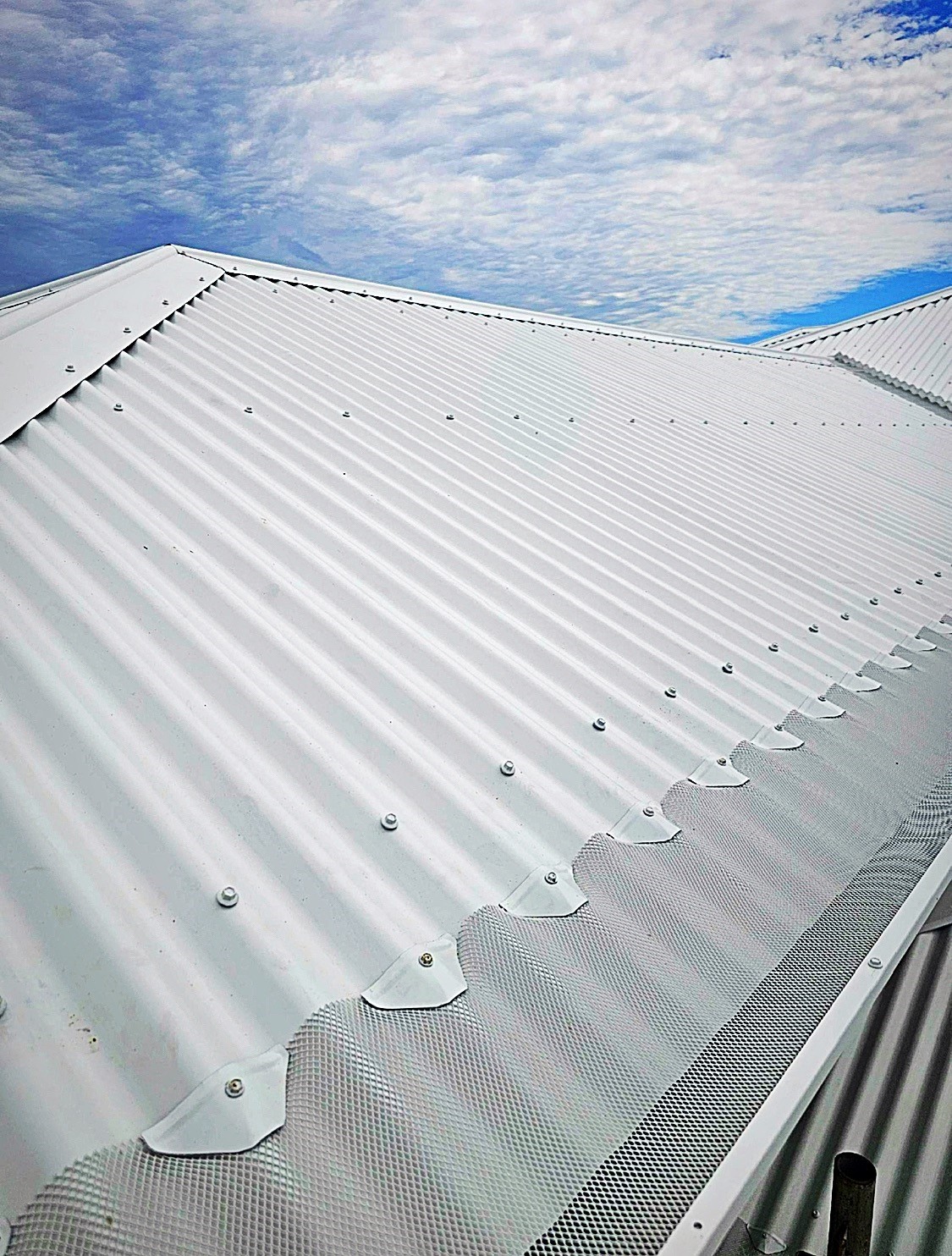
The Importance of Regular Roof Inspections
Conducting regular inspections allows you to identify minor issues before they escalate into major, costly repairs. A small problem on a metal roof, if neglected, can lead to rust, water damage, and a significantly larger expense in the future. There are clear indicators that a roof may be nearing the end of its lifespan rather than simply requiring routine maintenance: pervasive rust and corrosion, thinning or flaking sheets, fixings that repeatedly loosen, and leaks appearing in multiple locations. At this stage, continual repairs often cease to be cost-effective. AWS Roofing does not engage in patchwork repairs or leak chasing; instead, we focus on replacements. When the cost of repairs begins to accumulate, investing in a new metal roof often proves to be more economical than the ongoing expense of repeated fixes. If you are purchasing a property, having a roof inspection included in the building report reveals the true condition of the roof and whether it requires replacement, which is invaluable information before finalising your decision and can assist in negotiating the price. If your roof is ageing or has suffered from the challenging weather conditions of the Central Coast, the AWS Roofing team can assess its condition and provide you with honest guidance, including recommending a new metal roof if that is the most prudent course of action.
Original Article First Published At: When Should You Get Your Roof Inspected?

You’ve touched on a vital topic that often goes unnoticed until it’s too late. My experience with home maintenance has taught me how essential early intervention can be, especially for something as crucial as a roof. Just a few weeks ago, I decided to check my own metal roof after a particularly heavy storm, and I found some minor wear that, if left unchecked, could have led to bigger problems down the line.